
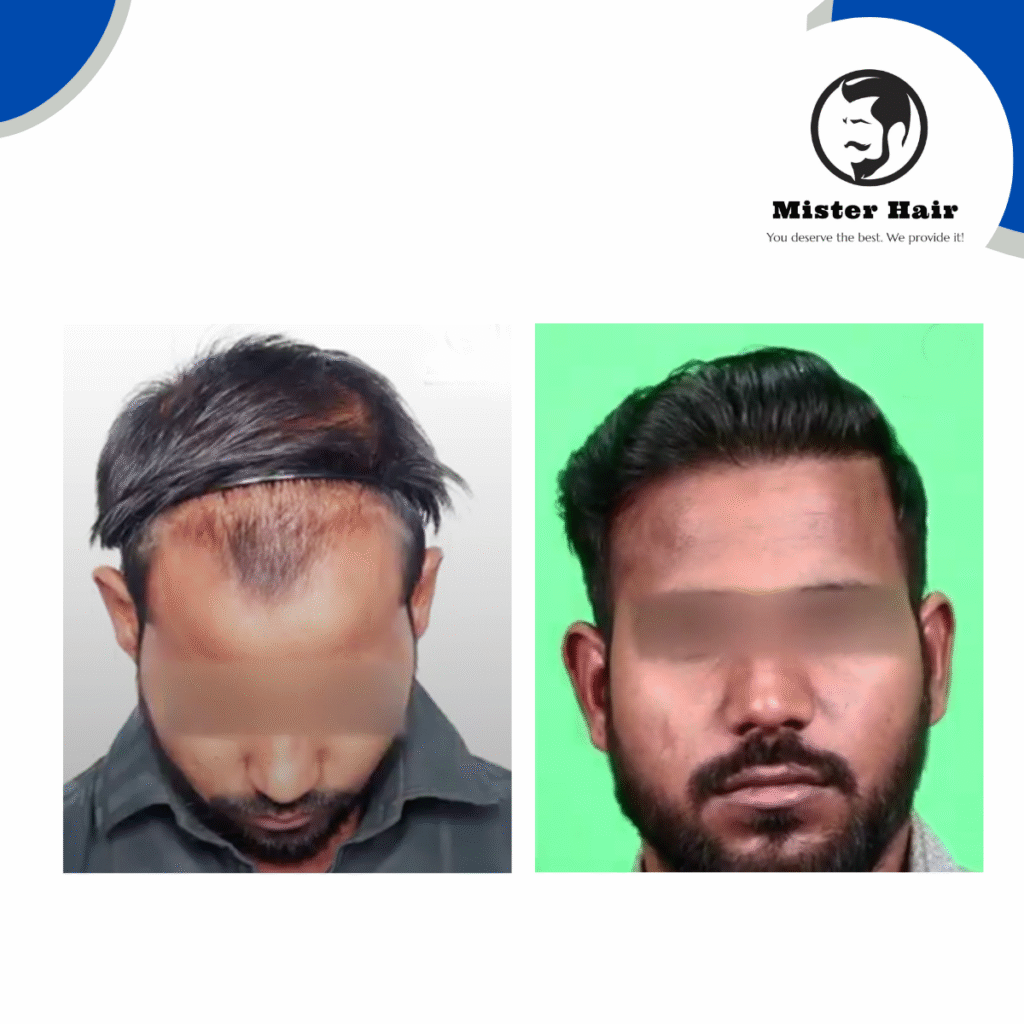

When it comes to modern hair restoration techniques, both Sapphire FUE and DHI Hair Transplant have transformed how people approach baldness and thinning hair. Gone are the days of visible scars and unnatural results — today’s advanced hair transplant methods deliver dense, natural-looking hairlines that are virtually undetectable.
But which one is better for you — Sapphire FUE or DHI (Direct Hair Implantation)?
Let’s explore the differences, techniques, and results to help you make an informed decision.
Understanding Modern Hair Transplant Methods
Before comparing the two, it’s essential to understand the fundamentals of today’s leading hair transplant techniques.
🔹 FUE (Follicular Unit Extraction)
The FUE method involves extracting individual hair follicles from the donor area (usually the back of your scalp) and implanting them into bald or thinning zones. It’s minimally invasive, leaves no linear scar, and offers faster recovery.
🔹 Sapphire FUE (Advanced FUE)
Sapphire FUE is a technological evolution of traditional FUE. Instead of using steel blades to create incisions, it uses sapphire blades made from a precious gemstone — known for its smoothness, sharpness, and precision.
🔹 DHI (Direct Hair Implantation)
DHI, or Direct Hair Implantation, takes the FUE concept a step further. Using a Choi implanter pen, doctors implant extracted follicles directly into the scalp without creating pre-made incisions. This method gives more control over the depth, angle, and direction of each implanted hair — ideal for designing natural hairlines.
Sapphire FUE Technique: The Science Behind Precision
Sapphire hair transplant technology uses ultra-sharp sapphire blades to create V-shaped microchannels for graft placement. The finer incision allows for higher graft density and faster healing.
🔹 Key Advantages of Sapphire FUE:
- Micro-precision: Sapphire blades create uniform, fine incisions.
- Minimal trauma: Less damage to surrounding tissue means faster recovery.
- Natural density: Allows for tight graft placement and smoother hairline transitions.
- Faster healing: Reduced swelling and scarring compared to steel-blade FUE.
- Ideal for larger areas: Works best for extensive baldness correction or high graft counts.
This advanced FUE hair transplant method is widely used in India for men seeking a natural yet dense look, especially in frontal and crown areas.
DHI Technique: The Art of Direct Implantation

The DHI hair transplant technique uses an implanter pen to simultaneously create incisions and implant follicles — skipping the step of pre-channel creation entirely.
🔹 Step-by-Step DHI Process:
1. Hair follicles are extracted one by one using micro punches.
2. Follicles are loaded into a Choi implanter pen.
3. The pen directly implants the grafts into the scalp at a precise angle and depth.
🔹 Key Advantages of DHI:
- Maximum control: Direct implantation ensures accurate depth and direction.
- Natural hairlines: Perfect for temples, frontal zones, and detail work.
- Reduced handling: Follicles spend less time outside the body, increasing survival rate.
- Faster procedure: No separate step for channel creation.
- Minimal bleeding: Less invasive and gentler on the scalp.
This makes DHI hair transplant one of the most advanced options for patients wanting ultra-natural hairlines with minimal downtime.
Sapphire FUE vs DHI: A Detailed Comparison
Factor | Sapphire FUE | DHI (Direct Hair Implantation) |
Technique | Two-step process (channel creation + graft implantation) | One-step process (implantation with implanter pen) |
Blade Type | Sapphire blades | Choi implanter pen |
Scalp Incisions | Pre-made V-shaped channels | No pre-made channels |
Density Control | Very High | Extremely High |
Hairline Design | Natural, dense | Ultra-precise and customized |
Ideal For | Large bald areas, full head coverage | Smaller areas, hairline & temple correction |
Procedure Time | 6–8 hours | 8–10 hours |
Healing Time | 4–6 days | 3–5 days |
Cost (India) | ₹70–₹120 per graft | ₹100–₹150 per graft |
Pain & Swelling | Minimal | Minimal |
Results Timeline | 9–12 months | 9–12 months |
Which Technique Gives More Natural Results?
Both Sapphire FUE and DHI produce highly natural-looking results, but the choice depends on your needs and scalp condition.
✅ Choose Sapphire FUE if:
- You need a large number of grafts (2,000–4,000+)
- You’re looking to restore the entire scalp
- You want high-density coverage with quick recovery
- You prefer a more affordable option
✅ Choose DHI if:
- You want precision-designed hairlines
- You’re targeting small or specific areas
- You’re seeking premium-level naturalness
- You value minimal follicle handling for higher survival rates
DHI excels in hairline artistry, while Sapphire FUE is unmatched in overall scalp restoration.
Sapphire vs DHI: Key Differences in Technique
Aspect | Sapphire FUE Method | DHI Method Hair Transplant |
|
|
|
Tools Used | Sapphire blades | Choi implanter pens |
Implantation Step | Separate from channel creation | Combined (direct implantation) |
Follicle Survival Rate | 90–93% | 95–98% |
Bleeding & Swelling | Low | Very low |
Hair Direction Control | Manual by surgeon | Fully controlled via pen |
Anesthesia | Local | Local |
Scarring | Micro-level (barely visible) | None visible |
Post-Op Recovery | 5–7 days | 3–5 days |
Both methods are safe, effective, and minimally invasive — offering long-lasting hair restoration results with no linear scars.
Cost of Sapphire vs DHI Hair Transplant in India
City | Sapphire FUE Cost (₹/Graft) | DHI Cost (₹/Graft) |
Bengaluru | 70–120 | 100–150 |
Delhi NCR | 60–110 | 90–140 |
Mumbai | 70–130 | 100–160 |
Hyderabad | 60–100 | 90–130 |
Chennai | 60–110 | 95–140 |
💡 Average Sapphire Hair Transplant Cost: ₹80,000 – ₹1,50,000
💡 Average DHI Hair Transplant Cost: ₹1,20,000 – ₹2,00,000
Though DHI hair transplant cost is slightly higher, it offers unmatched precision and is preferred for premium natural results — especially for facial and hairline detailing.
[ Hair Transplant Cost Comparison in India]
Results and Recovery
Both methods yield long-lasting, natural outcomes — but recovery speed and aftercare vary slightly.
Phase | Sapphire FUE | DHI |
Initial Healing | 4–6 days | 3–4 days |
Scab Shedding | Day 7–10 | Day 5–7 |
Shock Loss Phase | Week 2–4 | Week 2–3 |
New Hair Growth | 3–4 months | 3–4 months |
Full Results | 9–12 months | 9–12 months |
Post-transplant, patients should avoid sweating, direct sunlight, and tight headwear for at least 10 days. Both techniques have minimal downtime — most people return to work in under a week.
Which One Lasts Longer?

Both Sapphire FUE and DHI provide permanent results because the transplanted follicles are resistant to DHT (the hormone responsible for hair loss).
Longevity depends more on:
- Doctor’s expertise
- Proper graft handling
- Post-care adherence
When done by experienced hair transplant doctors, the transplanted hair lasts a lifetime.
Sapphire vs DHI: Pros and Cons
Technique | Pros | Cons |
Sapphire FUE | High graft density, fast healing, affordable | Slightly less precise for small areas |
DHI | Maximum precision, no incisions, ultra-natural hairlines | Higher cost, longer duration |
Which Is Right for You?

The decision between Sapphire FUE vs DHI depends on your hair loss stage, donor area strength, and aesthetic goals.
- For overall scalp restoration, Sapphire FUE is ideal.
- For precise hairline correction or small transplants, DHI delivers unmatched naturalness.
It’s best to consult a qualified hair transplant specialist who can evaluate your scalp and suggest the most suitable technique for your case.
Why Choose Mister Hair Clinic for Advanced Hair Transplants
At Mister Hair Clinic, we combine the best of both worlds — offering both Sapphire FUE and DHI Hair Transplant techniques with precision, safety, and artistry.
💠 Why Patients Choose Us:
- 1,500+ successful hair transplants
- Certified hair restoration surgeons
- Latest Sapphire blades & Choi implanters
- 95% graft survival rate
- Natural hairline design customized for each patient
- Transparent pricing, EMI options & lifetime support
📍 Locations: Bengaluru, Mumbai, Delhi And Other Branches
📞 Book Appointment Online | 💬 Chat with a Specialist
Frequently Asked Questions (FAQ)
Q1. Which is more advanced — Sapphire FUE or DHI?
Both are advanced, but DHI is newer and offers more precise implantation with the Choi pen.
Q2. Does Sapphire FUE give natural results?
Yes. Its fine incisions enable dense, natural-looking results with minimal scarring.
Q3. Which heals faster — Sapphire or DHI?
DHI heals slightly faster due to its one-step implantation method.
Q4. What is the cost difference?
Sapphire FUE: ₹70–₹120 per graft
DHI: ₹100–₹150 per graft
Q5. Can women undergo DHI or Sapphire FUE?
Absolutely. Both techniques are suitable for men and women.
Q6. How soon can I see results?
Visible results start around 3–4 months, with full growth in 9–12 months.
Final Thoughts
When comparing Sapphire vs DHI Transplant, both methods offer incredible hair restoration results — but they cater to different needs.
- Choose Sapphire FUE for full-head coverage, affordability, and high density.
- Choose DHI for premium precision, natural hairline definition, and faster recovery.
If you’re searching for DHI hair transplant near me or want expert guidance on which hair transplant method suits you best, visit Mister Hair Clinic — India’s trusted name in modern hair restoration.
✨ Book your free hair analysis today and take the first step toward your natural, confident look!