
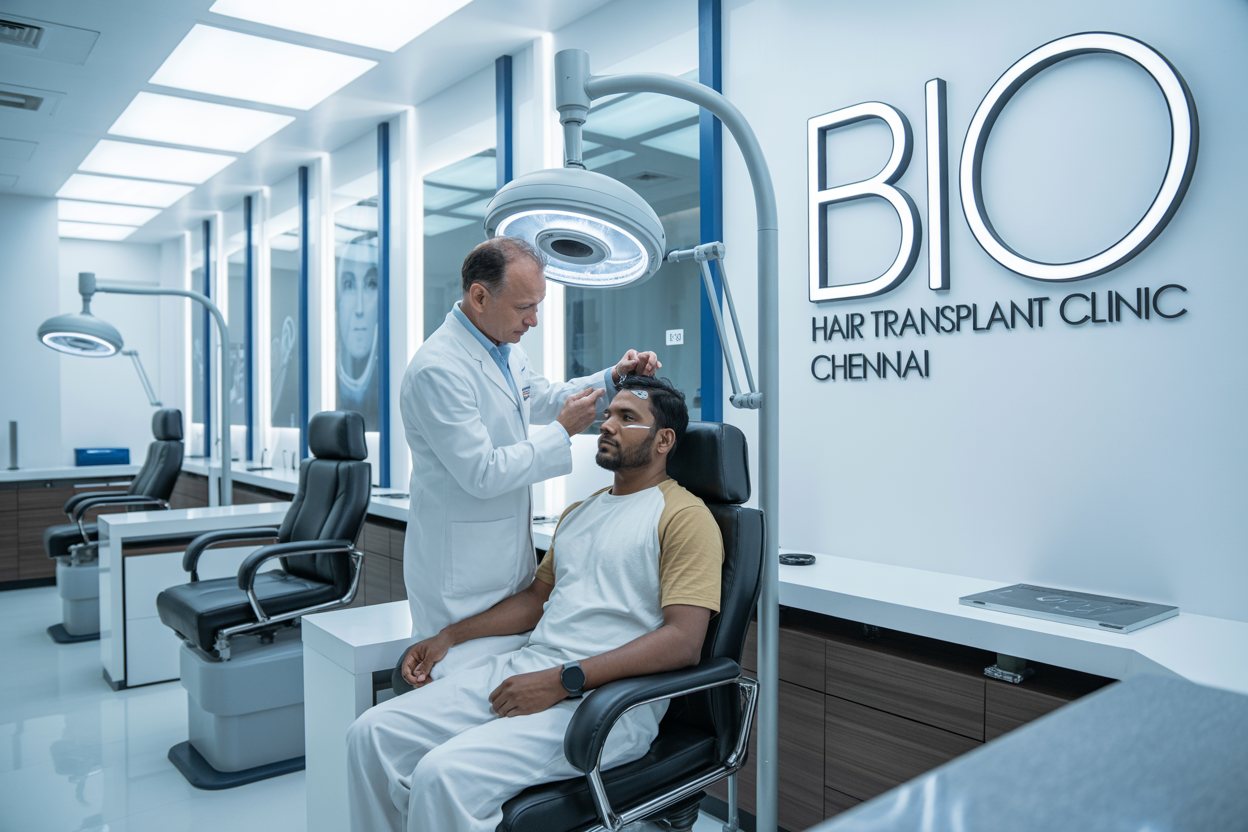
This guide covers the clinic’s advanced transplant technologies and comprehensive treatment options. You’ll also learn about their expert medical team credentials and personalized approach to hair restoration.
We’ll explore their state-of-the-art facility, post-treatment care programs, and competitive pricing options to help you make an informed decision about your hair transplant journey.
Advanced Hair Transplant Technologies Available
Follicular Unit Extraction represents the gold standard in modern hair restoration, delivering exceptional results with minimal invasive procedures.
This technique extracts individual hair follicles directly from the donor area using specialized micro-punches, leaving virtually no visible scarring. Patients experience faster healing times compared to traditional strip methods, with most returning to work within 3-4 days.
The precision of FUE allows for natural-looking hairlines and optimal density distribution. Success rates typically exceed 95%, with transplanted hair maintaining its original characteristics and growth patterns. The procedure works particularly well for:
-
Crown thinning and male pattern baldness
-
Eyebrow and beard restoration
-
Scar revision from previous procedures
-
Women experiencing diffuse hair loss
Recovery involves minimal discomfort, and the donor area heals completely within 7-10 days. Most patients see initial growth around 3-4 months, with full results visible by 12-15 months post-procedure.
DHI Method for Precise Hair Placement
Direct Hair Implantation takes hair restoration to the next level by combining extraction and implantation into a single streamlined process. Using the patented Choi Implanter Pen, surgeons can control the depth, direction, and angle of each follicle with unprecedented accuracy.
This technique eliminates the need for pre-made recipient sites, reducing trauma to the scalp and improving survival rates of transplanted follicles. The Choi pen allows for:
| DHI Advantages | Traditional Methods |
|---|---|
| No channel creation needed | Requires pre-made incisions |
| Reduced bleeding and swelling | More tissue trauma |
| Faster healing process | Longer recovery time |
| Higher follicle survival rate | Standard survival rates |
DHI proves especially effective for patients requiring dense packing in specific areas or those with limited donor hair availability.
The technique allows for transplantation without shaving the entire head, making it ideal for women and professionals who cannot afford extended downtime.
Robotic Hair Transplant Options
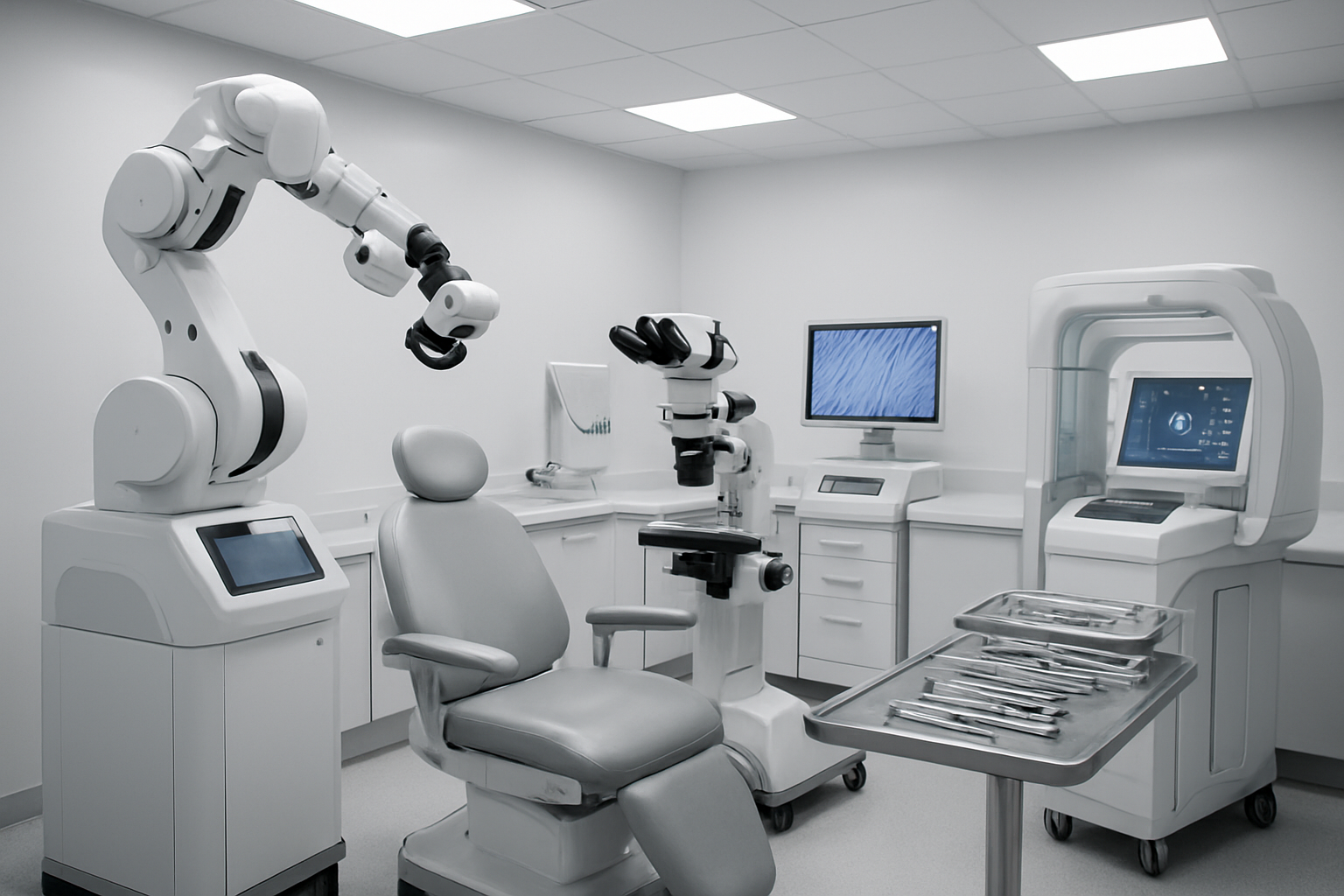
ARTAS robotic technology revolutionizes hair transplantation by introducing artificial intelligence and precision robotics to the procedure.
The system uses advanced algorithms to identify and select the best donor follicles while maintaining optimal harvesting patterns to preserve the natural appearance of the donor area.
The robotic arm performs extractions with consistent precision that surpasses human capability, reducing the risk of follicle damage during harvesting. Key benefits include:
-
Consistent extraction quality: Every follicle receives identical treatment
-
Reduced procedure time: Faster harvesting means shorter surgery duration
-
Minimized human error: Computer-guided precision eliminates variability
-
Detailed mapping: 3D imaging creates comprehensive treatment plans
Patients benefit from reduced fatigue-related errors common in lengthy manual procedures. The robot’s stamina remains constant throughout the entire session, ensuring the last follicle receives the same careful treatment as the first.
Bio-Enhanced Growth Factor Treatments
Platelet-Rich Plasma therapy and stem cell treatments amplify the success of hair transplantation by creating optimal conditions for follicle survival and growth.
These biological enhancements use the patient’s own blood components to stimulate natural healing processes and improve transplant outcomes.
PRP contains concentrated growth factors that promote tissue regeneration and increase blood supply to newly transplanted follicles. The treatment process involves:
-
Blood draw from the patient
-
Centrifugation to concentrate platelets
-
Injection into the transplant area
-
Follow-up sessions at 3, 6, and 12 months
Bio-enhanced treatments often result in 15-20% higher survival rates for transplanted follicles and can accelerate the growth timeline by several weeks.
Many patients also report improved thickness and quality of existing hair in treated areas, creating a more comprehensive restoration result.
These advanced biological therapies work synergistically with surgical techniques, creating an optimal environment for long-term hair growth success while minimizing post-operative complications.
Personalized Treatment Planning Process
![]() Detailed Hair Analysis and Assessment
Detailed Hair Analysis and Assessment
Every successful hair transplant begins with a thorough examination that goes far beyond just looking at thinning areas.
The clinic’s specialists conduct comprehensive scalp analysis using advanced diagnostic tools to map hair density patterns, examine follicle health, and assess the donor area’s viability.
Digital microscopy reveals crucial details about hair shaft diameter, follicle miniaturization, and scalp condition that aren’t visible to the naked eye.
The assessment includes evaluating your family history of hair loss, current medications, lifestyle factors, and any underlying medical conditions that might affect transplant success.
Blood tests may be recommended to check hormone levels, nutritional deficiencies, or other health markers that could impact hair growth.
Photographic documentation captures your current hair status from multiple angles, creating a baseline for tracking progress post-procedure. This visual record becomes invaluable for comparing results and making future treatment decisions.
Customized Surgical Approach for Individual Needs
No two patients receive identical treatment plans at Bio Hair Transplant Clinic Chennai. Your unique hair characteristics, loss pattern, age, and aesthetic goals shape every aspect of the surgical strategy.
The team considers factors like your natural hairline shape, crown pattern, and future hair loss progression when designing the transplant layout.
The choice between FUE (Follicular Unit Extraction) and FUT (Follicular Unit Transplantation) depends on your specific situation. Patients with limited donor hair might benefit from FUE’s precision, while those needing extensive coverage could be better candidates for FUT’s efficiency in harvesting larger quantities of grafts.
Graft distribution receives careful planning – denser placement at the hairline creates natural-looking results, while strategic spacing in crown areas maximizes coverage.
The surgical team maps out exactly how many grafts each area needs and determines the optimal angle and direction for implantation to match your existing hair growth patterns.
For More Details Contact us : 917338671338
Pre-Procedure Consultation and Preparation
Your consultation session covers every detail about the upcoming procedure, from arrival time to post-surgery care instructions. The medical team explains the entire process step-by-step, ensuring you understand what happens during each phase of the surgery.
Pre-procedure preparation includes specific guidelines about medications to avoid, dietary recommendations, and hair care instructions for the days leading up to surgery. You’ll receive detailed information about what to wear, what to bring, and how to prepare your scalp for optimal results.
The clinic provides comprehensive pre-surgery checklists covering:
-
Medication adjustments and supplements to discontinue
-
Alcohol and smoking cessation timelines
-
Scalp preparation protocols
-
Arrangement for post-surgery transportation
-
Time off work planning considerations
Realistic Expectation Setting and Timeline
Honest communication about expected outcomes prevents disappointment and builds realistic anticipation.
The clinic shows before-and-after photos of patients with similar hair loss patterns and discusses what results you can realistically achieve with your donor hair availability.
Timeline expectations receive thorough explanation – initial shedding of transplanted hair occurs within 2-4 weeks, new growth typically begins around month 3-4, and final results become visible after 12-18 months. Some patients see continued improvement up to 24 months post-procedure.
The team discusses potential need for future sessions, especially for younger patients or those with progressive hair loss patterns.
They outline scenarios where additional procedures might enhance results and provide cost estimates for potential follow-up treatments. This transparency helps you make informed decisions about your long-term hair restoration journey.
Conclusion:
Ready to take the next step toward restoring your confidence? Schedule a consultation with Bio Hair Transplant Clinic Chennai today.
Their flexible financing options make quality hair transplant treatment accessible, and their proven track record speaks for itself. Don’t let hair loss hold you back any longer – your new look is just one appointment away.