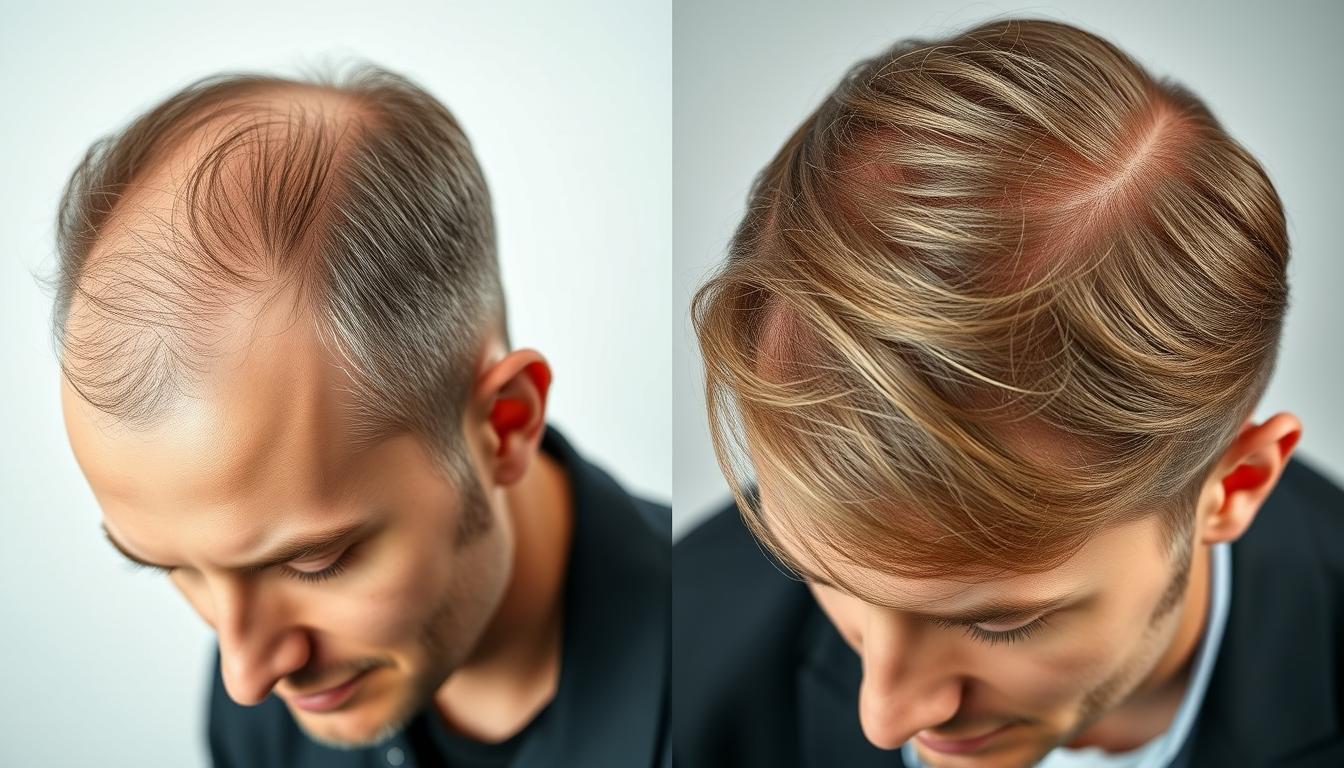
This guide is perfect for anyone looking to tackle hair loss using gentle, effective methods.
We’ll walk through how to identify what’s really causing your hair to fall out, explore powerful natural treatments you can make at home, and share simple daily habits that protect your existing hair.
You’ll also learn why managing stress plays a huge role in keeping your hair strong and healthy.
Identify Root Causes of Hair Fall
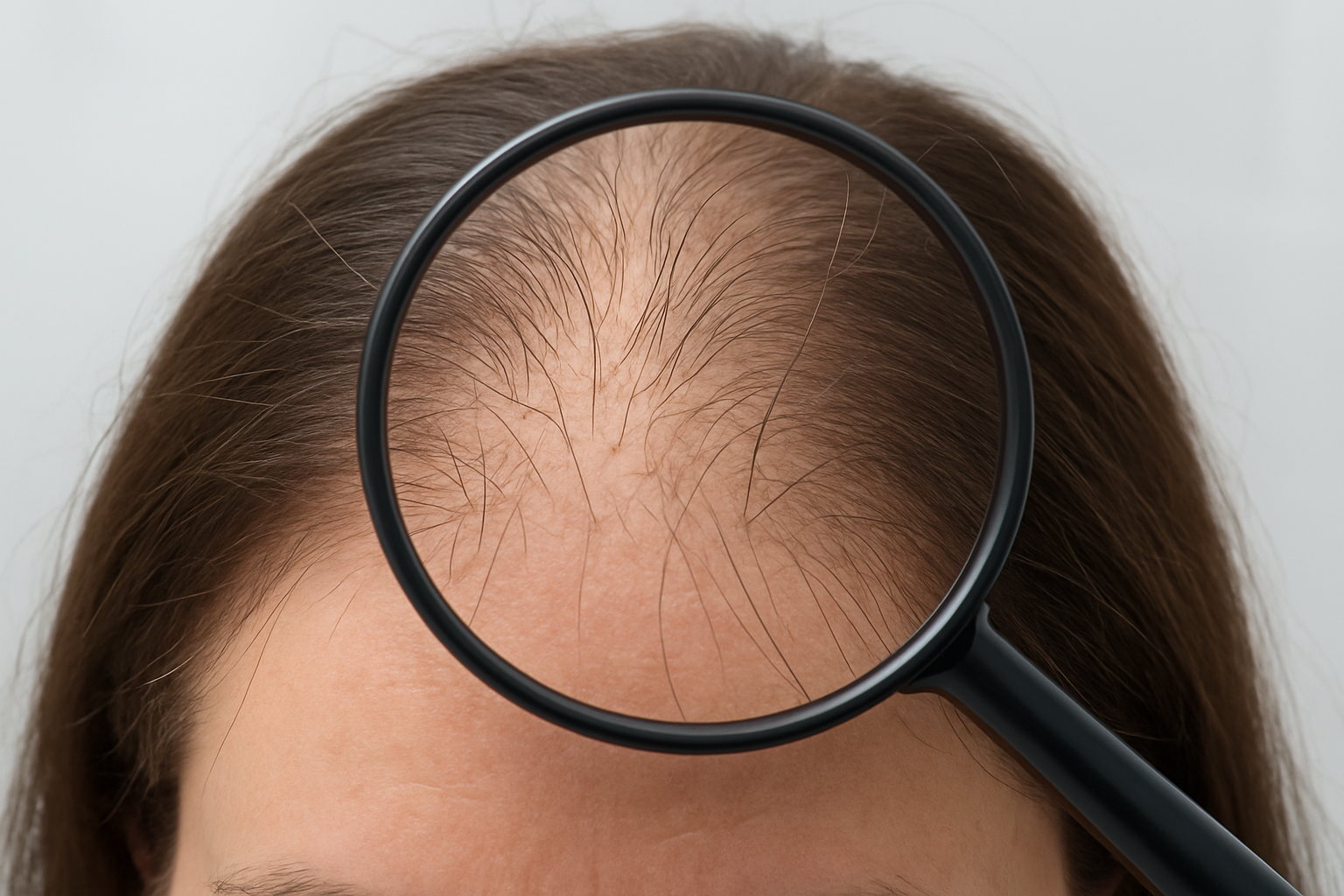
Your hormones play a huge role in determining whether your hair stays put or ends up on your pillow. When hormones get out of whack, your hair follicles are often the first to feel the impact.
The main culprits include androgens like DHT (dihydrotestosterone), which can shrink hair follicles and shorten the hair growth cycle.
Women often notice increased hair fall during pregnancy, postpartum, or menopause due to fluctuating estrogen and progesterone levels.
PCOS (polycystic ovary syndrome) is another major player, causing elevated androgen levels that lead to thinning hair on the scalp while promoting unwanted facial hair growth.
For More Information Contact Us : 91 7338671338
Men typically deal with androgenetic alopecia, where DHT sensitivity causes the classic male pattern baldness. Thyroid disorders also wreak havoc on hair health – both hyperthyroidism and hypothyroidism can cause diffuse hair thinning and loss.
Watch for these signs: sudden changes in hair texture, thinning at the temples or crown, irregular menstrual cycles, unexplained weight changes, or fatigue.
Getting hormone levels checked through blood tests can reveal imbalances that need addressing through lifestyle changes, supplements, or medical intervention.
Detect Nutritional Deficiencies Weakening Hair Follicles
Hair follicles are metabolically active and need a steady supply of nutrients to produce strong, healthy strands. When your body lacks essential vitamins and minerals, it redirects resources away from hair growth to more vital functions.
Iron deficiency stands as the most common nutritional cause of hair loss, especially in women. Your hair follicles need iron to produce hemoglobin, which carries oxygen to cells. Low ferritin levels (iron storage) can trigger telogen effluvium, where hair prematurely enters the shedding phase.
Key nutrients for hair health:
Protein: Hair is primarily made of keratin, a protein
B-vitamins: Especially biotin, B12, and folate for cell division
Vitamin D: Helps create new hair follicles
Zinc: Essential for hair tissue growth and repair
Omega-3 fatty acids: Keep hair shiny and reduce inflammation
Poor eating habits, restrictive diets, digestive issues, or medical conditions can lead to deficiencies. Vegetarians and vegans need to pay extra attention to B12, iron, and protein intake. Crash diets often trigger hair loss 2-3 months later due to sudden nutritional restrictions.
Assess Stress Levels Impacting Hair Health
Stress doesn’t just affect your mood – it directly impacts your hair growth cycle. When you’re stressed, your body produces cortisol, which can push hair follicles into the resting phase prematurely. This leads to increased shedding about 2-3 months after the stressful event.
Three main types of stress-related hair loss exist:
| Type | Characteristics | Recovery Time |
|---|---|---|
| Telogen Effluvium | Diffuse thinning, increased shedding | 3-6 months |
| Alopecia Areata | Patchy hair loss | Variable |
| Trichotillomania | Compulsive hair pulling | Depends on behavior change |
Physical stresses like surgery, illness, high fever, or dramatic weight loss can trigger hair fall. Emotional stress from work, relationships, or major life changes affects hair too. Even positive stress like moving or starting a new job can cause temporary hair loss.
Chronic stress creates a perfect storm by disrupting sleep, affecting nutrient absorption, and triggering inflammation throughout the body. Your hair pays the price for this internal chaos.
Evaluate Hair Care Habits Causing Damage

Sometimes the problem isn’t internal – it’s sitting right there in your bathroom cabinet. Many common hair care practices gradually weaken your hair shaft and damage follicles without you realizing it.
Heat styling tools are major offenders. Blow dryers, straighteners, and curling irons can reach temperatures over 400°F, literally cooking your hair proteins and causing breakage that looks like hair loss. Chemical treatments like perms, relaxers, and frequent coloring strip away protective layers and weaken hair structure.
Your daily routine matters too. Brushing wet hair when it’s most vulnerable, using tight elastic bands, or sleeping with hair in tight ponytails creates mechanical stress on follicles. Overwashing strips natural oils, while underwashing leads to buildup that clogs follicles.
Common damaging habits include:
Brushing aggressively or when hair is soaking wet
Using hot water for washing (strips natural oils)
Towel-drying by rubbing vigorously
Wearing tight hairstyles daily
Using products with harsh sulfates or alcohols
Skipping heat protectant before styling
Getting chemical treatments too frequently
Even well-meaning protective styles can cause traction alopecia if they’re too tight or worn continuously. The key is finding balance between styling your hair and preserving its health.
Nourish Your Hair from Within

Incorporate protein-rich foods for stronger hair strands
Hair is essentially made of protein, specifically keratin, so getting enough protein in your diet directly impacts your hair’s strength and structure.
When you don’t eat enough protein, your body redirects what little it has to essential functions, leaving your hair weak and prone to breakage.
The best protein sources for hair health include eggs, which contain all essential amino acids your hair needs. Fish like salmon and mackerel provide high-quality protein along with beneficial omega-3s. Lean meats, poultry, and Greek yogurt are excellent choices too. For plant-based options, try lentils, quinoa, nuts, and seeds.
Aim for about 0.8 grams of protein per kilogram of body weight daily. If you’re experiencing significant hair loss, you might need slightly more. Spread your protein intake throughout the day rather than loading up on one big meal.
Add iron and zinc sources to prevent hair thinning
Iron deficiency is one of the most common nutritional causes of hair loss, especially in women. Your hair follicles need iron to produce healthy hair cells, and when levels drop, hair growth slows down and existing strands become fragile.
Foods rich in iron include:
Red meat and organ meats
Dark leafy greens like spinach and kale
Beans and lentils
Pumpkin seeds
Dark chocolate
Zinc plays a crucial role in hair tissue growth and repair. It also helps keep the oil glands around hair follicles working properly. Oysters are the richest source, but you can also get zinc from beef, pumpkin seeds, chickpeas, and cashews.
Pro tip: Combine iron-rich foods with vitamin C sources like citrus fruits or bell peppers to boost absorption.
Include omega-3 fatty acids for scalp health
Your scalp needs healthy fats to stay moisturized and support strong hair growth. Omega-3 fatty acids reduce inflammation that can contribute to hair loss and keep your scalp in optimal condition.
The best sources include:
Fatty fish like salmon, sardines, and mackerel
Walnuts and flaxseeds
Chia seeds
Avocados
These healthy fats also help your body absorb fat-soluble vitamins that are important for hair health. If you’re not getting enough omega-3s from food, consider a high-quality fish oil supplement after consulting with your healthcare provider.
Boost vitamin intake for optimal hair growth
Several vitamins play key roles in hair health. Vitamin D helps create new hair follicles, and many people with hair loss have low vitamin D levels. You can get it from sunlight, fatty fish, and fortified foods.
B vitamins, especially biotin and B12, support hair growth and strength. Eggs, leafy greens, and whole grains are great sources. Vitamin A helps produce sebum, the natural oil that keeps your scalp healthy, while vitamin C aids iron absorption and collagen production.
Rather than taking random supplements, focus on eating a colorful variety of fruits and vegetables to get a full spectrum of vitamins naturally.
Stay hydrated for healthy hair follicles
Water makes up about 25% of each hair strand, so staying hydrated is essential for strong, flexible hair. When you’re dehydrated, your hair becomes dry, brittle, and more likely to break.
Aim for 8-10 glasses of water daily, more if you’re active or live in a hot climate. You can also boost hydration through water-rich foods like cucumbers, watermelon, and leafy greens. Herbal teas count toward your fluid intake too.
Signs you need more water include dry scalp, lackluster hair, and increased hair breakage. Your hair follicles need adequate hydration to function properly and produce healthy new growth.
Apply Natural Hair Treatments
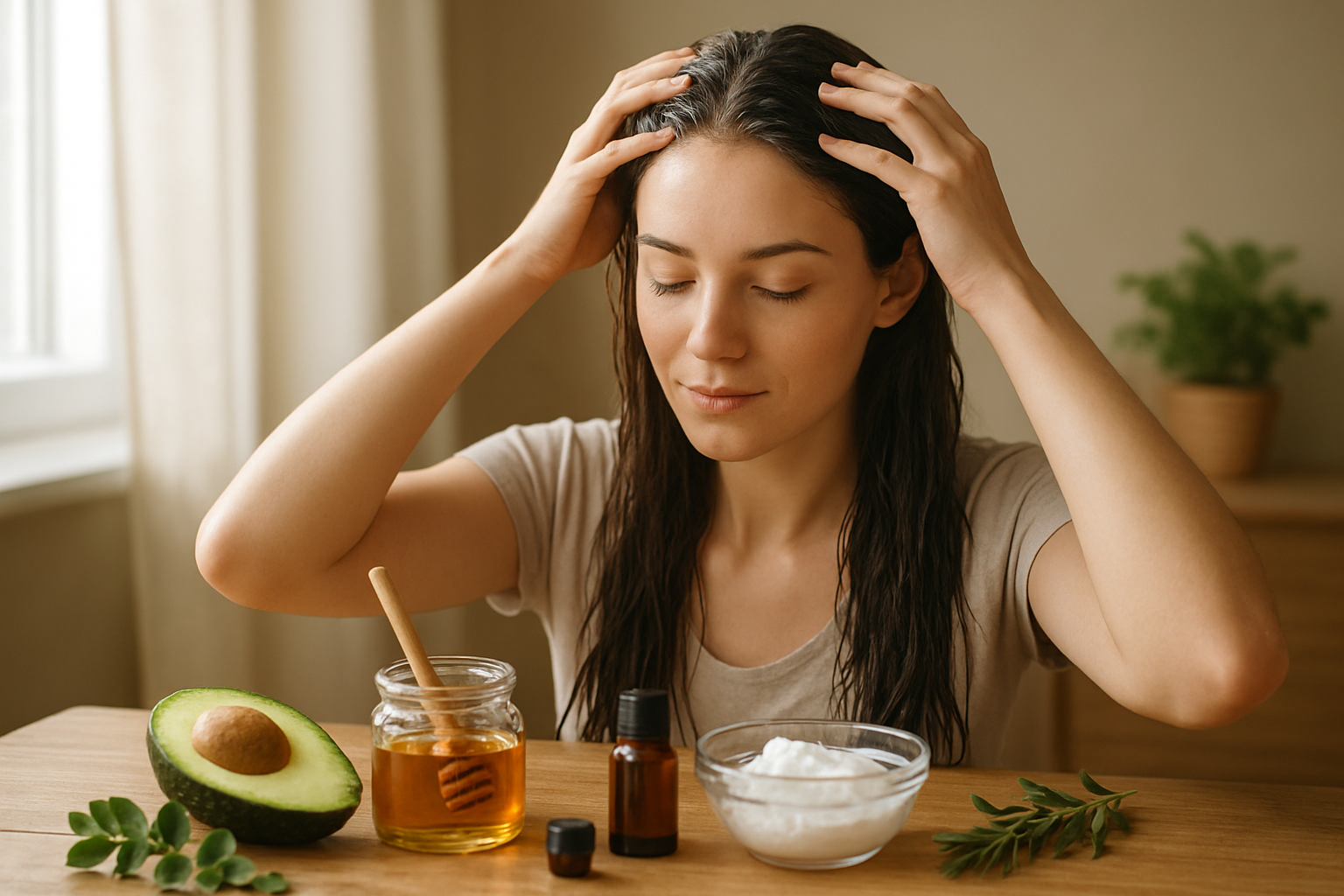
Use coconut oil for deep conditioning and strength
Coconut oil penetrates the hair shaft better than most oils, making it perfect for strengthening weak, brittle strands. Warm 2-3 tablespoons of virgin coconut oil between your palms and work it through damp hair from mid-length to ends.
Focus on areas that feel particularly dry or damaged. Leave the treatment on for at least 30 minutes, or overnight for maximum benefits. The lauric acid in coconut oil helps reduce protein loss from hair, while its antimicrobial properties keep your scalp healthy.
For best results, apply coconut oil treatments 2-3 times per week. You can enhance its effects by adding a few drops of rosemary or peppermint essential oil to boost circulation. Always shampoo thoroughly after treatment to avoid greasy buildup.
Apply aloe vera gel to soothe irritated scalp
Fresh aloe vera gel works wonders for scalp inflammation and irritation that often contribute to hair fall.
The gel contains proteolytic enzymes that repair dead skin cells on the scalp while its anti-inflammatory properties calm redness and itching. Extract gel directly from an aloe leaf or use 100% pure aloe vera gel from the store.
Apply the cool gel directly to your scalp using your fingertips, massaging gently in circular motions. Pay special attention to areas that feel tender or show signs of irritation.
Leave the gel on for 20-30 minutes before rinsing with cool water. The natural pH balance of aloe vera helps maintain scalp health while promoting a clean environment for hair growth.
Create egg masks for protein-rich hair repair
Eggs pack serious protein power for damaged hair that’s prone to breaking and falling out. The proteins in eggs help fill in gaps in damaged hair cuticles, making strands stronger and more resilient. Beat 1-2 whole eggs (depending on your hair length) and apply the mixture to clean, damp hair.
Work the egg mask from roots to tips, ensuring even coverage. Cover your hair with a shower cap and let the mask sit for 20 minutes. Rinse thoroughly with cool water – hot water will cook the egg and make it difficult to remove.
For extra nourishment, mix the egg with a tablespoon of honey or olive oil. Use this protein treatment once weekly to rebuild hair strength and reduce breakage.
For More Information Contact Us : 91 7338671338
Massage with essential oils to stimulate growth
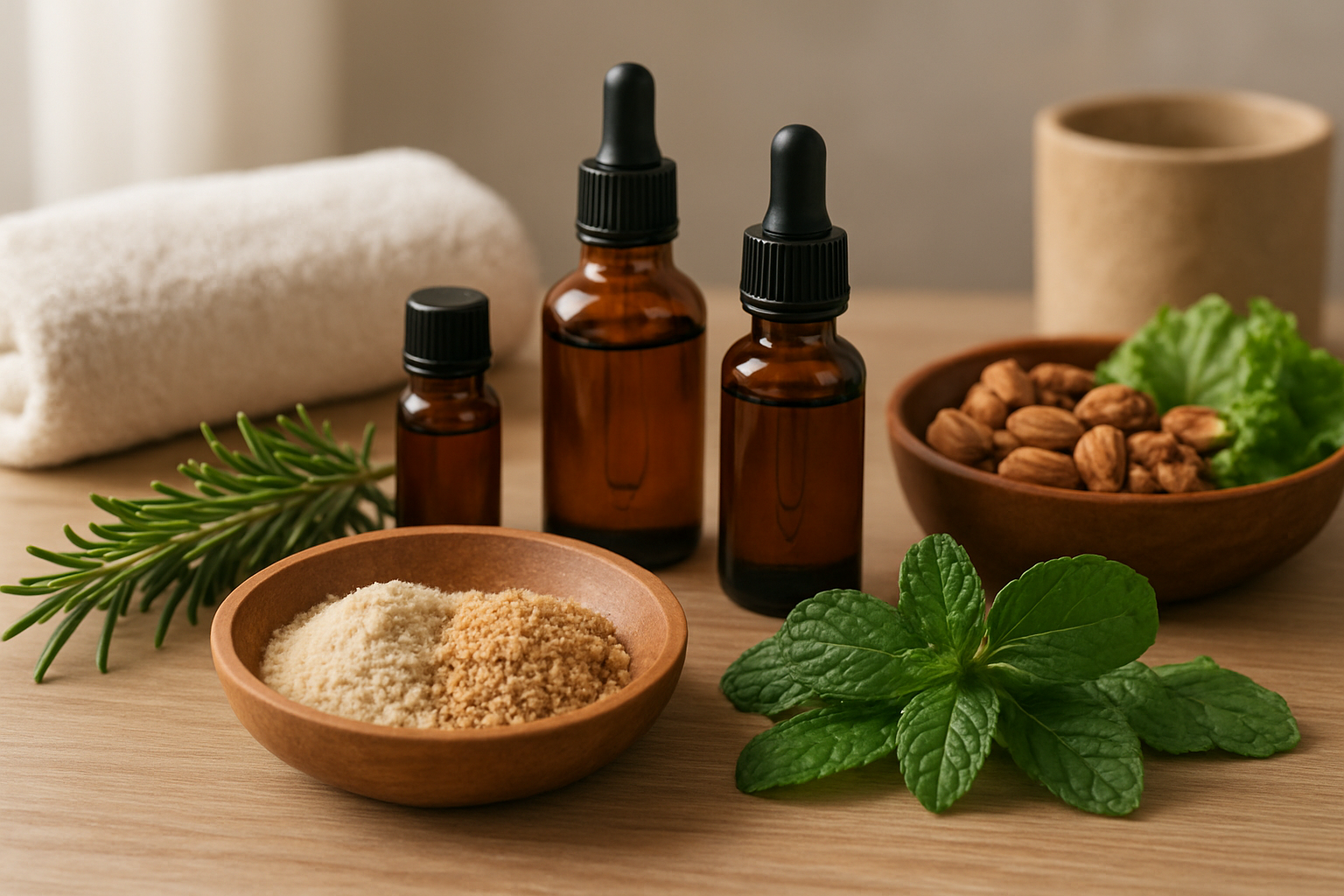
Essential oil scalp massages increase blood flow to hair follicles, delivering nutrients needed for healthy growth. Rosemary oil has shown promising results in studies, performing as well as minoxidil for hair regrowth.
Peppermint oil creates a cooling sensation that stimulates circulation, while lavender oil promotes relaxation and may support the hair growth cycle.
Mix 3-4 drops of your chosen essential oil with a carrier oil like jojoba or sweet almond oil. Using your fingertips, massage the blend into your scalp with firm, circular motions for 5-10 minutes.
The massage action alone helps distribute natural oils and removes buildup that can clog follicles. Perform these massages 3-4 times weekly, preferably in the evening to allow the oils to work overnight.
Adopt Gentle Hair Care Practices
Your scalp produces natural oils called sebum that keep your hair healthy and protected. Sulfates, the harsh detergents found in most commercial shampoos, strip away these essential oils along with dirt and buildup. This leaves your hair dry, brittle, and more prone to breaking.
Sulfate-free shampoos clean your hair using gentler ingredients that remove impurities without disrupting your scalp’s natural balance. Look for shampoos containing mild cleansers like cocamidopropyl betaine or sodium cocoyl isethionate.
These ingredients clean effectively while maintaining your hair’s moisture barrier.
When switching to sulfate-free products, expect an adjustment period of 2-3 weeks. Your hair might feel different initially as it adapts to retaining more natural oils. Many people notice their hair becomes softer, shinier, and less prone to tangling after making the switch.
Reduce heat styling to prevent hair breakage
Heat styling tools can reach temperatures over 400°F, which damages the protein structure of your hair shaft. Regular use of blow dryers, flat irons, and curling tools weakens hair fibers, leading to split ends and breakage that contributes to overall hair loss.
When you must use heat styling tools, apply a heat protectant spray first and keep temperatures below 300°F. Air-dry your hair whenever possible, and embrace natural textures.
Try heat-free styling methods like braiding damp hair for waves, using foam rollers, or twist-outs for curls.
Replace daily heat styling with these alternatives:
Overnight braids or buns for textured styles
Silk scarves for smooth, sleek looks
Root lifting sprays for volume without blow drying
Leave-in conditioners for natural curl enhancement
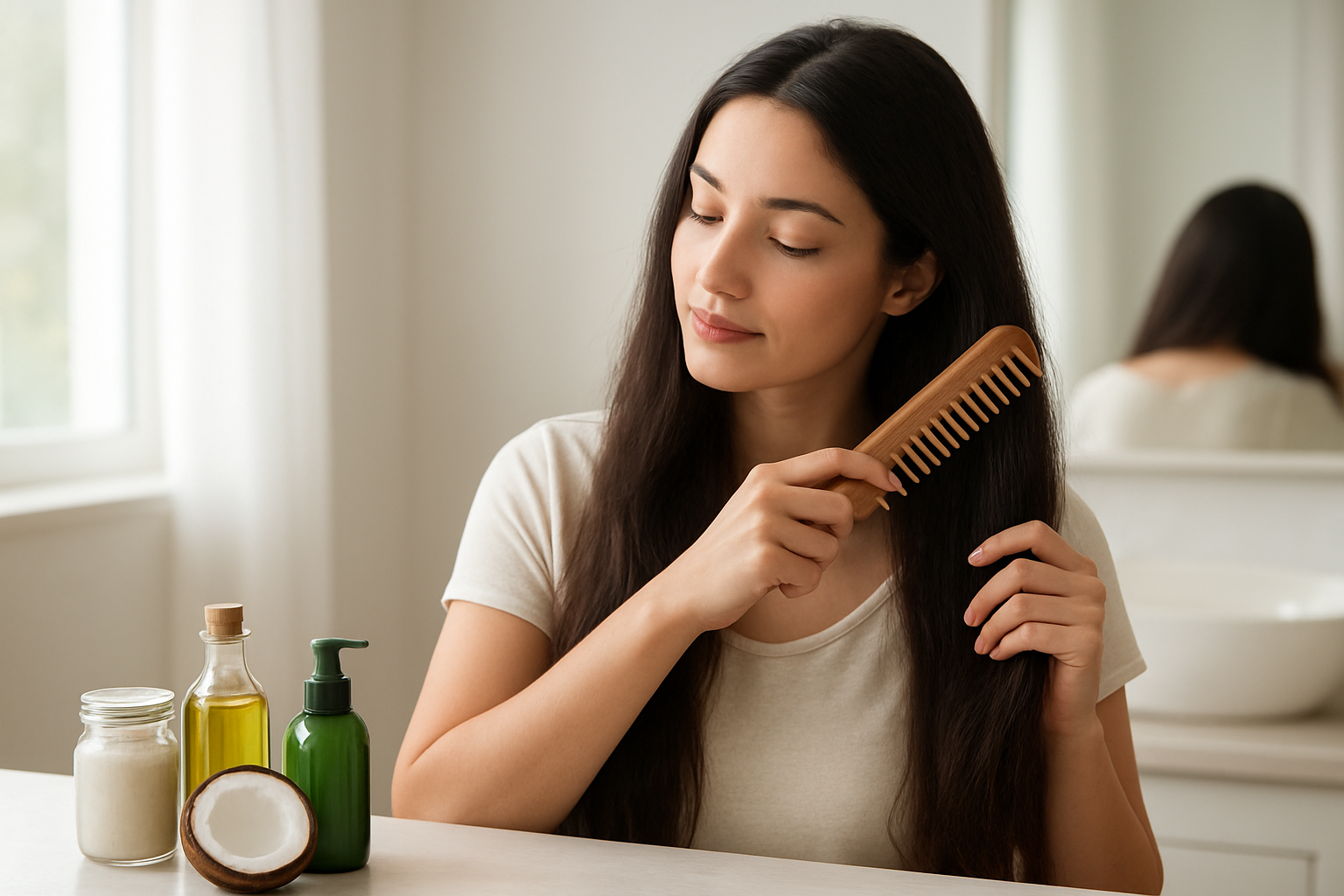
Use wide-tooth combs to minimize pulling
Regular brushes with closely-spaced bristles can grab and pull at tangled hair, causing unnecessary breakage and stress on hair follicles. Wide-tooth combs allow you to work through knots gently, reducing the force applied to each strand.
Start detangling from the ends of your hair and work your way up to the roots. This prevents knots from tightening and reduces the pulling sensation on your scalp. Never brush or comb wet hair aggressively, as wet hair is at its most vulnerable state and stretches easily.
Choose combs made from smooth materials like seamless plastic or wood. Avoid metal combs that can create static or snag on hair cuticles. Keep a wide-tooth comb in your shower to distribute conditioner evenly through your hair before rinsing.
Sleep on silk pillowcases to reduce friction
Cotton pillowcases create friction that can rough up your hair cuticles and cause tangles while you sleep. The rough texture grabs at hair strands as you move your head, leading to breakage and morning bedhead that requires more aggressive brushing.
Silk pillowcases have a smooth surface that allows your hair to glide freely as you move during sleep. This reduces friction, helps maintain your hairstyle longer, and prevents the formation of knots and tangles.
Silk also doesn’t absorb moisture like cotton does, helping your hair retain its natural oils and any leave-in treatments you’ve applied.
If silk feels too expensive, satin pillowcases offer similar benefits at a lower cost. You can also wrap your hair in a silk or satin scarf before bed for the same protective effect.
Manage Stress for Better Hair Health

Practice Meditation to Lower Cortisol Levels
Chronic stress triggers your body to produce excessive cortisol, a hormone that directly attacks hair follicles and disrupts the natural growth cycle.
When cortisol levels remain elevated for extended periods, hair follicles enter a resting phase prematurely, leading to increased shedding and thinning.
Meditation acts as a powerful antidote by activating your body’s relaxation response. Just 10-15 minutes of daily meditation can significantly reduce cortisol production.
Start with simple breathing exercises – inhale for four counts, hold for four, then exhale for six. This pattern naturally calms your nervous system.
For More Information Contact Us : 91 7338671338
Try mindfulness meditation by focusing on present-moment sensations without judgment. Apps like Headspace or Calm provide guided sessions perfect for beginners.
Progressive muscle relaxation works exceptionally well too – systematically tense and release muscle groups from your toes to your scalp.
The key lies in consistency rather than duration. Even five minutes daily produces measurable benefits. Research shows regular meditators have 23% lower cortisol levels than non-practitioners.
Exercise Regularly to Improve Blood Circulation
Physical activity supercharges blood flow to your scalp, delivering essential nutrients and oxygen directly to hair follicles. Poor circulation starves follicles of the resources they need for healthy growth, while regular exercise creates an optimal environment for hair regeneration.
Cardiovascular exercises like brisk walking, cycling, or swimming pump nutrient-rich blood throughout your body. Aim for 150 minutes of moderate exercise weekly – that’s just 30 minutes, five days a week.
Specific scalp exercises amplify these benefits. Try neck rolls, shoulder shrugs, and gentle head massages during your cool-down routine. Yoga poses like downward dog and headstands temporarily increase blood flow to the scalp area.
| Exercise Type | Benefits for Hair | Frequency |
|---|---|---|
| Cardio | Improves overall circulation | 30 min, 5x/week |
| Yoga | Reduces stress, increases scalp blood flow | 3-4x/week |
| Scalp massage | Direct follicle stimulation | Daily, 5-10 minutes |
| Strength training | Balances hormones | 2-3x/week |
Don’t forget that exercise also helps regulate hormones like DHT (dihydrotestosterone), which contributes to pattern hair loss when levels become imbalanced.
Maintain Consistent Sleep Schedules for Hair Regeneration
Your hair follicles work overtime during sleep, using this restorative period for cell division and growth. Hair actually grows fastest between 10 PM and 2 AM when growth hormone production peaks. Disrupted sleep patterns interfere with this natural regeneration cycle.
Sleep deprivation elevates stress hormones and reduces the production of melatonin, which protects hair follicles from damage. People who sleep less than six hours nightly show 25% more hair loss than those getting seven to nine hours.
Create a sleep-friendly environment by keeping your bedroom cool (65-68°F) and completely dark. Blue light from screens suppresses melatonin production, so power down devices at least one hour before bedtime. Instead, try reading or gentle stretching.
Establish a consistent bedtime routine: same sleep and wake times every day, even on weekends. Your circadian rhythm thrives on predictability. A warm bath with lavender oil or chamomile tea can signal your body that it’s time to wind down.
Quality matters as much as quantity. Deep sleep stages trigger maximum growth hormone release. If you’re waking frequently or feeling unrested despite adequate hours, consider factors like room temperature, mattress quality, or potential sleep disorders.
Remember that managing stress plays a huge role in your hair’s health too. When you combine good nutrition, natural treatments, gentle care routines, and stress management, you’re giving your hair the best chance to thrive.
Start with one or two changes that feel manageable, and gradually build your natural hair care routine. Your hair will thank you for the patience and consistent car