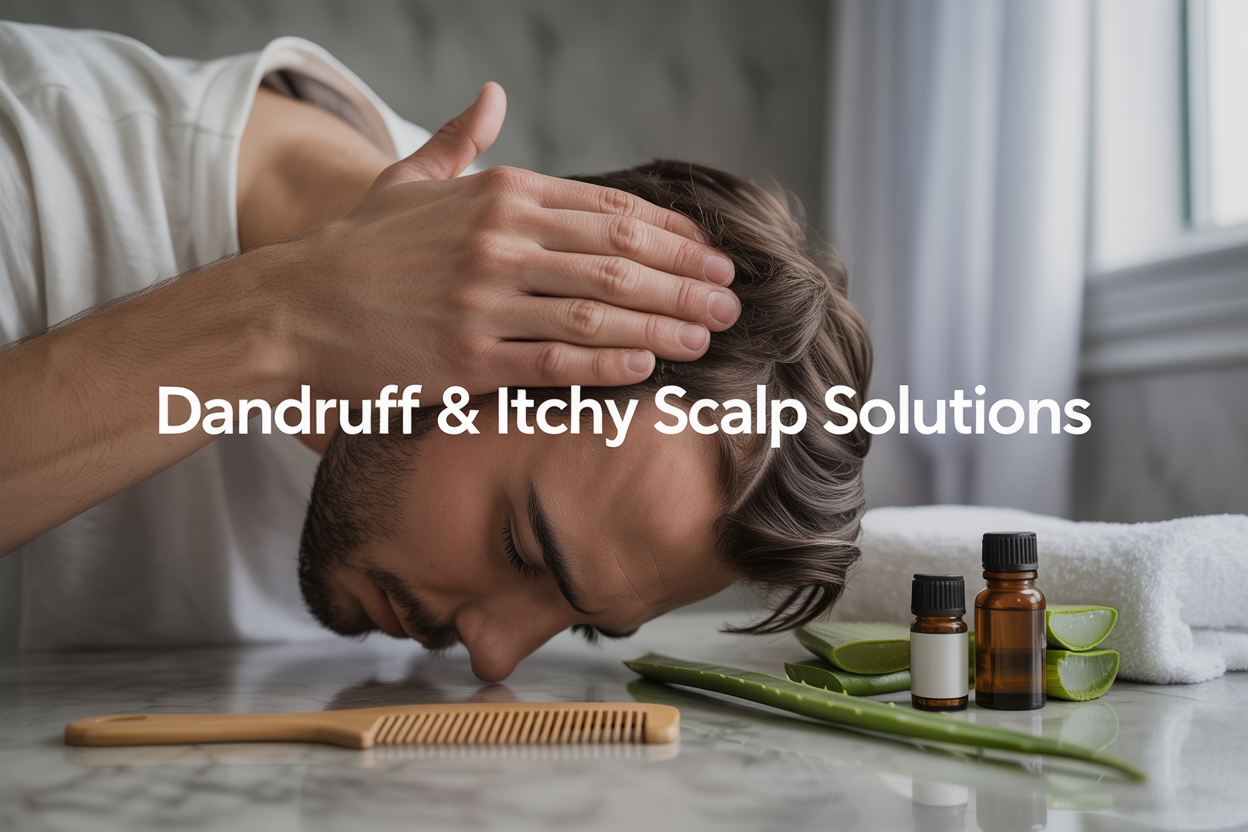
Dealing with dandruff and itchy scalp can be frustrating and embarrassing. This guide is for anyone struggling with flakes, irritation, or constant scratching who wants effective solutions that actually work.
You’ll discover what’s really causing your scalp problems and learn to identify your specific condition type. We’ll cover both professional treatments from dermatologists and proven home remedies you can try today. Plus, you’ll get practical tips for adjusting your daily hair care routine and preventing future flare-ups.
Understanding Dandruff and Itchy Scalp Causes
Common Fungal and Bacterial Triggers
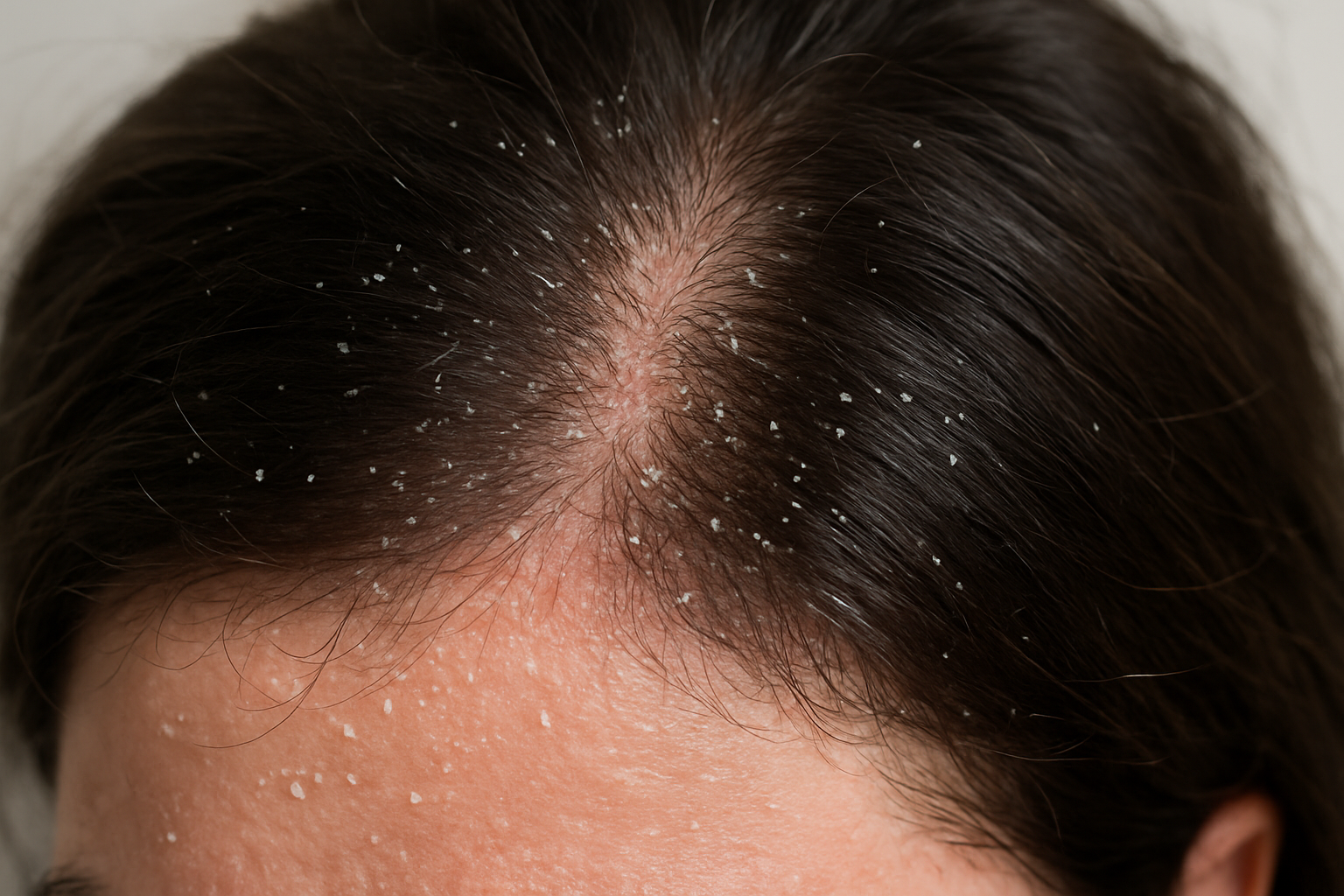
The most notorious culprit behind persistent dandruff is Malassezia, a naturally occurring yeast that lives on everyone’s scalp.
When this fungus overgrows, it feeds on the oils your skin produces, creating irritating byproducts that trigger inflammation and accelerated skin cell turnover. This process causes the characteristic white, flaky scales we recognize as dandruff.
Bacterial imbalances also play a significant role. When your scalp’s natural microbiome gets disrupted, harmful bacteria can flourish while beneficial ones decline.
Staphylococcus and Propionibacterium species can multiply rapidly in oily conditions, leading to inflammation, itching, and persistent scalp irritation.
Several factors encourage these microbial overgrowths:
Excessive oil production creates the perfect feeding ground
Poor hygiene practices allow buildup of dead skin cells and oils
Compromised immune function reduces your body’s ability to maintain microbial balance
Humid environments provide ideal growing conditions for fungi and bacteria
Hormonal Imbalances Affecting Scalp Health
Your hormones directly influence how much oil your scalp produces, making hormonal fluctuations a major contributor to dandruff and itching. Androgens like testosterone stimulate sebaceous glands to produce more sebum, creating an environment where Malassezia thrives.
Women often notice scalp issues during specific life phases:
| Life Stage | Hormonal Changes | Scalp Effects |
|---|---|---|
| Puberty | Rising androgen levels | Increased oil production |
| Menstrual cycle | Fluctuating estrogen/progesterone | Periodic flare-ups |
| Pregnancy | Elevated estrogen | Often improved conditions |
| Menopause | Declining estrogen | Drier scalp, potential irritation |
Men typically experience more consistent androgen-related scalp issues throughout adulthood, with DHT (dihydrotestosterone) being particularly problematic for both hair loss and scalp inflammation.
Thyroid disorders can also affect scalp health. Hypothyroidism often leads to dry, flaky skin conditions, while hyperthyroidism can increase oil production and sensitivity.
Product Buildup and Chemical Irritation
Your well-meaning hair care routine might actually be causing your scalp problems. Many commercial shampoos, conditioners, and styling products contain ingredients that can irritate sensitive scalps or create buildup over time.
Common irritating ingredients include:
Sodium lauryl sulfate (SLS) and harsh detergents
Parabens and formaldehyde-releasing preservatives
Artificial fragrances and dyes
Alcohol-based products that over-dry the scalp
Heavy silicones that prevent proper cleansing
Product buildup happens gradually. Each time you use products containing non-water-soluble ingredients, a thin layer remains on your scalp and hair. Over weeks and months, this accumulation:
Clogs hair follicles and scalp pores
Creates a barrier that traps oil and dead skin cells
Provides nutrients for bacterial and fungal growth
Prevents natural scalp oils from distributing properly
Even “gentle” or “natural” products can cause problems if they contain botanical extracts you’re allergic to or if they’re not properly formulated for your scalp type.
Stress and Lifestyle Factors
Your daily habits and stress levels have a more profound impact on scalp health than most people realize. Chronic stress triggers a cascade of physiological changes that directly affect your scalp’s condition.
When you’re stressed, your body produces excess cortisol, which:
Increases inflammation throughout your body, including your scalp
Disrupts your skin’s natural barrier function
Alters oil production patterns
Weakens your immune system’s ability to control microbial populations
Lifestyle factors that worsen scalp conditions:
Poor sleep quality impairs skin repair and regeneration
High-sugar diets feed inflammatory processes and fungal growth
Lack of exercise reduces blood circulation to the scalp
Smoking restricts blood flow and depletes nutrients
Excessive alcohol consumption dehydrates skin and disrupts liver function
Frequent hat wearing creates warm, moist conditions ideal for microbes
Environmental stressors also matter. Air pollution, harsh weather conditions, and exposure to chlorinated water can all compromise your scalp’s natural protective barriers, making it more susceptible to irritation and infection.
Diet plays a crucial role too. Deficiencies in zinc, B vitamins, or omega-3 fatty acids can manifest as scalp problems, while excessive dairy or processed foods may trigger inflammatory responses in sensitive individuals.
Identifying Your Scalp Condition Type
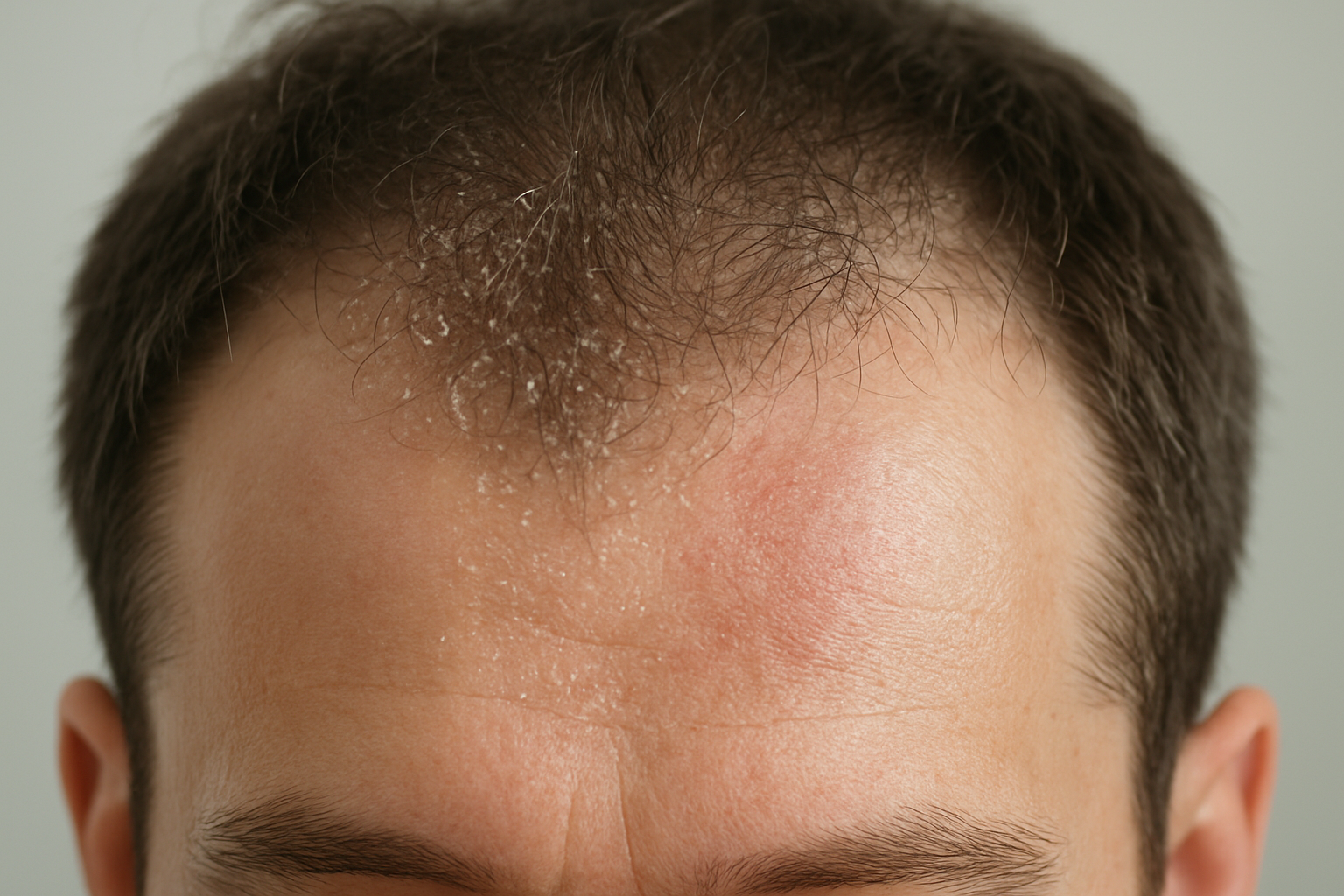
Understanding the difference between dry scalp and oily dandruff is crucial for choosing the right treatment approach. These two conditions often get confused because they both produce visible flakes, but they require completely different care strategies.
Dry Scalp Characteristics:
Small, fine white flakes that easily brush away
Tight, uncomfortable feeling on the scalp
Itching that worsens after washing
Hair appears dull and lacks natural shine
Scalp feels rough or scaly to touch
Symptoms often worsen in cold, dry weather
Oily Dandruff (Seborrheic Dermatitis) Signs:
Larger, yellowish flakes that stick to hair and scalp
Greasy, oily appearance at the roots
Persistent itching that may worsen throughout the day
Red, inflamed patches on the scalp
Strong, sometimes unpleasant scalp odor
Hair looks greasy even shortly after washing
| Condition | Flake Size | Scalp Feel | Hair Appearance | Weather Impact |
|---|---|---|---|---|
| Dry Scalp | Small, fine | Tight, rough | Dull, brittle | Worse in winter |
| Oily Dandruff | Large, sticky | Greasy, inflamed | Oily at roots | Worse in humidity |
Seasonal Flare-ups and Pattern Recognition
Scalp conditions follow predictable seasonal patterns that can help you prepare and adjust your treatment routine accordingly. Recognizing these patterns allows you to be proactive rather than reactive in managing your scalp health.
Winter Challenges:
Dry scalp conditions typically peak during colder months when indoor heating reduces humidity levels. You’ll notice increased flaking, tightness, and itching as your scalp loses moisture.
Hair static becomes more common, and flakes appear more visible against dark winter clothing.
Summer Complications:
Oily dandruff tends to flare up during warmer, more humid months. Increased sweating and higher oil production create the perfect environment for yeast overgrowth. Swimming in chlorinated pools or salt water can also trigger scalp irritation in sensitive individuals.
Transition Periods:
Spring and fall often bring mixed symptoms as your scalp adjusts to changing weather conditions. You might experience temporary increases in both dryness and oiliness as your scalp recalibrates its natural oil production.
Stress-Related Patterns:
Beyond seasonal changes, many people notice scalp issues coincide with stressful life events, hormonal changes, or dietary shifts. Keep track of when flare-ups occur to identify personal triggers that go beyond weather patterns.
Severity Assessment for Treatment Selection
Accurately assessing the severity of your scalp condition helps determine whether you need over-the-counter solutions or professional intervention. This evaluation saves time and money by directing you toward the most effective treatment level.
Mild Condition Indicators:
Occasional flaking that responds well to gentle shampooing
Minimal itching that doesn’t disrupt daily activities
No visible redness or inflammation
Symptoms appear sporadically rather than persistently
Standard hair care products provide adequate relief
Moderate Condition Signs:
Daily or frequent flaking despite regular washing
Persistent itching that causes discomfort
Mild redness or sensitivity in affected areas
Symptoms interfere with confidence or social situations
Over-the-counter products provide temporary but incomplete relief
Severe Condition Symptoms:
Thick, crusty patches that are difficult to remove
Intense itching that disrupts sleep or concentration
Significant redness, inflammation, or bleeding from scratching
Hair loss in affected areas
Symptoms spread beyond the scalp to eyebrows, beard, or other areas
No improvement with standard treatments after 4-6 weeks
Professional consultation becomes necessary when dealing with moderate to severe conditions, especially if symptoms worsen or don’t respond to initial treatment attempts.
Professional Treatment Options
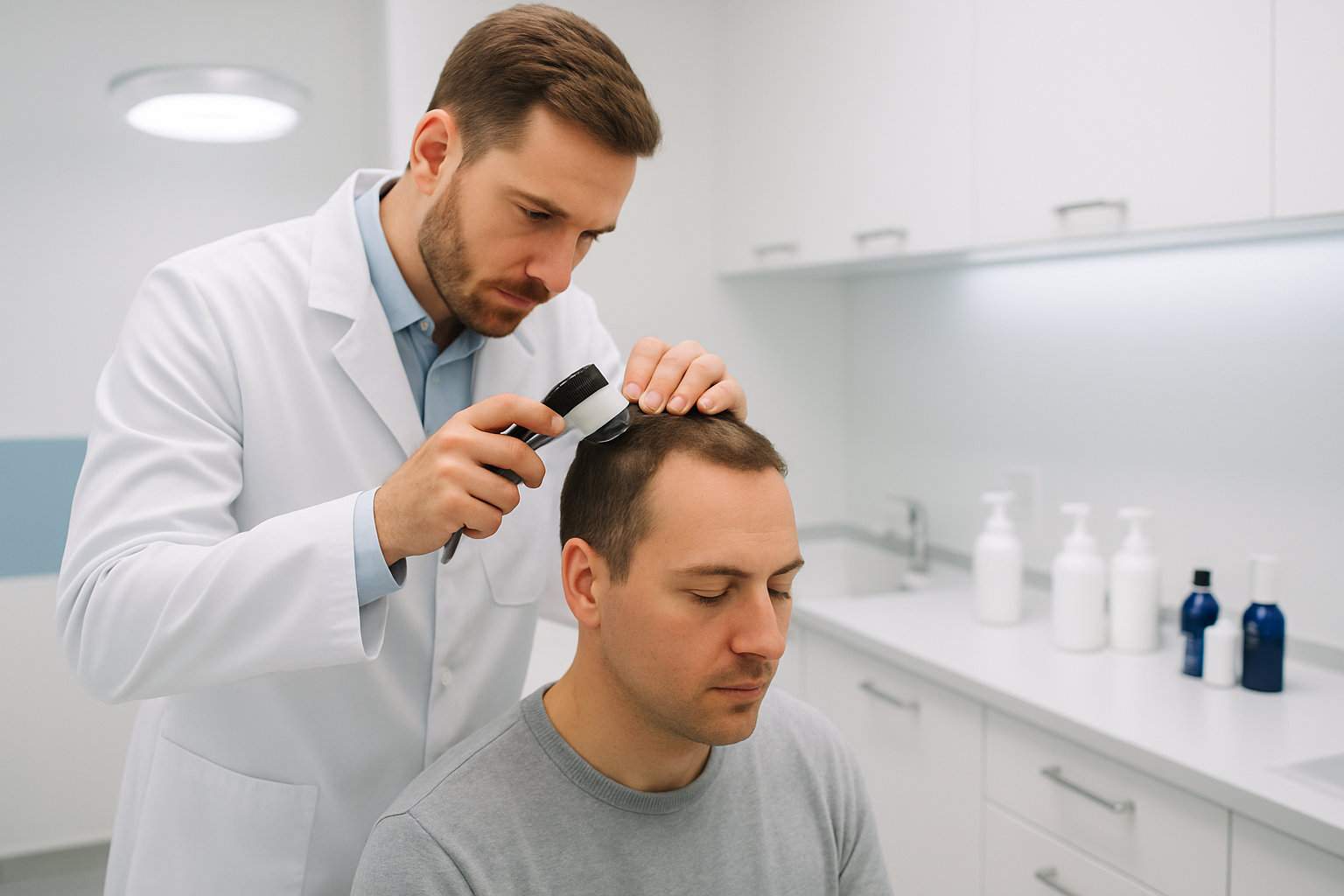
Different active ingredients target specific scalp conditions, so choosing the right medicated shampoo makes all the difference.
Ketoconazole (found in Nizoral) works as an antifungal powerhouse, crushing the yeast that feeds on scalp oils and creates those stubborn flakes. You’ll find this ingredient particularly effective for seborrheic dermatitis and persistent dandruff that won’t budge with regular shampoos.
Zinc pyrithione shows up in Head & Shoulders and other drugstore brands, offering broad-spectrum antifungal and antibacterial action. This gentle yet effective ingredient reduces both flaking and itching while being mild enough for daily use.
Selenium sulfide (Selsun Blue) slows down cell turnover on your scalp, giving your skin time to heal properly rather than constantly shedding.
For tougher cases, coal tar shampoos like T/Gel provide deep cleansing and anti-inflammatory benefits. The ingredient might smell strong, but it delivers serious results for psoriasis and severe seborrheic dermatitis.
Salicylic acid works differently by gently exfoliating built-up scales and dead skin, making it perfect when flakes feel thick and stubborn.
Start with 2-3 applications per week, gradually increasing frequency if your scalp tolerates it well. Always leave medicated shampoos on your scalp for 3-5 minutes before rinsing to allow the active ingredients time to work.
Prescription Treatments for Severe Cases
When over-the-counter options aren’t cutting it, dermatologists can prescribe stronger medications that pack more punch. Prescription ketoconazole (2% instead of 1%) offers double the antifungal strength for stubborn fungal infections that resist weaker formulations.
Topical corticosteroids like fluocinolone or betamethasone reduce inflammation fast, calming angry, red, itchy patches that make daily life miserable. These come as foams, solutions, or lotions that absorb quickly without leaving greasy residue. Your doctor might prescribe them for short-term use during flare-ups.
Ciclopirox (Loprox) shampoo combines antifungal and anti-inflammatory properties in one prescription formula. This ingredient penetrates deeper than many over-the-counter alternatives, making it valuable for treatment-resistant cases.
For severe psoriasis affecting the scalp, calcipotriene (Dovonex) helps normalize skin cell production. Sometimes doctors combine this with topical steroids for maximum effectiveness.
Immunomodulators like tacrolimus may be recommended when traditional treatments fail or aren’t suitable for long-term use.
Professional Scalp Treatments and Therapies
Professional treatments go beyond what you can achieve at home, using specialized equipment and techniques that provide deeper, longer-lasting results.
Deep scalp exfoliation treatments remove layers of buildup that regular washing can’t touch, often using professional-grade acids or enzyme treatments.
Oxygen therapy treatments infuse the scalp with pure oxygen, boosting circulation and creating an environment where healthy skin cells thrive while harmful bacteria and fungi struggle. Many clients notice immediate relief from itching and see gradual improvement in flaking over several sessions.
LED light therapy targets inflammation at the cellular level using specific wavelengths that promote healing. Red light reduces inflammation while blue light has antimicrobial properties, making this combination treatment effective for multiple scalp conditions simultaneously.
Professional scalp steaming opens pores and softens stubborn buildup before applying concentrated treatments. This prep work allows active ingredients to penetrate more effectively than they would on unprepared skin.
Microneedling for the scalp stimulates blood flow and can improve the absorption of topical medications. Some practitioners combine this with platelet-rich plasma (PRP) treatments for comprehensive scalp health improvement.
Treatment frequencies vary, but most professional therapies require 4-6 sessions spaced 2-3 weeks apart for optimal results, followed by monthly maintenance treatments.
Natural and Home Remedy Solutions
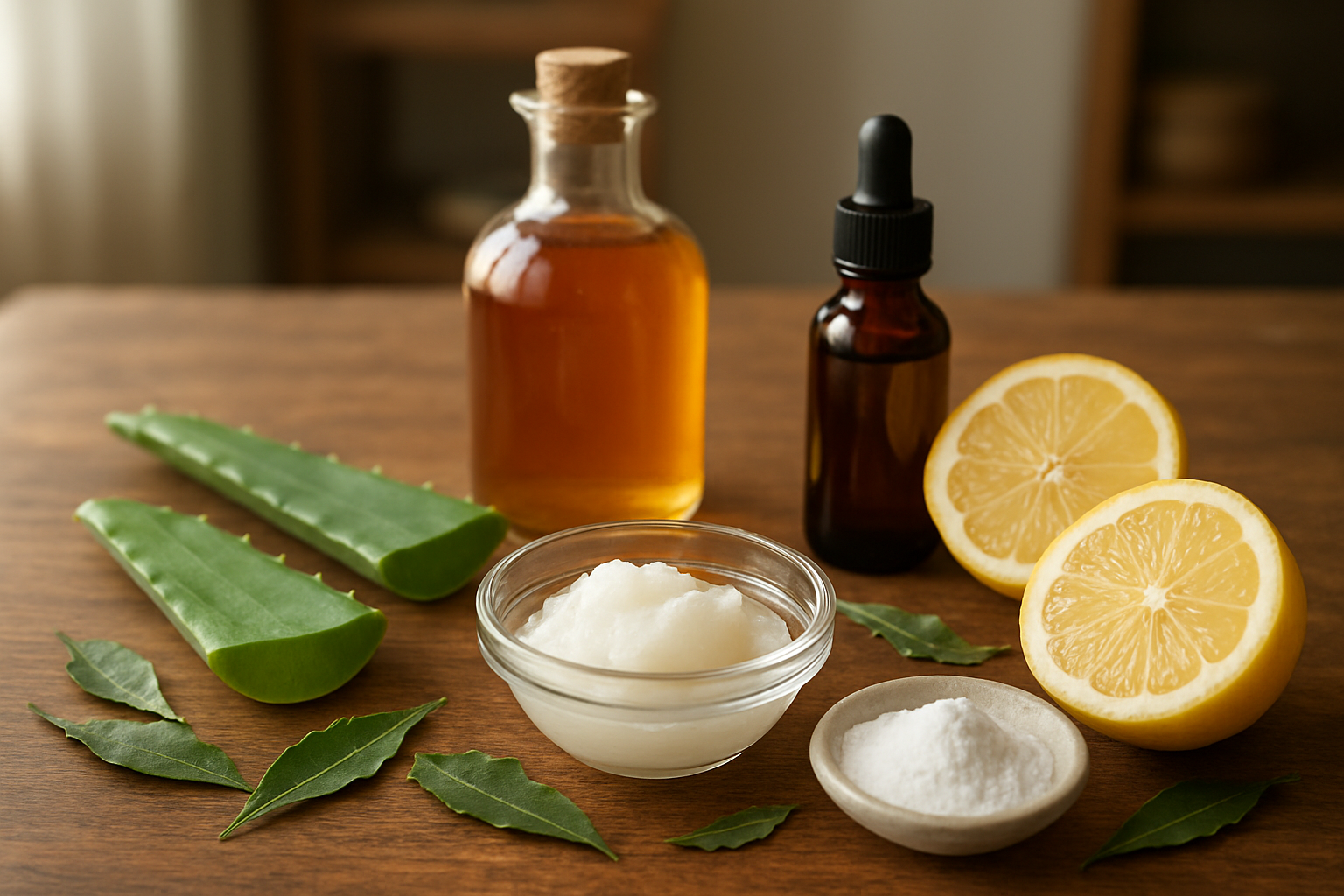
Tea tree oil stands out as one of the most powerful natural antifungal agents for treating dandruff. Mix 5-10 drops with a carrier oil like coconut or jojoba oil and massage into your scalp 20 minutes before washing. The antimicrobial properties help eliminate the yeast that often causes flaky skin.
Lavender oil brings dual benefits – it soothes irritation while promoting healthy hair growth. Add a few drops to your regular shampoo or create a scalp massage blend with sweet almond oil. The calming scent also helps reduce stress, which can worsen scalp conditions.
Rosemary oil improves circulation to the scalp, helping deliver nutrients that support healthy skin renewal. Create a weekly treatment by mixing 8 drops with 2 tablespoons of olive oil. Leave on for 30 minutes before shampooing.
Peppermint oil provides instant relief from itching with its cooling menthol content. Start with just 2-3 drops mixed with a carrier oil, as it can be quite potent. The tingling sensation indicates increased blood flow to treated areas.
DIY masks and rinses
Oatmeal masks work wonders for inflamed, itchy scalps. Blend 1/2 cup of plain oatmeal into a fine powder, mix with enough water to form a paste, and add 1 tablespoon of honey. Apply to damp scalp, leave for 15 minutes, then rinse thoroughly. The oats contain compounds called avenanthramides that reduce inflammation.
Aloe vera gel straight from the plant offers immediate cooling relief. Apply fresh gel directly to problem areas and leave for 20 minutes before washing. The enzymes in aloe help break down dead skin cells while moisturizing the scalp.
A baking soda scrub removes buildup that can worsen dandruff. Mix 2 tablespoons of baking soda with enough water to create a paste. Gently massage into wet scalp using circular motions, then rinse well. Use this treatment only once weekly to avoid over-drying.
Yogurt masks provide beneficial bacteria that can help restore scalp balance. Mix 1/2 cup of plain Greek yogurt with 1 tablespoon of honey and apply to scalp. The lactic acid gently exfoliates while probiotics support healthy skin flora.
Dietary changes for scalp health
Omega-3 fatty acids play a crucial role in maintaining healthy skin, including your scalp. Add salmon, walnuts, flaxseeds, or chia seeds to your diet at least twice weekly. These healthy fats help reduce inflammation throughout your body.
Zinc deficiency often shows up as scalp problems. Pumpkin seeds, chickpeas, and lean meats provide this essential mineral that supports skin repair and immune function. Aim for 8-11mg daily through food sources.
B-vitamins, particularly biotin and B6, support healthy hair and scalp function. Eggs, avocados, and leafy greens are excellent sources. A deficiency in these nutrients can lead to increased shedding and scalp irritation.
Probiotics from fermented foods like kimchi, kefir, and sauerkraut help maintain the balance of beneficial bacteria on your scalp. An imbalanced microbiome can contribute to dandruff and other scalp issues.
Reduce sugar and processed foods, which can trigger inflammation and potentially worsen scalp conditions. High glycemic foods may also increase oil production, creating an environment where dandruff-causing fungi thrive.
Apple cider vinegar and tea tree treatments
Apple cider vinegar works as a natural clarifier and pH balancer for your scalp. Mix equal parts water and raw, unfiltered ACV in a spray bottle. Apply to damp hair after shampooing, focusing on the scalp.
Let sit for 5 minutes before rinsing. The acetic acid helps remove product buildup and restores your scalp’s natural pH level.
Create a weekly ACV rinse by mixing 1/4 cup of apple cider vinegar with 1 cup of water. Pour over clean, damp hair and massage into the scalp. Don’t rinse out – just towel dry and style as usual. The smell disappears once your hair dries.
For More Information Contact Us : 91 7338671338
Tea tree oil treatments require careful dilution to avoid irritation. Add 10 drops to your regular shampoo bottle and shake well before each use. The antifungal properties help control the overgrowth of Malassezia yeast that contributes to dandruff.
For stubborn cases, create a spot treatment by mixing 1 drop of tea tree oil with 1 teaspoon of coconut oil. Apply directly to affected areas before bed and shampoo out in the morning. Start with this concentration and adjust as needed based on your skin’s sensitivity.
Combine both ingredients for enhanced effectiveness – add 5 drops of tea tree oil to your ACV rinse. This powerful combination addresses multiple causes of scalp irritation simultaneously.
Daily Hair Care Routine Adjustments
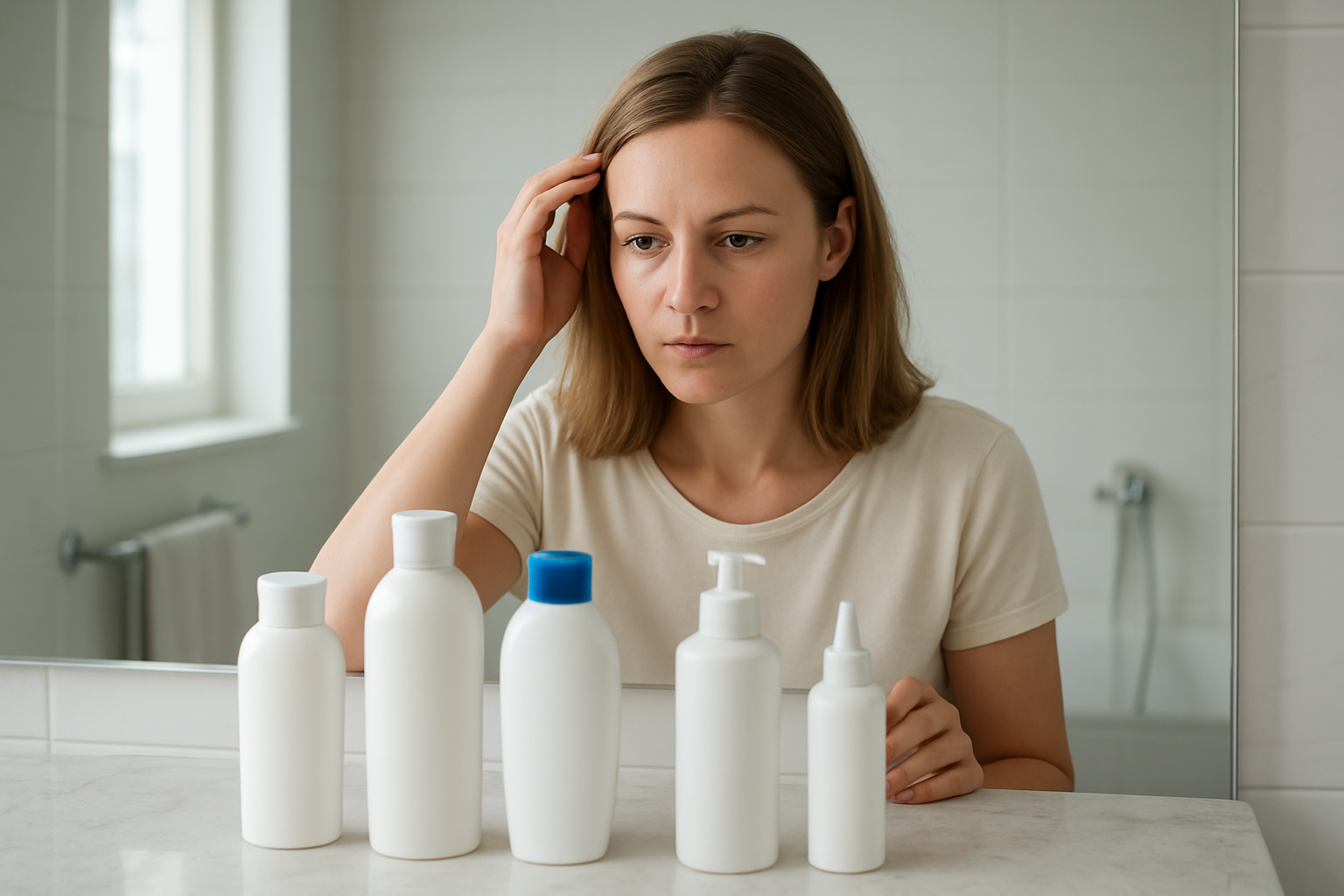
Proper Washing Frequency and Technique
The key to managing dandruff and itchy scalp starts with how often you wash your hair. Most people with scalp issues benefit from washing every other day or daily, depending on their specific condition.
If you have an oily scalp or severe dandruff, daily washing might be necessary to prevent buildup of dead skin cells and excess sebum.
Water temperature plays a crucial role in your washing routine. Hot water strips your scalp of natural oils, leading to irritation and increased flaking. Stick to lukewarm water instead.
When applying shampoo, focus on massaging your scalp gently with your fingertips – never your nails. This technique helps remove dead skin cells without causing micro-tears that can worsen irritation.
Leave medicated shampoos on your scalp for at least 5 minutes before rinsing. This contact time allows active ingredients like ketoconazole, selenium sulfide, or pyrithione zinc to work effectively. Always rinse thoroughly, as leftover product residue can contribute to scalp irritation and flaking.
Choosing the Right Products for Your Scalp Type
Different scalp conditions require specific product formulations. For dry, flaky scalps, look for gentle, moisturizing shampoos with ingredients like ceramides, glycerin, or natural oils. These help restore the scalp’s barrier function without over-drying.
Oily scalps with dandruff respond well to clarifying shampoos containing salicylic acid or coal tar. These ingredients help control oil production and remove stubborn flakes.
Those with sensitive scalps should avoid sulfates, fragrances, and harsh preservatives that can trigger inflammation.
| Scalp Type | Recommended Ingredients | Avoid |
|---|---|---|
| Dry/Sensitive | Ceramides, Aloe vera, Oatmeal | Sulfates, Alcohol, Strong fragrances |
| Oily/Dandruff | Salicylic acid, Tea tree oil, Zinc | Heavy oils, Silicones |
| Combination | Gentle cleansers, Niacinamide | Harsh detergents |
Conditioner application matters too. Apply only to hair lengths, not the scalp, to prevent clogging pores and creating additional buildup.
Brushing and Styling Modifications
Your brushing technique can either help or harm your scalp condition. Use a wide-tooth comb on wet hair to prevent breakage and scalp trauma. When hair is dry, opt for a boar bristle brush or one with soft, flexible bristles that won’t scratch or irritate your scalp.
Brush from roots to tips using gentle strokes to distribute natural oils and remove loose flakes. Avoid aggressive brushing, which can worsen inflammation and create more irritation. Clean your brushes weekly with antibacterial soap to prevent recontamination with fungi or bacteria.
Heat styling tools can dry out your scalp and worsen flaking. When using blow dryers, keep them on cool settings and maintain at least six inches distance from your scalp. Limit the use of flat irons, curling irons, and other high-heat tools.
Tight hairstyles like ponytails, braids, or buns can create tension on the scalp, leading to irritation and potential hair loss. Choose looser styles and vary your parting to prevent concentrated stress on specific scalp areas. Sleep on silk or satin pillowcases to reduce friction against your scalp during the night.
Long-term Prevention Strategies
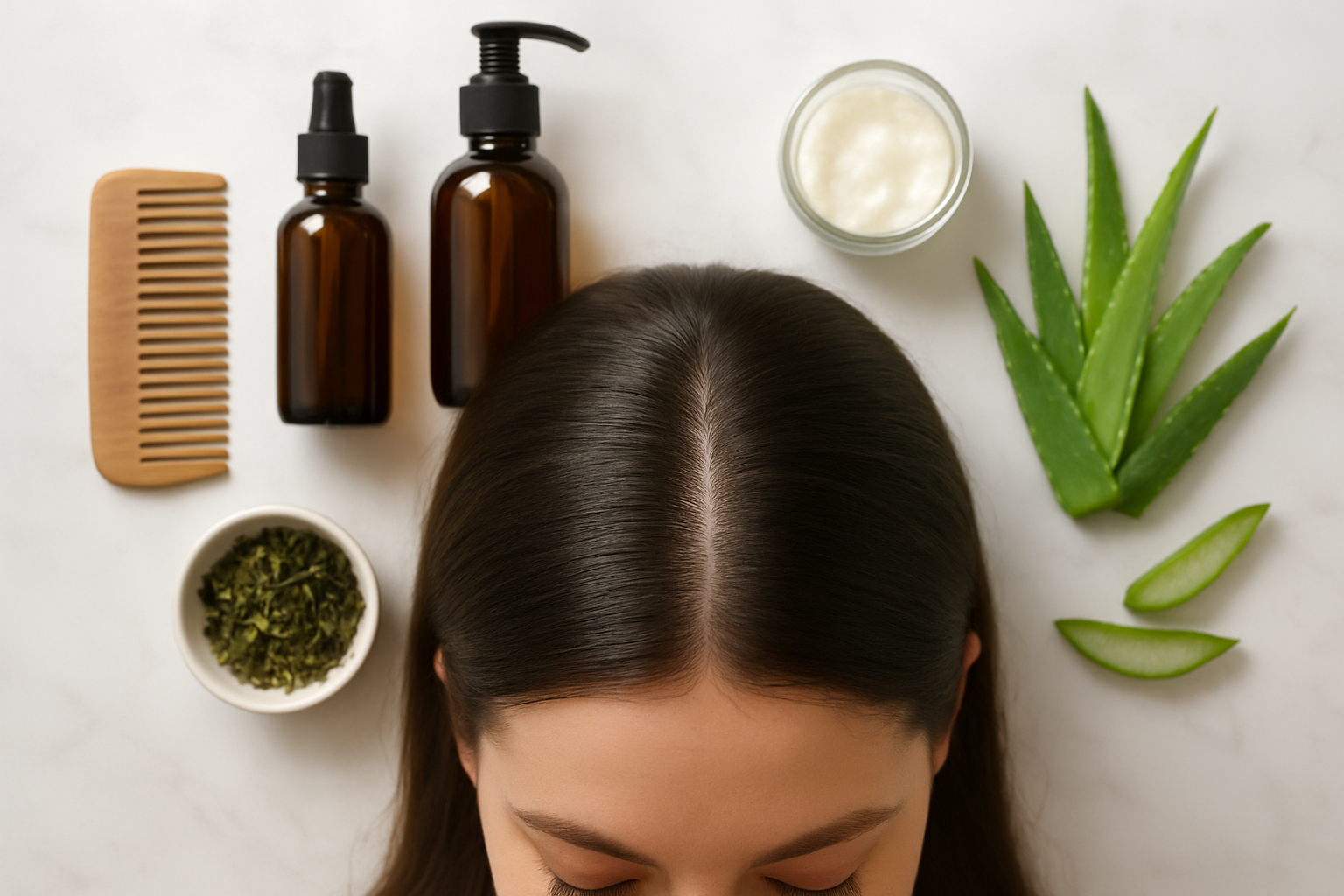
Maintaining Scalp Hygiene Without Over-Cleansing
Finding the sweet spot between clean and over-cleansed hair can be tricky. Most people think washing their hair daily will solve dandruff problems, but this actually makes things worse. Over-washing strips your scalp of natural oils, causing it to produce even more oil to compensate – creating a frustrating cycle.
The ideal washing frequency depends on your hair type and lifestyle. If you have oily hair, washing every other day might work best. For dry or chemically treated hair, twice a week is often enough. Pay attention to how your scalp feels rather than sticking to a rigid schedule.
For More Information Contact Us : 91 7338671338
When you do wash, focus the shampoo on your scalp, not the lengths of your hair. Use lukewarm water instead of hot water, which can irritate sensitive skin. After shampooing, make sure to rinse completely – leftover product buildup is a common cause of scalp irritation.
Between wash days, dry shampoo can help absorb excess oil without stripping your scalp. Choose alcohol-free formulas to avoid drying out your skin.
Managing Stress and Sleep for Healthy Hair
Your scalp health connects directly to your overall well-being. High stress levels trigger inflammation throughout your body, including your scalp, making dandruff and itching worse. Stress also disrupts your hormone balance, affecting oil production in your hair follicles.
Poor sleep quality compounds these problems. During deep sleep, your body repairs skin cells and regulates hormones that control oil production. Getting less than seven hours of sleep regularly can leave your scalp more vulnerable to irritation and flaking.
Simple stress management techniques make a real difference:
Regular exercise: Even 20 minutes of walking daily helps reduce stress hormones
Meditation or deep breathing: Just five minutes before bed can improve sleep quality
Consistent sleep schedule: Going to bed and waking up at the same time helps regulate your body’s natural rhythms
Limiting screen time: Blue light from phones and computers can disrupt sleep patterns
Consider keeping a scalp diary to track flare-ups alongside stressful events or poor sleep nights. You might notice patterns that help you prevent future problems.
Regular Scalp Maintenance Routines
Think of scalp care like skincare – consistency beats intensity every time. A gentle weekly scalp massage with your fingertips improves blood circulation and helps distribute natural oils. Spend about five minutes working in small circles across your entire scalp.
Exfoliating your scalp once a week removes dead skin cells before they can flake off as dandruff. You can use a scalp scrub or make your own with brown sugar and coconut oil. Be gentle – your scalp skin is more delicate than the skin on your face.
Monthly deep conditioning treatments keep your hair and scalp balanced. Apply a hydrating mask from mid-length to ends, avoiding the roots to prevent weighing down your hair. Leave it on for 15-20 minutes before rinsing thoroughly.
Keep track of seasonal changes too. Your scalp might need extra moisture in winter when indoor heating dries out the air, or lighter products in summer when humidity increases oil production.
When to Seek Professional Dermatological Help
Some scalp conditions need medical attention beyond what home care can provide. See a dermatologist if you experience persistent itching that keeps you awake at night, red or inflamed patches that don’t improve with gentle care, or thick, crusty scales that resist regular dandruff shampoos.
Hair loss alongside scalp problems signals a more serious condition that needs professional diagnosis. Conditions like seborrheic dermatitis, psoriasis, or fungal infections require prescription treatments that work differently than over-the-counter products.
If you’ve tried different approaches for six weeks without improvement, professional help can save you time and frustration. A dermatologist can identify the specific cause of your scalp problems and recommend targeted treatments.
Don’t wait if you notice sudden changes in your scalp condition, especially if accompanied by other symptoms like fever or swollen lymph nodes. These could indicate an infection requiring immediate treatment.
Conclusion :
Dealing with dandruff and an itchy scalp doesn’t have to be a constant struggle. Once you understand what’s causing your specific scalp issues and identify your condition type, you can choose the right combination of professional treatments, natural remedies, and daily care adjustments that work for your needs. The key is finding what works for your unique situation and sticking with it consistently.
Taking control of your scalp health is totally doable with the right approach. Start by making small changes to your hair care routine, try some of the natural solutions we’ve covered, and don’t hesitate to reach out to a professional if your symptoms persist.
Your scalp will thank you, and you’ll feel so much more confident knowing you’ve got this under control. Remember, healthy hair starts with a healthy scalp, so give yours the attention it deserves.
For More Information Contact Us : 91 7338671338