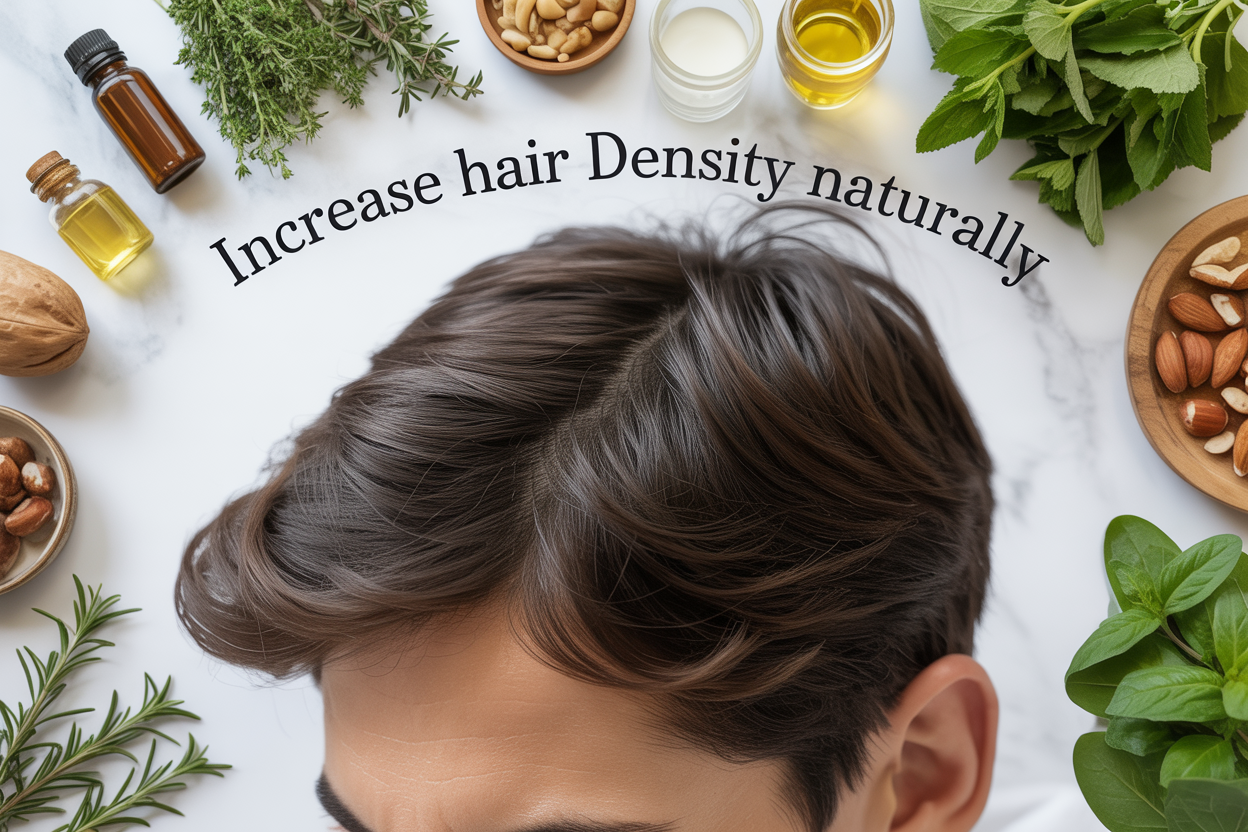
Hair density refers to how many individual strands you have per square inch of scalp. The good news? You can improve it through simple changes to your routine and diet.
We’ll explore proven scalp care techniques that create the perfect environment for hair growth, plus the essential nutrients your follicles need to produce stronger, denser hair. You’ll also discover which natural oils actually work and the specific foods that can transform your hair from the inside out.
Understanding Hair Density and Growth Cycles
Difference Between Hair Thickness and Hair Density
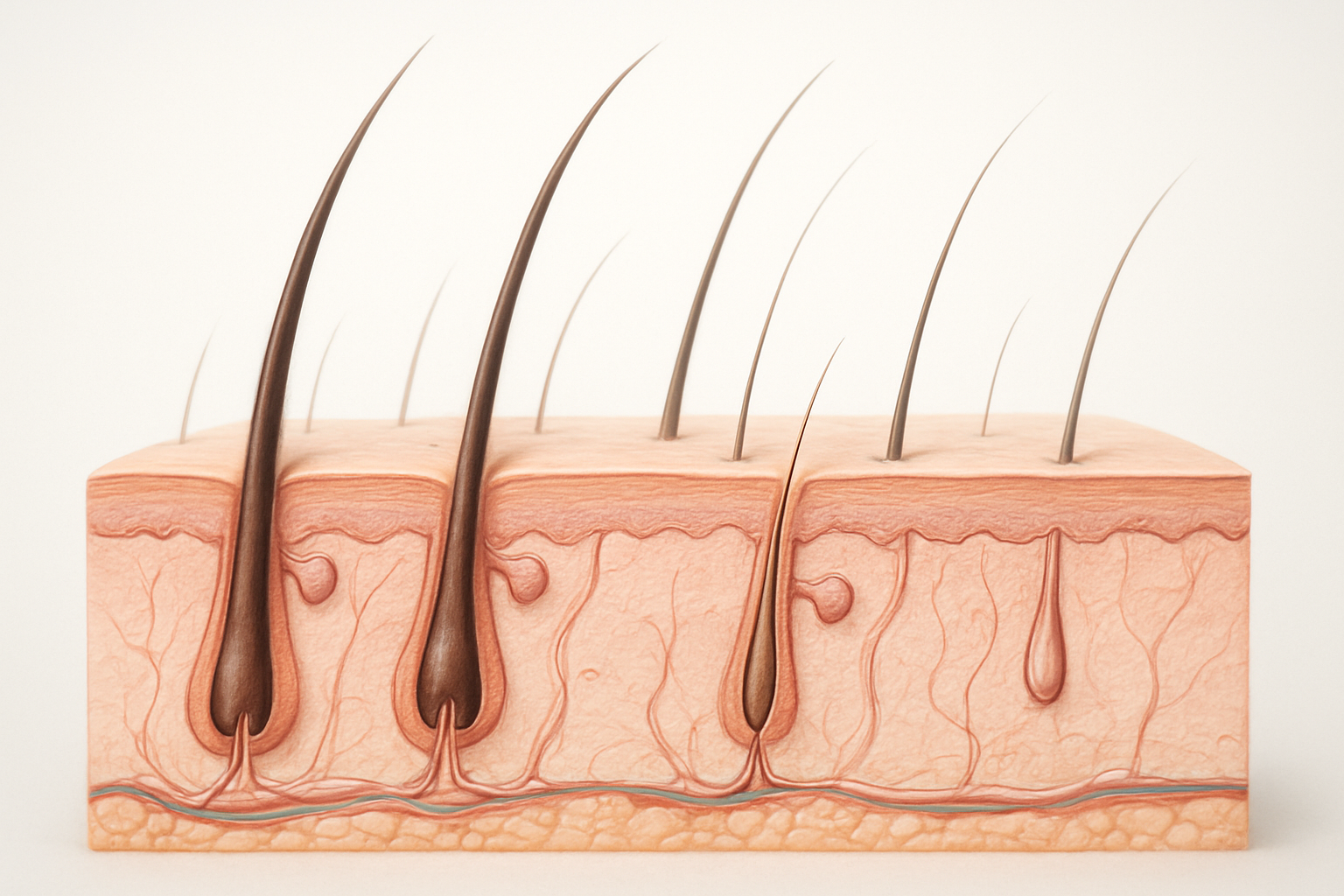
Hair thickness and hair density are two completely different aspects of your hair that people often confuse. Hair thickness refers to the width of each individual hair strand – some people naturally have fine, medium, or coarse hair strands.
You can actually feel the difference when you roll a single hair between your fingers. Fine hair feels almost silky and delicate, while coarse hair feels more substantial and textured.
Hair density, on the other hand, is all about quantity – how many hair follicles you have per square inch of your scalp. You could have thick individual strands but low density, meaning fewer hairs growing from your scalp. Conversely, you might have fine hair strands but high density, creating the appearance of full, voluminous hair.
| Aspect | Hair Thickness | Hair Density |
|---|---|---|
| Definition | Width of individual strands | Number of hairs per square inch |
| Measurement | Fine, medium, coarse | Low, medium, high |
| Genetic factor | Determined at birth | Can change over time |
| Visual impact | Affects strand strength | Affects overall fullness |
Natural Hair Growth Phases and Their Impact
Your hair doesn’t grow continuously — it follows a predictable cycle with three distinct phases that directly impact your overall hair density. Understanding hair density meaning and how these phases work helps explain why some periods bring thicker-looking hair while others seem sparse.
For anyone wondering how to increase hair density, how to increase the hair density, or how to maintain hair density, knowing this cycle is the first step toward healthier growth.
The anagen phase is your hair’s active growth period, lasting anywhere from two to seven years. About 85–90% of your hair stays in this phase at any given time, making it crucial for those wanting to increase hair density or achieve hair density increase.
If you’re looking for how to increase hair density naturally, how to improve hair density naturally, or how to increase my hair density naturally, focusing on supporting the anagen phase is essential.
A balanced diet, gentle scalp care, and reduced stress levels all contribute to helping you increase hair density naturally and maintain long-term hair health.
During anagen, hair follicles produce new cells rapidly, pushing hair upward and outward. The longer this phase lasts, the longer your hair can grow, and the more dense your hair appears.
Next comes the catagen phase, a brief transitional period lasting just 2-3 weeks. Hair growth slows down significantly, and the follicle begins to shrink. Only about 1-3% of your hair is in this phase simultaneously.
Finally, the telogen phase represents the resting period, lasting roughly three months. Hair stops growing entirely but remains attached to the follicle. About 10-15% of your hair rests in this phase. At the end of telogen, hair naturally sheds to make room for new growth, and the cycle begins again.
Factors That Reduce Hair Density Over Time
Several factors can gradually decrease your hair density, and many of them are within your control. Hormonal changes top the list, particularly fluctuations in DHT (dihydrotestosterone), which can shrink hair follicles and shorten the anagen growth phase.
This process, called miniaturization, makes hair progressively thinner and weaker until follicles stop producing visible hair altogether.
Chronic stress wreaks havoc on hair density by pushing more follicles into the telogen resting phase prematurely. When stress becomes ongoing, you might notice increased shedding and slower regrowth, creating a visible reduction in overall density.
Poor nutrition directly impacts hair density because follicles need specific nutrients to function properly. Deficiencies in iron, protein, vitamins D and B12, and essential fatty acids can slow hair production and weaken existing strands.
Physical trauma from tight hairstyles, excessive heat styling, chemical treatments, and aggressive brushing can damage follicles permanently. This type of hair loss, called traction alopecia, often starts around the hairline and temples.
Age naturally reduces hair density as follicles gradually become less active. The anagen growth phase shortens with age, and some follicles eventually stop producing hair entirely.
Signs Your Hair Density is Declining
Recognizing early signs of declining hair density allows you to take action before the problem becomes severe. One of the first indicators is noticing your scalp more easily, especially when your hair is wet or under bright lighting. Parts that used to be barely visible may become more prominent.
Your ponytail might feel noticeably thinner when you gather your hair, requiring more wraps of the hair elastic to feel secure. Many people also notice that hairstyles that once looked full and voluminous now appear flat or lackluster.
Increased hair shedding is another red flag, particularly if you’re finding more hair on your pillow, in the shower drain, or on your clothes. While losing 50-100 hairs daily is normal, consistently losing more might indicate density issues.
Changes in hair texture often accompany density loss. Hair may become finer, weaker, or more prone to breakage. You might also notice that new hair growth seems slower than before, or that bald patches take longer to fill in after wearing tight hairstyles.
Pay attention to photographs taken over time – they often reveal gradual density changes that are hard to notice day-to-day. Comparing pictures from six months or a year ago can help you spot patterns and determine if professional help is needed.
Essential Nutrients for Maximum Hair Density
Protein Requirements for Strong Hair Follicles
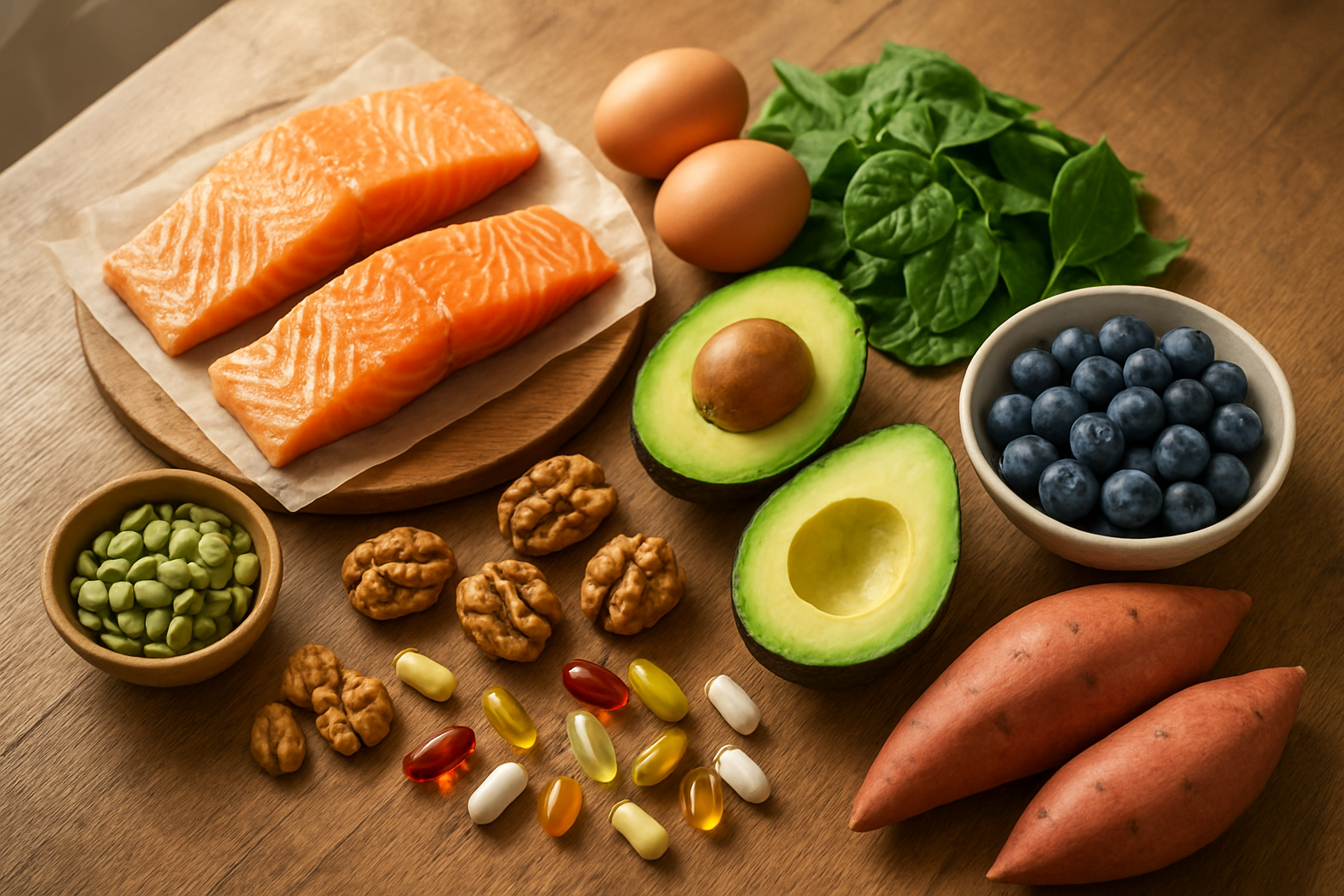
Your hair strands are basically protein structures, with about 95% being made up of a protein called keratin. Without enough protein in your diet, your hair follicles simply can’t produce strong, thick strands.
Think of protein as the building blocks – you need a steady supply to maintain and grow healthy hair.
Adults should aim for at least 0.8 grams of protein per kilogram of body weight daily, but if you’re trying to boost hair density, consider bumping that up to 1.2-1.6 grams per kilogram.
Quality matters just as much as quantity. Complete proteins containing all essential amino acids work best for hair growth.
Top protein sources for hair density:
Lean meats and poultry
Fish and seafood
Eggs (especially the whites)
Greek yogurt and cottage cheese
Legumes and quinoa
Nuts and seeds
Your body breaks down these proteins into amino acids, which then travel to hair follicles to create new keratin. Without this process, your hair becomes thin, brittle, and prone to breakage.
Iron and Vitamin D for Healthy Hair Growth
Iron deficiency is one of the sneakiest causes of thinning hair, especially in women. Your hair follicles need iron to produce healthy red blood cells that carry oxygen and nutrients to the scalp.
Low iron levels can actually push hair follicles into a resting phase, causing increased shedding and reduced density.
Women need about 18mg of iron daily, while men need 8mg. The best sources include:
| Iron-Rich Foods | Iron Content (mg) |
|---|---|
| Beef liver (3 oz) | 7.5 |
| Spinach (1 cup cooked) | 6.4 |
| Lentils (1 cup) | 6.6 |
| Dark chocolate (1 oz) | 3.9 |
Vitamin D works like a hormone in your body, and research shows it plays a huge role in creating new hair follicles. People with alopecia often have lower vitamin D levels. Your skin makes vitamin D when exposed to sunlight, but many people don’t get enough, especially during winter months.
Aim for 1000-2000 IU daily through sunlight exposure, fatty fish, fortified foods, or supplements. Low vitamin D can actually cause hair follicles to shrink over time.
Omega-3 Fatty Acids for Scalp Health
Omega-3s are like moisturizer for your scalp from the inside out. These healthy fats reduce inflammation around hair follicles and help maintain the oil barrier that keeps your scalp healthy. A dry, inflamed scalp creates a poor environment for hair growth.
Your body can’t make omega-3s on its own, so you need to get them from food or supplements. The three main types are EPA, DHA, and ALA. EPA and DHA from fish sources are most easily used by your body.
Best omega-3 sources:
Fatty fish (salmon, mackerel, sardines) – 2-3 servings weekly
Walnuts and flaxseeds
Chia seeds
Fish oil supplements (1000-2000mg daily)
Studies show that women taking omega-3 supplements for six months experienced significantly less hair loss and increased hair density compared to those who didn’t supplement.
B-Complex Vitamins for Hair Thickness
B vitamins work together like a team to support hair growth and thickness. Each one has a specific job in creating healthy hair follicles and maintaining proper circulation to your scalp.
Key B vitamins for hair density:
B12: Helps create red blood cells that carry oxygen to follicles
Folate (B9): Essential for DNA synthesis in rapidly dividing hair cells
B6: Helps your body use protein to build keratin
Niacin (B3): Improves blood flow to the scalp
Riboflavin (B2): Helps cells use oxygen efficiently
You’ll find B vitamins in whole grains, leafy greens, eggs, and meat. Vegetarians and vegans often need B12 supplements since it’s mainly found in animal products. A B-complex supplement can ensure you’re getting adequate amounts of all these vitamins working together.
Zinc and Biotin for Follicle Strength
Zinc deficiency can cause dramatic hair loss because this mineral is essential for hair follicle health and protein synthesis. Your body doesn’t store zinc well, so you need a consistent daily supply. Adults need 8-11mg daily.
Zinc-rich foods include oysters, pumpkin seeds, chickpeas, and cashews. Too much zinc can actually interfere with iron absorption, so stick to recommended doses.
Biotin gets a lot of attention in hair supplements, and for good reason. This B vitamin helps your body metabolize proteins, fats, and carbohydrates – all crucial for healthy hair growth. While true biotin deficiency is rare, many people see improvements in hair thickness with supplementation.
Most adults need about 30mcg of biotin daily. You’ll find it naturally in egg yolks, nuts, and sweet potatoes. Biotin supplements are generally safe even at higher doses since it’s water-soluble.
Scalp Care Techniques That Boost Hair Density
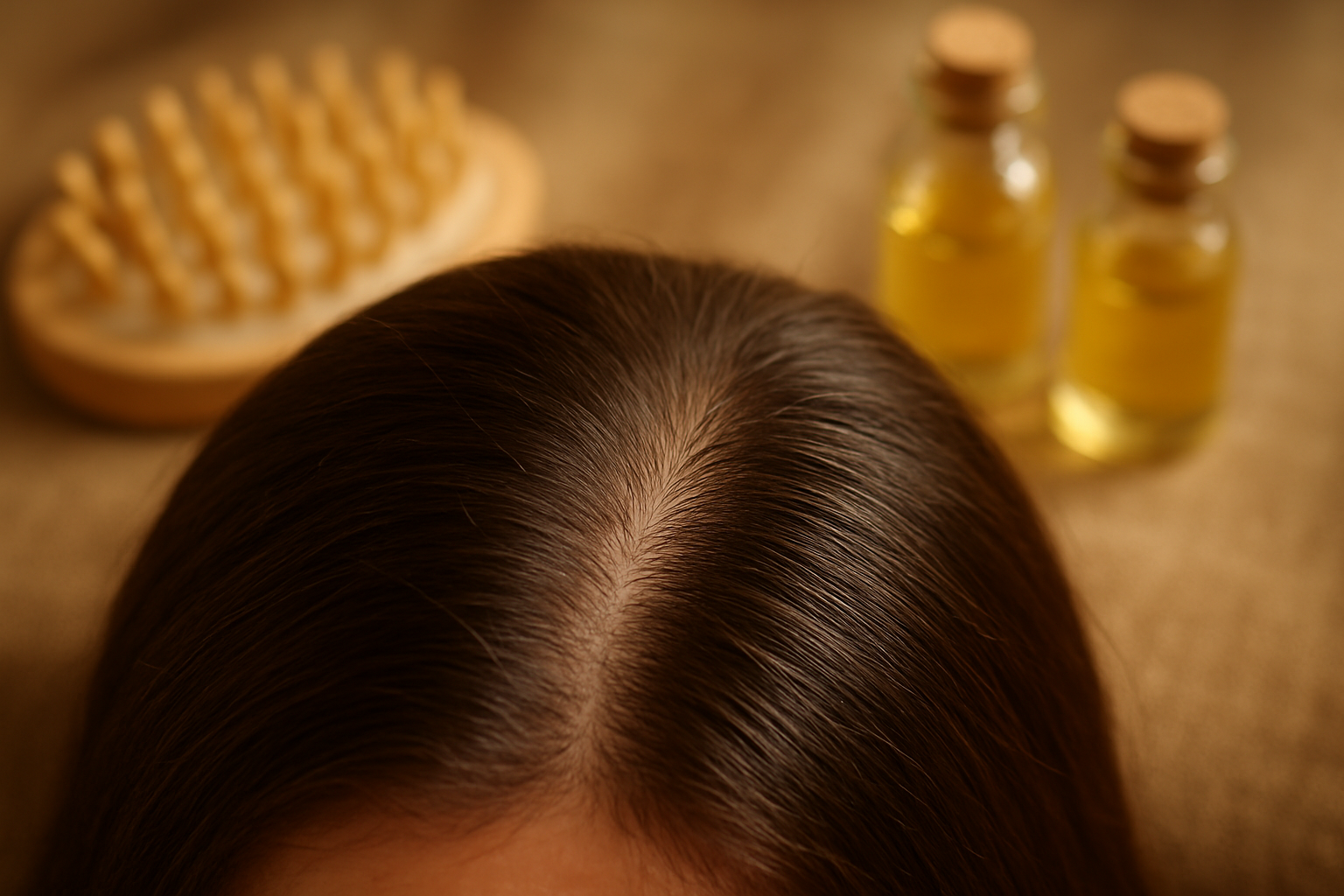
Daily Scalp Massage for Improved Blood Circulation
Scalp massage works like magic for hair density by boosting blood flow to your follicles. When you massage your scalp, you’re essentially feeding your hair roots with fresh oxygen and nutrients that promote stronger, thicker hair growth.
Start with a simple 5-minute daily routine using your fingertips. Apply gentle pressure in small circular motions, beginning at your temples and working your way across your entire scalp. The key is consistency – daily massage sessions deliver better results than occasional long sessions.
Basic Massage Technique:
Use fingertips, not nails
Apply medium pressure – firm but comfortable
Work in circular motions for 30 seconds per area
Cover entire scalp including hairline and crown
Best times: morning or before bed
For enhanced results, try these advanced techniques:
Acupressure points: Focus on the crown, temples, and base of skull
Lifting technique: Gently lift sections of hair at the roots
Knuckling: Use knuckles for deeper pressure on thick hair areas
Research shows that 4 minutes of daily scalp massage can increase hair thickness after 24 weeks. The mechanical stimulation activates dermal papilla cells, which play a crucial role in hair follicle development and hair shaft production.
Deep Cleansing Methods to Unclog Hair Follicles
Clogged follicles are silent hair density killers. Product buildup, excess sebum, and dead skin cells create barriers that prevent new hair from emerging and weaken existing strands.
Weekly Deep Cleansing Routine:
Pre-cleanse treatment: Apply coconut oil 30 minutes before washing to soften buildup
Clarifying shampoo: Use once weekly to remove product residue
Double cleanse: Wash twice – first to remove surface dirt, second for deep cleaning
Steam treatment: Use warm towel for 10 minutes to open pores
DIY Deep Cleansing Treatments:
| Treatment | Ingredients | Benefits | Frequency |
|---|---|---|---|
| Baking Soda Scrub | 2 tbsp baking soda + water | Removes buildup | Bi-weekly |
| Apple Cider Vinegar Rinse | 1:1 ratio with water | Balances pH, clarifies | Weekly |
| Clay Mask | Bentonite clay + water | Absorbs excess oil | Bi-weekly |
Signs Your Scalp Needs Deep Cleansing:
Hair feels heavy even after washing
Itchy or irritated scalp
Visible flakes or buildup
Hair lacks volume and appears dull
Slower hair growth than usual
Pay special attention to areas where products typically accumulate – around the hairline, behind ears, and at the crown. These zones often harbor the most stubborn buildup that regular shampooing can’t remove.
Exfoliation Techniques for Healthy Scalp Environment
Scalp exfoliation removes dead skin cells and promotes cellular turnover, creating the perfect environment for robust hair growth. Dead cell accumulation can suffocate follicles and create an unhealthy breeding ground for bacteria.
Physical Exfoliation Methods:
Sugar scrub: Mix 3 tablespoons brown sugar with 2 tablespoons olive oil. Massage gently for 2-3 minutes, focusing on problem areas. The sugar granules provide gentle abrasion while oil moisturizes.
Sea salt treatment: Combine coarse sea salt with your regular shampoo. The mineral content nourishes the scalp while removing dead cells. Use sparingly – sea salt is more abrasive than sugar.
Brush exfoliation: Use a boar bristle brush or scalp massager with soft silicone bristles. Brush dry hair before washing to loosen dead skin and distribute natural oils.
Chemical Exfoliation Options:
Salicylic acid treatments: Penetrate deeper to unclog follicles
Glycolic acid serums: Promote faster cell turnover
Tea tree oil blends: Natural antimicrobial with gentle exfoliating properties
Frequency Guidelines:
Sensitive scalps: Once weekly
Normal scalps: Twice weekly
Oily scalps: Three times weekly
Dry scalps: Every 10 days
Post-Exfoliation Care:
Always follow exfoliation with a hydrating treatment. Apply a lightweight oil or leave-in conditioner to prevent over-drying. Avoid harsh styling products for 24 hours after exfoliation to let your scalp recover and maintain its newly balanced state.
Remember that over-exfoliation can damage your scalp’s protective barrier, leading to irritation and potentially hindering hair growth. Start slowly and adjust frequency based on your scalp’s response.
Natural Oils and Topical Treatments
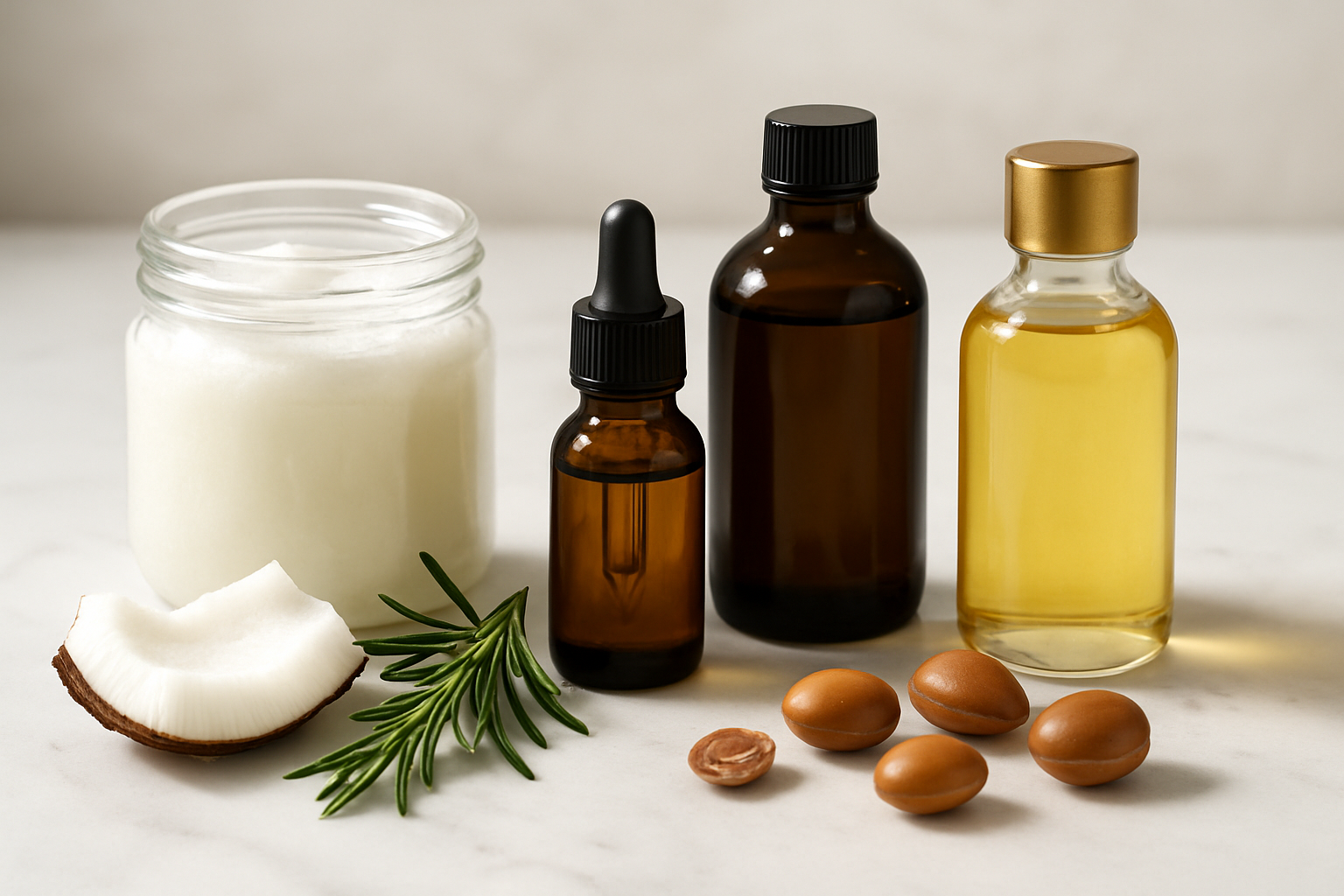
Rosemary oil stands out as one of the most scientifically-backed natural treatments for increasing hair density. This aromatic herb contains compounds that improve blood circulation to the scalp, creating an optimal environment for new hair growth.
The oil’s active components, particularly Rosmarinus acid and camphor, work by dilating blood vessels and increasing nutrient delivery to hair follicles.
Clinical studies have shown that rosemary oil performs comparably to minoxidil, a common pharmaceutical hair growth treatment, but without the associated side effects.
To use rosemary oil effectively, dilute 3-5 drops in a carrier oil like jojoba or coconut oil, then massage into the scalp for 5-10 minutes before shampooing. The massage itself enhances the oil’s benefits by further stimulating blood flow.
For best results, apply this treatment 2-3 times per week consistently for at least 3-4 months. Many users notice increased hair thickness and reduced shedding within 6-8 weeks of regular use.
Castor Oil Benefits for Hair Thickness
Castor oil’s thick, viscous texture mirrors its powerful ability to thicken existing hair strands while promoting new growth. Rich in ricinoleic acid, this oil penetrates deep into hair shafts, coating each strand with protective moisture that creates the appearance of fuller, denser hair immediately.
The oil’s unique molecular structure allows it to bind to hair proteins, literally filling in microscopic gaps in damaged hair cuticles.
This process not only makes hair look thicker but actually strengthens it at the cellular level. Regular castor oil treatments can increase individual hair strand diameter by up to 15% over time.
Apply castor oil to damp hair, focusing on mid-lengths and ends while avoiding the roots if you have fine hair prone to greasiness.
The oil works best when left on for 30 minutes to overnight before washing out with a clarifying shampoo. Due to its heaviness, limit castor oil treatments to once or twice weekly.
Peppermint Oil for Follicle Activation
Peppermint oil creates a cooling, tingling sensation that signals its powerful follicle-stimulating properties. The menthol in peppermint oil triggers a vasodilation response, rapidly increasing blood flow to dormant hair follicles and potentially awakening them from their resting phase.
Research indicates that peppermint oil can increase hair follicle depth and overall follicle number more effectively than many other essential oils. This dual action means you’re not just growing existing hair faster – you’re actually creating more hair follicles for denser coverage.
Always dilute peppermint oil heavily, using just 2-3 drops per tablespoon of carrier oil, as its potency can cause scalp irritation if used at full strength.
Start with once-weekly treatments to assess your skin’s tolerance, then gradually increase to 2-3 times per week. The cooling sensation should feel refreshing, not burning or painful.
DIY Hair Masks for Density Enhancement
Combining multiple hair-boosting ingredients creates powerful treatments that address density from multiple angles. An effective protein-rich mask combines 1 egg, 2 tablespoons of Greek yogurt, and 1 teaspoon of honey.
The proteins fill in gaps in hair structure while honey’s humectant properties lock in moisture for fuller-looking strands.
For a stimulating growth mask, blend 1 mashed avocado with 2 tablespoons of coconut oil and 3 drops of rosemary oil. The healthy fats in avocado nourish hair follicles while coconut oil’s lauric acid penetrates deeply to strengthen hair from within.
| Mask Type | Key Ingredients | Benefits | Application Time |
|---|---|---|---|
| Protein Strengthening | Egg, yogurt, honey | Fills gaps, adds volume | 20-30 minutes |
| Growth Stimulating | Avocado, coconut oil, rosemary | Nourishes follicles, promotes growth | 30-45 minutes |
| Deep Moisturizing | Banana, olive oil, castor oil | Hydrates, thickens strands | 45-60 minutes |
Apply these masks to clean, damp hair from roots to ends, cover with a shower cap, and rinse thoroughly with lukewarm water. Use weekly for optimal results without overwhelming your hair with too much protein or moisture.
Lifestyle Changes That Support Hair Density

Stress Management Techniques for Hair Health
Chronic stress wreaks havoc on your hair follicles by disrupting the natural growth cycle and pushing hairs into the resting phase prematurely.
When you’re constantly stressed, your body produces excessive cortisol, which directly impacts hair density by miniaturizing follicles and reducing blood flow to the scalp.
Deep breathing exercises practiced for just 10 minutes daily can significantly lower cortisol levels. Try the 4-7-8 technique: inhale for 4 counts, hold for 7, and exhale for 8. This simple practice activates your parasympathetic nervous system and promotes healthier hair growth patterns.
Meditation and mindfulness practices create lasting changes in stress hormone production. Even five minutes of daily meditation can improve circulation to hair follicles and support the anagen (growth) phase of your hair cycle.
Progressive muscle relaxation helps release physical tension that restricts blood flow to your scalp. Start with your toes and work upward, tensing and releasing each muscle group for 5 seconds.
| Stress Management Method | Time Investment | Hair Growth Benefit |
|---|---|---|
| Deep breathing | 5-10 minutes | Reduces cortisol, improves circulation |
| Meditation | 5-20 minutes | Balances hormones, extends growth phase |
| Yoga | 15-30 minutes | Increases blood flow, reduces inflammation |
| Journaling | 10-15 minutes | Processes emotions, lowers stress response |
Sleep Quality and Its Impact on Hair Growth
Your hair grows most actively during deep sleep phases when growth hormone production peaks. Poor sleep quality directly translates to weaker, thinner hair because cellular repair and regeneration slow down dramatically without adequate rest.
Sleep duration matters tremendously for hair density. Adults need 7-9 hours of quality sleep for optimal hair growth hormone release. During deep sleep, your body increases protein synthesis, which is crucial for building strong hair strands.
Sleep timing affects hair growth hormones too. Going to bed before 11 PM allows your body to maximize growth hormone production during the natural circadian rhythm peak between 10 PM and 2 AM.
Creating the perfect sleep environment supports hair health:
Keep your bedroom temperature between 65-68°F
Use blackout curtains or eye masks
Invest in a silk or satin pillowcase to reduce friction and breakage
Remove electronic devices 1 hour before bedtime
Sleep position can affect hair density around your hairline. Sleeping on your back reduces friction and tension on hair follicles compared to stomach sleeping, which can cause traction and breakage along the hairline.
Exercise Routines That Improve Scalp Circulation
Physical activity boosts blood circulation throughout your body, including the tiny capillaries that feed your hair follicles. Better circulation means more oxygen and nutrients reach your hair roots, supporting thicker, denser growth.
Cardiovascular exercises like brisk walking, cycling, or swimming for 30 minutes increase overall circulation and promote healthy hair growth. The increased heart rate pumps more nutrient-rich blood to your scalp follicles.
Scalp-specific exercises target circulation directly:
Neck rolls: Slowly roll your head in circles for 30 seconds each direction
Shoulder shrugs: Lift shoulders to ears, hold for 3 seconds, repeat 10 times
Head massages: Use fingertips to massage scalp in circular motions for 5 minutes
Inverted positions like downward-facing dog or simply hanging your head upside down for 2-3 minutes can temporarily increase blood flow to the scalp area.
Strength training supports hair density by balancing hormones and improving overall circulation. Focus on compound movements that engage multiple muscle groups and boost growth hormone production.
Hydration Requirements for Optimal Hair Growth
Water makes up nearly 25% of your hair strand’s weight, and dehydration directly impacts hair thickness and strength. When you’re not drinking enough water, your hair follicles receive fewer nutrients and struggle to maintain healthy growth cycles.
Daily water intake should be at least 8-10 glasses for optimal hair health. Your hair shaft needs constant moisture to maintain flexibility and prevent breakage that can make hair appear less dense.
Timing your water intake throughout the day ensures consistent hydration:
Start with 16 oz upon waking
Drink 8 oz before each meal
Sip water consistently between meals
Have your last glass 2 hours before bedtime
Water quality affects hair health too. Hard water with high mineral content can build up on hair strands and scalp, potentially clogging follicles. Consider using filtered water for drinking and washing if you live in a hard water area.
Hydrating foods boost your water intake naturally:
Watermelon and cucumbers (95% water content)
Oranges and strawberries (87% water content)
Lettuce and celery (95% water content)
Yogurt and milk (85% water content)
Signs you need more water include dry, brittle hair that breaks easily, flaky scalp, and hair that lacks shine and bounce.
Foods That Naturally Increase Hair Density
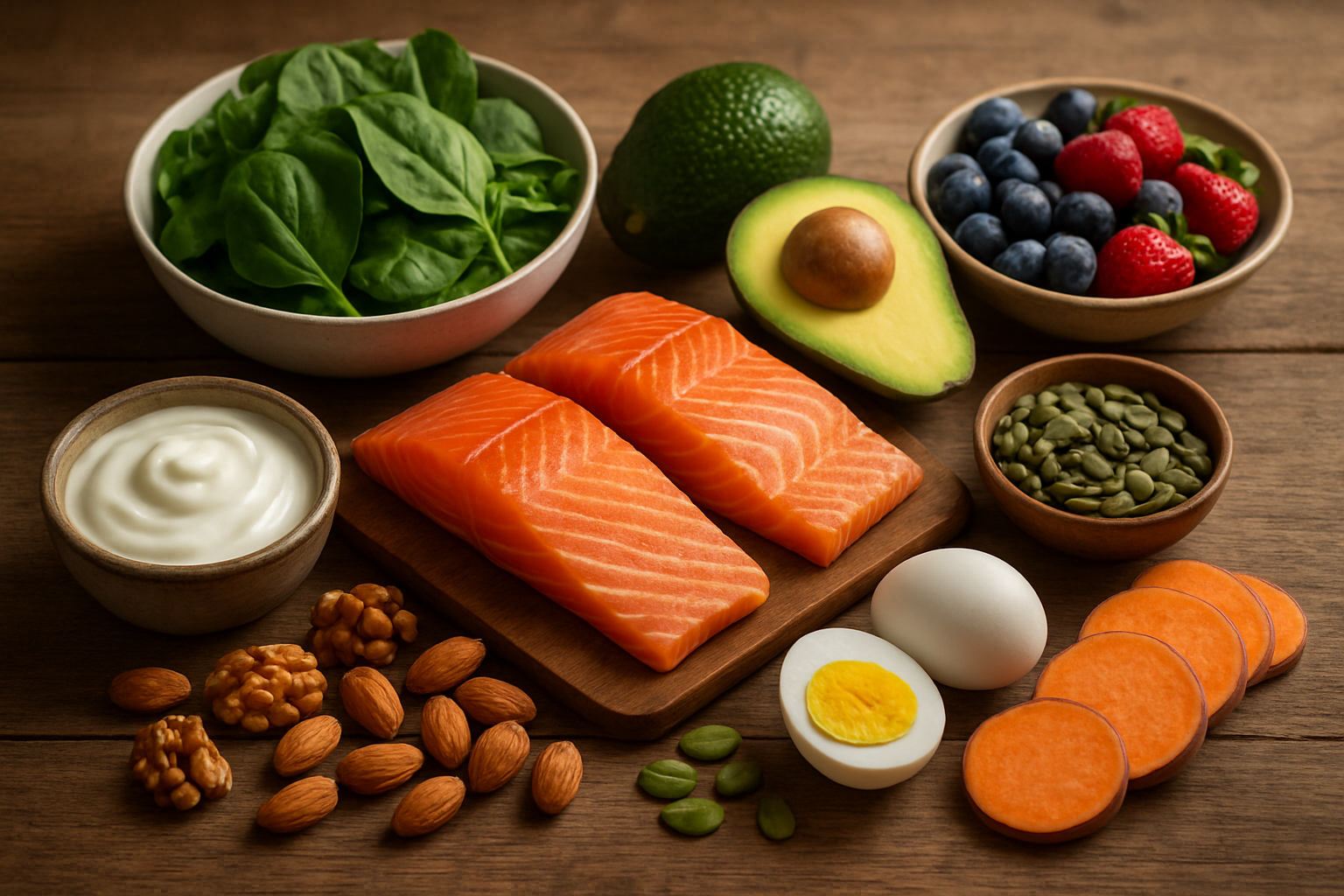
Protein-Rich Foods for Hair Structure
Hair strands are made up of approximately 95% protein, primarily keratin, making protein intake absolutely crucial for maintaining thick, strong hair. Without adequate protein, your hair follicles can’t produce the building blocks needed for healthy growth.
Eggs stand out as one of the most complete protein sources for hair health. They contain all essential amino acids your body needs to create keratin, plus biotin and sulfur compounds that strengthen hair structure. The protein in eggs is highly bioavailable, meaning your body can easily absorb and use it.
For More Information Contact Us : 73386 71338
Lean meats like chicken, turkey, and fish provide high-quality protein along with iron and zinc. Salmon deserves special mention because it combines protein with omega-3 fatty acids, creating a powerful combination for hair density.
The protein feeds your follicles while the omega-3s reduce inflammation that can impede growth.
Plant-based options work just as well for boosting hair protein intake. Lentils, chickpeas, and quinoa offer complete amino acid profiles while providing additional minerals. Hemp seeds contain all essential amino acids in perfect ratios, plus they’re rich in gamma-linolenic acid, which promotes scalp health.
Greek yogurt provides both protein and probiotics, supporting gut health for better nutrient absorption. The probiotics help your body process the vitamins and minerals your hair needs, while the protein directly supports follicle function.
Antioxidant Foods That Protect Follicles
Free radicals constantly attack hair follicles, weakening them and reducing their ability to produce thick, healthy strands. Antioxidants neutralize these harmful molecules, creating an environment where follicles can thrive and maintain optimal density.
Berries pack incredible antioxidant power into small packages. Blueberries contain anthocyanins that improve blood circulation to the scalp, ensuring follicles receive adequate nutrients.
Strawberries provide vitamin C, which helps produce collagen – a protein that strengthens hair structure and supports follicle health.
Dark leafy greens like spinach, kale, and Swiss chard deliver multiple antioxidants including vitamin E, beta-carotene, and lutein. These compounds work together to protect follicles from oxidative stress while providing iron and folate for healthy growth cycles.
Colorful vegetables offer diverse antioxidant profiles. Bell peppers contain more vitamin C than citrus fruits, while sweet potatoes provide beta-carotene that converts to vitamin A – essential for sebum production and scalp health. Purple cabbage and carrots add anthocyanins and carotenoids to your antioxidant arsenal.
Green tea deserves daily inclusion in your routine. The catechins in green tea, particularly EGCG, protect follicles from damage while potentially blocking DHT – a hormone that shrinks follicles and reduces hair density. Drinking 2-3 cups daily maximizes these protective benefits.
Foods High in Hair-Growing Vitamins
Specific vitamins play direct roles in hair growth and density, making targeted food choices essential for optimal results. These nutrients support different aspects of the growth cycle, from follicle health to strand strength.
Vitamin D foods become crucial since most people don’t get adequate sun exposure. Fatty fish like mackerel, sardines, and tuna provide vitamin D along with protein and omega-3s. Mushrooms exposed to UV light also contain vitamin D, making them excellent options for plant-based diets.
B-vitamin rich foods support multiple hair growth processes. Whole grains provide B1, B2, and B6, which help follicles use protein effectively.
Nutritional yeast offers a complete B-vitamin complex, including B12 – often deficient in those following plant-based diets. Avocados provide biotin and folate while delivering healthy fats that improve nutrient absorption.
Iron-rich foods prevent one of the most common causes of hair thinning. Red meat provides easily absorbed heme iron, while plant sources like pumpkin seeds, dark chocolate, and tofu offer non-heme iron. Combining iron-rich foods with vitamin C sources improves absorption significantly.
| Vitamin | Key Food Sources | Hair Benefits |
|---|---|---|
| Vitamin A | Sweet potatoes, carrots, spinach | Sebum production, scalp health |
| Vitamin C | Citrus fruits, bell peppers, strawberries | Collagen production, iron absorption |
| Vitamin D | Fatty fish, mushrooms, fortified foods | Follicle activation, growth cycles |
| Vitamin E | Nuts, seeds, leafy greens | Antioxidant protection, circulation |
Zinc-rich foods like oysters, pumpkin seeds, and chickpeas support protein synthesis and hormone regulation. Even mild zinc deficiency can cause noticeable hair thinning, making these foods particularly important for maintaining density.
Hair Care Practices That Preserve Density
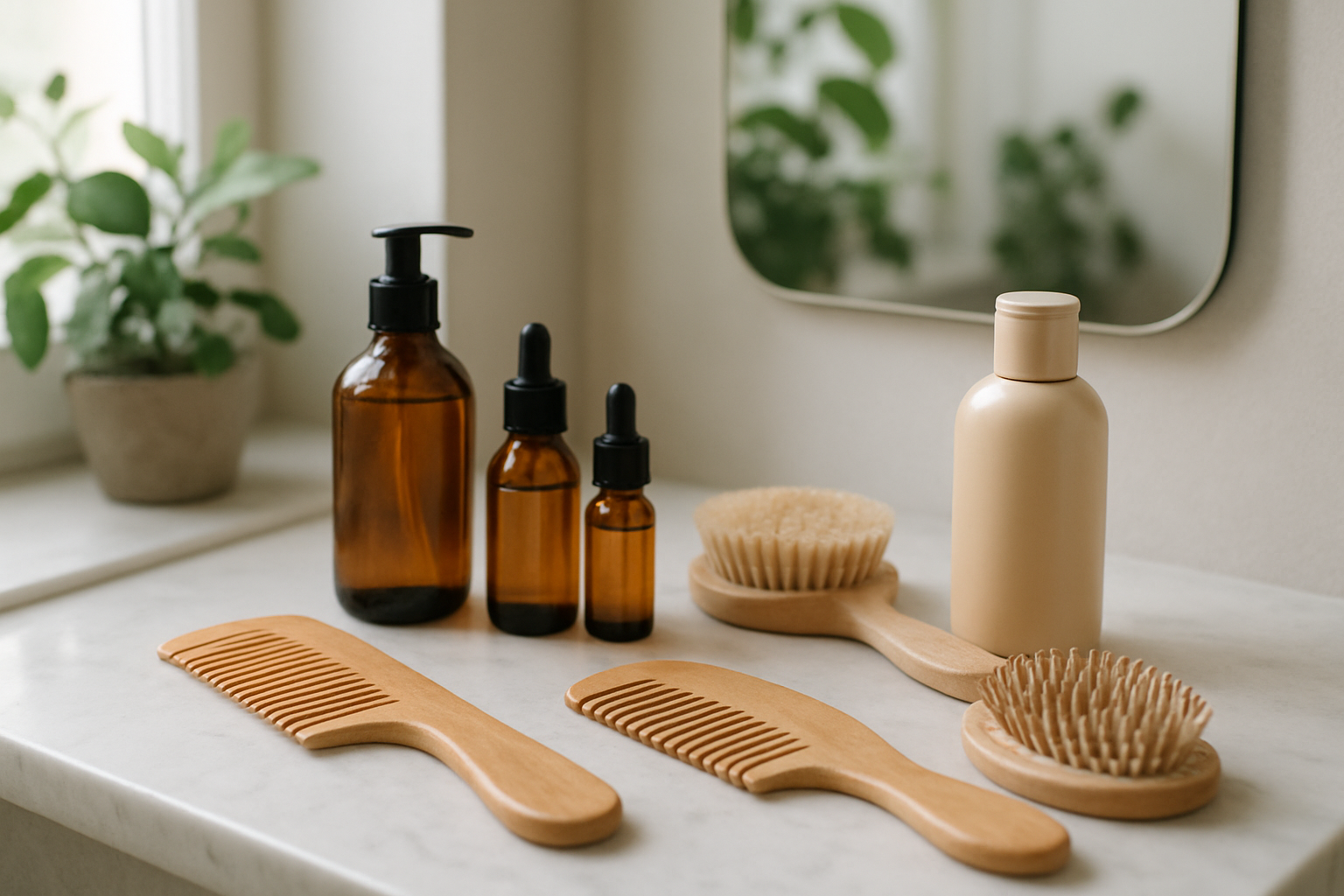
Gentle Brushing Techniques to Prevent Breakage
Start with damp hair rather than soaking wet strands, as waterlogged hair becomes extremely fragile.
Use a wide-tooth comb or detangling brush specifically designed for wet hair, beginning at the ends and working your way up to the roots. This approach prevents the accumulation of tangles that can cause massive breakage when pulled apart forcefully.
Choose brushes with natural boar bristles or flexible synthetic bristles that bend rather than snap hair strands. Avoid metal bristles and brushes with ball-tipped ends that have worn off, as these can scratch your scalp and create weak points along the hair shaft.
Brush your hair only when necessary. Over-brushing can strip away natural oils and create friction damage. For most hair types, brushing once in the morning and once before bed is sufficient. If you have curly or textured hair, limit brushing to when your hair is wet and conditioned.
For More Information Contact Us : 73386 71338
Heat Protection Methods for Styling
Apply heat protectant products before any thermal styling, creating a barrier that prevents direct heat contact with your hair cuticles. Look for products containing silicones like cyclopentasiloxane or dimethicone, which form protective films around individual strands.
Keep styling tools below 350°F (175°C) for fine hair and 400°F (200°C) for thick or coarse hair. Higher temperatures may seem faster, but they cause irreversible protein damage that leads to brittleness and breakage over time.
Use ceramic or tourmaline styling tools that distribute heat evenly, reducing hot spots that can burn sections of your hair. Titanium tools heat up quickly but require more skill to use safely.
Air-dry your hair to 80% before using heated tools. Styling completely wet hair forces the remaining water to rapidly evaporate, creating steam bubbles within the hair shaft that weaken its structure.
Chemical-Free Hair Care Routines
Replace sulfate-containing shampoos with gentler cleansers like cocamidopropyl betaine or sodium cocoyl glutamate. These alternatives clean effectively without stripping your scalp’s natural sebum production, which protects hair follicles.
Create DIY treatments using kitchen staples: apple cider vinegar rinses restore pH balance, honey masks provide moisture, and egg yolks deliver protein. These natural alternatives avoid the harsh preservatives and synthetic fragrances found in commercial products.
Eliminate products containing drying alcohols (ethanol, isopropyl alcohol, alcohol denat) from your routine. These ingredients evaporate quickly, taking moisture from your hair with them and leaving strands brittle.
Read ingredient lists carefully and avoid formaldehyde-releasing preservatives like DMDM hydantoin and quaternium-15, which can cause scalp irritation and weaken hair over time.
Protective Hairstyles That Reduce Hair Loss
Low-tension styles like loose braids, twists, and buns distribute weight evenly across your scalp rather than concentrating stress on specific areas. Avoid tight ponytails, especially when secured with rubber bands that can cut into hair strands.
Sleep with your hair in a silk or satin pillowcase or wrap it in a silk scarf to reduce friction. Cotton pillowcases create drag that can cause breakage and tangling during the night.
Alternate your hairstyle patterns to prevent repetitive stress on the same hair sections. If you wear a center part daily, try switching to a side part periodically to give those hair follicles a break.
Use snag-free hair ties made from silk, spiral plastic coils, or fabric-covered elastics. Replace hair ties regularly, as worn elastics develop rough spots that grab and break hair.
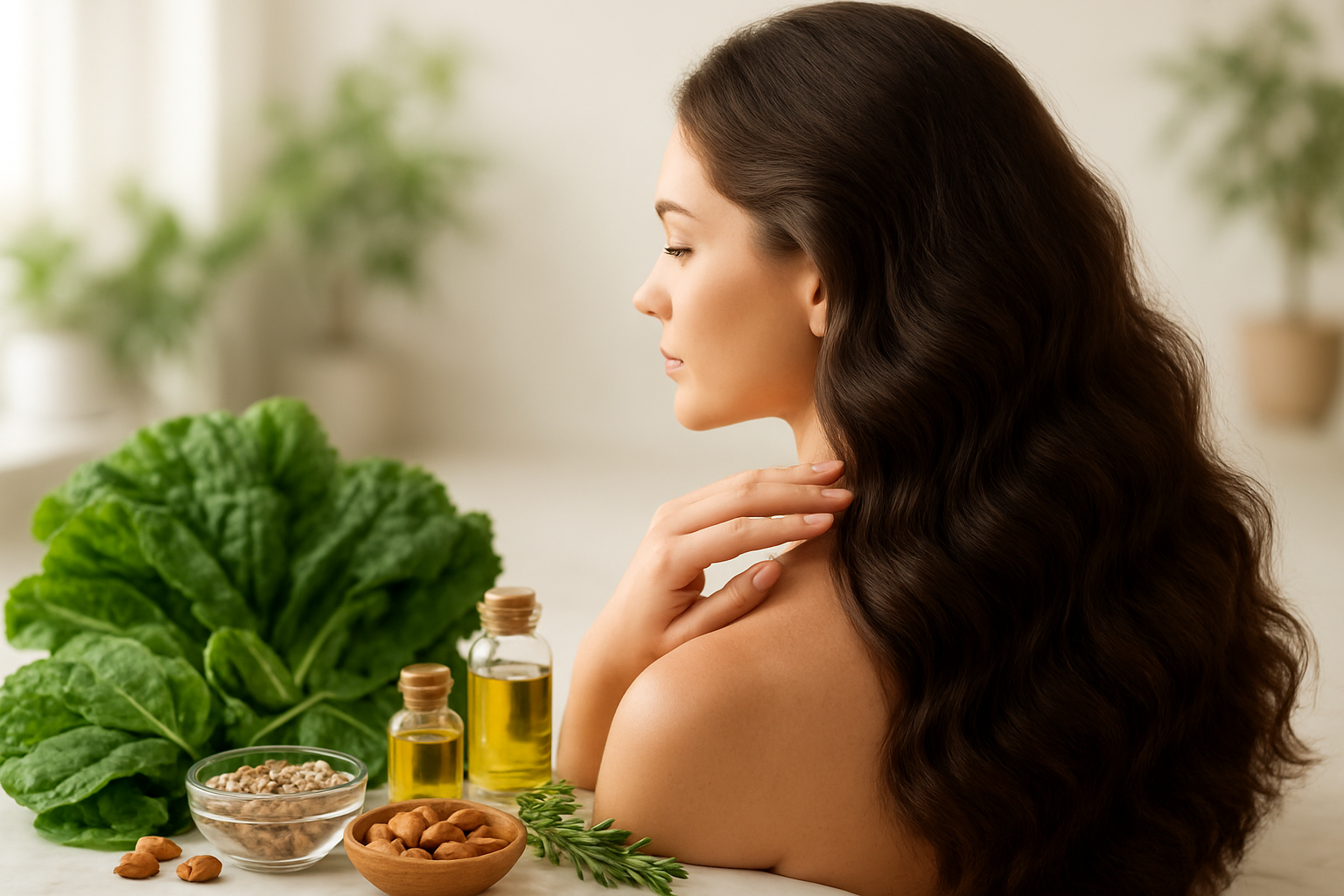
Getting thicker, denser hair naturally isn’t about finding one magic solution – it’s about taking care of your body and scalp from multiple angles.
The right nutrients, proper scalp massage, natural oils, and smart hair care habits all work together to create the best environment for your hair to thrive.
When you combine these approaches with stress management, good sleep, and a diet rich in hair-healthy foods, you’re giving your follicles everything they need to produce stronger, fuller hair.
Start with just one or two changes that feel manageable for you, whether that’s adding a weekly scalp massage with rosemary oil or including more protein-rich foods in your meals.
Building these habits slowly makes them stick, and your hair will thank you for the consistent care. Remember, natural hair growth takes time – usually around three to six months to see real changes – so be patient with the process and celebrate the small improvements along the way.
For More Information Contact Us : 73386 71338