This guide is for anyone dealing with hair loss concerns, from busy professionals noticing more hair on their pillow to parents worried about their teenager’s thinning strands.
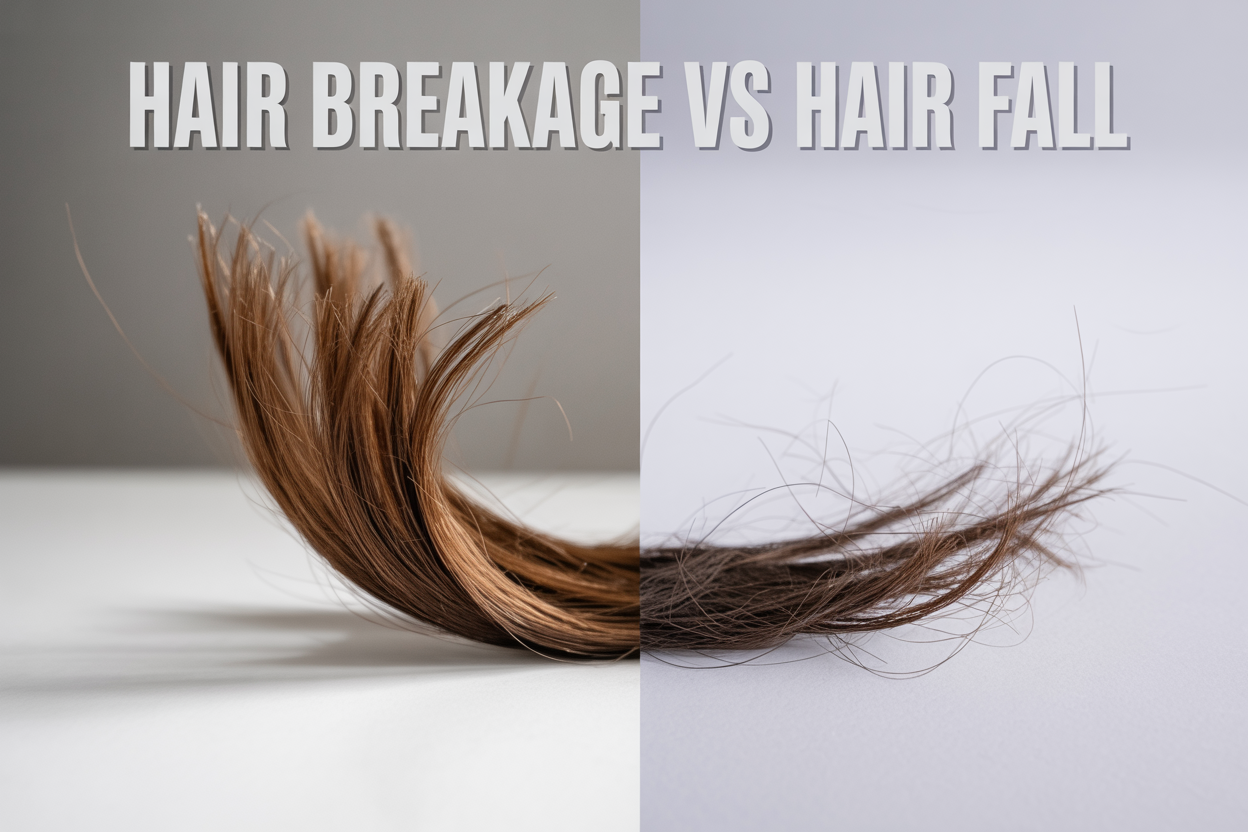
We’ll break down the key differences between breakage (when hair snaps mid-length) and natural shedding so you can figure out what’s really happening to your hair.
You’ll learn simple at-home tests to identify whether you’re dealing with breakage or fall, plus discover the specific causes you can actually control.
We’ll also share targeted solutions that work – because once you know what you’re fighting, you can pick the right treatments to get your hair back on track.
Understanding Hair Breakage – When Your Strands Snap Mid-Length
What Hair Breakage Actually Means for Your Hair Health
Hair breakage happens when your hair strands literally snap or split somewhere along the shaft, rather than falling out from the root. Think of it like a rubber band that’s been stretched too many times – eventually, it gives up and breaks in the middle.
When your hair breaks, you’re losing length and density, but the follicle stays intact and continues producing new hair.
Breakage signals that your hair structure has been compromised. The protective outer layer called the cuticle gets damaged, exposing the inner cortex to further harm.
This creates a domino effect where one broken strand leads to more breaks nearby. Your hair becomes increasingly fragile, making it harder to retain length and achieve your hair goals.
Unlike natural hair shedding, breakage isn’t part of your hair’s normal lifecycle. It’s preventable damage that directly impacts your hair’s overall health and appearance.
The good news? Since your follicles remain healthy, addressing the root causes of breakage can restore your hair’s strength and help you regain lost length over time.
Visual Signs That Indicate Breakage vs Normal Hair Loss
Spotting the difference between breakage and normal shedding becomes easier once you know what to look for. Understanding the difference between hair fall and hair breakage — or hair breakage vs hair fall — helps you identify the root cause of thinning.
Broken hairs have distinct characteristics that set them apart from naturally shed strands, making it simpler to recognize the hair fall and hair breakage difference.
Many people confuse shedding with damage, but the difference between hair breakage and hair fall lies in how the strand detaches. Hair that falls naturally includes the root bulb, while breakage results in shorter, snapped pieces.
In some cases, hair fall due to breakage means your strands are weakened from chemical treatments, heat styling, or poor nutrition. This is why understanding the difference between hair loss and breakage is crucial for proper treatment.
If you’re dealing with hair breakage and hair fall, targeted products like hairfall2025 or hairfall2025 serum can support hair strength and reduce further damage.
Broken Hair Characteristics:
Short, uneven lengths scattered throughout your hair
White or light-colored bulbs missing from the ends
Jagged, split, or frayed tips
Varies in length from very short pieces to medium lengths
Often found on shoulders, pillows, or brushes in small fragments
Naturally Shed Hair Characteristics:
Full-length strands matching your current hair length
White bulb attached at the root end
Clean, intact ends without splits or damage
Consistent length throughout the strand
Falls out during washing, brushing, or styling
The location where you find the hair also tells a story. Broken pieces typically show up as tiny fragments on your clothes or scattered around your styling area. Shed hairs come out as complete strands during normal manipulation like washing or detangling.
Common Locations Where Hair Breakage Occurs Most
Breakage doesn’t happen randomly across your head – certain areas face more stress and damage than others. Knowing these vulnerable zones helps you target your prevention efforts more effectively.
High-Risk Breakage Areas:
| Location | Why It’s Vulnerable | Common Causes |
|---|---|---|
| Hairline and edges | Constant manipulation from styling | Tight ponytails, headbands, brushing |
| Crown area | Exposed to sun, friction from pillows | UV damage, sleeping habits |
| Mid-lengths to ends | Oldest part of hair, most weathered | Chemical processing, heat styling |
| Nape of neck | Friction from clothing and accessories | Collars, scarves, rough fabrics |
The hairline suffers the most because we style it frequently and pull it tight for updos. Your crown gets beaten up by daily sun exposure and rubbing against pillowcases while you sleep.
The mid-length and ends have been through months or years of styling, making them naturally weaker.
Areas where hair rubs against clothing or accessories also experience higher breakage rates. Pay special attention to spots where necklaces sit, where headphone bands rest, or where your hair touches car seat headrests during long commutes.
Why Broken Hair Feels Different Than Naturally Shed Hair
The texture and feel of broken hair differs noticeably from healthy, naturally shed strands. These differences aren’t just cosmetic – they reveal important information about your hair’s condition and help guide your treatment approach.
Broken hair feels rough and catches on itself because the cuticle layer has been damaged or stripped away. When you run your fingers through your hair, broken strands create snags and tangles that weren’t there before.
The jagged edges of broken hair literally grab onto neighboring strands, creating knots and making detangling more difficult.
Naturally shed hair maintains its smooth cuticle structure right up until it falls out. These strands feel silky and slide easily between your fingers. They detangle without resistance and don’t create the harsh, scratchy sensation that damaged hair produces.
Broken hair also lacks the natural oils that healthy strands carry from root to tip. Since it snapped mid-shaft, it never received the full coating of sebum that keeps hair soft and manageable.
This makes broken pieces feel dry, brittle, and straw-like compared to the smooth, supple texture of intact strands.
The visual difference becomes obvious under close inspection. Broken hair shows clear signs of trauma – split ends, white spots where the break occurred, and irregular shapes that don’t match your hair’s natural pattern
Identifying Hair Fall – The Natural Process of Hair Shedding
Normal Hair Shedding Patterns You Should Expect Daily
Losing hair every day is completely normal and happens to everyone. Most people shed between 50 to 100 hairs daily as part of their body’s natural renewal process. You’ll notice these fallen strands most when you brush your hair, wash it, or run your fingers through it.
The amount of hair you lose can vary based on several factors:
Hair density: People with thicker hair naturally shed more strands
Hair length: Longer hair appears more noticeable when it falls
Styling habits: Frequent brushing or manipulation increases visible shedding
Seasonal changes: Many people experience increased shedding during fall months
Age: Shedding patterns can change as you get older
Your daily hair loss might seem alarming, especially if you have long hair that creates dramatic clumps in your shower drain. But remember, you have roughly 100,000 to 150,000 hairs on your head, so losing 100 strands represents less than 0.1% of your total hair.
How to Recognize Healthy Hair Fall vs Problematic Loss
Distinguishing between normal shedding and concerning hair loss requires paying attention to specific signs and patterns.
Signs of healthy hair fall:
Hair comes out with a small white bulb at the root
Shedding remains consistent day to day
You don’t notice thinning areas or bald patches
Hair loss doesn’t exceed 100-150 strands daily
Your hairline and part width stay the same
Warning signs of problematic hair loss:
Sudden increase in daily shedding (200+ strands)
Hair falling out in clumps or patches
Visible thinning at the crown or temples
Receding hairline or widening part
Hair coming out without the white root bulb
Increased shedding lasting more than 3 months
| Normal Shedding | Concerning Loss |
|---|---|
| 50-100 strands daily | 150+ strands daily |
| White bulb at root | No bulb at root |
| Gradual, consistent | Sudden or patchy |
| No visible thinning | Noticeable bald spots |
The Hair Growth Cycle That Causes Natural Shedding
Understanding your hair’s growth cycle explains why shedding happens naturally. Each hair follicle goes through three distinct phases that repeat throughout your life.
Anagen Phase (Growth Stage):
This active growth period lasts 2-7 years and determines your hair’s maximum length. About 85-90% of your hair stays in this phase at any time. Hair grows approximately half an inch per month during anagen.
Catagen Phase (Transition Stage):
A brief 2-3 week period where hair growth stops and the follicle shrinks. Only about 1% of your hair experiences this transitional phase simultaneously.
Telogen Phase (Resting Stage):
The final 3-month phase where hair remains dormant before naturally shedding. Around 10-15% of your hair rests in telogen, preparing to fall out and make room for new growth.
When a hair completes its telogen phase, it detaches from the follicle and falls out. This creates space for a new anagen hair to begin growing. The entire cycle then repeats, explaining why you continuously lose and regrow hair throughout your life.
Factors like stress, hormonal changes, nutrition, and genetics can disrupt this cycle, potentially pushing more hairs into the telogen phase simultaneously and causing temporary increased shedding.
Root Causes Behind Hair Breakage You Can Control
Heat Styling Damage That Weakens Hair Structure
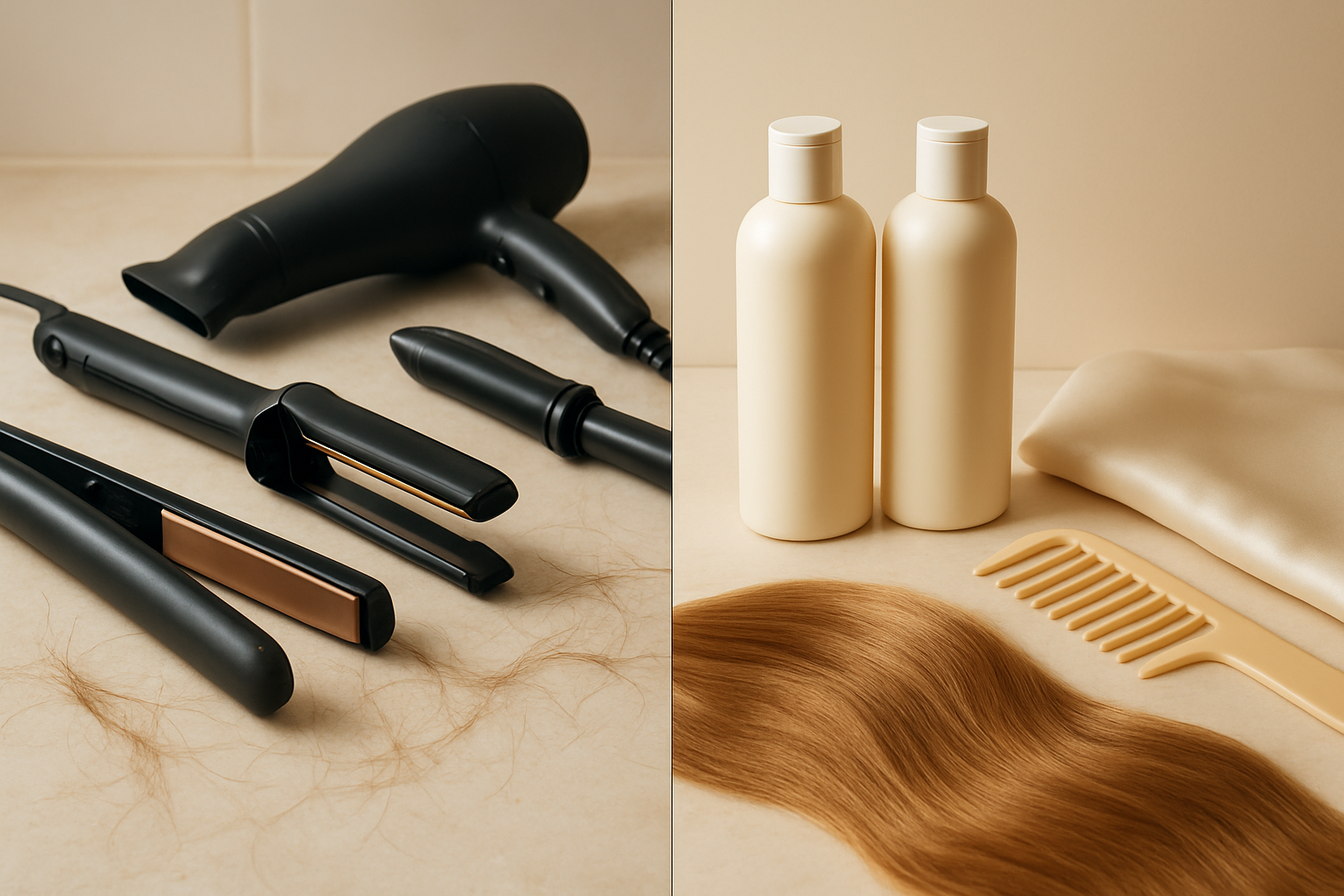
Your hair cuticles are like roof shingles that protect the inner cortex. When you expose them to temperatures above 300°F, these protective layers start lifting and peeling away.
Flat irons, curling wands, and blow dryers create microscopic fractures along the hair shaft, making strands snap under minimal tension.
The protein bonds that give your hair its elasticity break down when heated repeatedly. Think of it like cooking an egg – once those proteins denature from heat, they can’t return to their original state.
Regular heat styling without proper protection creates weak points that eventually lead to breakage at the mid-shaft or wherever damage accumulates most.
Common heat-related breakage patterns:
Shorter pieces around your face from frequent styling
Split ends that travel up the hair shaft
Hair that feels rough or straw-like to touch
Strands that break when wet or during styling
Chemical Treatments That Compromise Hair Integrity
Hair color, relaxers, and perms work by breaking and reforming the natural bonds in your hair. Each chemical process strips away protective oils and alters the hair’s internal structure. Your cuticles become more porous, making strands weaker and more prone to snapping.
Bleaching causes the most dramatic damage by removing melanin pigments and creating hollow spaces within the hair shaft. This leaves your strands fragile and brittle.
Overlapping chemical treatments compound the damage – getting a perm on previously colored hair or touching up roots too frequently creates cumulative stress that leads to breakage.
Chemical damage warning signs:
Hair feels gummy when wet
Extreme tangling during washing
Uneven color that won’t hold
Breakage that worsens after salon visits
Mechanical Damage From Brushing and Styling Habits
Wet hair stretches up to 50% more than dry hair, making it extremely vulnerable to breakage. Brushing soaking wet strands or roughly towel-drying creates immediate mechanical stress that snaps weakened areas.
The wrong brush type can also cause problems – metal bristles or brushes with sharp edges literally tear through your hair cuticles.
Tight hairstyles put constant tension on hair follicles and shafts. Ponytails, braids, and buns worn in the same position daily create stress points where breakage occurs.
Hair ties with metal clasps or rough elastic grab and tear strands, while sleeping on cotton pillowcases creates friction that leads to overnight breakage.
For More Information Contact Us : 73386 71338
Mechanical damage prevention tips:
Use wide-tooth combs on wet hair
Start detangling from ends upward
Alternate ponytail placement daily
Replace hair ties every few weeks
Environmental Factors That Make Hair Brittle
Sun exposure breaks down the proteins in your hair cuticles through UV radiation, much like it damages your skin. Extended time outdoors without protection leaves hair dry, brittle, and prone to snapping.
Swimming pools add another layer of damage through chlorine exposure, which strips natural oils and makes strands rough and fragile.
Cold, dry winter air sucks moisture from your hair, while indoor heating systems create an arid environment that further dehydrates strands. Wind creates friction and tangles that lead to breakage, especially on longer hair that whips around in breezy conditions.
Environmental protection strategies:
Wear hats or scarves in harsh weather
Use UV-protection hair products outdoors
Rinse hair before and after swimming
Run a humidifier during dry seasons
Understanding What Triggers Excessive Hair Fall
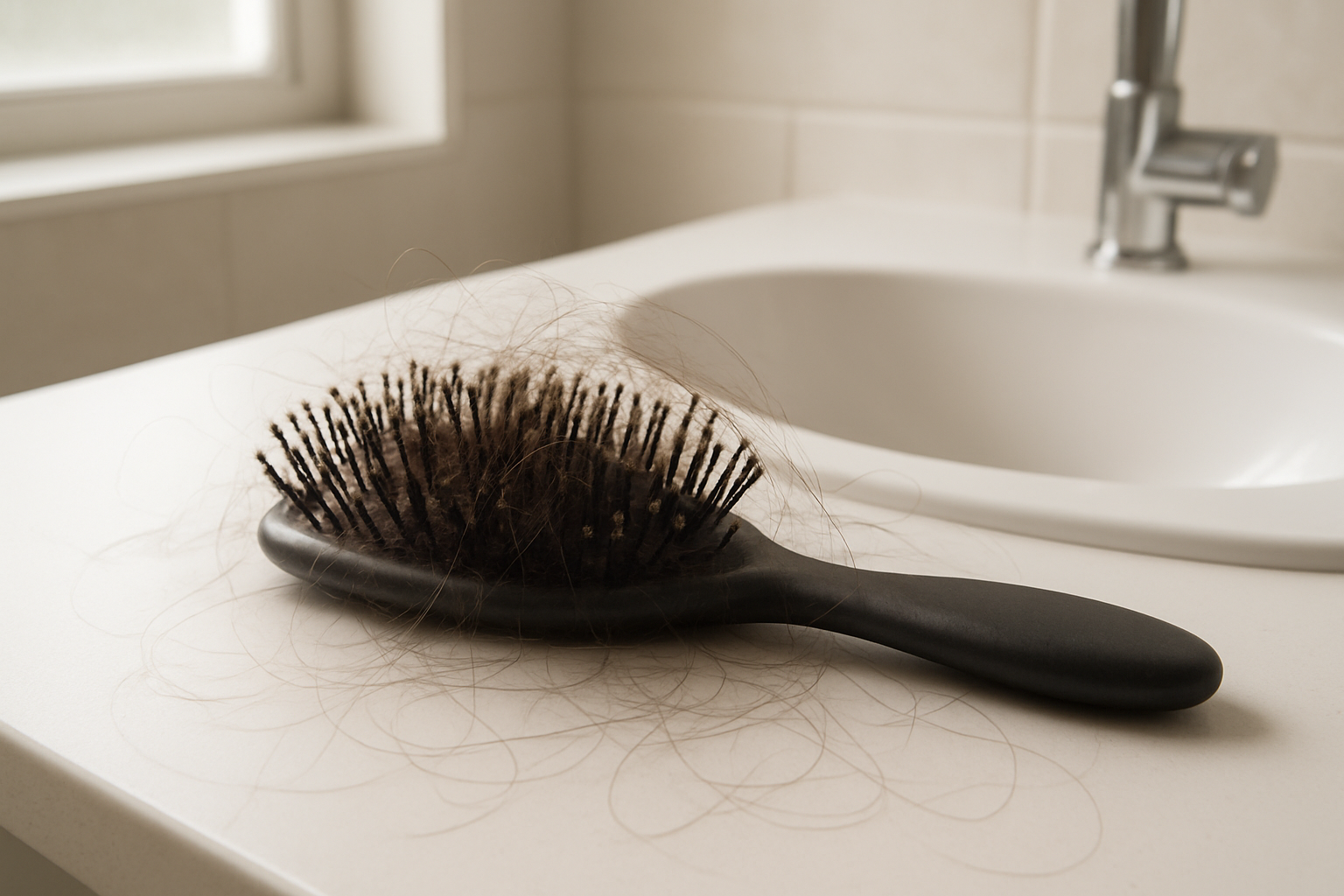
Your hormones play a major role in how much hair you lose daily. When estrogen levels drop during menopause, many women notice their hair thinning dramatically.
Pregnancy brings its own hair drama too – you might enjoy thick, luscious hair during those nine months, only to experience heavy shedding afterward as hormone levels crash back to normal.
Thyroid problems are sneaky culprits behind excessive hair fall. An overactive or underactive thyroid can send your hair growth cycle into chaos, causing more strands to enter the shedding phase simultaneously.
PCOS (polycystic ovary syndrome) creates another hormonal storm, with elevated androgens shrinking hair follicles and accelerating hair loss, especially around the crown and temples.
Even your monthly cycle affects hair fall patterns. Some women notice increased shedding right before their period when estrogen dips. Birth control pills can also trigger changes – starting or stopping them often leads to temporary but noticeable hair loss as your body adjusts to different hormone levels.
Nutritional Deficiencies That Weaken Hair Follicles
Your hair follicles are like tiny factories that need proper fuel to function. Iron deficiency ranks as the top nutritional cause of hair loss, particularly in women.
When your iron stores run low, your body prioritizes vital organs over hair growth, leaving follicles starved and unable to produce strong, healthy strands.
Protein shortage hits hair hard since strands are made almost entirely of keratin, a protein structure. Crash diets or severely restricted eating can push hair follicles into early shedding mode within just a few months.
Zinc deficiency creates similar problems, disrupting the hair growth cycle and leading to diffuse thinning across your scalp.
B vitamins, especially B12 and biotin, keep hair follicles functioning properly. Vegetarians and vegans often struggle with B12 deficiency, which can manifest as increased hair fall.
Vitamin D deficiency has also emerged as a significant factor – many people with hair loss show low vitamin D levels, though researchers are still exploring this connection.
Stress-Related Factors That Disrupt Hair Growth
Chronic stress wreaks havoc on your hair growth cycle through multiple pathways. When you’re constantly stressed, your body produces excess cortisol, which can push hair follicles into the resting phase prematurely.
This type of stress-induced hair loss, called telogen effluvium, typically shows up two to three months after the stressful period begins.
Physical stress hits just as hard as emotional stress. Major surgery, high fever, car accidents, or severe infections can trigger widespread hair shedding weeks later.
For More Information Contact Us : 73386 71338
Your body essentially goes into survival mode, shutting down non-essential functions like hair growth to focus energy elsewhere.
Sleep deprivation compounds stress effects on hair. Poor sleep quality disrupts hormone production and increases inflammation, both of which negatively impact hair follicle health.
Night shift workers and people with chronic insomnia often report increased hair fall that improves once their sleep patterns normalize.
Medical Conditions That Cause Abnormal Hair Loss
Autoimmune conditions top the list of medical causes behind excessive hair fall. Alopecia areata creates patchy bald spots when your immune system mistakenly attacks hair follicles.
Lupus and other systemic autoimmune diseases can cause diffuse hair thinning as inflammation affects follicle function throughout the scalp.
Scalp conditions like seborrheic dermatitis, psoriasis, and fungal infections create hostile environments for healthy hair growth. The inflammation and itching associated with these conditions can damage follicles and increase hair fall significantly.
Trichotillomania, a psychological condition involving compulsive hair pulling, causes mechanical damage that leads to noticeable hair loss in specific areas.
Certain medications carry hair loss as a side effect. Chemotherapy drugs are the most well-known, but blood thinners, antidepressants, beta-blockers, and even some acne medications can increase hair shedding.
The timing varies – some people notice changes within weeks, while others don’t see effects for several months.
Seasonal Changes That Affect Hair Fall Patterns
Your hair follows natural seasonal rhythms that many people don’t realize exist. Fall typically brings the heaviest hair shedding period, with many people losing 50-100% more hair than usual during September through November.
This pattern likely evolved as a protective mechanism – growing thicker hair in winter and shedding excess strands when they’re less needed for warmth.
Summer heat and sun exposure can damage hair structure, leading to increased breakage and fall. Chlorine from swimming pools strips natural oils and weakens hair shafts. Air conditioning creates dry environments that make hair more brittle and prone to shedding.
Winter’s dry air and indoor heating systems create challenging conditions for hair health. Low humidity levels can make hair more fragile, while wearing hats and scarves increases friction that leads to mechanical hair loss.
Spring often brings relief as humidity levels rise and environmental stressors decrease.
Simple Tests to Determine Your Hair Issue at Home
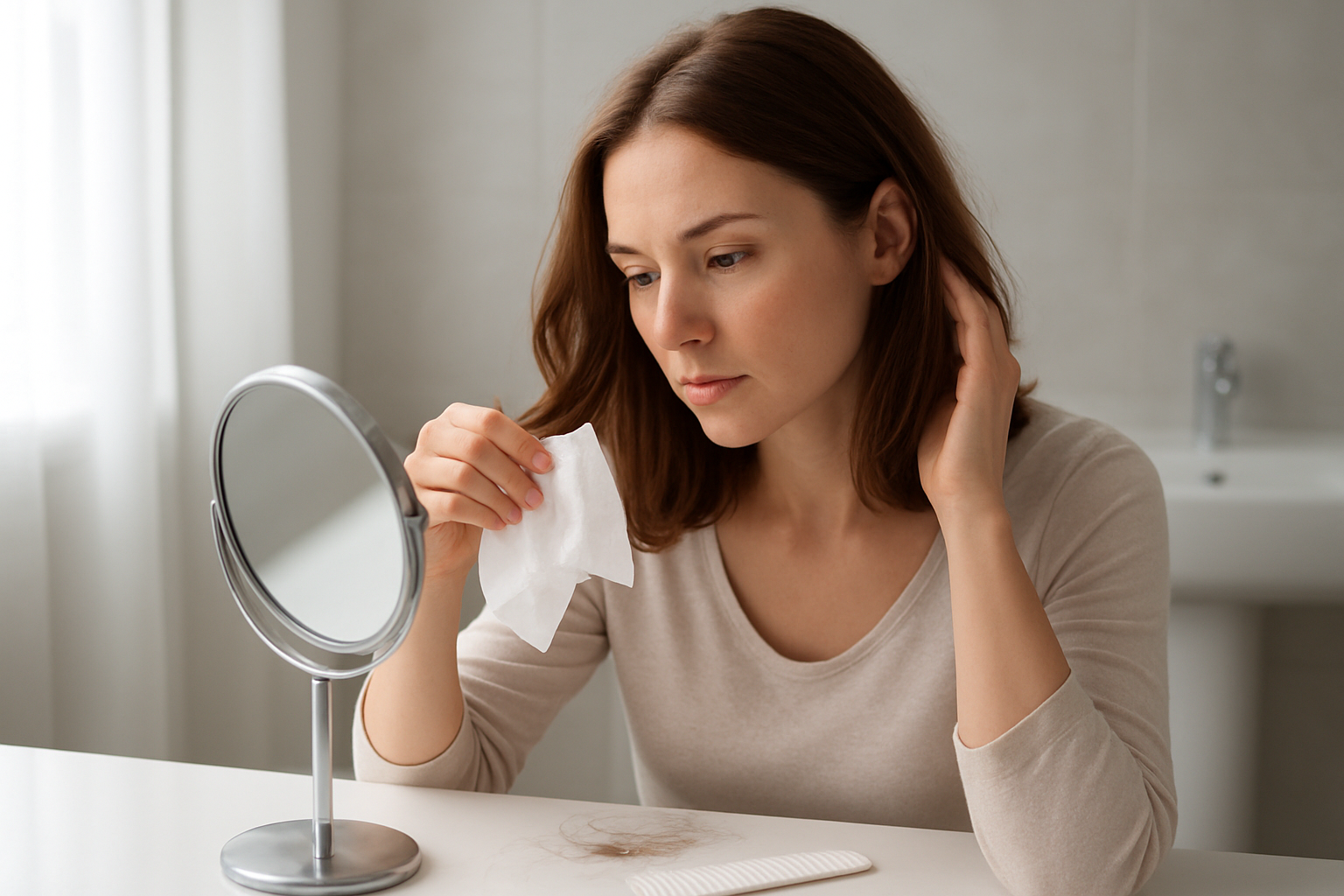
The Pull Test Method for Checking Hair Fall
Grab a small section of hair between your thumb and forefinger – about 60 strands works perfectly. Hold the section firmly near your scalp and slowly pull your fingers down the length of your hair with gentle but consistent pressure. Don’t yank or tug aggressively; you want a steady, controlled motion.
Count the strands that come out in your hand. Finding 5-10 hairs is completely normal and indicates healthy shedding. If you consistently pull out 15 or more strands each time you perform this test, you might be dealing with excessive hair fall rather than breakage.
The key difference lies in what comes out. Hair fall will show complete strands with the white bulb (root) still attached at one end. These hairs have completed their natural growth cycle and are ready to shed.
For More Information Contact Us : 73386 71338
Perform this test on dry hair that hasn’t been washed for at least 24 hours to get the most accurate results.
Repeat the pull test in different areas of your scalp – the crown, temples, and back of your head. Hair fall patterns can vary across your scalp, so testing multiple zones gives you a clearer picture of your overall hair health.
Examining Hair Ends to Identify Breakage Patterns
Your hair ends tell an incredibly detailed story about what’s happening to your strands. Collect fallen hairs from your brush, pillow, or shower drain and examine them closely under good lighting or with a magnifying glass.
Broken hair appears jagged and frayed at the ends, almost like someone took tiny scissors and cut irregularly through the strand.
You’ll notice the hair looks damaged, with split ends, white dots along the shaft, or rough, uneven tips. These broken pieces are usually much shorter than your normal hair length because they’ve snapped off mid-strand.
Naturally shed hair looks completely different. The ends are smooth and tapered, showing the hair’s original shape. One end will have the white or slightly translucent root bulb, while the other end maintains its natural pointed tip.
Look for patterns in where the breakage occurs. Hair that consistently breaks near the roots might indicate chemical damage or harsh styling. Mid-length breaks often point to heat damage or rough handling.
Breakage concentrated at the ends usually means your hair needs moisture or protection from environmental factors.
Document what you find by taking photos or keeping notes. This information becomes valuable when talking to a trichologist or dermatologist about your hair concerns.
For More Information Contact Us : 73386 71338
Counting Daily Hair Loss to Establish Your Baseline
Track your daily hair loss for one full week to understand your personal shedding pattern. Start by collecting all the hair that falls during your regular routine – from your brush, pillow, shower drain, and any strands you find on clothing or furniture.
Place collected hairs in a small container or envelope labeled with the date. At the end of each day, count the strands and record the number. Don’t worry about being perfectly precise; a close estimate works fine for establishing patterns.
| Day | Hair Count | Notes |
|---|---|---|
| Monday | 85 | Wash day |
| Tuesday | 45 | Regular brushing |
| Wednesday | 52 | Windy weather |
| Thursday | 48 | No washing |
| Friday | 95 | Wash day + styling |
Normal daily hair loss ranges from 50-100 strands, but your personal baseline might be different. Some people naturally shed closer to 50 strands daily, while others consistently lose 80-90 without any underlying issues.
Pay attention to factors that influence your daily count. Washing days typically show higher numbers because loose hairs that were ready to fall get removed during shampooing. Stress, hormonal changes, seasonal shifts, and even your hairstyle can affect daily shedding rates.
After establishing your baseline, you’ll quickly notice when something changes. A sudden jump from your normal 60 strands to 150+ for several consecutive days signals that something needs attention.
Targeted Solutions for Preventing Hair Breakage
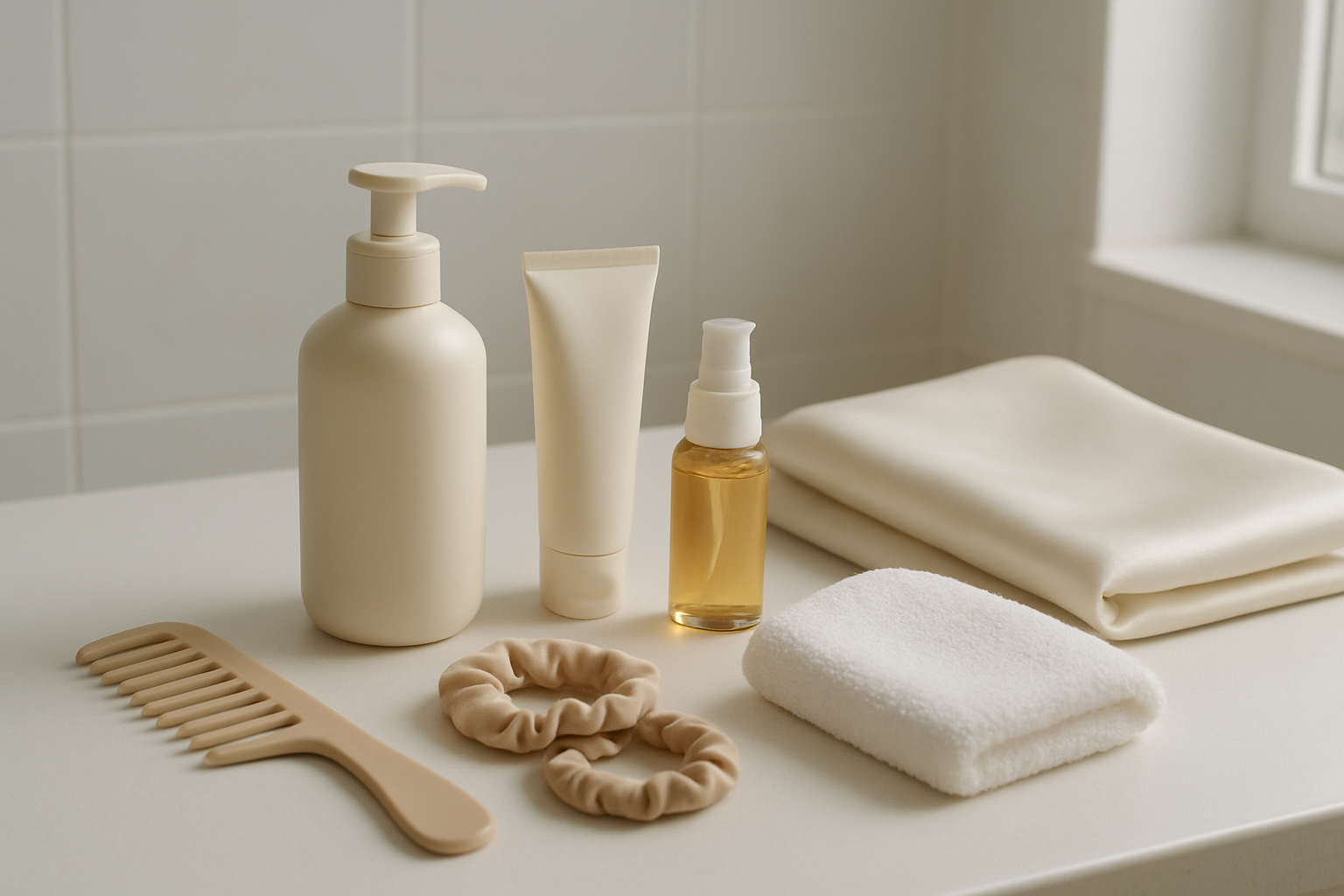
Protective Styling Techniques That Minimize Damage
Loose hairstyles are your hair’s best friend when it comes to preventing breakage. Tight ponytails, braids, and buns create tension at the root and along the shaft, causing strands to snap under pressure.
Switch to gentle alternatives like loose braids, low ponytails secured with fabric scrunchies, or protective styles that distribute weight evenly.
Hair wrapping techniques work wonders for preventing breakage during daily activities. Try the “pineapple” method – loosely gathering hair at the very top of your head with a silk scrunchie before bed. This keeps hair off your shoulders and prevents tangling without creating stress points.
Avoid styles that require excessive manipulation or tight accessories. Hair clips with sharp edges, rubber bands, and metal clasps can create weak spots that lead to breakage. Instead, choose seamless hair ties, padded clips, and accessories made from smooth materials.
Weekly protective styling rotations give your hair recovery time. Alternate between different low-maintenance styles rather than repeating the same look daily. This prevents repeated stress on the same sections of your hair.
Heat Protection Strategies for Styling Tools
Temperature control makes the difference between healthy styling and heat damage. Keep flat irons below 300°F for fine hair and under 350°F for thicker textures.
Curling irons should stay between 250-300°F for most hair types. Higher temperatures literally cook your hair proteins, creating brittle strands that break easily.
Heat protectant products create a barrier between your hair and styling tools. Apply these products to damp hair before blow-drying, or to dry hair before using flat irons or curling tools. Look for products containing silicones, which form a protective coating, or natural alternatives like argan oil.
| Hair Type | Recommended Temperature | Heat Protectant Type |
|---|---|---|
| Fine/Damaged | 250-280°F | Light spray or serum |
| Normal/Medium | 280-320°F | Cream or lotion |
| Thick/Coarse | 300-350°F | Heavy cream or oil blend |
Timing your heat exposure prevents cumulative damage. Limit heat styling to 2-3 times per week maximum, and always use the lowest effective temperature for your desired style.
Quick passes are better than prolonged heat exposure – move your tools steadily rather than holding them in one spot.
For More Information Contact Us : 73386 71338
Gentle Hair Care Products That Strengthen Strands
Sulfate-free shampoos clean without stripping natural oils that protect hair from breakage. These gentler cleansers maintain your hair’s moisture balance while removing dirt and buildup.
Look for formulations with coconut-derived cleansers or mild amino acid-based surfactants.
Protein treatments rebuild damaged hair cuticles and fill in microscopic gaps that cause weakness. Use protein masks once or twice monthly, depending on your hair’s damage level.
Signs you need more protein include hair that stretches excessively when wet or feels mushy and limp.
Deep conditioning masks should become part of your weekly routine. These intensive treatments penetrate the hair shaft to repair damage and add flexibility. Choose masks with ingredients like keratin, ceramides, or natural oils that match your hair’s porosity level.
pH-balanced products maintain your hair’s natural protective acid mantle. Hair cuticles lie flat in slightly acidic conditions (pH 4.5-5.5), creating smoother, stronger strands. Apple cider vinegar rinses or pH-adjusting leave-in treatments can help balance overly alkaline hair.
Nighttime Routines That Prevent Friction Damage
Silk or satin pillowcases reduce friction between your hair and bedding. Cotton pillowcases create drag that can cause tangles and breakage, especially for textured or chemically treated hair. The smooth surface of silk allows hair to glide rather than catch and snag.
Hair wrapping techniques protect your style and prevent morning tangles. Loose braids work well for longer hair, while silk scarves or bonnets protect shorter styles. The key is gentle containment without tight elastics or clips that create pressure points.
Pre-bedtime hair preparation sets you up for success. Apply a small amount of leave-in conditioner or hair oil to the ends, which are the oldest and most fragile parts of your strands. This extra protection helps prevent overnight drying and brittleness.
Sleep position adjustments can reduce hair stress. Try sleeping on your back occasionally to minimize contact between hair and pillow surfaces. If you’re a side sleeper, consider a silk-lined hood or buff to create a smooth barrier around your hairline.
Effective Treatments to Reduce Excessive Hair Fall
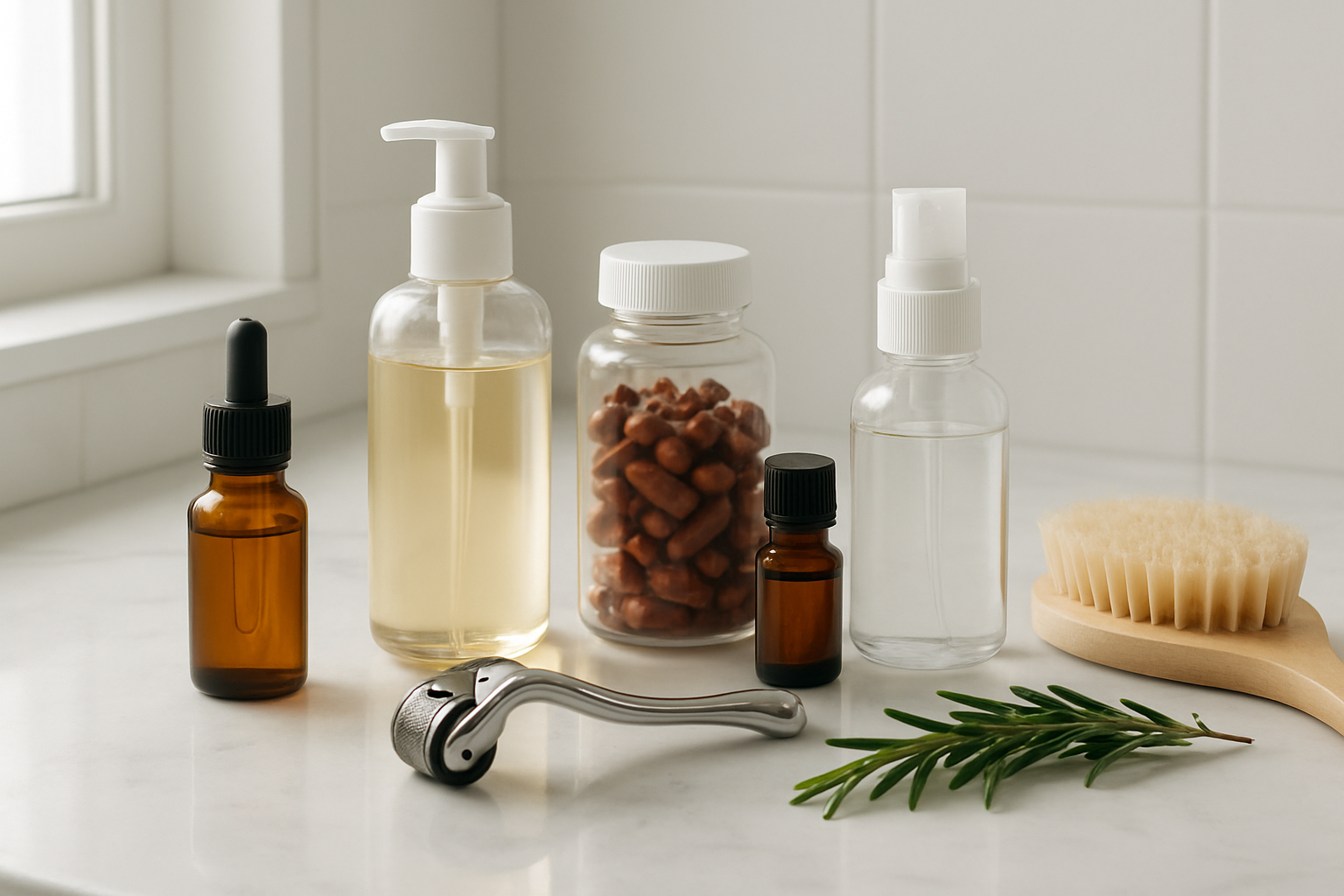
Scalp Massage Techniques That Improve Circulation
Regular scalp massage works like magic for stimulating blood flow to your hair follicles. When you massage your scalp, you’re basically giving your hair roots a wake-up call by increasing oxygen and nutrient delivery to each follicle.
Start with gentle circular motions using your fingertips, not your nails. Spend 5-10 minutes massaging from your hairline to the crown, then work your way down to the nape of your neck. The pressure should feel good but not painful.
Essential oils can supercharge your massage routine. Mix a few drops of rosemary, peppermint, or cedarwood oil with a carrier oil like jojoba or coconut oil. These oils have been shown to promote hair growth and improve scalp health.
For best results, massage your scalp 3-4 times per week. You can do this while washing your hair, watching TV, or before bed. Some people invest in scalp massage tools, but your fingers work just as well when used correctly.
Nutritional Supplements That Support Hair Growth
Your hair needs specific nutrients to grow strong and healthy. When your diet lacks these essentials, targeted supplements can fill the gaps and reduce excessive shedding.
Key supplements for hair health:
Biotin (Vitamin B7): Supports keratin production, which makes up 95% of your hair structure
Iron: Low iron levels are linked to hair loss, especially in women
Vitamin D: Deficiency can trigger hair follicles to go dormant
Zinc: Plays a crucial role in hair tissue growth and repair
Omega-3 fatty acids: Keep hair shiny and reduce inflammation that can cause hair loss
Dosage recommendations:
| Supplement | Daily Dosage | Best Time to Take |
|---|---|---|
| Biotin | 2,500-5,000 mcg | With breakfast |
| Iron | 18-25 mg | On empty stomach |
| Vitamin D | 1,000-2,000 IU | With fat-containing meal |
| Zinc | 8-15 mg | Between meals |
| Omega-3 | 1,000-2,000 mg | With meals |
Always check with your doctor before starting new supplements, especially if you’re taking medications or have health conditions.
Topical Treatments That Strengthen Hair Follicles
Topical treatments deliver active ingredients directly to your scalp where they can work on strengthening follicles and reducing hair fall. These treatments bypass your digestive system and get straight to work.
Minoxidil remains the gold standard for topical hair loss treatment. Available over-the-counter in 2% and 5% concentrations, it extends the growth phase of hair follicles and increases blood flow to the scalp. Apply twice daily to dry scalp and allow it to absorb completely.
Natural alternatives include:
Onion juice: Contains sulfur compounds that boost collagen production
Aloe vera: Soothes scalp inflammation and balances pH levels
Green tea rinse: Rich in antioxidants that protect follicles from damage
Castor oil: Contains ricinoleic acid, which improves circulation
Peptide serums are gaining popularity for their ability to signal hair follicles to enter the growth phase. Look for serums containing copper peptides, which help repair damaged follicles and stimulate new growth.
Apply topical treatments to clean, slightly damp hair for better absorption. Be consistent with application – most treatments take 3-6 months to show noticeable results.
Lifestyle Changes That Promote Healthy Hair Growth
Small daily habits can make a big difference in reducing hair fall and promoting stronger growth. These changes address the root causes that contribute to excessive shedding.
Sleep quality matters more than you think. During deep sleep, your body produces growth hormone, which directly affects hair growth. Aim for 7-9 hours of quality sleep and try sleeping on silk pillowcases to reduce friction that can cause breakage.
Stress management is non-negotiable. Chronic stress pushes hair follicles into the resting phase, leading to increased shedding 2-3 months later. Try these stress-busting techniques:
Daily meditation or deep breathing exercises
Regular physical activity (but avoid over-exercising)
Yoga or tai chi
Spending time in nature
Maintaining social connections
Hydration affects every cell in your body, including hair follicles. Drink at least 8 glasses of water daily and eat water-rich foods like cucumbers, watermelon, and leafy greens.
Heat styling modifications can prevent further damage while your hair recovers:
Use heat protectant products every time
Keep styling tools below 300°F
Air dry when possible
Limit heat styling to 2-3 times per week
Gentle hair handling includes using wide-tooth combs on wet hair, avoiding tight hairstyles, and choosing hair ties that don’t snag or pull.
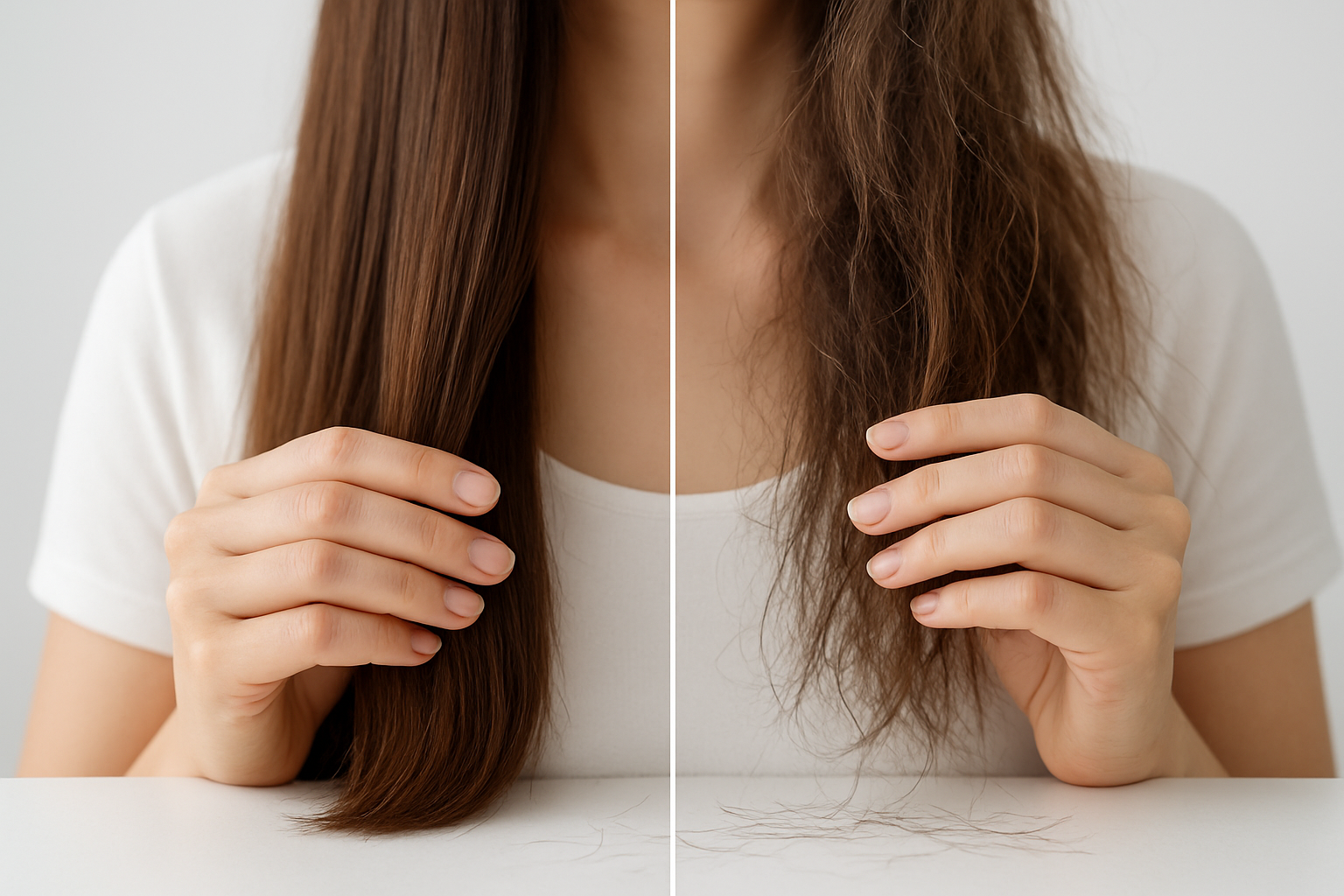
Hair breakage and hair fall might seem similar, but they’re completely different problems that need different approaches.
Breakage happens when your hair snaps somewhere along the strand due to damage, while hair fall is your hair naturally leaving from the root as part of its growth cycle.
The good news is that you can control most causes of breakage through better hair care habits, gentler styling, and proper nutrition. Hair fall, on the other hand, often signals deeper issues like hormones, stress, or health conditions that might need professional attention.
The simple at-home tests we covered can help you figure out exactly what’s happening with your hair, so you’re not guessing anymore. Once you know whether you’re dealing with breakage, excessive shedding, or both, you can pick the right treatments that actually work.
Don’t let hair problems stress you out – most issues are totally fixable with the right game plan. Start with one or two changes that feel manageable, and give your hair time to respond before adding more treatments to the mix.
For More Information Contact Us : 73386 71338