
This guide is for anyone struggling with slow-growing, damaged, or thinning hair who wants to identify what might be holding back their hair goals. You’ll discover the most damaging habits that could be stunting your growth and learn simple changes that make a real difference.
We’ll break down the biggest culprits behind sluggish hair growth, including how your washing routine might be working against you and why the products sitting on your bathroom shelf could be all wrong for your hair type.
You’ll also learn how heat styling and harsh chemicals create lasting damage that blocks healthy growth from the roots up.
Over-Washing and Under-Washing Your Hair
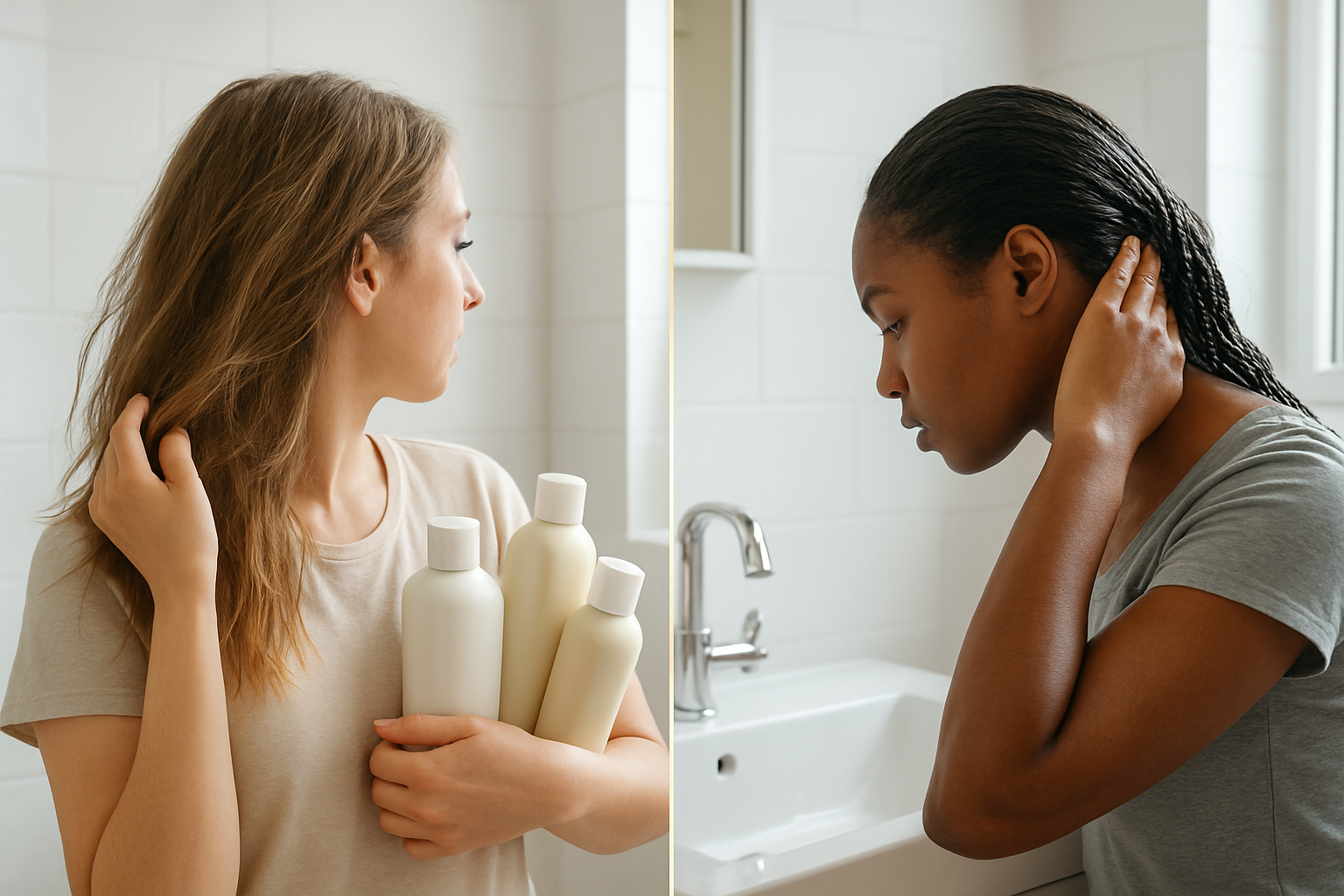
Your hair’s natural oil production varies dramatically based on your unique hair type and texture. Fine, straight hair tends to show oil buildup within 24-48 hours, while coarse, curly, or textured hair can go 5-7 days between washes without appearing greasy.
People with oily scalps might need daily washing, but those with dry or chemically-treated hair should wash just 2-3 times per week.
Climate plays a major role too. Hot, humid weather increases oil production and sweat accumulation, requiring more frequent washing. Cold, dry environments can actually slow oil production, allowing you to extend time between washes.
Your lifestyle matters as well – regular gym-goers or swimmers need different routines than office workers.
Start by observing your hair’s natural rhythm. Skip your usual wash day and notice when your hair begins feeling heavy, looking flat, or developing an oily appearance at the roots. T
his is your baseline frequency. From there, you can adjust based on seasonal changes, activity levels, and how your hair responds to different products.
Signs You’re Washing Too Often and Stripping Natural Oils
Overwashing creates a vicious cycle that many people don’t recognize. When you strip away natural sebum too frequently, your scalp responds by producing even more oil to compensate. This leads to greasier hair faster, making you feel like you need to wash more often.
Key warning signs include:
-
Hair that feels squeaky clean but becomes oily within 12-24 hours
-
Scalp irritation, flaking, or increased sensitivity
-
Hair that looks dull, feels rough, or tangles easily when wet
-
Color-treated hair that fades rapidly
-
Increased static and flyaways
-
Brittle ends that break easily
Your hair’s natural oils serve as a protective barrier, keeping strands moisturized and flexible. Without this protection, hair becomes vulnerable to environmental damage, heat styling damage, and mechanical breakage.
The cuticle layer can become raised and damaged, making hair appear frizzy and feel rough to the touch.
If you notice these symptoms, try reducing your washing frequency gradually. Your scalp needs time to adjust and regulate oil production, so expect a transition period of 2-3 weeks before seeing improvement.
Consequences of Infrequent Washing and Scalp Buildup
While overwashing damages hair, underwashing creates its own set of problems that can seriously impact hair growth. Dead skin cells, excess sebum, styling product residue, and environmental pollutants accumulate on the scalp, creating an unhealthy environment for new hair growth.
This buildup can clog hair follicles, leading to:
-
Slower hair growth rates
-
Increased hair shedding and breakage
-
Scalp conditions like seborrheic dermatitis or folliculitis
-
Persistent itching and inflammation
-
Unpleasant odors that don’t disappear with dry shampoo
-
Weakened hair shafts that break at the root
Product buildup from leave-in treatments, oils, and styling products compounds the problem. These residues create a film that prevents moisture from penetrating the hair shaft and can make hair appear dull and lifeless regardless of the products you use.
Your scalp needs adequate blood circulation to deliver nutrients to hair follicles. When buildup creates inflammation, it restricts this circulation, potentially leading to miniaturization of follicles and gradual hair thinning over time.
How to Adjust Your Routine Based on Hair Texture and Lifestyle
Fine hair requires the most frequent washing because oil travels down the hair shaft quickly, making roots appear greasy faster. These hair types benefit from lightweight, volumizing shampoos and should avoid heavy conditioning treatments on the scalp area.
Medium-textured hair offers the most flexibility, typically handling washing every 2-4 days depending on oil production and styling preferences. This hair type can use a wider range of products without being weighed down.
Thick, coarse, or curly hair needs the least frequent washing – often just 1-2 times per week. These textures have difficulty distributing natural oils from root to tip, so preserving sebum becomes crucial for maintaining moisture and preventing breakage.
| Hair Type | Washing Frequency | Special Considerations |
|---|---|---|
| Fine/Straight | Every 1-2 days | Use lightweight products, avoid over-conditioning |
| Medium/Wavy | Every 2-4 days | Balance moisture without weighing down |
| Thick/Curly | 1-2 times per week | Focus on moisture retention and gentle cleansing |
Active lifestyles require modifications to any base routine. Gym enthusiasts should rinse with water after workouts and use dry shampoo between wash days.
Swimmers need weekly clarifying treatments to remove chlorine buildup. People in polluted urban environments might need more frequent washing regardless of hair type.
Seasonal adjustments are equally important. Summer heat and humidity call for more frequent washing, while winter’s dry air allows for extended periods between washes. Pay attention to how your hair responds and adjust accordingly rather than sticking rigidly to a schedule.
Using the Wrong Hair Products for Your Hair Type
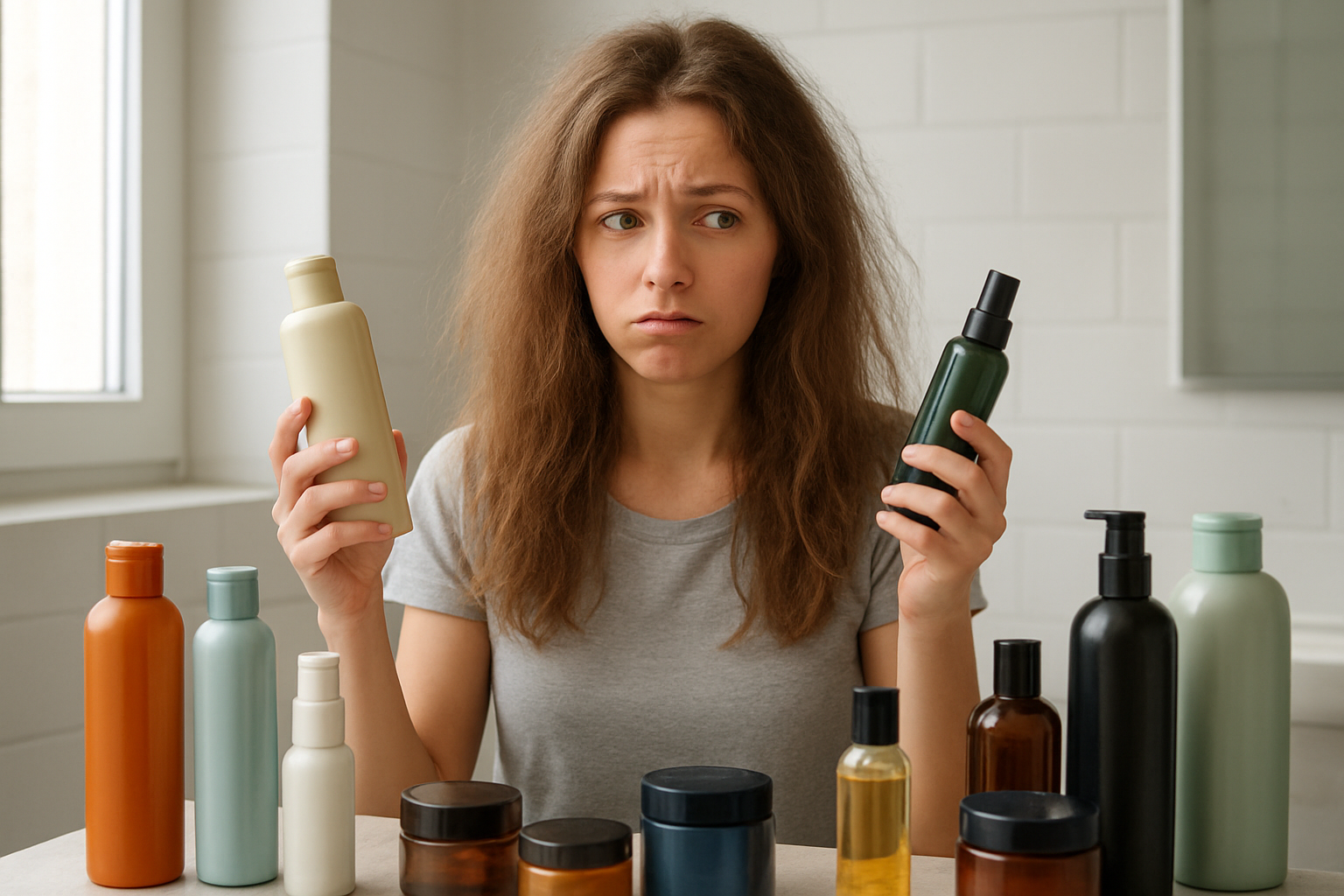
Identifying Your Hair Porosity and Density
Hair porosity determines how easily your hair absorbs and retains moisture, while density refers to how many strands you have per square inch.
These two factors completely change what products will work for your hair. High porosity hair drinks up products quickly but also loses moisture fast, so you need heavier creams and oils.
Low porosity hair repels moisture initially but holds onto it longer, requiring lighter products that won’t weigh it down.
The float test helps identify porosity: drop a clean strand in water. If it sinks quickly, you have high porosity. If it floats for several minutes, your porosity is low. For density, part your hair and look at your scalp.
If you can easily see through to your scalp, you have low density and need volumizing products. Thick, hard-to-see-through hair needs products that won’t overwhelm the strands.
Avoiding Harsh Sulfates That Damage Hair Follicles
Sulfates strip natural oils so aggressively that they create a cycle of dryness and overproduction of sebum. Sodium lauryl sulfate and sodium laureth sulfate are the biggest culprits, leaving hair brittle and scalps irritated. This irritation can inflame hair follicles and disrupt the growth cycle.
Sulfate-free alternatives clean effectively without the harsh stripping action. Look for gentle cleansers like cocamidopropyl betaine or decyl glucoside.
These maintain your hair’s natural moisture barrier while still removing dirt and buildup. Your scalp stays balanced, creating a healthier environment for growth.
Choosing Products with Growth-Supporting Ingredients
Growth-promoting ingredients work at the follicle level to encourage healthy hair development. Biotin strengthens the hair shaft, while niacinamide improves blood circulation to the scalp. Caffeine stimulates follicles and can extend the growth phase of the hair cycle.
Essential oils like rosemary and peppermint have clinical backing for growth promotion. Rosemary oil performed as well as 2% minoxidil in studies, while peppermint oil increased follicle depth and number. Peptides like copper peptides help repair damaged follicles and improve hair thickness over time.
| Growth Ingredient | Primary Benefit | Best Hair Type |
|---|---|---|
| Biotin | Strengthens hair shaft | All types |
| Niacinamide | Improves circulation | Thinning hair |
| Rosemary Oil | Stimulates growth | All types |
| Copper Peptides | Repairs follicles | Damaged/aging hair |
Understanding Product Labels to Make Informed Choices
Ingredient lists appear in descending order by concentration, so the first five ingredients make up most of the product. Water typically comes first in shampoos and conditioners. If sulfates appear in the top five, the product is likely too harsh for regular use.
Watch for disguised harmful ingredients. “Fragrance” can hide hundreds of unlisted chemicals, some of which cause scalp irritation. Alcohols like denatured alcohol dry out hair, but fatty alcohols like cetyl alcohol actually condition it.
Silicones aren’t automatically bad – water-soluble ones like PEG-modified silicones rinse clean, while heavy ones like dimethicone can build up without proper clarifying.
Marketing terms like “natural” and “organic” aren’t regulated, so read the actual ingredients. pH levels matter too – look for products between 4.5-7 pH to maintain your hair’s optimal acid mantle and prevent cuticle damage that leads to breakage.
Excessive Heat Styling and Chemical Damage
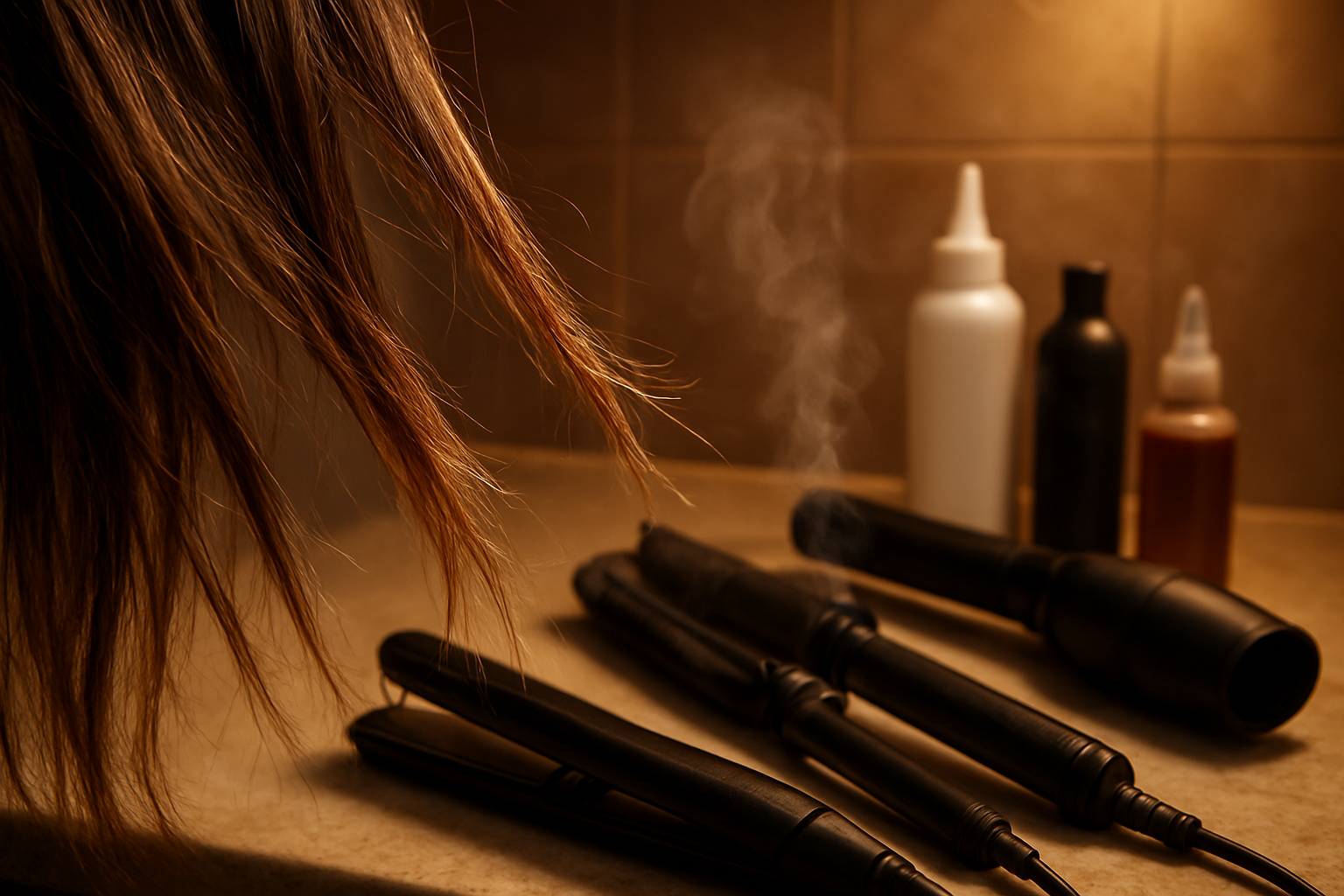
Setting Safe Temperature Limits for Heat Tools
Heat styling tools can reach temperatures exceeding 450°F, but your hair doesn’t need that much heat to achieve great results.
Most hair types respond well to temperatures between 250-300°F, with fine or damaged hair requiring even lower settings around 200-250°F. Coarse, thick, or resistant hair might need temperatures up to 350°F, but rarely higher.
Your flat iron, curling wand, or blow dryer should have adjustable temperature controls. Start with the lowest effective temperature and gradually increase only if needed. Digital displays help you monitor exact temperatures rather than relying on vague “low,” “medium,” and “high” settings.
Different styling goals require different approaches:
-
Smoothing and straightening: 250-300°F for most hair types
-
Creating curls: 275-325°F depending on hair texture
-
Touch-ups on clean hair: 200-250°F maximum
Remember that wet or damp hair is more vulnerable to heat damage. Always ensure hair is completely dry before using flat irons or curling tools, as wet hair can literally cook when exposed to high temperatures.
Protecting Hair with Quality Heat Protectant Products
Heat protectants create a barrier between your hair and styling tools, reducing moisture loss and preventing protein damage. Look for products containing silicones like cyclopentasiloxane or dimethicone, which form protective films around hair strands.
Apply heat protectant to damp hair before blow-drying, or to dry hair before using flat irons or curling tools. Distribute the product evenly from mid-length to ends, avoiding the scalp area. Don’t skip this step even for quick touch-ups.
| Product Type | Best For | Application Method |
|---|---|---|
| Spray formulas | Fine to medium hair | Mist evenly, comb through |
| Cream formulas | Thick, coarse hair | Work through with hands |
| Oil-based | Very dry, damaged hair | Apply sparingly to ends |
Quality heat protectants often include additional benefits like UV protection, humidity resistance, and shine enhancement. Some contain keratin proteins or amino acids that temporarily fill in damaged areas of the hair shaft.
Reducing Chemical Processing Frequency
Chemical treatments like relaxers, perms, bleaching, and coloring create permanent changes to your hair’s structure. Each chemical service weakens the hair shaft, making it more susceptible to breakage and environmental damage.
Space out chemical treatments by at least 6-8 weeks minimum. If you color your hair regularly, consider these safer alternatives:
-
Root touch-ups instead of full-head applications
-
Semi-permanent or demi-permanent colors between permanent services
-
Highlights or lowlights rather than all-over bleaching
-
Professional-grade products over box dyes
Never overlap chemical services. For example, don’t get a relaxer and color treatment in the same visit. Your hair needs time to recover and rebuild its strength between chemical processes.
Deep conditioning treatments between services help maintain hair integrity, but they can’t completely reverse chemical damage.
Recognizing Signs of Heat and Chemical Damage
Damaged hair sends clear warning signals that many people ignore until the damage becomes severe. Early recognition allows you to adjust your routine before experiencing significant hair loss.
Immediate signs of heat damage:
-
Hair feels rough or straw-like when dry
-
Increased tangling and difficulty combing
-
Loss of natural shine and luster
-
Hair breaks easily when stretched
Progressive chemical damage indicators:
-
Excessive shedding during washing or styling
-
Hair that won’t hold curls or styles
-
Uneven texture along the hair shaft
-
White dots on hair strands (indicating severe damage)
-
Hair that feels gummy when wet
Advanced damage symptoms:
-
Significant hair breakage at multiple lengths
-
Bald spots or extremely thin areas
-
Hair that snaps with minimal manipulation
-
Complete loss of elasticity
Regular strand tests help monitor your hair’s condition. Take a single hair strand and gently stretch it. Healthy hair should stretch about 30% of its length before breaking and return to its original state when released. Damaged hair breaks immediately or stretches excessively without returning to normal.
Poor Scalp Care and Neglecting the Root Environment
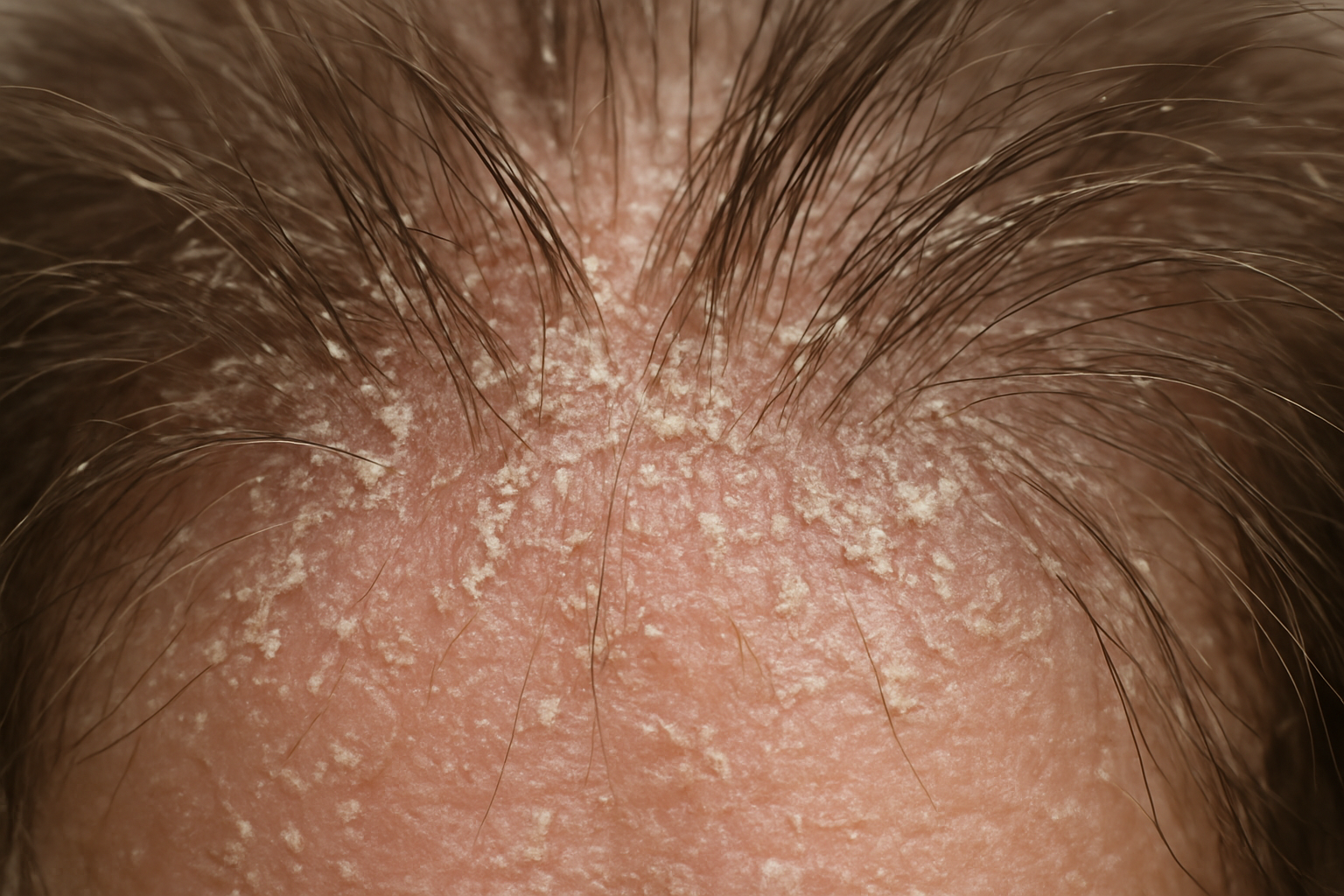
Maintaining Proper Scalp Hygiene for Optimal Growth
Your scalp is essentially the soil where your hair grows, and just like plants need healthy soil to thrive, your hair needs a clean, balanced scalp environment. Many people focus solely on their hair strands while completely ignoring the foundation where it all begins.
A healthy scalp maintains the right pH balance (around 4.5-5.5), which creates an optimal environment for hair follicles to function properly. When your scalp accumulates excess oil, dead skin cells, and product buildup, it can clog follicles and create inflammation that disrupts the natural growth cycle.
The key is finding the sweet spot between keeping your scalp clean and avoiding over-cleansing. Use a gentle, sulfate-free shampoo that removes buildup without stripping away natural oils completely. Pay attention to how your scalp feels – it should never be tight, flaky, or irritated after washing.
Weekly clarifying treatments can help remove stubborn buildup that regular shampoos miss. Look for ingredients like salicylic acid or apple cider vinegar that gently exfoliate without causing irritation.
Always follow up with a lightweight conditioner applied only to your mid-lengths and ends to avoid weighing down your roots.
Incorporating Regular Scalp Massage Techniques
Scalp massage isn’t just a luxury spa treatment – it’s a scientifically-backed method for promoting hair growth. Regular massage increases blood circulation to the hair follicles, delivering essential nutrients and oxygen that fuel healthy growth.
Studies show that just 4 minutes of daily scalp massage can lead to thicker hair over time by stretching the cells within hair follicles. The mechanical stimulation also helps distribute natural oils from your scalp throughout your hair, providing natural conditioning.
Here are effective massage techniques you can try:
-
Fingertip massage: Use the pads of your fingers (never nails) to apply gentle pressure in small circular motions across your entire scalp
-
Oil massage: Incorporate oils like jojoba, rosemary, or peppermint for added benefits
-
Brush massage: Use a boar bristle brush or scalp massage brush to stimulate circulation
-
Pressure point focus: Spend extra time on areas where you want to promote growth
The best times for scalp massage are before washing your hair or before bed. Start with 2-3 minutes daily and gradually work up to longer sessions. The key is consistency – regular, gentle stimulation works better than occasional intense sessions.
Addressing Scalp Conditions That Hinder Growth
Scalp conditions can create significant barriers to healthy hair growth, yet many people suffer in silence or try to cover up symptoms rather than address the root cause.
Common conditions like dandruff, seborrheic dermatitis, psoriasis, and folliculitis can all disrupt the growth cycle and lead to hair thinning or loss.
Dandruff, caused by an overgrowth of yeast called Malassezia, creates inflammation and flaking that can clog follicles. Look for shampoos containing zinc pyrithione, ketoconazole, or selenium sulfide to control yeast growth and reduce symptoms.
| Condition | Main Symptoms | Treatment Approach |
|---|---|---|
| Dandruff | White flakes, mild itching | Anti-fungal shampoos, tea tree oil |
| Seborrheic Dermatitis | Yellow/greasy scales, redness | Medicated shampoos, topical treatments |
| Scalp Psoriasis | Thick, silvery scales | Tar-based products, salicylic acid |
| Folliculitis | Small bumps, pustules | Antibacterial treatments, gentle cleansing |
Hormonal imbalances can also affect scalp health, particularly androgenic alopecia (pattern hair loss). This condition causes follicles to shrink over time, producing progressively thinner hair before eventually stopping growth altogether.
If you notice persistent scalp issues, unusual hair loss patterns, or symptoms that don’t improve with over-the-counter treatments, consult a dermatologist or trichologist. Early intervention can prevent many scalp conditions from progressing and causing permanent damage to your hair follicles.
Remember that scalp health is an ongoing process, not a quick fix. Consistent care, proper hygiene, and addressing issues promptly will create the optimal environment for your hair to reach its full growth potential.
Nutritional Deficiencies That Stunt Hair Growth
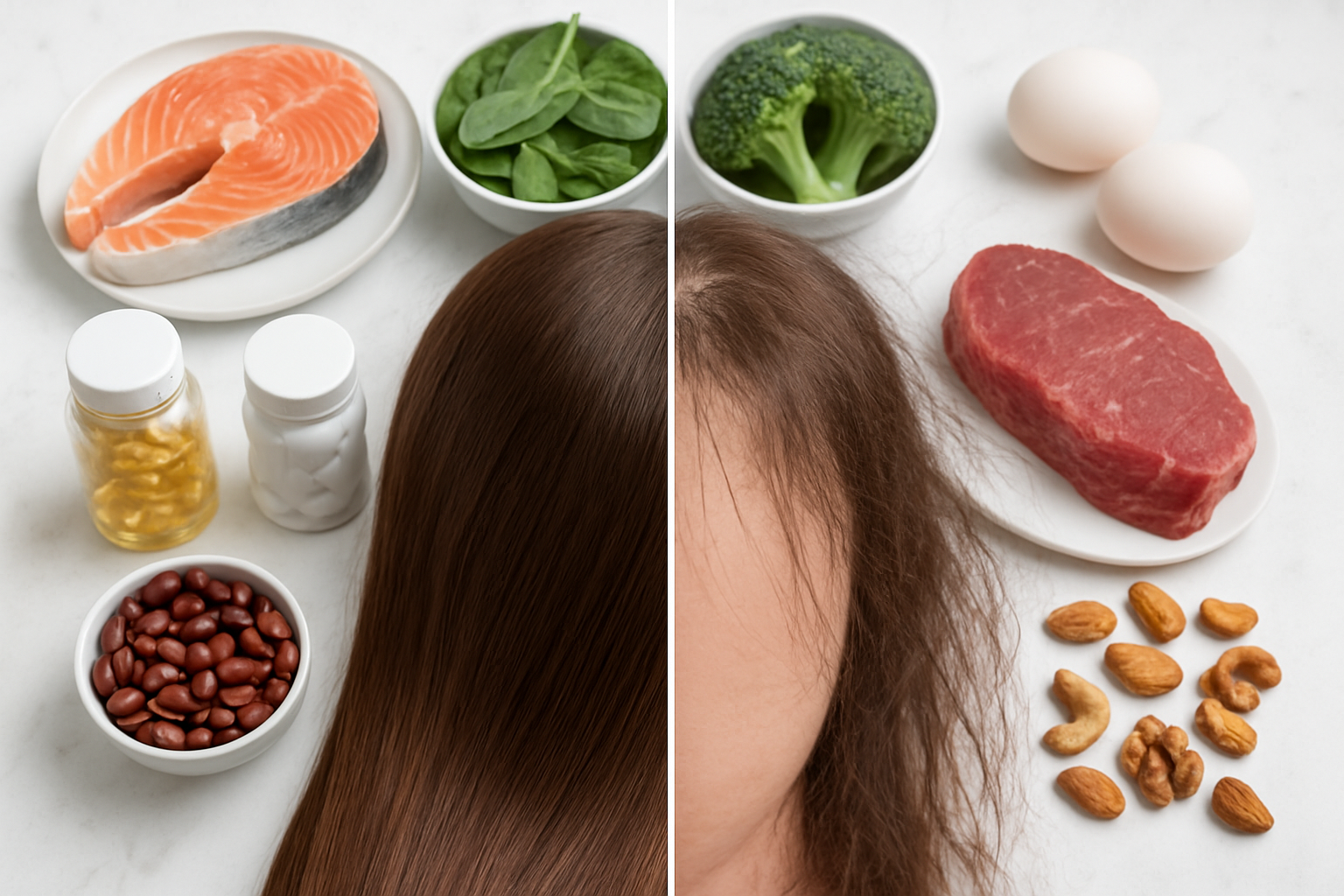
Essential Vitamins and Minerals for Healthy Hair
Your hair follicles are like tiny factories working around the clock, and they need the right raw materials to produce strong, healthy strands.
Iron stands at the top of the list – without adequate iron, your hair follicles can’t get enough oxygen, leading to brittle, slow-growing hair. Women are particularly susceptible to iron deficiency, especially during menstruation.
Protein forms the building blocks of hair since keratin makes up about 95% of each strand. Your body needs complete proteins containing all essential amino acids to manufacture strong hair.
For More Information Contact us : 73386 71338
Biotin and other B vitamins act like spark plugs in the hair growth engine, helping convert nutrients into energy for follicle activity.
Vitamin D plays a crucial role in creating new hair follicles, while zinc helps repair damaged follicles and keeps oil glands around them functioning properly.
Don’t overlook vitamin C – it helps your body absorb iron and produces collagen, which strengthens hair structure. Omega-3 fatty acids keep hair shiny and prevent dryness, while vitamin E protects follicles from oxidative stress that can slow growth.
Common Dietary Gaps That Affect Hair Health
Modern eating habits create several nutritional blind spots that directly impact hair growth. Crash dieting tops the list of hair growth saboteurs. When you drastically cut calories, your body redirects nutrients away from “non-essential” functions like hair growth to maintain vital organs.
Vegetarian and vegan diets, while healthy overall, can create specific deficiencies if not carefully planned. Iron from plant sources isn’t as easily absorbed as iron from meat, and vitamin B12 is nearly impossible to get without animal products or supplements.
Many people following these diets don’t realize their hair thinning might stem from missing nutrients.
Processed food diets create another problem. These foods often lack the bioavailable vitamins and minerals your hair needs while being loaded with sugar and unhealthy fats that can promote inflammation around hair follicles.
Even people who think they eat well might have gaps – for example, if you avoid seafood, you might be missing omega-3 fatty acids that keep hair flexible and shiny.
Restrictive eating patterns, whether due to food allergies, intolerances, or personal preferences, can create unexpected deficiencies. Someone avoiding dairy might miss out on important B vitamins, while those who don’t eat nuts and seeds could lack healthy fats and vitamin E.
Hydration’s Critical Role in Hair Growth
Water doesn’t just keep you alive – it’s the delivery system for every nutrient your hair follicles need. When you’re dehydrated, your body prioritizes water for essential organs, leaving your hair follicles running on empty. This shows up as dry, brittle hair that breaks easily and grows slowly.
Your scalp needs proper hydration to maintain a healthy environment for hair growth. Dehydrated scalp tissue becomes tight and less flexible, which can restrict blood flow to follicles. Think of trying to grow plants in dry, hard soil versus rich, moist earth – your follicles face the same challenge.
The general rule of drinking eight glasses of water daily might not be enough if you’re active, live in a dry climate, or consume caffeine and alcohol regularly – both of which can dehydrate you.
Your hair cells are among the first to suffer when water intake drops because they’re not essential for immediate survival.
Pay attention to your hair’s texture and your scalp’s condition. If your hair feels rough or your scalp is flaky and tight, inadequate hydration might be the culprit before you blame products or genetics.
When to Consider Professional Nutritional Assessment
Sometimes hair problems persist despite your best efforts with diet and supplements. If you’ve been eating well and staying hydrated for several months but still notice excessive shedding, slow growth, or changes in hair texture, a professional assessment can identify hidden issues.
Certain medical conditions affect nutrient absorption even when your diet looks perfect on paper. Thyroid disorders, celiac disease, and digestive issues can prevent your body from using nutrients effectively. A healthcare provider can run specific tests to check for these underlying problems.
Blood tests can reveal deficiencies that aren’t obvious from symptoms alone. Iron deficiency, for example, can exist long before you feel tired or notice pale skin. Similarly, vitamin D deficiency is extremely common but often goes undetected until levels become severely low.
Consider professional help if you have a history of eating disorders, follow a very restrictive diet for medical reasons, or take medications that might interfere with nutrient absorption.
For More Information Contact us : 73386 71338
Some people also have genetic variations that affect how they process certain vitamins, making standard recommendations inadequate for their needs.
A registered dietitian who specializes in hair health can create a personalized nutrition plan that addresses your specific deficiencies while fitting your lifestyle and preferences.
Aggressive Styling Practices and Tension Damage
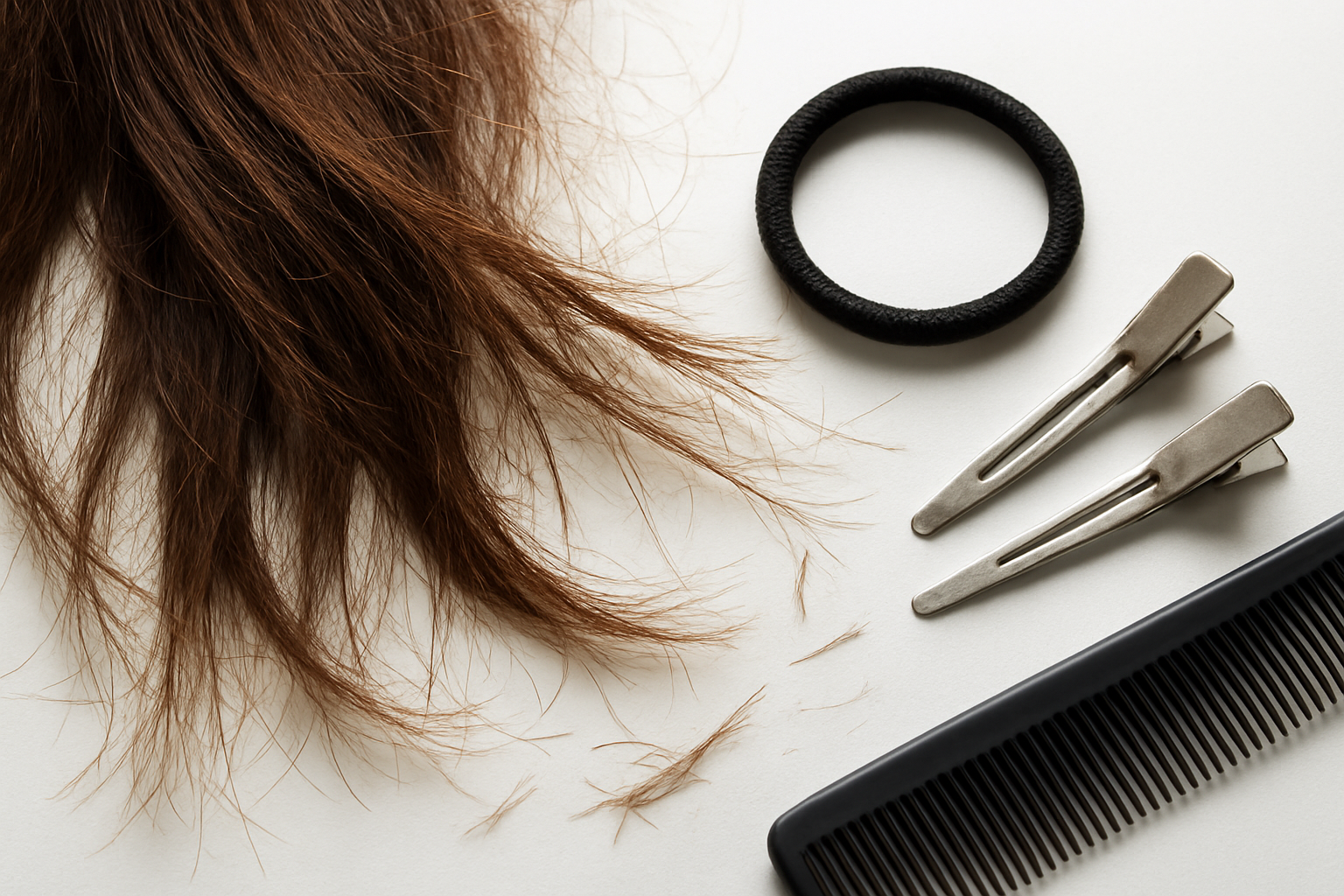
Constantly pulling your hair into tight ponytails, braids, or buns creates a condition called traction alopecia, where repeated tension literally pulls hair from the follicles.
The hairline and edges are especially vulnerable since these areas have finer, more delicate strands. You might notice baby hairs breaking off or your hairline gradually receding if you’ve been wearing tight styles regularly.
Braids pulled too tightly can cause permanent damage to hair follicles, leading to scarring that prevents future growth. The same goes for tight weaves, extensions, or any style that creates continuous tension on your scalp. Your hair should never hurt when styled – pain signals that you’re pulling too hard.
Instead, opt for looser versions of your favorite styles. Leave some slack in ponytails, don’t pull braids to the point of tension, and give your hair regular breaks from any restrictive styling.
Protective styles should actually protect your hair, not stress it out. Rotate between different styling methods so you’re not repeatedly targeting the same areas with tension.
Using Gentle Hair Accessories and Tools
Traditional rubber bands and metal hair ties are hair’s worst enemies. They snag, pull, and create weak spots that inevitably break. Swap these out for silk or satin scrunchies, spiral hair ties, or soft fabric bands that won’t grip your hair with damaging friction.
Bobby pins might seem harmless, but rough or bent pins can scratch your hair cuticles and create split ends. Choose smooth, coated bobby pins and replace them when they become rough or bent. Hair clips with sharp edges or tight springs also damage strands by creating pressure points and friction.
| Damaging Tools | Better Alternatives |
|---|---|
| Rubber bands | Silk scrunchies |
| Metal clips | Coated bobby pins |
| Tight elastics | Spiral hair ties |
| Rough brushes | Wide-tooth combs |
Your pillowcase deserves attention too – cotton creates friction while you sleep, leading to tangles and breakage. Silk or satin pillowcases let your hair glide smoothly, reducing overnight damage significantly.
Proper Brushing Techniques to Minimize Damage
Brushing wet hair is one of the fastest ways to cause breakage since water makes strands more elastic and vulnerable. If you must detangle wet hair, use a wide-tooth comb and work from the ends upward, never starting from the roots and dragging down through knots.
The key to safe brushing is patience and the right technique. Start at the ends of your hair and work your way up in small sections, gently working through tangles rather than forcing through them. Aggressive brushing tears through knots, taking healthy hair with it.
Choose your brush wisely – boar bristle brushes distribute natural oils without causing static, while paddle brushes with flexible bristles bend with your hair instead of breaking it. Avoid brushes with plastic bristles that have rough or sharp edges.
Brush frequency matters too. Over-brushing stimulates oil production and can damage your hair cuticles through excessive friction. Most hair types only need brushing once or twice daily, and some textured hair types benefit from even less frequent brushing.
When dealing with stubborn tangles, apply a leave-in conditioner or detangling spray first. Never brush through dry, tangled hair without some form of slip to help the brush glide through smoothly.
Conclusion :
Growing healthy hair doesn’t have to be complicated, but avoiding these common mistakes can make all the difference in your hair journey.
From finding the right washing frequency and choosing products that match your hair type to protecting your strands from heat damage and taking care of your scalp, each step matters.
Don’t forget that what you eat affects your hair too – your follicles need proper nutrition to produce strong, healthy strands.
The key is being gentle with your hair and listening to what it needs. Skip the tight ponytails and aggressive brushing, give your scalp some love with regular massages, and fuel your body with hair-healthy nutrients.
Small changes in your routine can lead to big improvements in your hair’s length, strength, and overall health. Start with one or two adjustments and build from there – your future self will thank you for the patience and care you show your hair today.
For More Information Contact us : 73386 71338