
Getting a hair transplant in Bangalore can feel overwhelming, especially when you’re not sure what comes next. This guide breaks down the hair transplant recovery stages in Bangalore for anyone considering the procedure or already scheduled for surgery at Mister Hair.
You’ll discover what happens during those crucial first few days after surgery, how your scalp heals over the following weeks, and when you can expect to see real results.
We’ll also cover how to choose the right clinic in Bangalore and what makes some recovery experiences smoother than others.
Pre-Surgery Preparation and What to Expect
Essential medical tests and consultations required
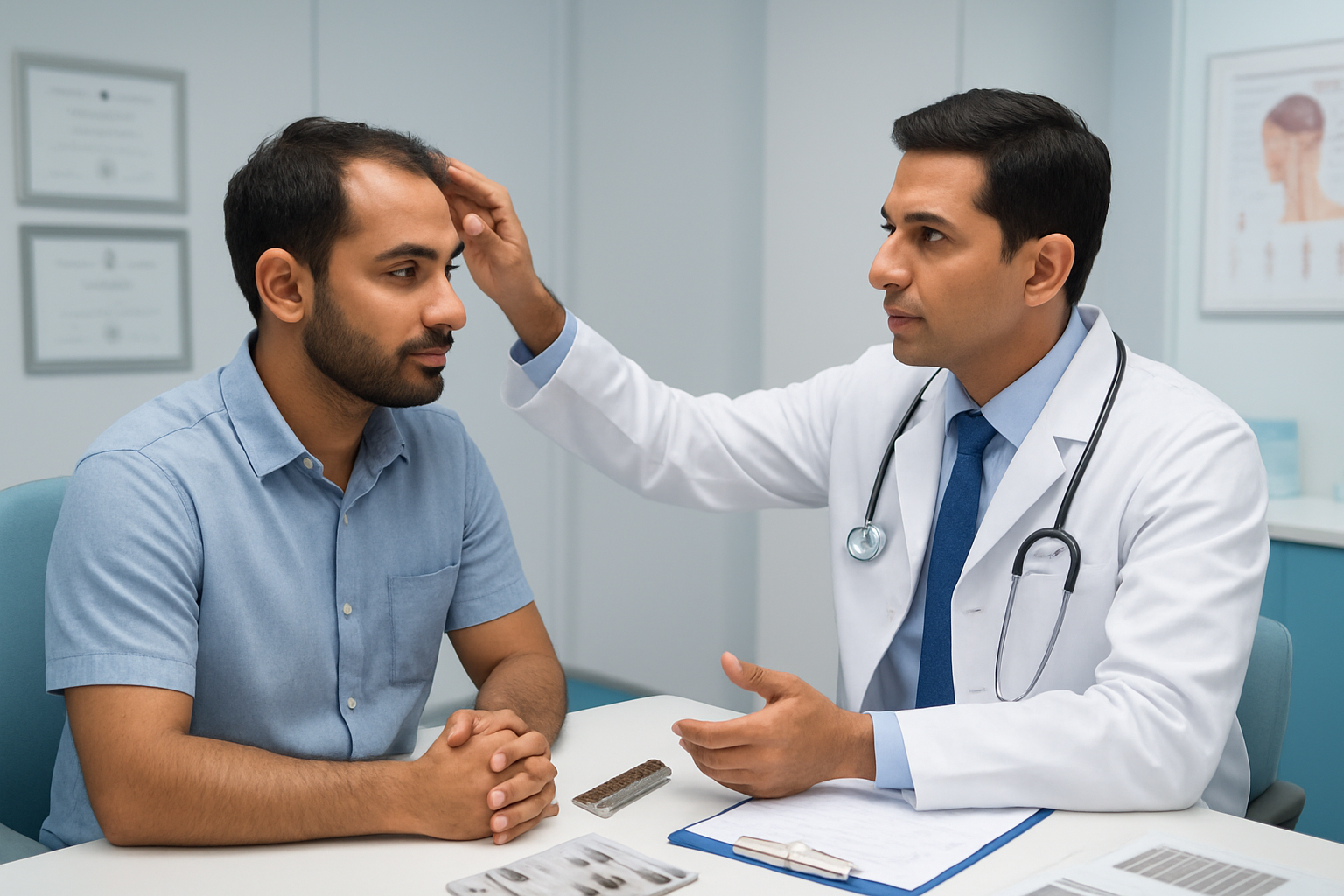
Before heading into your hair transplant procedure, your surgeon will need a complete picture of your health status. Blood tests are standard protocol, including complete blood count, liver function tests, and screening for infectious diseases like HIV and Hepatitis.
These tests ensure you’re physically ready for the procedure and help prevent any complications during surgery.
Your surgeon will also evaluate your scalp condition, hair quality, and donor area density. They’ll assess your hair loss pattern using the Norwood scale for men or Ludwig scale for women to determine the best approach for your specific case.
Expect detailed discussions about your medical history, current medications, and any previous surgeries.
Photography sessions document your current hair situation from multiple angles. These “before” photos serve as reference points for tracking your progress and help the surgical team plan the hairline design and graft placement strategy.
Medications to avoid before your procedure
Several medications can interfere with your hair transplant surgery and recovery. Stop taking aspirin, ibuprofen, and other NSAIDs at least one week before surgery since they thin your blood and increase bleeding risk.
Blood thinners like warfarin require careful coordination with your prescribing doctor to safely pause treatment.
Avoid vitamin E supplements, fish oil, and herbal remedies like ginkgo biloba or garlic supplements for at least 10 days pre-surgery. These natural supplements can also affect blood clotting.
If you take prescription medications for chronic conditions, discuss timing adjustments with both your surgeon and primary care physician.
Alcohol consumption should cease 48 hours before surgery as it dehydrates your body and can interfere with anesthesia. Smoking needs to stop at least two weeks prior since nicotine restricts blood flow to hair follicles, potentially compromising graft survival rates.
Scalp preparation and hair washing instructions
Your scalp needs special care in the days leading up to surgery. Wash your hair with a gentle, sulfate-free shampoo the night before your procedure. Avoid using any styling products, oils, or treatments for 24 hours before surgery to ensure your scalp is completely clean.
Don’t get a haircut immediately before your procedure unless specifically instructed by your surgeon. The existing hair helps camouflage the transplanted area during early recovery. surgical team will trim the donor area to the appropriate length during the procedure.
On surgery day, arrive with clean, product-free hair. Wear comfortable, loose-fitting clothing with a front-opening shirt to avoid pulling anything over your head post-surgery.
Bring a soft hat or headband for the journey home, but choose something that won’t put pressure on the treated areas.
Setting realistic expectations for your transformation
Hair transplant results unfold gradually over 12-18 months, not immediately after surgery. Your newly transplanted hair will actually fall out within 2-8 weeks post-surgery – this is completely normal and expected.
The hair follicles remain intact beneath the scalp and begin producing new hair around month three.
Expect about 80-90% of transplanted grafts to produce permanent hair growth. The final density will be less than your original hair but should provide significant cosmetic improvement.
Most patients need 2,000-4,000 grafts for noticeable results, though this varies based on the extent of hair loss and desired coverage.
Your hairline design should look natural and age-appropriate. Experienced surgeons create irregular, asymmetrical hairlines that mimic natural hair growth patterns rather than perfectly straight lines.
The transplanted hair will have the same characteristics as your donor hair, including texture, color, and growth rate.
Recovery involves several phases with different challenges. Initial swelling and scabbing resolve within two weeks, but you’ll need to be patient as your new hair gradually emerges and thickens over the following months.
Immediate Post-Surgery Recovery (Days 1-3)
Managing Pain and Discomfort Effectively
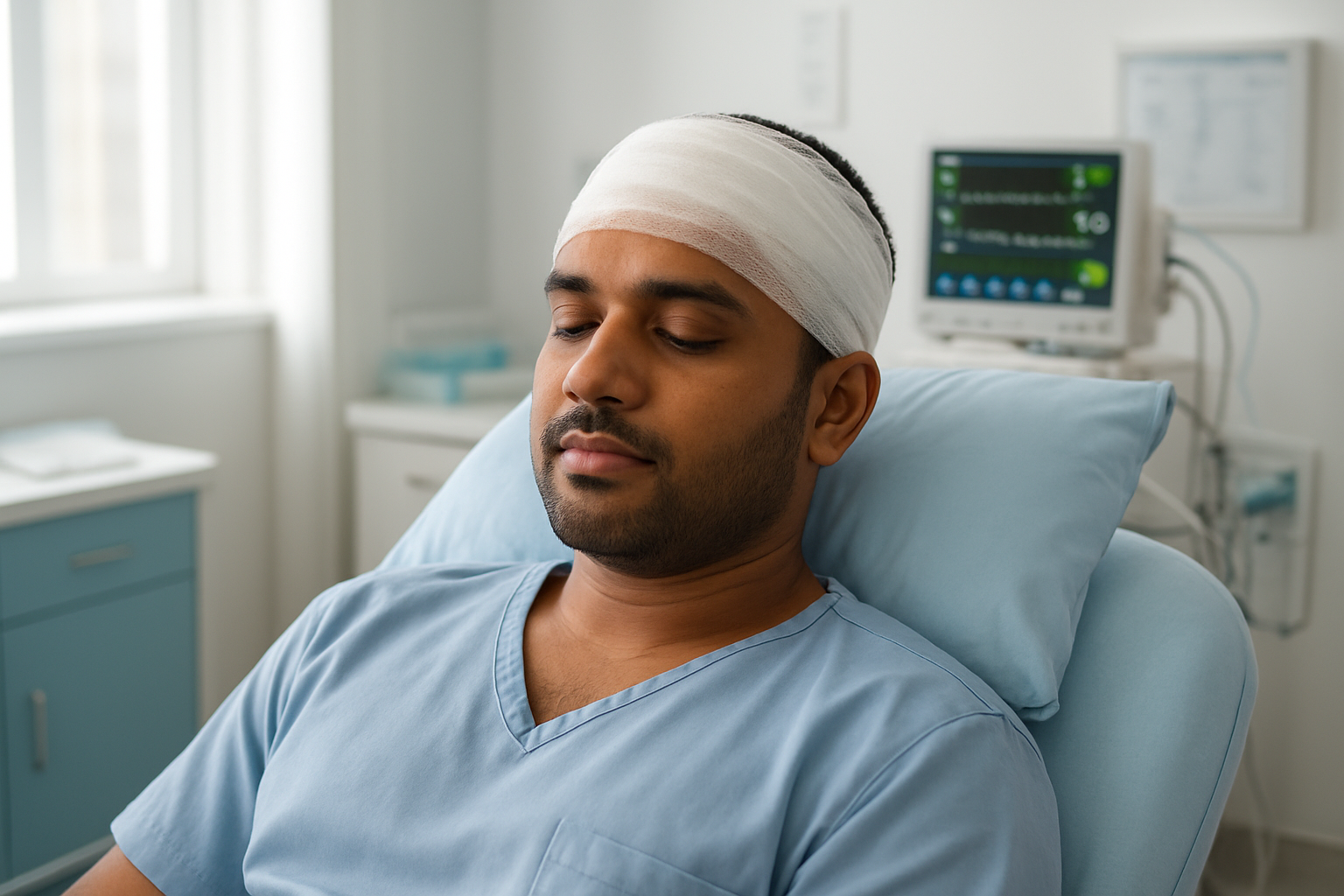
The first three days after your hair transplant will involve some level of discomfort, but this is completely manageable with the right approach.
Most patients experience mild to moderate pain around the donor and recipient areas, which typically feels like a dull ache or tenderness rather than sharp pain.
Your surgeon will prescribe specific pain medications – usually a combination of mild painkillers and anti-inflammatory drugs. Take these exactly as directed, even if you’re not feeling much pain initially.
Starting medication before severe discomfort sets in prevents pain from building up.
Ice packs can provide significant relief when applied to the forehead area (never directly on the transplanted region). Apply ice for 15-20 minutes every hour during the first day to reduce swelling and numb any discomfort. ‘
Avoid placing ice directly on your scalp as this could damage the newly transplanted grafts.
Some patients find that over-the-counter pain relievers like acetaminophen work well alongside prescribed medications. However, avoid aspirin or ibuprofen unless specifically approved by your surgeon, as these can increase bleeding risk.
Expect some swelling around your forehead and eyes on day two or three – this is normal and typically peaks around day three before gradually subsiding. The discomfort usually decreases significantly after the second day.
Proper Sleeping Positions to Protect Grafts
Your sleeping position becomes critical during these initial days. The newly transplanted follicles are extremely fragile and any friction or pressure could dislodge them, compromising your results.
Sleep with your head elevated at a 45-degree angle for the first three nights. Use multiple pillows to prop yourself up, or better yet, sleep in a recliner chair if you have one available.
This elevation serves two purposes: it reduces swelling by promoting proper drainage and keeps you from accidentally rolling onto your side or stomach.
Create a protective barrier around your head using soft pillows. Place a pillow on each side of your head to prevent you from turning during sleep. Many patients find success using a travel neck pillow, which naturally keeps their head in the correct position.
Cover your pillow with a clean, soft towel or old pillowcase that you don’t mind getting stained. Some minor bleeding or oozing is normal during the first night, and you don’t want to ruin good linens.
If you’re a restless sleeper, consider taking the prescribed sleep aid your clinic may have provided. A good night’s rest in the correct position is better than tossing and turning all night and potentially damaging grafts.
Avoid sleeping on your stomach or sides completely for at least the first week, but especially during these crucial first three days.
Critical Do’s and Don’ts for the First 72 Hours
Essential Do’s:
Keep the transplanted area completely dry for the first 48 hours. Your surgeon will provide specific washing instructions, but most clinics recommend waiting at least two days before any contact with water. When you do wash, use only lukewarm water with gentle pressure.
Wear loose, button-up shirts or zip-up hoodies to avoid pulling clothing over your head. This prevents accidental contact with the transplanted area and reduces risk of graft displacement.
Follow your medication schedule religiously. This includes antibiotics to prevent infection, pain medications, and any anti-inflammatory drugs prescribed.
Stay hydrated and eat nutritious foods to support your body’s healing process. Your scalp needs proper nutrition to heal effectively.
Critical Don’ts:
Never touch, scratch, or rub the transplanted area, no matter how itchy it becomes. Even the gentlest touch can dislodge grafts during these first 72 hours.
Avoid all physical activity beyond light walking. No exercise, heavy lifting, or bending over, as these activities can increase blood pressure and cause bleeding or graft displacement.
Don’t expose your scalp to direct sunlight. Stay indoors or wear a loose-fitting hat if you must go outside.
Skip alcohol completely during this period, as it can interfere with healing and interact negatively with prescribed medications.
Don’t drive for at least 24-48 hours, especially if you’re taking pain medication that might impair your reflexes.
Avoid smoking, as it restricts blood flow and significantly slows the healing process.
Early Healing Phase (Days 4-14)
Safe Hair Washing Techniques and Products
Your scalp needs gentle care during this crucial healing period. Wait at least 72 hours before your first wash, and when you do, use lukewarm water with minimal pressure. Cup water in your hands and pour it gently over your head – never use direct shower spray on the transplanted area.
Choose a mild, sulfate-free shampoo recommended by your surgeon. Baby shampoos work well too. Apply shampoo to your palm, dilute it with water, and gently pat it onto your scalp.
Don’t rub or massage the area. Rinse carefully by pouring water from a cup, then gently pat dry with a clean, soft towel.
For the first week, wash every other day. After day 10, you can gradually return to daily washing if needed. Avoid hot water, harsh products, or any styling tools during this phase.
Recognizing Normal vs Concerning Symptoms
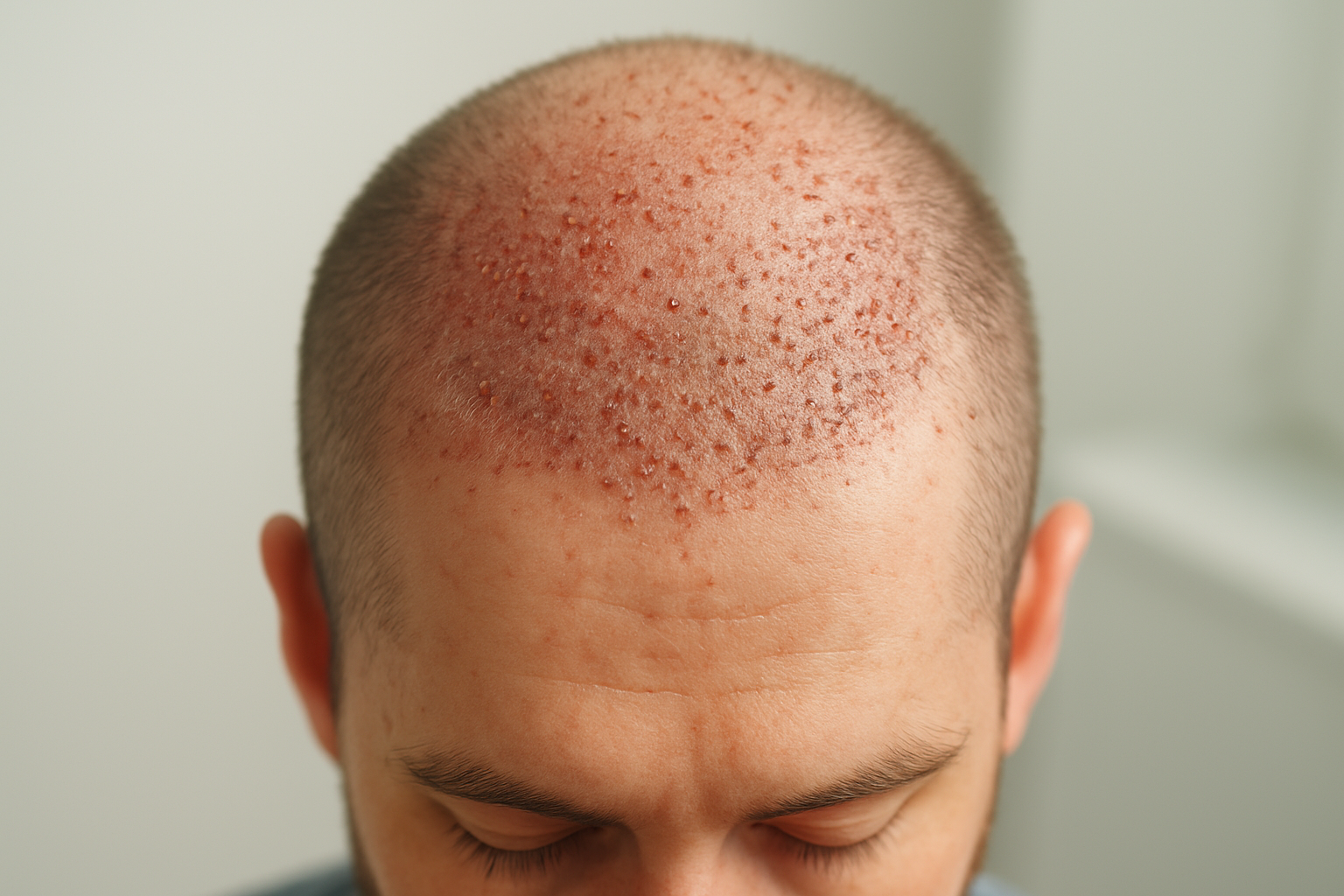
Normal healing signs include mild swelling around the forehead and eyes, small scabs forming over transplanted follicles, and some itching as the area heals. You might notice slight redness and tenderness around the donor and recipient sites.
Watch for these concerning symptoms that require immediate medical attention:
-
Excessive bleeding that doesn’t stop with gentle pressure
-
Signs of infection like increasing pain, yellow/green discharge, or foul odor
-
Severe swelling that affects your vision or breathing
-
High fever above 101°F (38.3°C)
-
Unusual discharge from the transplanted area
-
Extreme pain not relieved by prescribed medications
Most patients experience only mild discomfort, but staying alert to these warning signs protects your investment and health.
Activity Restrictions and Work Resumption Guidelines
Physical activity affects blood flow and healing, so plan your activities carefully. For the first week, stick to light walking and basic daily tasks. Avoid bending over, lifting heavy objects, or any activity that increases blood pressure in your head.
Most office workers can return to desk jobs after 3-4 days, but those in physically demanding roles should wait 10-14 days. If your job involves wearing hard hats or helmets, discuss timing with your surgeon – you’ll likely need 2-3 weeks off.
Exercise restrictions include:
| Activity Type | Wait Time |
|---|---|
| Light walking | Day 1-2 |
| Desk work | Day 3-4 |
| Gym/weights | 2-3 weeks |
| Swimming | 4-6 weeks |
| Contact sports | 6-8 weeks |
Sleep with your head elevated for the first week to reduce swelling and protect the grafts.
Protecting Your Scalp from Sun and Pollution
Bangalore’s intense sun and pollution pose real threats to your healing scalp. UV rays can damage delicate new grafts and cause hyperpigmentation, while pollution particles can irritate the healing skin and increase infection risk.
For the first month, avoid direct sun exposure completely. When you must go outside, wear a loose-fitting hat or use an umbrella. Choose breathable cotton caps that don’t touch your scalp directly.
After the first month, apply broad-spectrum SPF 30+ sunscreen specifically designed for sensitive skin.
Pollution protection is equally important. If you’re riding a two-wheeler, wear a loose bandana or scarf under your helmet (once your surgeon clears you for helmet use).
Consider timing your outdoor activities for early morning when pollution levels are typically lower. After spending time outside, gently rinse your scalp with clean water to remove any pollutant particles.
Air conditioning and air purifiers at home help create a cleaner healing environment. Many Bangalore patients find success using mild saline solution to cleanse their scalp after exposure to heavy traffic areas.
Growth and Shedding Cycle (Weeks 3-12)
Understanding the natural hair shedding process
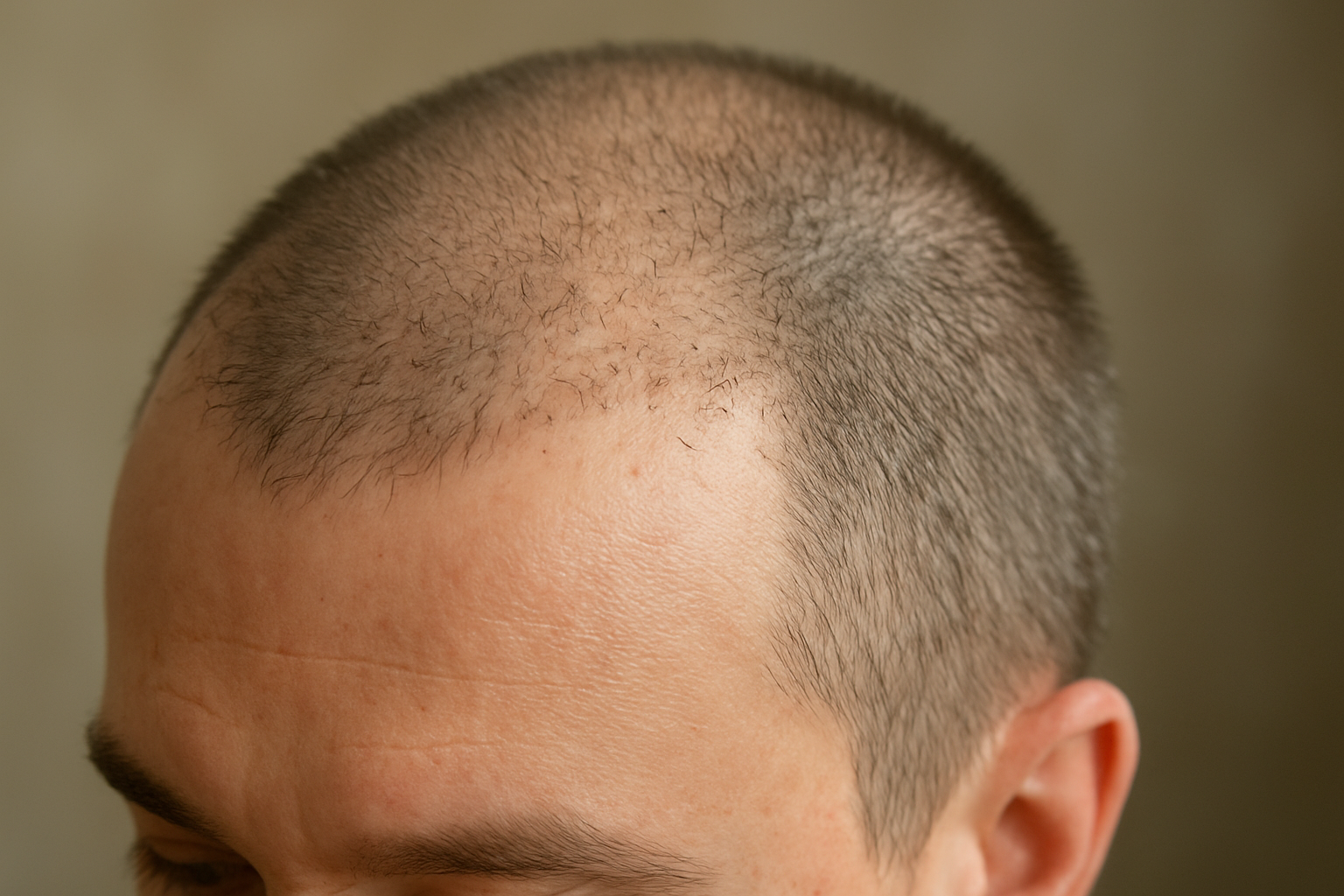
Around week 3 to 4 after your hair transplant, you’ll notice something that might catch you off guard – your newly transplanted hair starts falling out.
This can be pretty alarming if you’re not prepared for it, but here’s the thing: this shedding is completely normal and actually a sign that everything is working as it should.
What happens is that the transplanted hair follicles go into a resting phase called telogen. The hair shaft that was transplanted with the follicle sheds, but the root stays put and starts preparing for new growth.
Think of it like planting a seed – the original part dies away while the root system establishes itself for future growth.
This shedding typically happens between weeks 3-8, and you might lose up to 90% of the transplanted hair during this time. The area might look patchy or thin again, which can be disheartening after seeing initial fullness right after surgery.
Your scalp might also feel a bit itchy during this phase as the follicles adjust.
The key thing to remember is that shedding doesn’t mean your transplant failed. The follicles underneath are actually getting stronger and preparing to produce new, permanent hair that will grow naturally for years to come.
When to expect initial hair growth signs
New hair growth doesn’t happen overnight, and the timeline can vary from person to person. Most people start seeing the first signs of new growth around 3-4 months post-surgery, but some might notice tiny hairs popping up as early as 8-10 weeks.
The initial growth often looks different from your regular hair. These new hairs are usually:
-
Very fine and thin – almost like baby hair
-
Lighter in color than your natural hair
-
Sparse and patchy rather than uniform
-
Curly or wavy even if your natural hair is straight
| Timeline | What to Expect |
|---|---|
| Weeks 8-12 | First tiny hairs may appear |
| Months 3-4 | More noticeable growth begins |
| Months 4-6 | Hair becomes thicker and darker |
| Months 6-9 | Significant improvement in density |
| Month 12 | Final results visible |
Don’t worry if your hair looks different at first. As the follicles mature, the hair will gradually match your natural texture, color, and thickness. The growth pattern might also seem random initially – some areas might grow faster than others, creating an uneven appearance.
Maintaining patience during the awkward phase
This middle period between months 3-8 is often called the “awkward phase” for good reason. Your hair is growing, but it’s not quite there yet. You might feel self-conscious about the patchy appearance or worry that the results won’t meet your expectations.
Here are some practical ways to get through this challenging time:
Styling tips for patchy growth:
-
Use a gentle styling paste or fiber to add texture and volume
-
Consider a shorter haircut to make the growth appear more uniform
-
Avoid harsh chemicals or heat styling that could damage new follicles
-
Try different parting styles to minimize visible patches
Mental strategies:
-
Take progress photos monthly to track gradual improvement
-
Connect with others who’ve had transplants for support and perspective
-
Focus on the long-term goal rather than day-to-day changes
-
Remember that hair grows slowly – about half an inch per month
Many patients find months 4-6 the most challenging because you can see growth happening, but it’s still not enough to style normally. This is when having realistic expectations really pays off.
Your surgeon should have shown you before-and-after photos of other patients at various stages so you know what to expect.
The good news is that once you hit the 6-month mark, improvements become much more noticeable, and by 9-12 months, most people are thrilled with their results and wonder why they waited so long to get the procedure done.
For More Information Contact Us : 7338671338
Long-Term Results and Maintenance (Months 3-12)
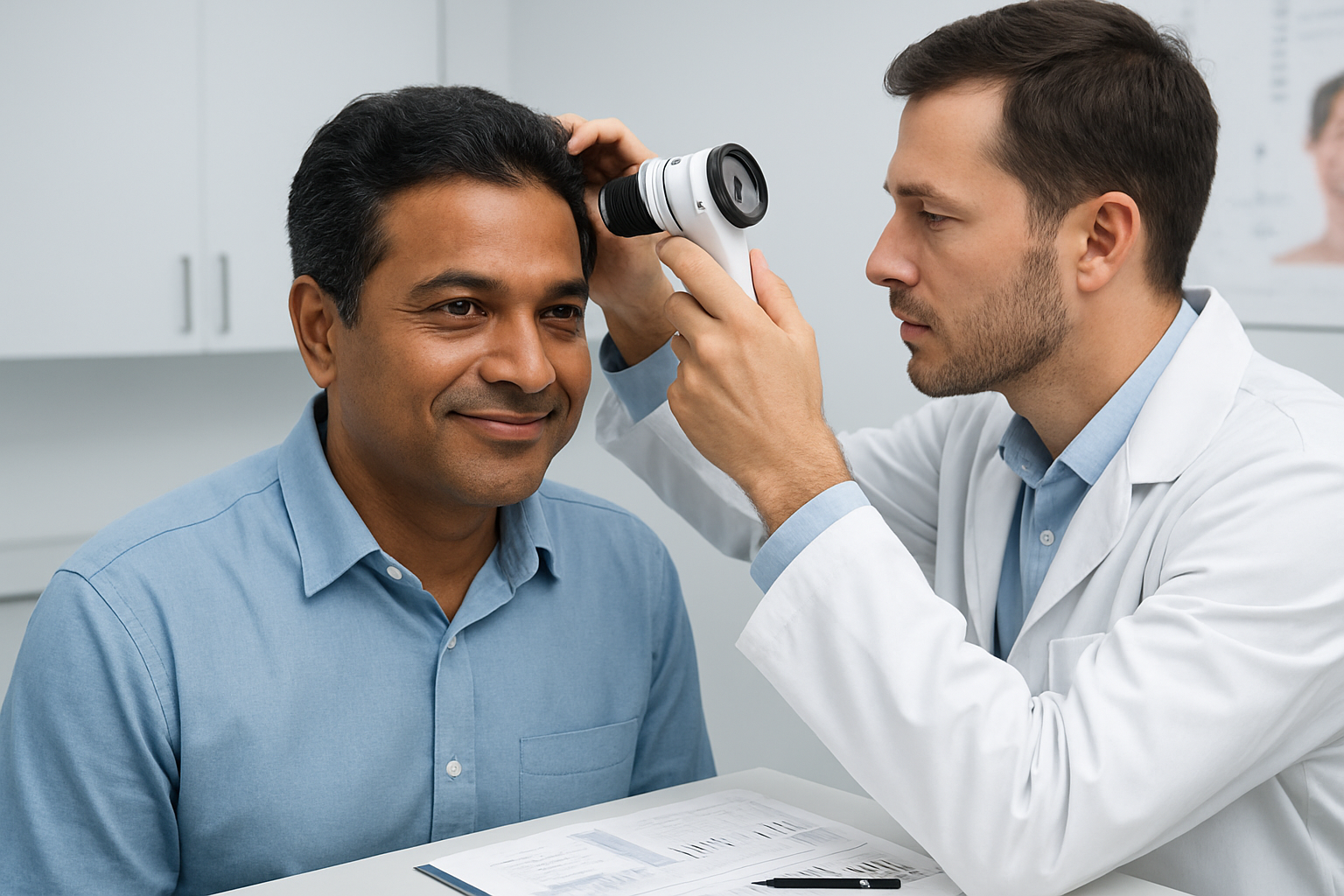
Timeline for Seeing Significant Hair Density
The third month marks the beginning of exciting changes in your hair transplant journey. During months 3-6, you’ll notice new hair growth starting as fine, thin strands that gradually thicken over time.
Most patients see about 30-40% of their final density by month 6, with the most dramatic improvements happening between months 8-10.
By month 9, you can expect roughly 70-80% of your transplanted hair to be growing actively. The final results become apparent around the 12-month mark, when your new hair reaches its full thickness and density.
Each person’s timeline varies slightly based on factors like age, overall health, and the specific technique used during surgery.
| Month | Expected Growth | Density Percentage |
|---|---|---|
| 3-4 | Fine new hair | 15-25% |
| 6 | Noticeable growth | 30-40% |
| 9 | Significant improvement | 70-80% |
| 12 | Final results | 90-100% |
Ongoing Care Routines for Optimal Results
Maintaining your transplanted hair requires consistent daily habits that support healthy growth. Start each morning with gentle scalp massage using your fingertips to improve blood circulation.
Use a mild, sulfate-free shampoo every other day, avoiding harsh chemicals that can damage delicate new follicles.
Your diet plays a crucial role in hair health. Include protein-rich foods like eggs, fish, and legumes, along with vitamins A, C, and E. Biotin supplements can boost hair strength, while iron and zinc support follicle function.
Daily care checklist:
-
Gentle scalp massage (5 minutes)
-
Protect from direct sunlight with hats or SPF
-
Use recommended hair products only
-
Stay hydrated (8-10 glasses of water daily)
-
Avoid tight hairstyles or excessive heat styling
Sleep on a silk pillowcase to reduce friction, and avoid sleeping face-down for the first few months. Regular exercise improves blood flow to the scalp, but wait until your surgeon clears you for intense workouts.
When to Schedule Follow-Up Appointments
Your first major follow-up typically happens at the 3-month mark when initial growth becomes visible. This appointment allows your surgeon to assess healing and provide personalized care recommendations.
Schedule your 6-month visit to evaluate growth progress and address any concerns about density or hair direction. This is when most patients feel confident enough to style their hair normally and can discuss any touch-up procedures if needed.
The 12-month appointment serves as your final evaluation, where you’ll see the complete transformation. Many clinics in Bangalore offer complimentary follow-ups during this first year as part of their comprehensive care package.
Recommended follow-up schedule:
-
3 months: Initial growth assessment
-
6 months: Progress evaluation
-
9 months: Density check (if needed)
-
12 months: Final results review
-
Annual check-ups: Long-term monitoring
Don’t hesitate to contact your clinic between scheduled visits if you notice anything unusual like excessive redness, unusual pain, or patchy growth patterns.
Lifestyle Adjustments for Lasting Success
Stress management becomes essential for maintaining your results long-term. High stress levels can trigger hair loss in both transplanted and natural hair. Practice relaxation techniques like meditation, yoga, or regular walking to keep stress hormones in check.
Smoking significantly impacts hair growth by restricting blood flow to follicles. If you smoke, this is the perfect time to quit. Alcohol consumption should also be moderate, as excessive drinking can interfere with nutrient absorption needed for healthy hair.
Lifestyle changes that make a difference:
-
Quit smoking completely
-
Limit alcohol to 1-2 drinks per week
-
Get 7-8 hours of quality sleep nightly
-
Exercise regularly but avoid excessive sweating for first month
-
Manage stress through healthy outlets
Sun protection becomes a lifelong habit. UV rays can damage both your scalp and hair, leading to premature aging and potential hair loss. Wear hats during peak sun hours or use hair products with SPF protection.
Consider switching to natural hair care products free from sulfates, parabens, and harsh chemicals. Your transplanted hair may be more sensitive than your original hair, especially during the first year of growth.
Regular scalp massages with natural oils like coconut or argan oil can improve circulation and keep your scalp healthy. Many patients find this becomes an enjoyable part of their evening routine that helps with relaxation too.
Choosing the Right Clinic in Bangalore
Key factors to evaluate before selecting a surgeon
When searching for the right hair transplant surgeon in Bangalore, your surgeon’s credentials should be your first priority. Look for board-certified dermatologists or plastic surgeons who specialize specifically in hair restoration procedures.
Check if they’re members of professional organizations like the International Society of Hair Restoration Surgery (ISHRS) or the Association of Hair Restoration Surgeons of India.
Experience counts tremendously in hair transplantation. Ask potential surgeons about their years of practice, number of procedures performed annually, and request to see before-and-after photos from recent patients with similar hair loss patterns to yours.
A skilled surgeon will gladly share their portfolio and connect you with previous patients who can share their experiences.
For More Information Contact Us : 7338671338
The clinic’s infrastructure and hygiene standards are equally important. Visit the facility personally to assess cleanliness, equipment quality, and overall professionalism.
Modern clinics should have dedicated operation theaters, proper sterilization protocols, and emergency medical equipment. Don’t hesitate to ask about their infection control measures and post-operative care protocols.
Patient reviews and testimonials provide valuable insights into the surgeon’s reputation and patient satisfaction rates. Check multiple platforms including Google reviews, medical forums, and social media for authentic feedback.
Pay special attention to comments about natural-looking results, post-operative care quality, and the surgeon’s communication style.
Understanding different transplant techniques available
Bangalore’s top hair transplant clinics offer several advanced techniques, each with distinct advantages. Follicular Unit Extraction (FUE) remains the most popular choice due to its minimally invasive nature.
This technique involves extracting individual hair follicles from the donor area using micro punches, leaving tiny circular scars that heal quickly and remain virtually undetectable.
Follicular Unit Transplantation (FUT), also known as the strip method, involves removing a strip of scalp from the donor area and dissecting it into individual follicular units.
While this leaves a linear scar, FUT allows for transplanting larger numbers of grafts in a single session, making it ideal for patients with extensive hair loss.
Direct Hair Implantation (DHI) represents the latest advancement in hair transplantation technology. This technique uses a specialized pen-like device called a Choi implanter to extract and implant hair follicles simultaneously, reducing the time follicles spend outside the body.
DHI offers greater precision in controlling the angle, direction, and depth of implanted hair, resulting in more natural-looking results.
Robotic hair transplantation using systems like ARTAS provides computer-assisted precision for follicle extraction and implantation.
While not widely available in Bangalore yet, some premium clinics are beginning to offer this technology for patients seeking the highest level of precision.
Cost considerations and financing options
Hair transplant costs in Bangalore vary significantly based on technique, clinic reputation, surgeon experience, and number of grafts required.
FUE procedures typically range from ₹40-80 per graft, while FUT costs slightly less at ₹30-60 per graft. DHI commands premium pricing at ₹80-120 per graft due to its advanced technology and precision.
Most patients require between 1,500-4,000 grafts depending on their hair loss extent. This translates to total costs ranging from ₹60,000 to ₹3,20,000 for most procedures.
Premium clinics with internationally trained surgeons may charge higher rates, but often provide superior results and comprehensive aftercare services.
Many Bangalore clinics offer flexible payment options to make procedures more accessible. These include no-cost EMI plans spanning 6-24 months, credit card installments, and partnerships with medical financing companies.
Some clinics provide seasonal discounts or package deals for patients requiring multiple sessions.
| Technique | Cost per Graft | Typical Range | Best For |
|---|---|---|---|
| FUE | ₹40-80 | ₹60,000-₹2,40,000 | Most patients |
| FUT | ₹30-60 | ₹45,000-₹1,80,000 | Extensive hair loss |
| DHI | ₹80-120 | ₹1,20,000-₹3,60,000 | Premium results |
When comparing costs, consider the total value rather than just the per-graft price. Cheaper options might compromise on surgeon expertise, facility standards, or post-operative care, potentially leading to unsatisfactory results or complications that require corrective procedures.
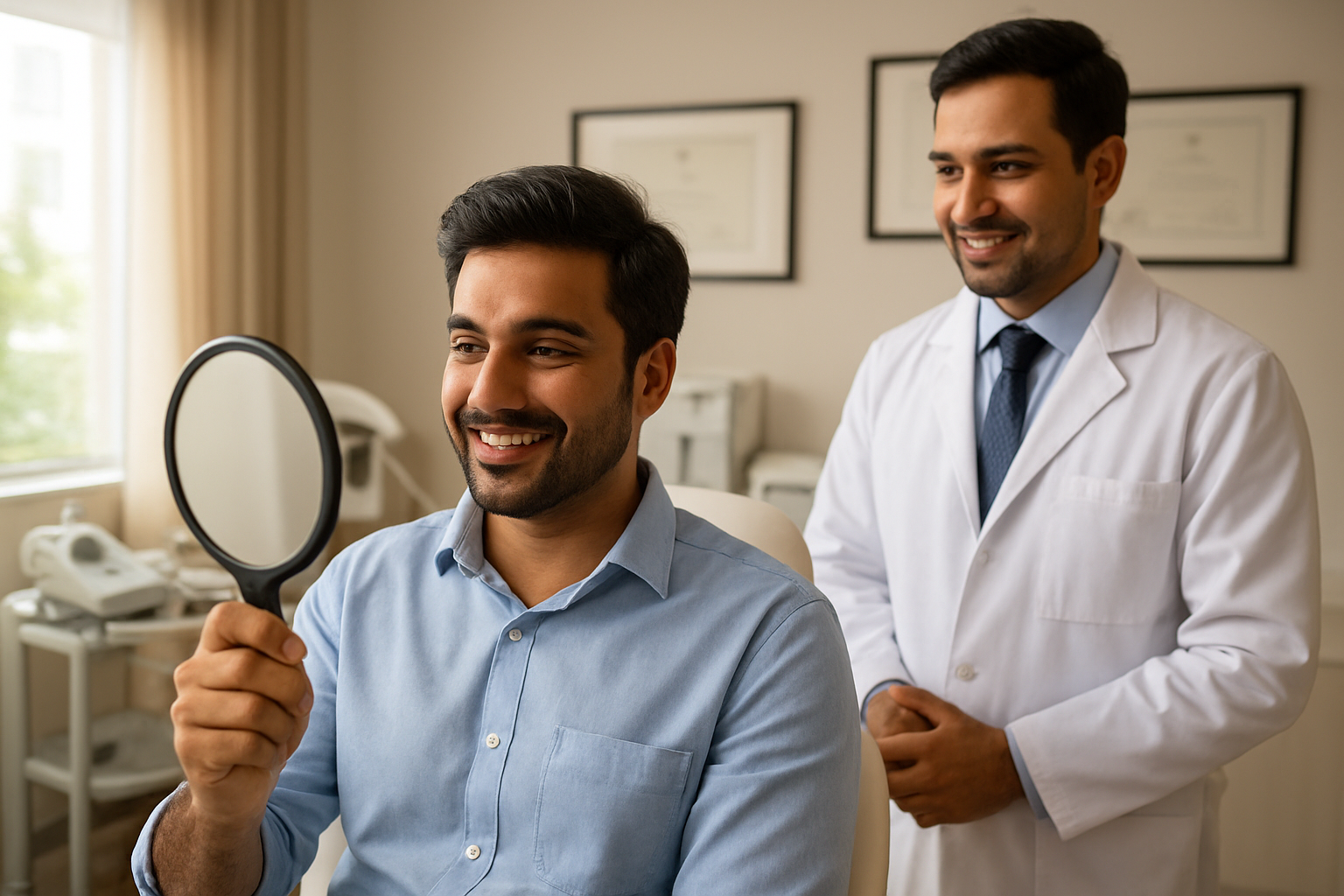
Your hair transplant recovery journey in Bangalore follows a predictable timeline that helps you know what’s coming next. The first few days focus on protecting your newly transplanted follicles, while the following two weeks bring the initial healing phase.
Don’t panic when you notice some shedding between weeks three and twelve – this is completely normal and actually signals that your hair follicles are preparing for healthy new growth.
The real magic happens after month three when you start seeing your new hair come in strong and natural-looking. By choosing a reputable clinic in Bangalore and following your recovery plan carefully, you’re setting yourself up for results that can last a lifetime.
Remember to be patient with the process and trust that each stage brings you closer to the fuller head of hair you’ve been wanting. Your commitment to proper aftercare during these recovery stages will make all the difference in achieving the best possible outcome.
For More Information Contact Us : 7338671338