

Dealing with bald spots doesn’t mean you have to sacrifice style or confidence. Men experiencing hair thinning, receding hairlines, or patchy hair loss have plenty of effective options to maintain a polished appearance.
Who this guide helps: Men at any stage of hair loss who want practical styling solutions without major treatments or procedures.
What we’ll cover: First, we’ll break down different types of bald spots and hair loss patterns so you know exactly what you’re working with.
Then, we’ll dive into strategic haircut styles that minimize bald spot visibility and specific hair styling techniques to camouflage thinning areas. You’ll walk away with actionable strategies to look your best while working with your natural hair.
Understanding Different Types of Bald Spots and Hair Loss Patterns

Male Pattern Baldness and Crown Thinning Solutions
Male pattern baldness affects roughly 85% of men by age 50, creating the classic horseshoe-shaped hair pattern. Many men begin searching for male pattern baldness hairstyles or bald spot hair styling tips techniques even in their early years, especially when thinning becomes noticeable.
The crown area typically shows the first signs of thinning, starting with a small circular spot that gradually expands outward.
This predictable pattern makes it easier to plan styling strategies, such as hairstyles to hide crown balding, hairstyles to cover bald patches, or choosing the right haircut to hide baldness.
Men in their thirties often wonder how to hide bald area of scalp at the age thirtees of men in India, and simple adjustments like strategic layering or short fades can make a big difference.
Whether you’re looking for how to hide baldness, how to hide bald spot men, or how to hide bald spots men, modern grooming methods and thoughtful hairstyles offer effective ways to camouflage thinning while maintaining a natural look.
Crown thinning presents unique challenges because it sits at the highest point of your head, making it visible from multiple angles. The key lies in understanding your specific stage of crown thinning.
Early-stage crown thinning responds well to longer top layers that can be swept across the area, while more advanced thinning may require shorter, more textured cuts that create visual density.
Receding Hairlines and Temple Area Coverage
Receding hairlines create distinct patterns, from slight temple recession to more pronounced M-shaped hairlines. The temporal area loses density first, creating a widow’s peak effect or deep recession at the temples.
This pattern requires different approaches than crown thinning because the front hairline frames your face and impacts your overall appearance significantly.
Temple recession can be managed through strategic parting and layering techniques. Side-swept styles work particularly well, drawing attention away from the receded areas while maintaining a natural look.
The angle of your hair growth and the direction of your natural cowlicks play crucial roles in determining which styling approaches will work best for your specific recession pattern.
Alopecia Areata and Patchy Hair Loss Management

Alopecia areata creates completely different challenges with its unpredictable, circular bald patches that can appear anywhere on the scalp.
Unlike male pattern baldness, these patches are typically smooth and completely hairless, making them more difficult to camouflage with traditional styling methods.
The random nature of alopecia areata patches means styling strategies must be highly adaptable. Patches near the hairline require different techniques than those hidden within thicker hair areas.
The size and location of patches determine whether growing surrounding hair longer for coverage is viable or if shorter, textured styles work better to minimize contrast between affected and unaffected areas.
Diffuse Thinning Throughout the Scalp
Diffuse thinning creates overall density reduction without following specific patterns. This type affects the entire scalp uniformly, making hair appear flat and lifeless rather than creating distinct bald spots.
The challenge lies in creating volume and movement in hair that lacks natural density.
This pattern often accompanies stress, nutritional deficiencies, or hormonal changes, making it potentially reversible with proper treatment.
Styling approaches focus on maximizing perceived thickness through texturizing techniques, strategic layering, and products that enhance volume without weighing hair down.
Strategic Haircut Styles That Minimize Bald Spot Visibility

Buzz Cuts and Ultra-Short Styles for Even Coverage
Ultra-short haircuts work like magic for men dealing with patchy hair loss. When you keep everything at a uniform length of 1/8 to 1/2 inch, the contrast between thick and thin areas virtually disappears.
Your scalp becomes barely visible, creating a clean, intentional look that screams confidence rather than compensation.
The classic buzz cut ranks as the most foolproof option. Ask your barber for a #2 or #3 guard all over, which leaves enough hair to provide coverage while maintaining that sharp, military-inspired aesthetic.
For guys with more advanced thinning, a #1 guard creates an even smoother transition between hair and scalp.
Crew cuts offer a slightly longer variation that works particularly well for crown thinning. The graduated length from front to back naturally draws attention toward your face while keeping problem areas short enough to blend seamlessly.
This style works especially well for men with strong facial features or a well-defined jawline.
Key Benefits:
-
Requires minimal daily styling
-
Grows out evenly without awkward phases
-
Works with any hair texture
-
Ages gracefully as hair loss progresses
-
Professional appearance suitable for any workplace
Textured Crops That Add Volume and Distraction
Textured crop cuts create the illusion of fuller hair through strategic layering and styling techniques. These cuts work by adding movement and dimension to your remaining hair, making thin spots less noticeable while giving you plenty of styling flexibility.
The modern textured crop features longer hair on top (typically 2-4 inches) with shorter, faded sides. Your barber should use point-cutting techniques to create irregular, choppy ends that add natural-looking volume.
This technique prevents hair from lying flat against your scalp, which would otherwise expose thinning areas.
For maximum impact, ask for disconnected layers that create shadow and depth. When hair pieces sit at different lengths, they naturally overlap and create the appearance of density. The key lies in avoiding blunt cuts that would reveal sparse areas between hair strands.
Styling Tips for Textured Crops:
-
Use sea salt spray on damp hair for natural texture
-
Scrunch hair while blow-drying to enhance volume
-
Apply matte pomade for hold without weighing hair down
-
Avoid over-brushing, which flattens the textured effect
-
Sleep on a silk pillowcase to maintain morning texture
Side Parts That Redirect Attention Away from Problem Areas
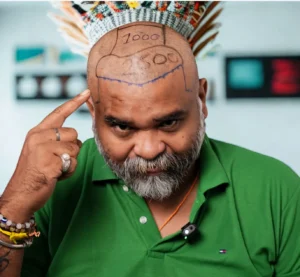
Strategic Side Parts to Hide Bald Spots
Strategic side parts work by leveraging your brain’s natural tendency to follow strong directional lines. When you create a defined side part, the eyes automatically follow that line instead of scanning for thinning areas. This makes side-part hairstyles one of the most effective hairstyles to hide bald spots for men.
A deep side part is especially useful as a haircut to hide baldness, particularly for crown thinning or temple recession. Position the part about two inches away from your natural hairline and sweep longer hair across problem areas. This simple technique is one of the most effective bald spot hair styling tips and techniques used by professionals.
If you’re wondering how to hide bald spots or how to hide baldness without medical treatment, choosing the right anti bald haircut can make a noticeable difference. Styles with volume, texture, and asymmetry work well as hairstyles for bald spots, helping reduce contrast between thin and dense areas.
For men dealing with visible thinning, an anti bald hair cut combined with proper styling products can also answer common concerns like how to hide bald spot or how to cover a bald head for men naturally and confidently.
For More Information Contact Us : 73386 71338
This technique works best with hair that’s 3-6 inches long on top, giving you enough length to achieve proper coverage.
For men with widow’s peaks or receding hairlines, the side part should start from the highest point of your hairline and angle toward the opposite ear. This creates a diagonal sweep that camouflages uneven hairlines while adding visual interest to your overall look.
Optimal Side Part Placement by Hair Loss Type:
| Hair Loss Pattern | Part Placement | Hair Length Needed |
|---|---|---|
| Crown thinning | 2 inches from center | 4-6 inches |
| Temple recession | From hairline peak | 3-5 inches |
| Diffuse thinning | Natural cowlick location | 5+ inches |
| Vertex balding | Deep left or right | 6+ inches |
Remember that side parts require daily maintenance to look sharp. Invest in a quality pomade or styling cream that provides hold without creating a helmet-like appearance. The goal is controlled movement that stays in place throughout your day while looking naturally effortless.
Hair Styling Techniques to Camouflage Thinning Areas

Proper Blow-Drying Methods for Maximum Volume
The right blow-drying technique can transform thin-looking hair into a fuller, more voluminous style. Start with freshly washed, towel-dried hair that’s still slightly damp. Apply a volumizing mousse or root-lifting spray to your roots before you begin.
Hold your blow dryer at a 45-degree angle and lift sections of hair up and away from your scalp using a round brush. This creates lift at the roots, which is exactly what you need to make sparse areas look thicker.
Don’t blow dry straight down – that flattens everything and makes thinning spots more obvious.
Use the cool shot button on your dryer to set each section after it’s dry. This locks in the volume you’ve created and helps your style last longer. For the crown area where baldness often shows first, flip your head upside down while drying to get maximum lift.
| Technique | Direction | Tool | Result |
|---|---|---|---|
| Root lifting | Up and away | Round brush | Maximum volume |
| Cool setting | Same direction | Blow dryer | Locks in style |
| Upside down drying | Against gravity | Hands/brush | Crown volume |
Strategic Use of Hair Products for Texture and Hold
The right products make all the difference when you’re working with thinning hair. Lightweight volumizing mousses and root-lifting sprays add body without weighing hair down. Heavy creams and oils will flatten your hair and make thin spots more noticeable.
Dry shampoo isn’t just for unwashed hair – it’s a secret weapon for adding texture and grip to clean hair. Spray it on your roots and work it through with your fingers. This creates the perfect foundation for styling and gives your hair more substance to work with.
Hair fibers and powders can instantly fill in gaps and make your hair look thicker. These products cling to existing hair strands and create the illusion of density. Apply them after styling, then lightly mist with hairspray to lock everything in place.
Essential products for thinning hair:
-
Volumizing mousse (lightweight formula)
-
Root-lifting spray
-
Dry shampoo for texture
-
Hair fibers or building powder
-
Flexible hold hairspray
-
Sea salt spray for grit and texture
Combing and Brushing Techniques That Maximize Coverage

How you brush and comb your hair can make or break your style, especially if you’re dealing with thinning areas or a bald spot. One of the most important men’s hair styling tips for bald spot coverage is to never brush wet hair aggressively.
Wet hair is weaker and more prone to breakage, which can worsen thinning and make bald spots more visible.
Instead, use a wide-tooth comb and gently detangle from the ends upward. This simple technique protects hair roots, reduces breakage, and supports better coverage when styling.
For effective bald spot hair styling tips and techniques, always combine gentle combing with the right haircut. Choosing a haircut to hide baldness—such as textured crops, short fades, or layered styles—can instantly improve the appearance of thinning areas.
These are often called anti bald haircuts because they create volume and reduce scalp visibility.
If you’re wondering how to hide bald spots or how to hide baldness, focus on:
-
The right hairstyle to hide bald spots
-
Avoiding harsh brushing
-
Using styling products that add texture, not weight
A well-planned anti bald haircut and correct grooming habits can even help if you’re looking for how to hide a bald head without extreme changes.
When styling, use a boar bristle brush to smooth hair over sparse areas. These brushes distribute your natural oils and create a sleeker look that helps camouflage gaps.
For volume, backcomb gently at the roots with a fine-tooth comb, but be gentle – damaged hair won’t help your cause.
For More Information Contact Us : 73386 71338
The direction you comb matters too. Experiment with different part placements to find what covers your specific pattern of thinning best. Sometimes a deep side part can dramatically improve coverage, while other times a slightly off-center part works better.
Brushing best practices:
-
Use boar bristle brushes for smoothing
-
Comb wet hair gently with wide teeth
-
Backcomb lightly for volume
-
Experiment with different part placements
-
Brush in the direction that maximizes coverage
Professional Styling Tricks for Special Occasions
Professional stylists have tricks that can make even severe thinning look unnoticeable for special events. Strategic layering creates movement that disguises sparse areas, while careful placement of longer pieces can provide coverage where you need it most.
Temporary hair extensions or clip-ins can add instant volume and coverage for important occasions. Choose pieces that match your hair color and texture exactly. Place them strategically to fill in gaps and create the illusion of fuller hair all over.
Professional-grade styling products like texture sprays and volumizing powders give you more control and longer-lasting results than drugstore options. These products are designed to work together as a system, creating better overall results.
Consider getting your hair professionally styled before major events. A skilled stylist can assess your specific pattern of hair loss and create a customized look that maximizes your hair’s potential. They can also teach you techniques to recreate the style at home.
Advanced Hair Solutions and Treatments

Hair Fibers and Concealing Powders for Instant Results
Hair fibers and concealing powders offer immediate camouflage for bald spots without any commitment or recovery time. These products work by clinging to existing hair strands through static electricity, creating the appearance of fuller, thicker hair in seconds.
Keratin fibers are the most popular option, made from natural wool proteins that mimic human hair. They come in multiple shades to match your hair color and blend seamlessly when applied correctly.
Simply shake the fibers over thinning areas and gently pat to distribute evenly. The key is building up coverage gradually rather than dumping a large amount at once.
Concealing powders work similarly but offer more precise application through specialized brushes or applicators. They’re particularly effective for smaller bald spots and provide a more natural finish for shorter hairstyles.
Best Application Tips:
-
Apply to completely dry hair
-
Use a setting spray to lock fibers in place
-
Choose a shade slightly lighter than your natural hair color
-
Remove thoroughly before washing to prevent buildup
Limitations to Consider:
-
Not waterproof (despite some claims)
-
Requires daily reapplication
-
Can transfer onto pillows or clothing
-
May look unnatural in direct sunlight if over-applied
Quality brands like Toppik, Caboki, and XFusion typically cost $20-40 and last 2-3 months with daily use.
Hair Transplant Options and Realistic Expectations
Hair transplants represent the gold standard for permanent hair restoration, but success depends heavily on realistic expectations and proper candidate selection. Two primary techniques dominate the field: Follicular Unit Extraction (FUE) and Follicular Unit Transplantation (FUT).
FUE involves extracting individual hair follicles from donor areas (typically the back and sides of the head) and transplanting them to balding regions. This method leaves tiny, barely visible scars and allows for shorter hairstyles post-surgery. Recovery takes 7-10 days with minimal discomfort.
FUT, also called strip harvesting, removes a thin strip of scalp from the donor area, which is then dissected into individual grafts. While this leaves a linear scar, it often yields more grafts in a single session and costs less than FUE.
Realistic Timeline Expectations:
-
Initial healing: 2 weeks
-
Transplanted hair falls out: 2-6 weeks (normal process)
-
New growth begins: 3-4 months
-
Noticeable results: 6-8 months
-
Final results: 12-18 months
Cost ranges from $4,000-15,000 depending on the number of grafts needed. Most patients require 1,500-3,000 grafts for noticeable improvement.
For More Information Contact Us : 73386 71338
Good candidates have sufficient donor hair, realistic expectations, and stable hair loss patterns. Age, overall health, and hair loss progression all factor into candidacy.
Scalp Micropigmentation as a Permanent Solution
Scalp micropigmentation (SMP) creates the illusion of hair follicles through specialized tattooing techniques, offering a non-surgical solution for various balding patterns. This procedure works exceptionally well for men who prefer the buzz-cut look or want to add density to thinning areas.
The process involves depositing tiny pigment dots into the scalp’s upper dermis using specialized equipment and techniques different from traditional tattooing. These dots mimic hair follicles when viewed from normal distances, creating a shadow effect that suggests the presence of short hair.
Treatment Process:
-
Session 1: Base layer and hairline design
-
Session 2: Density building and color refinement
-
Session 3: Final touches and perfection (4-6 weeks apart)
SMP works best for:
-
Complete baldness (creating a full buzz-cut appearance)
-
Receding hairlines
-
Crown balding
-
Scar concealment from previous surgeries
-
Adding density to thinning hair
Advantages:
-
Immediate visual results after each session
-
No ongoing maintenance required
-
Weather and activity resistant
-
Works for all skin types and colors
Considerations:
-
Requires touch-ups every 3-5 years
-
Limited to short hairstyles
-
Initial healing involves some scabbing
-
Cost ranges $2,000-5,000 for complete treatment
Maintenance and Daily Hair Care Routines

Gentle Washing Techniques That Preserve Existing Hair
Washing your hair the right way makes a huge difference when you’re dealing with thinning areas or bald spots. Skip the daily shampoo routine – your scalp produces natural oils that actually help protect and strengthen remaining hair.
Aim for washing every other day or even every three days, depending on your hair type and lifestyle.
When you do wash, use lukewarm water instead of hot. Hot water strips away protective oils and can weaken hair follicles that are already struggling.
Start by thoroughly wetting your hair, then apply a gentle, sulfate-free shampoo directly to your scalp – not your hair strands. Use your fingertips (never your nails) to massage in small circular motions.
This stimulates blood flow without creating friction that could damage delicate hairs.
Rinse completely, making sure no product residue remains. Product buildup can clog follicles and make thinning areas look even thinner. When conditioning, focus on the mid-lengths and ends of your hair, avoiding the scalp area where you’re trying to maintain volume.
Pat your hair dry with a soft towel rather than rubbing vigorously. Wet hair is at its most fragile state, and aggressive toweling can cause breakage.
For extra protection, wrap your hair in a microfiber towel or cotton t-shirt, which creates less friction than traditional terry cloth towels.
Protective Products That Prevent Further Hair Loss
The right products can create a protective barrier that helps preserve your existing hair while supporting overall scalp health.
Look for shampoos containing ketoconazole, which has anti-inflammatory properties that can help reduce scalp irritation and DHT (dihydrotestosterone) buildup around hair follicles.
For More Information Contact Us : 73386 71338
Scalp serums with ingredients like caffeine, niacinamide, or peptides can improve circulation and provide nutrients directly to hair follicles. Apply these treatments to clean, slightly damp scalp before bed, allowing them to work overnight without interference from styling products.
Heat protectant sprays are non-negotiable if you use any heated styling tools. Even minimal heat exposure can weaken hair that’s already compromised. Choose lightweight formulas that won’t add unwanted weight or greasiness to thinning areas.
| Product Type | Key Ingredients | Benefits | Application Frequency |
|---|---|---|---|
| Scalp Serum | Caffeine, Peptides | Improves circulation | Nightly |
| DHT Blocker Shampoo | Ketoconazole, Saw Palmetto | Reduces hormone damage | 2-3 times weekly |
| Volumizing Mousse | Biotin, Panthenol | Adds thickness appearance | Daily styling |
| Heat Protectant | Silicones, Proteins | Prevents thermal damage | Before heat styling |
Consider adding a weekly deep-conditioning mask specifically formulated for thinning hair. These treatments can help strengthen existing strands and add temporary thickness that makes sparse areas less noticeable.
Regular Styling Maintenance for Consistent Results
Consistency is everything when it comes to maintaining hairstyles that camouflage bald spots. Develop a morning routine that you can stick to, even on busy days. Start with slightly damp hair – either from your shower or from a light misting with water.
Apply volumizing products while your hair is still damp, working them through with your fingers rather than a brush. This prevents tangling and breakage while ensuring even distribution.
For styles that require specific parting or combing patterns to hide thin areas, use a wide-tooth comb and work gently from ends to roots.
If your style relies on strategic placement of longer hair to cover sparse areas, trim every 4-6 weeks to maintain the proper length ratios. Overgrown hair can actually make thinning more obvious as it becomes harder to control and position correctly.
Invest in a good boar bristle brush for finishing touches. These brushes distribute natural oils from your scalp down the hair shaft, adding shine and helping to smooth any flyaways that might expose thinning areas underneath.
Keep a travel-sized styling product in your bag for midday touch-ups. Humidity, wind, and normal movement throughout the day can disrupt carefully arranged styles. A quick refresh can maintain your look from morning to night without requiring a complete redo.
Store your styling tools properly to extend their life and ensure consistent performance. Clean brushes weekly to remove product buildup, and replace them when bristles become bent or sparse. Well-maintained tools work better and cause less damage to fragile hair.

Conclusion :
Dealing with bald spots doesn’t mean you’re out of styling options. The right haircut can work wonders in making thinning areas less noticeable, while smart styling techniques help you create the illusion of fuller hair.
From strategic cuts that redirect attention to professional treatments that address the root cause, there are plenty of ways to feel confident about your appearance again.
The key is finding what works best for your specific hair loss pattern and sticking to a routine that keeps your hair looking its best. Don’t be afraid to experiment with different styles or talk to a professional stylist who understands how to work with thinning hair.
With the right approach and a bit of patience, you can rock a look that makes you feel great about stepping out the door every day.
For More Information Contact Us : 73386 71338