

Dealing with hair loss can feel overwhelming, especially when you’re faced with two popular but very different treatment options. This guide is for anyone considering platelet-rich plasma (PRP) therapy or hair transplant surgery to restore their hair and confidence.
PRP uses your own blood platelets to stimulate hair growth, while hair transplants surgically move healthy hair follicles to thinning areas. Both treatments promise results, but they work differently and come with distinct pros and cons.
We’ll break down the key differences in cost and long-term value, compare how effective each treatment really is, and walk you through what recovery looks like for both options. By the end, you’ll have the clear information you need to make the best choice for your specific situation and goals.
Understanding Platelet-Rich Plasma Treatment for Hair Loss
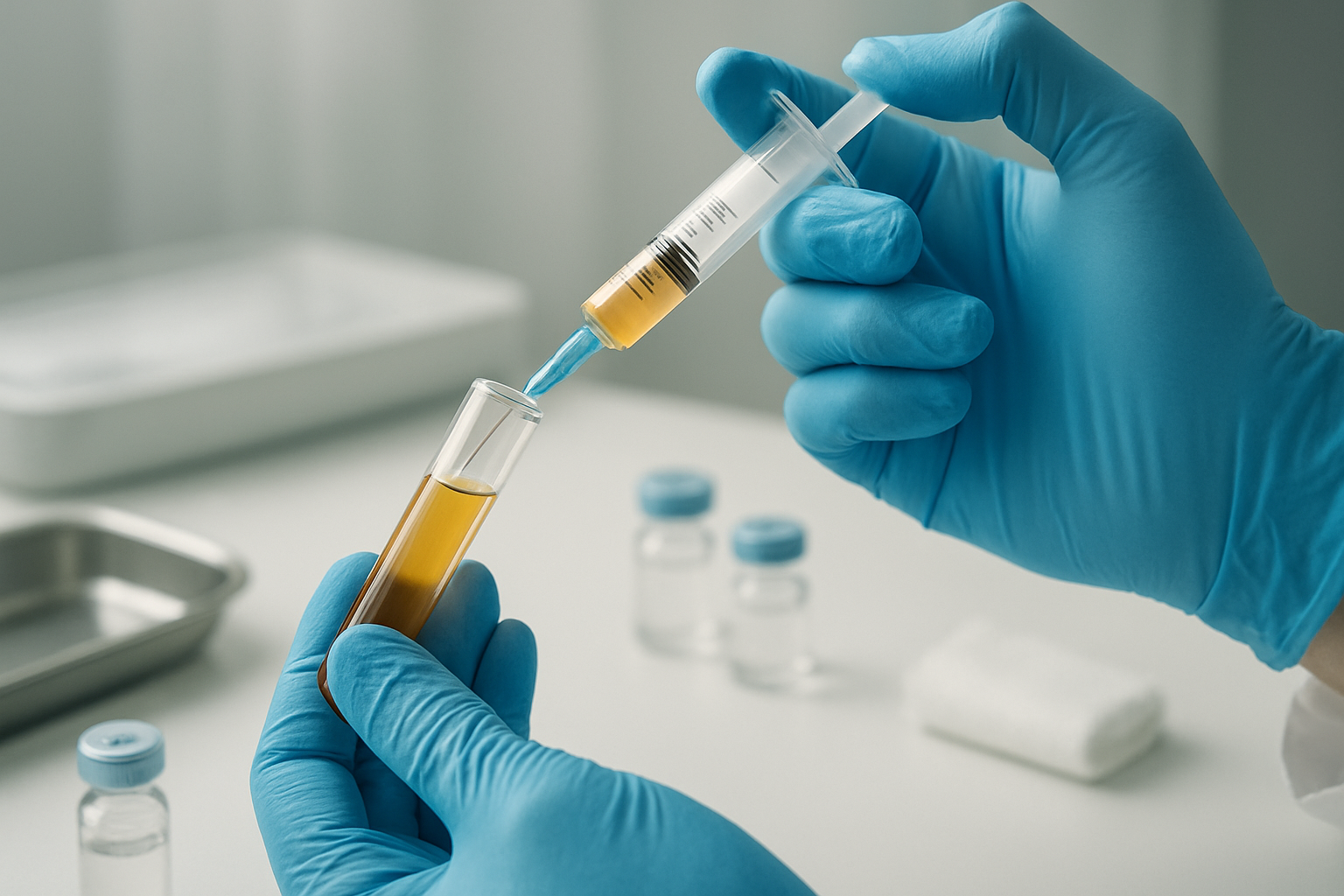
How PRP therapy stimulates natural hair growth
PRP therapy works by harnessing your body’s own healing mechanisms to revitalize dormant hair follicles. During treatment, a small amount of your blood gets drawn and spun in a centrifuge to separate the platelet-rich plasma from other blood components.
This concentrated plasma contains growth factors that are typically 3-5 times higher than normal blood levels.
When injected into the scalp, these growth factors target miniaturized hair follicles – the ones that have started producing thinner, weaker hair due to genetic factors or hormonal changes.
The concentrated platelets release proteins that stimulate blood flow to the follicles, extend the hair growth phase, and encourage the production of thicker, healthier hair strands.
The treatment essentially wakes up follicles that have gone into a dormant state but haven’t completely died. This makes PRP most effective for people in the early to moderate stages of hair loss, where follicles still retain some functionality.
The science behind platelet activation and follicle regeneration
Platelets contain over 30 bioactive proteins, including platelet-derived growth factor (PDGF), vascular endothelial growth factor (VEGF), and insulin-like growth factor (IGF). When these platelets get activated through the injection process, they degranulate and release these growth factors directly into the scalp tissue.
VEGF plays a crucial role by promoting the formation of new blood vessels around hair follicles, improving nutrient delivery and waste removal. PDGF stimulates cell proliferation and tissue repair, while IGF helps regulate the hair growth cycle and extends the anagen (growth) phase.
Research shows that PRP can increase hair density by 20-30% in suitable candidates, with some studies reporting even higher success rates. The growth factors also help reduce inflammation in the scalp, which can contribute to hair loss progression.
Treatment duration and session requirements
Most PRP protocols involve an initial series of 3-4 treatments spaced 4-6 weeks apart. This intensive phase allows the growth factors to build up in the scalp tissue and create sustained stimulation of the hair follicles.
After the initial series, patients typically need maintenance treatments every 3-6 months to sustain results. Some people may see initial improvements after the second session, but most notice significant changes around the 3-4 month mark.
Each session takes about 45-60 minutes, including blood draw, processing, and injection time. The actual injection process usually takes 10-15 minutes, with minimal discomfort for most patients.
Results aren’t permanent without ongoing maintenance, as the natural aging process and genetic factors continue to affect hair follicles over time.
Ideal candidates for PRP hair restoration
PRP works best for people with androgenetic alopecia (male or female pattern baldness) who still have active hair follicles. The ideal candidate typically has:
-
Norwood Scale 1-4 (men) or Ludwig Scale 1-2 (women)
-
Hair thinning rather than complete baldness
-
Good overall health with normal platelet function
-
Realistic expectations about gradual improvement
People with autoimmune conditions, blood disorders, or those taking blood thinners may not be suitable candidates. Smokers often see reduced effectiveness, as smoking impairs blood circulation and healing.
Age also plays a role – younger patients (20s-40s) often respond better than older individuals, though successful treatments have been reported across age groups. Women with hormonal hair loss, particularly those with diffuse thinning, often see excellent results with PRP therapy.
The treatment is less effective for completely bald areas where follicles have been dormant for many years, making early intervention key to maximizing results.
Hair Transplant Surgery: Permanent Hair Restoration Solutions
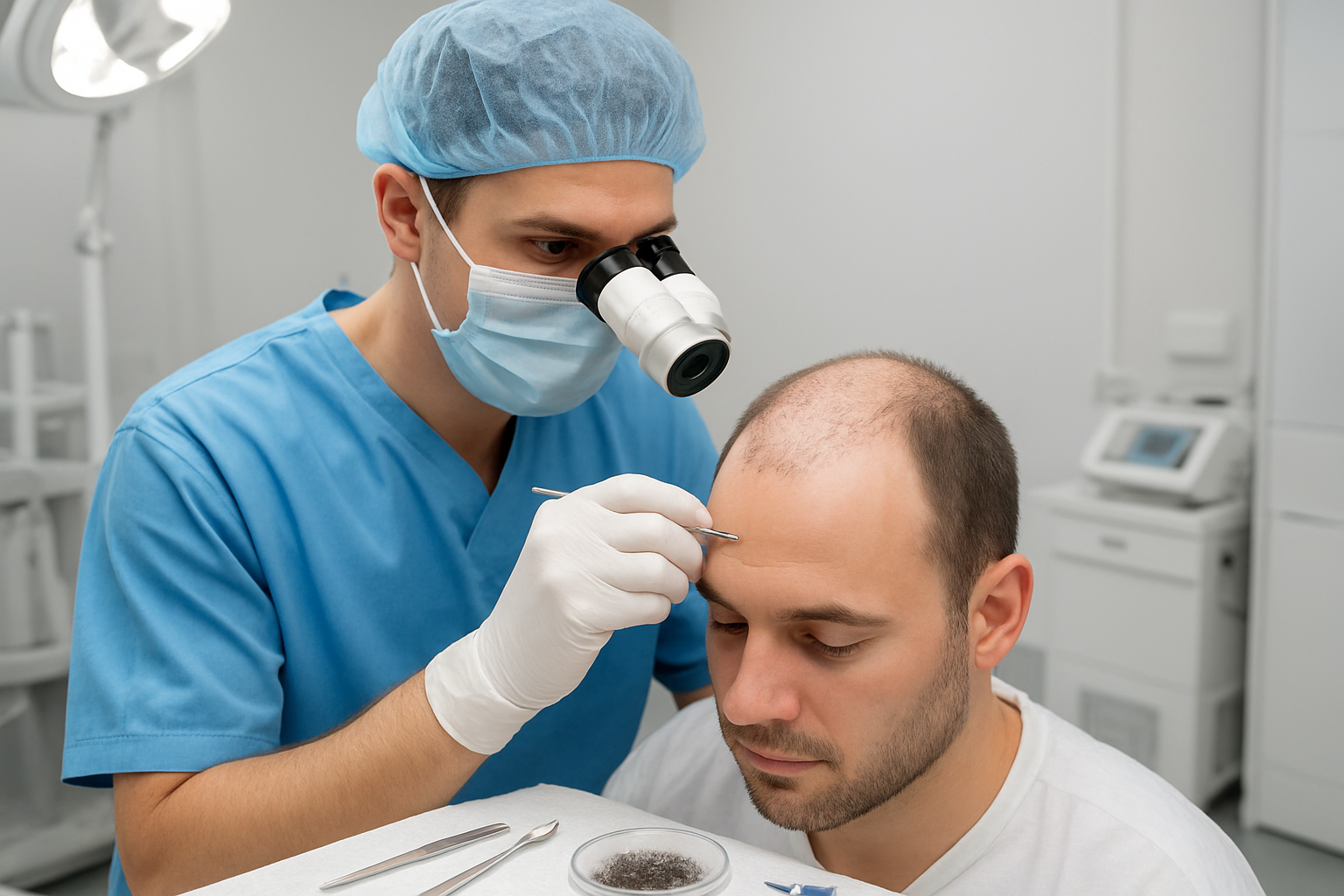
FUE vs FUT transplant techniques explained
Hair transplant surgery offers two primary methods for restoring hair: Follicular Unit Extraction (FUE) and Follicular Unit Transplantation (FUT). Both techniques move healthy hair follicles from donor areas to balding regions, but their approaches differ significantly.
FUE involves extracting individual hair follicles one by one using a micro-punch tool. This method leaves tiny circular scars that are barely visible once healed.
The procedure takes longer but allows for a faster recovery since there’s no linear incision. FUE works well for patients who prefer short hairstyles or want to avoid visible scarring.
FUT, also known as the strip method, removes a strip of scalp from the donor area, typically the back of the head. The strip is then divided into individual follicular units under a microscope.
This technique leaves a linear scar that can be hidden under longer hair. FUT often yields more grafts in a single session and generally costs less than FUE.
| Aspect | FUE | FUT |
|---|---|---|
| Scarring | Tiny dots | Linear scar |
| Recovery time | 3-5 days | 7-10 days |
| Hair length needed | Can shave short | Need longer hair to cover |
| Grafts per session | 2,000-4,000 | 3,000-5,000 |
| Cost | Higher | Lower |
Expected results and natural-looking hairlines
Modern hair transplant techniques produce remarkably natural results when performed by skilled surgeons. The key lies in proper hairline design, strategic graft placement, and understanding natural hair growth patterns.
A successful transplant recreates the subtle irregularities found in natural hairlines. Surgeons avoid the outdated “corn row” appearance by varying the angle, direction, and density of transplanted hairs.
The hairline should have a slight recession at the temples, mimicking how mature hairlines naturally appear.
Hair density plays a major role in achieving natural results. Rather than trying to match the original density everywhere, surgeons strategically place grafts to create the illusion of fullness.
Areas near the face receive priority, while crown regions might have slightly lower density that’s still visually effective.
The transplanted hair initially falls out within 2-3 weeks after surgery – this is completely normal. New growth begins around month three, with significant improvement visible by month six. Final results typically emerge 12-18 months post-surgery, revealing hair that looks and feels completely natural.
Patient expectations should align with realistic outcomes. A single procedure can provide substantial improvement, but some patients benefit from a second session to achieve maximum density or address progressive hair loss in untreated areas.
Recovery timeline and post-surgery care requirements
Hair transplant recovery follows a predictable timeline with specific care requirements at each stage. Understanding what to expect helps patients prepare and achieve optimal results.
First 24-48 hours: Patients experience mild swelling and tenderness around the treatment area. Small crusts form around each transplanted graft. Sleep with your head elevated and avoid touching the transplanted area. Most people return to work within 2-3 days if their job doesn’t involve physical labor.
Days 3-7: Swelling peaks around day three, particularly in the forehead area, then gradually subsides. Gentle washing begins on day three using a mild shampoo and cup-pouring technique. Avoid direct water pressure on grafts.
Weeks 2-4: Transplanted hairs begin shedding – this “shock loss” is expected and temporary. Crusts naturally fall off, revealing small red spots that fade over the following weeks. Light exercise can resume after two weeks.
Months 1-3: The scalp heals completely, though some numbness may persist. New hair growth hasn’t started yet, which can be emotionally challenging for some patients.
Months 3-12: New hair emerges gradually, initially appearing fine and wispy before thickening over time. By month six, patients typically see 50-60% of their final results.
Post-surgery care essentials:
-
Sleep elevated for one week
-
Avoid alcohol and smoking for two weeks
-
No heavy lifting or strenuous exercise for two weeks
-
Wear loose-fitting hats if needed after day five
-
Follow prescribed medication schedule
-
Attend all follow-up appointments
Proper aftercare significantly impacts results. Patients who follow instructions carefully typically experience smoother healing and better outcomes than those who don’t prioritize post-surgery care.
Cost Analysis: Investment Comparison for Long-Term Results

PRP Treatment Pricing and Ongoing Maintenance Costs
PRP treatments typically range from $300 to $800 per session, with most patients requiring 3-4 initial sessions spaced 4-6 weeks apart. The initial treatment phase can cost between $1,200 to $3,200. Maintenance sessions are necessary every 3-6 months to sustain results, adding $600 to $1,600 annually to your hair loss budget.
The ongoing nature of PRP means you’ll likely spend $10,000 to $15,000 over five years. Geographic location significantly impacts pricing – metropolitan areas like New York or Los Angeles command premium rates, while smaller cities offer more affordable options. Some clinics package multiple sessions together, offering slight discounts for upfront payment.
Hair Transplant Upfront Investment and Lifetime Value
Hair transplants require a substantial initial investment, ranging from $4,000 to $20,000 depending on the extent of hair loss and technique used. FUE (Follicular Unit Extraction) procedures typically cost more than FUT (Follicular Unit Transplantation), with prices averaging $3-8 per graft.
Most patients need 1,500 to 4,000 grafts, translating to $6,000 to $25,000 for comprehensive coverage. While the upfront cost seems steep, transplants offer lifetime value since transplanted hair continues growing naturally. You might need a second procedure if hair loss progresses, but the transplanted areas remain permanently restored.
Insurance Coverage and Financing Options Available
Neither PRP nor hair transplants are typically covered by health insurance, as they’re considered cosmetic procedures. Some exceptions exist when hair loss results from medical conditions like alopecia areata or trauma, but coverage remains rare.
Many clinics offer financing options to make treatments accessible:
-
Medical credit cards like CareCredit with promotional interest rates
-
Monthly payment plans with 0% interest for 6-24 months
-
Third-party financing through companies like Alphaeon Credit
-
In-house financing directly through the clinic
Some patients use Health Savings Accounts (HSAs) or Flexible Spending Accounts (FSAs), though eligibility varies by plan administrator.
Hidden Costs and Additional Treatments Needed
PRP treatments often include hidden expenses beyond the base session fee. Pre-treatment blood work, scalp analysis, and post-treatment hair care products can add $200-500 to your total cost. Some patients benefit from combining PRP with microneedling or laser therapy, increasing treatment complexity and expense.
Hair transplant hidden costs include prescription medications for healing ($100-200), special shampoos and treatments ($150-300), and potential follow-up procedures.
Travel expenses for out-of-state procedures, hotel stays, and time off work add substantial costs. Post-transplant medications like finasteride or minoxidil for maintaining non-transplanted hair cost $30-100 monthly.
| Cost Factor | PRP Treatment | Hair Transplant |
|---|---|---|
| Initial Investment | $1,200-$3,200 | $4,000-$20,000 |
| Annual Maintenance | $600-$1,600 | $360-$1,200 |
| 5-Year Total | $10,000-$15,000 | $4,000-$25,000 |
| Hidden Costs | $200-$500 | $500-$1,000 |
Effectiveness and Success Rates: Real Results You Can Expect
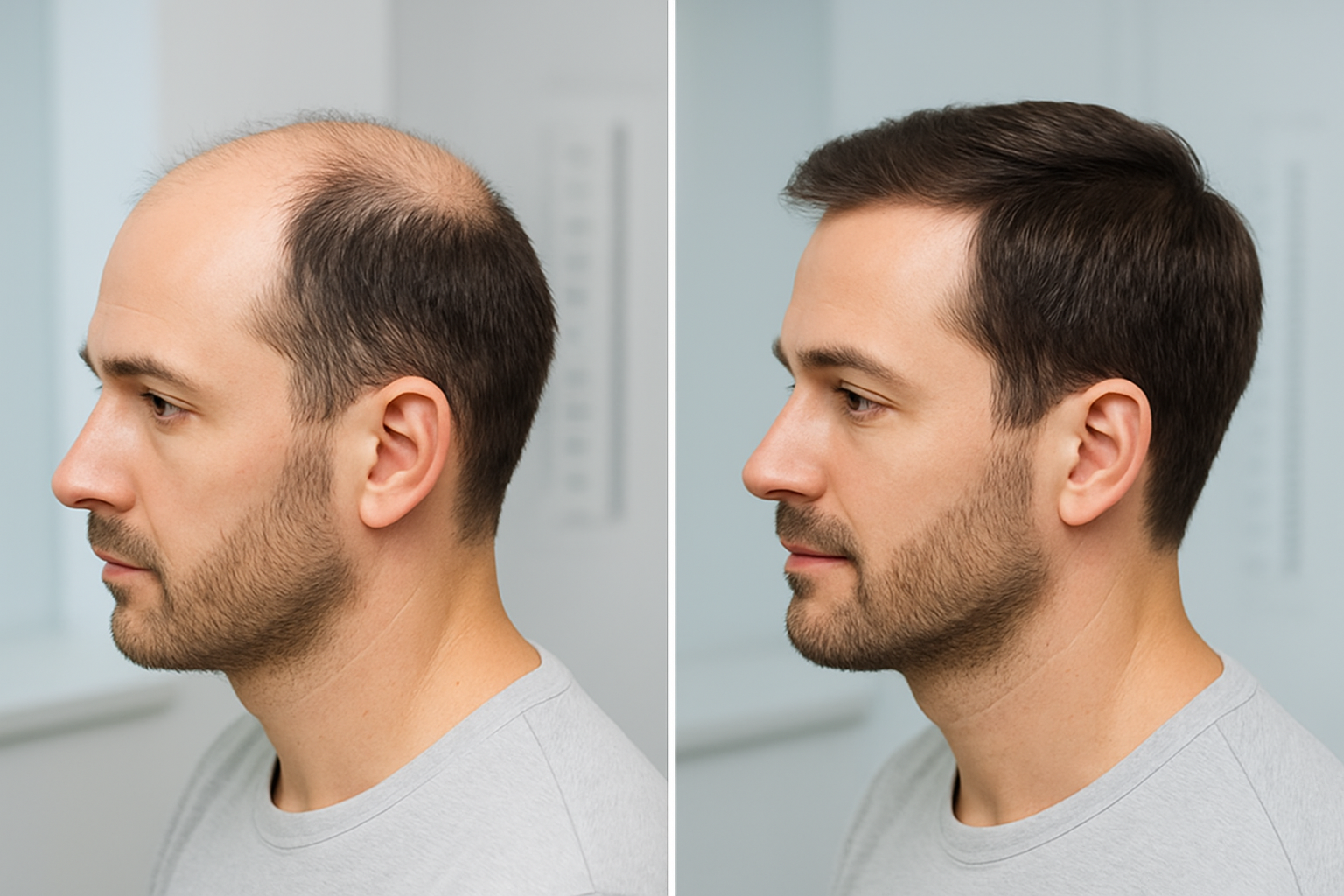
PRP Treatment Success Rates for Different Hair Loss Stages
PRP therapy shows varying effectiveness depending on how far your hair loss has progressed. Early-stage androgenetic alopecia responds best, with success rates reaching 70-80% for patients experiencing initial thinning or recession. At this stage, existing hair follicles remain viable and can respond well to growth factor stimulation.
For moderate hair loss (Norwood stages 3-4), success rates drop to approximately 50-60%. While PRP can still thicken existing hair and slow progression, dramatic regrowth becomes less predictable. Patients typically see improved hair quality and reduced shedding rather than significant density increases.
Advanced hair loss stages show limited response to PRP alone, with success rates falling below 30%. Once follicles have miniaturized extensively or disappeared entirely, even the most potent growth factors struggle to restore function. Combination treatments or alternative approaches often become necessary.
Age plays a crucial role in treatment outcomes. Patients under 40 generally experience better results, as their follicles retain greater regenerative capacity. Women often respond more favorably than men, particularly when hormonal factors contribute to their hair loss.
Hair Transplant Graft Survival and Density Outcomes
Modern hair transplant techniques achieve impressive survival rates when performed by experienced surgeons. FUE (Follicular Unit Extraction) procedures typically see 90-95% graft survival, while FUT (Follicular Unit Transplantation) can reach 95-98% success rates.
| Transplant Method | Typical Survival Rate | Density Achievable |
|---|---|---|
| FUE | 90-95% | 40-60 grafts/cm² |
| FUT | 95-98% | 50-70 grafts/cm² |
| DHI | 90-95% | 45-65 grafts/cm² |
Density outcomes depend heavily on donor hair characteristics and recipient area requirements. A full head of natural hair contains approximately 100-150 grafts per square centimeter. Transplant procedures typically achieve 50-70% of natural density, creating the appearance of fullness when strategically placed.
Graft survival correlates directly with surgical skill, proper handling techniques, and post-operative care. Temperature control, minimal manipulation time, and appropriate storage solutions during extraction significantly impact final outcomes.
Timeline for Visible Results with Each Method
PRP treatments follow a predictable timeline that requires patience. Initial improvements appear around 3-4 months post-treatment, as dormant follicles begin responding to growth factors. Peak results typically occur between 6-12 months, with many patients requiring maintenance sessions every 3-6 months to sustain benefits.
Hair transplant timelines differ dramatically from PRP expectations. Transplanted hair initially sheds within 2-4 weeks—a normal process called shock loss.
New growth begins around month 3, appearing as fine, colorless hair that gradually thickens and darkens. Patients see approximately 50% of final results by month 6, 80% by month 9, and complete outcomes by 12-18 months.
The transplant process involves distinct phases: immediate post-surgical healing (1-2 weeks), shedding phase (weeks 2-6), dormancy period (months 2-4), early regrowth (months 4-6), and maturation (months 6-18). Each phase brings different expectations and requires specific care protocols.
Multiple PRP sessions spread over 12-18 months may show cumulative benefits, while hair transplants typically require only one procedure per area, though some patients opt for additional sessions to increase density or address ongoing hair loss in untreated areas.
Pain, Downtime, and Recovery: What to Expect During Treatment
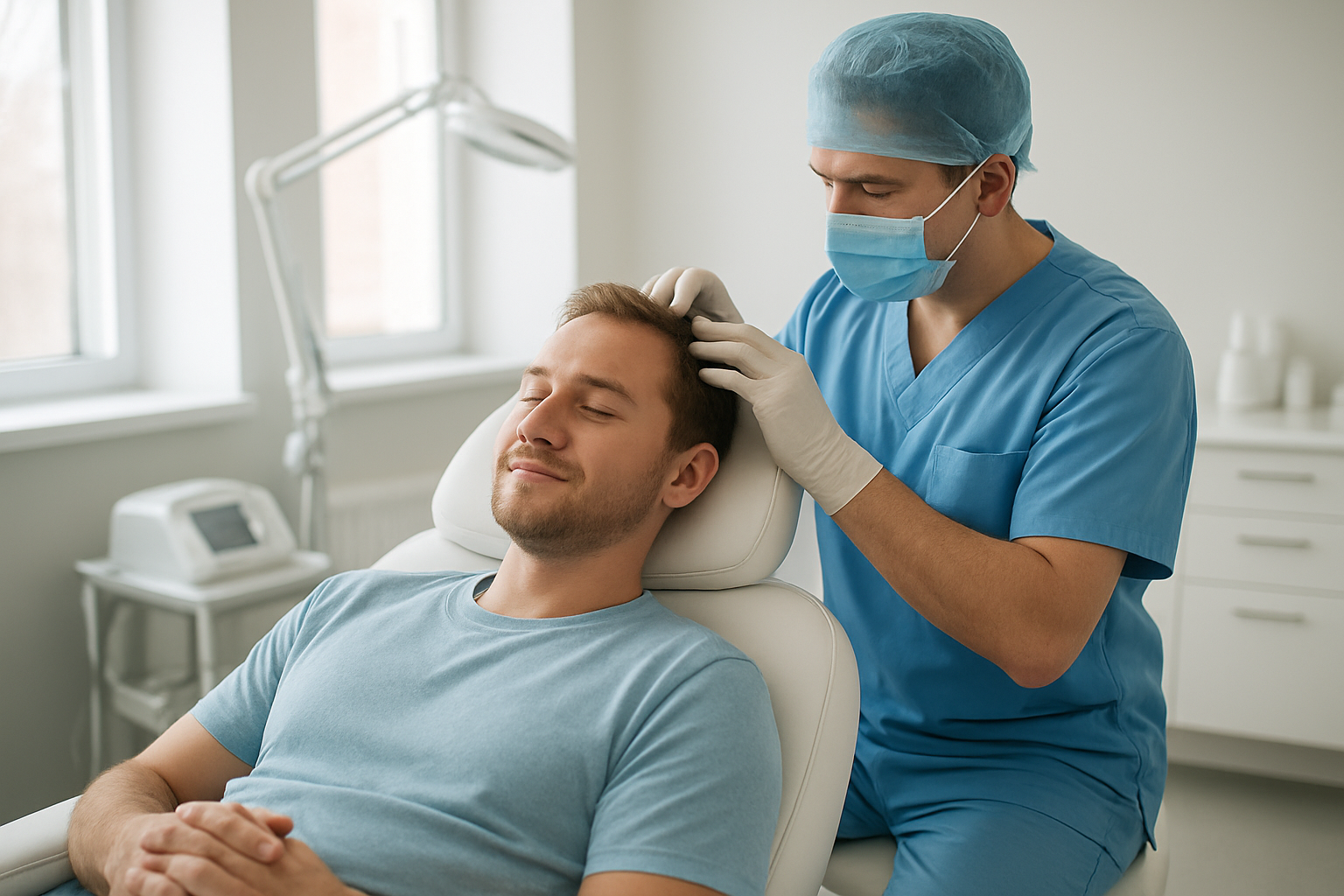
PRP Injection Discomfort and Immediate Aftercare
PRP treatments involve multiple injections across your scalp, which naturally creates some discomfort during the procedure. Most people describe the pain as similar to getting a series of small pinpricks or bee stings.
The needle insertion causes a brief sharp sensation, followed by a mild burning feeling as the plasma enters the tissue. Your practitioner will typically apply a topical numbing cream about 30 minutes before treatment to minimize discomfort.
After your session, expect mild tenderness and soreness around the injection sites for 24-48 hours. Some patients experience slight swelling or redness, which usually subsides within a day.
You can return to light activities immediately, but avoid vigorous exercise or activities that cause excessive sweating for the first 24 hours. Gentle hair washing is permitted after 4-6 hours, though avoid scrubbing or massaging the treated areas aggressively.
Ice packs can help reduce any swelling, and over-the-counter pain relievers like acetaminophen are typically sufficient for managing discomfort. Avoid blood-thinning medications like aspirin for a few days before and after treatment.
Hair Transplant Surgery Pain Management
Hair transplant procedures involve more significant discomfort due to their invasive nature. During FUE (Follicular Unit Extraction) or FUT (Follicular Unit Transplantation), you’ll receive local anesthetic injections throughout your scalp. These initial injections cause the most discomfort – described by many patients as sharp, stinging sensations that last about 30 seconds per injection site.
Once the anesthesia takes effect, the actual harvesting and implantation process should be painless, though you might feel pressure or tugging sensations. Some clinics offer additional sedation options for anxious patients.
Post-surgery pain varies significantly between FUE and FUT procedures. FUE patients typically experience mild to moderate discomfort for 2-3 days, while FUT patients may have more intense pain lasting 5-7 days due to the linear incision. Your surgeon will prescribe pain medications, usually starting with stronger options for the first few days, then transitioning to over-the-counter alternatives.
The donor area (back of head) often feels tight and sore, while the recipient area may feel tender with some throbbing. Sleep positioning becomes challenging initially, and special pillows or sleeping at an elevated angle helps reduce discomfort.
Return to Work and Normal Activities Timeline
PRP Treatment Recovery:
-
Day 1: Return to desk work immediately
-
Days 2-3: Resume all normal activities except intense exercise
-
Day 4: Full activity clearance including gym workouts
Hair Transplant Recovery:
-
Days 1-3: Rest at home, minimal physical activity
-
Days 4-7: Light desk work possible (work from home preferred)
-
Week 2: Return to office work with careful hair washing
-
Weeks 3-4: Resume moderate exercise (avoid contact sports)
-
Month 2: Full activity clearance including swimming and contact sports
| Activity | PRP Timeline | Hair Transplant Timeline |
|---|---|---|
| Office Work | Same day | 4-7 days |
| Exercise | 24-48 hours | 3-4 weeks |
| Hair Washing | 4-6 hours | 24-48 hours (gentle only) |
| Swimming | Next day | 6-8 weeks |
| Sun Exposure | Immediate with hat | 2 weeks with protection |
Potential Side Effects and Complication Risks
PRP Treatment Risks:
PRP carries minimal risk since it uses your own blood components. Common side effects include temporary redness, mild swelling, and minor bruising at injection sites.
Rarely, patients experience headaches or dizziness immediately after treatment. Infection risk is extremely low but possible if aftercare instructions aren’t followed properly.
Some people notice temporary increased hair shedding 2-4 weeks post-treatment – this is normal and indicates the treatment is working to stimulate new growth cycles.
Hair Transplant Complications:
Hair transplants carry higher complication risks due to their surgical nature:
-
Infection: Occurs in less than 1% of cases but requires antibiotic treatment
-
Bleeding: Minor bleeding is normal; excessive bleeding requires medical attention
-
Swelling: Forehead and eye swelling peaks around day 3-4
-
Numbness: Temporary scalp numbness lasting weeks to months
-
Shock Loss: Existing hair around transplanted areas may temporarily shed
-
Poor Growth: 5-10% of transplanted grafts may not survive
-
Scarring: FUT leaves a linear scar; FUE creates tiny dot scars
-
Asymmetry: Uneven results may require touch-up procedures
Choosing experienced practitioners significantly reduces complication risks for both treatments. Following post-procedure instructions carefully and attending follow-up appointments helps ensure optimal healing and results.
Choosing the Right Treatment: Factors That Determine Your Best Option
Hair Loss Severity and Pattern Assessment
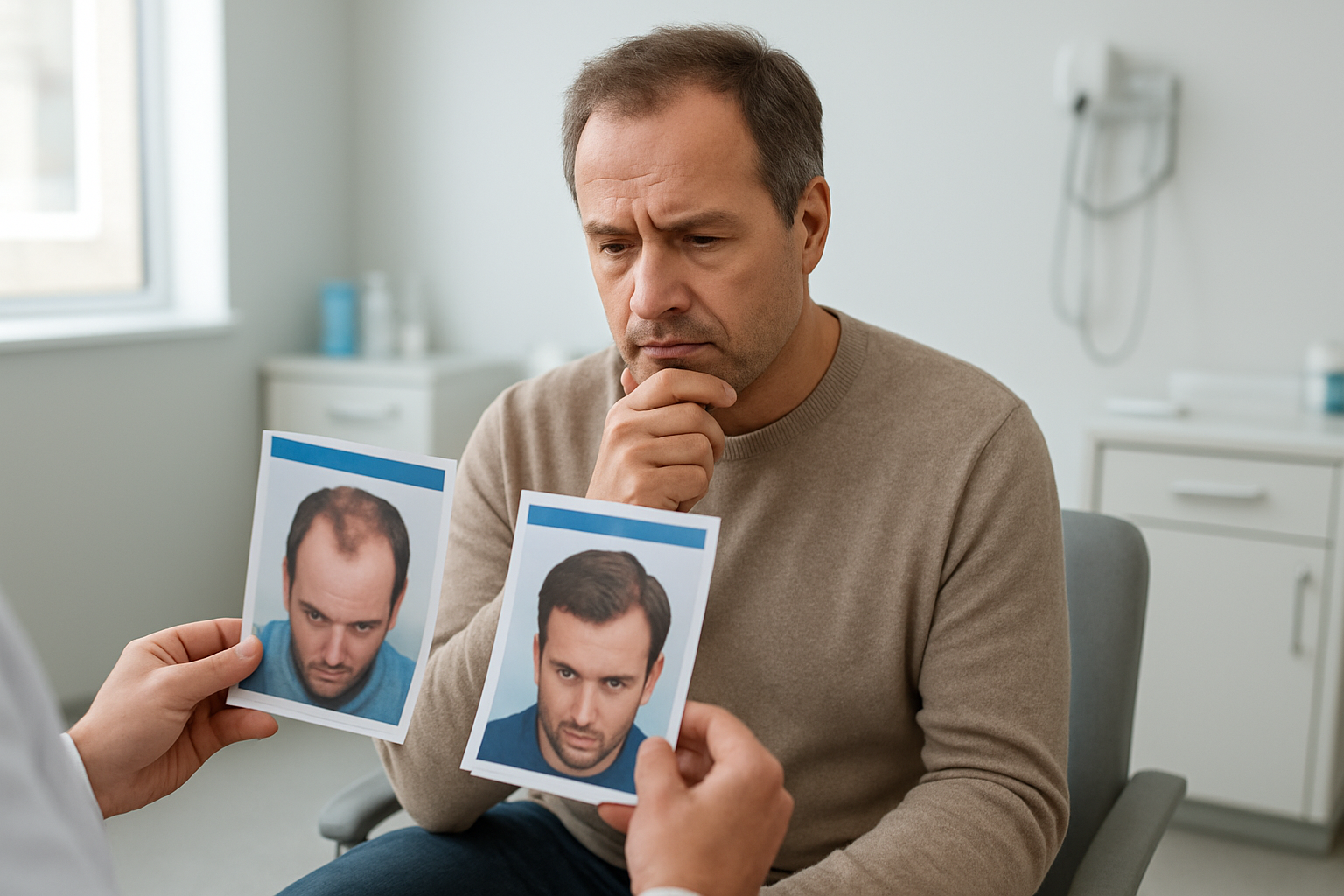
The stage and pattern of your hair loss play a crucial role in determining which treatment will work best. PRP therapy shows the most promising results in early stages of hair loss, particularly for those experiencing thinning rather than complete baldness.
If you’re dealing with a receding hairline or crown thinning where hair follicles are still present but weakened, PRP can help strengthen existing hair and slow the progression.
Hair transplant surgery becomes the clear winner when you’re facing significant balding areas, especially if you’ve reached Norwood Scale level 3 or higher.
The procedure can restore hair in completely bald regions where PRP simply can’t work because there are no follicles left to stimulate. Pattern baldness that follows a predictable path, like male pattern baldness, responds well to transplant procedures since surgeons can strategically place grafts in areas that typically remain stable throughout life.
Women experiencing diffuse thinning across the scalp often benefit more from PRP, as their hair loss pattern differs from men’s and transplants may not provide the comprehensive coverage needed.
The key is having enough healthy donor hair available if you’re considering a transplant, as this determines how much coverage you can achieve.
Age Considerations and Future Hair Loss Progression
Your age affects both treatment effectiveness and long-term planning. Younger patients under 30 face unique challenges since their hair loss pattern hasn’t fully established itself yet. Getting a hair transplant too early might leave you with an unnatural look if additional balding occurs in untreated areas later on.
PRP works particularly well for younger patients because their hair follicles are generally more responsive to growth stimulation. The treatment can help preserve what you have while you monitor how your hair loss progresses. This approach gives you time to make a more informed decision about transplant surgery later when your pattern becomes clearer.
For patients over 40, hair loss patterns are typically more established, making transplant planning more predictable. Older patients also tend to have more realistic expectations about results and are often better candidates for surgery.
However, healing may take slightly longer, and the existing hair quality might affect how well new grafts blend with surrounding hair.
The timeline matters too. If you’re planning major life events like weddings or career changes, consider how each treatment fits your schedule. PRP requires ongoing sessions, while transplants need several months for full results to appear.
Lifestyle Factors and Maintenance Commitment
Your daily routine and long-term commitment level significantly impact which treatment makes sense. PRP demands ongoing maintenance with sessions typically needed every 3-6 months initially, then spacing out to every 6-12 months for maintenance. This means regular clinic visits, time off work, and ongoing costs for years to come.
If you travel frequently or have an unpredictable schedule, maintaining consistent PRP treatments becomes challenging. Missing sessions can result in losing the progress you’ve made. The treatment also requires avoiding certain medications and supplements that might interfere with platelet function.
Hair transplants offer a different maintenance scenario. After the initial healing period of 2-3 weeks, you can return to normal activities without ongoing treatment requirements. However, you’ll need to protect the transplanted area from sun exposure and trauma during the healing phase. Some patients choose to combine transplants with occasional PRP sessions to optimize results.
Consider your styling preferences too. If you like wearing your hair very short, transplant scars might be visible, though modern FUE techniques minimize this concern. PRP doesn’t create any scarring but might require you to avoid harsh chemical treatments or excessive heat styling during treatment periods.
Personal Goals and Aesthetic Expectations
Setting realistic expectations starts with understanding what each treatment can actually deliver. PRP primarily maintains and improves existing hair quality rather than creating dramatic new growth.
Expect improvements in hair thickness, reduced shedding, and slower progression of thinning. The results tend to look natural since you’re working with your own existing hair, but the changes are gradual and subtle.
Hair transplants deliver more dramatic, visible changes by actually moving hair from one area to another. You can achieve significant coverage in bald areas and create a more youthful hairline. However, transplanted hair initially falls out before regrowing, so patience is essential during the first 6-12 months.
Budget considerations extend beyond the initial treatment cost. PRP requires ongoing investment over time, potentially costing more than a transplant in the long run. Transplants involve higher upfront costs but may prove more economical over decades.
Think about your definition of success. Are you hoping to completely restore a full head of hair, or would you be satisfied with slowing hair loss and improving what you currently have? Your answer guides the decision between these very different approaches to hair restoration.
Some patients benefit from a combination approach, using PRP to optimize scalp health before and after transplant surgery for enhanced results.
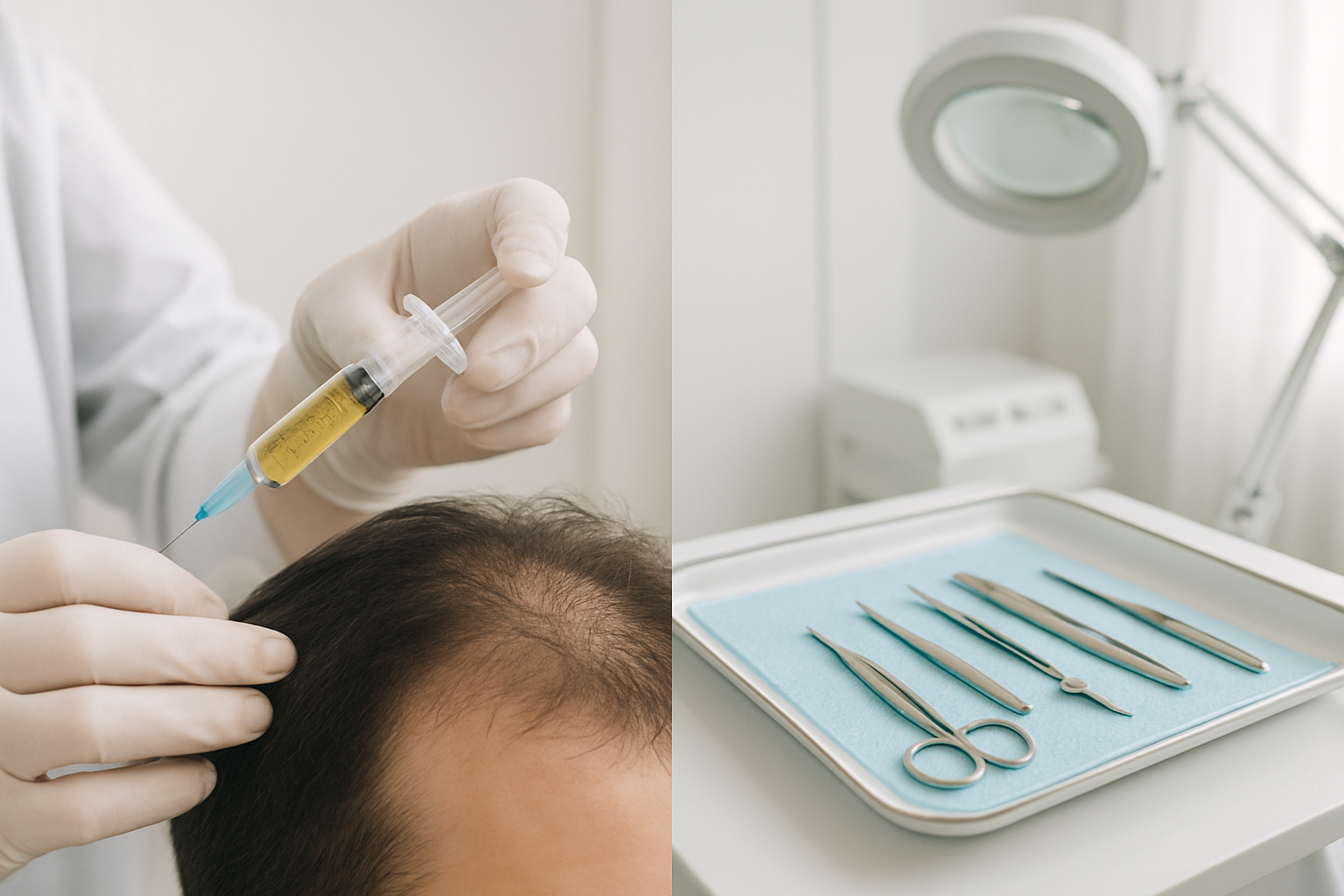
Both PRP and hair transplant treatments offer real solutions for hair loss, but they serve different purposes and work best for different people.
PRP works great for strengthening existing hair and slowing down hair loss, while hair transplants give you permanent results by moving healthy hair to balding areas.
The costs add up differently too – PRP needs regular sessions that can cost more over time, but hair transplants require a bigger upfront investment that typically pays off in the long run.
Your best choice really depends on how much hair you’ve already lost, your budget, and what kind of results you’re hoping for. If you’re dealing with early hair loss and want to keep what you have, PRP might be your go-to option.
But if you’re looking to restore hair in areas that are already bald, a hair transplant will give you the dramatic, lasting changes you want. Talk to a hair restoration specialist who can look at your specific situation and help you figure out which treatment makes the most sense for your goals and lifestyle.