
Your scalp works overtime dealing with product buildup, excess oil, and environmental pollutants that can leave your hair looking flat and feeling unhealthy.
A scalp detox helps reset your scalp’s natural balance by removing these accumulated impurities and creating the perfect foundation for healthier hair growth.
This guide is perfect for anyone dealing with oily roots, product buildup, or lackluster hair who wants to understand what scalp detoxing can do for them.
You’ll discover the science-backed benefits that make professional scalp detox treatments so effective at improving hair health. We’ll also walk you through proven step-by-step methods you can try at home, plus how to pick the right detox ingredients that match your specific scalp type for the best results.
Understanding Scalp Detox Fundamentals
What Scalp Detox Really Means for Your Hair Health
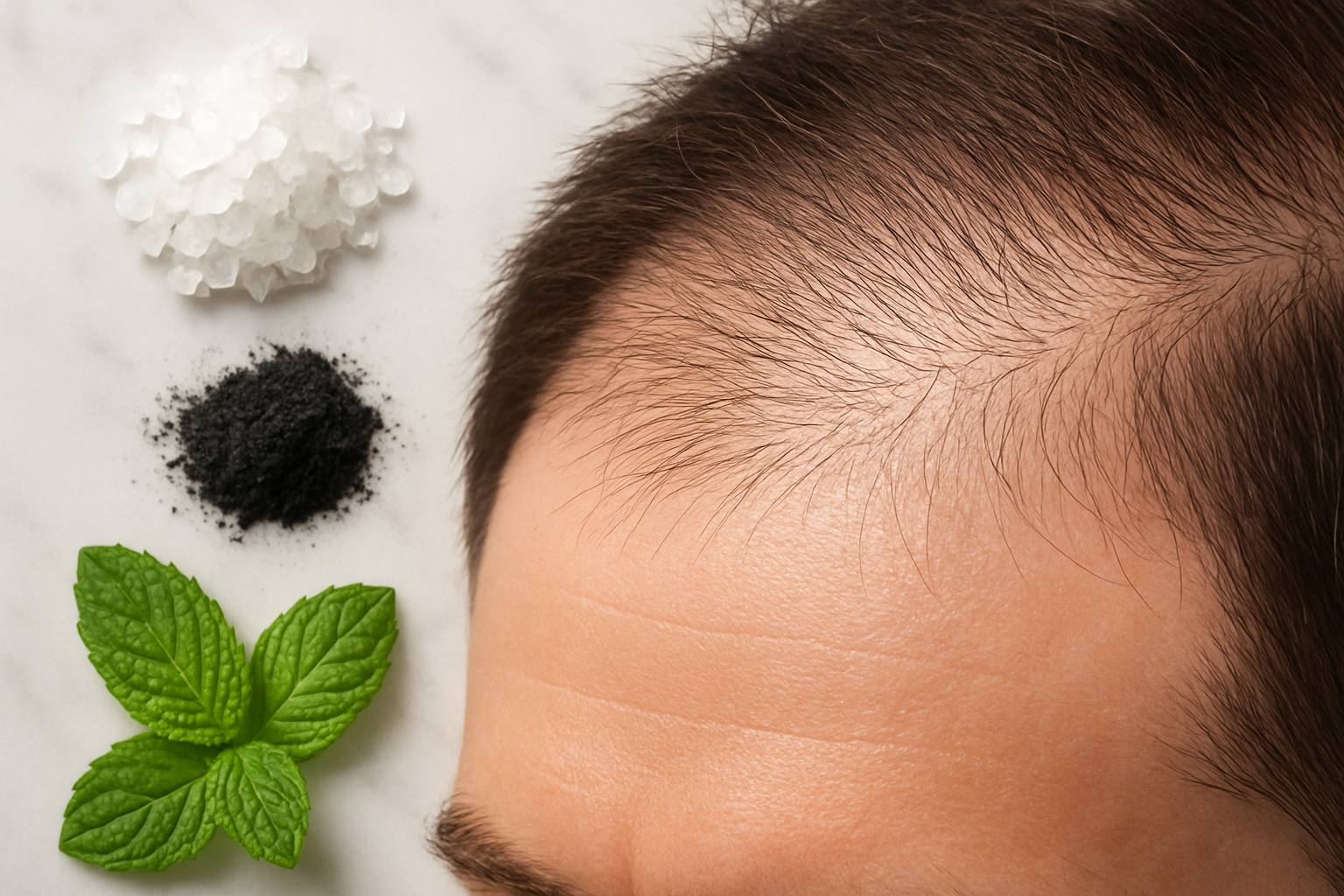
Scalp detox goes beyond surface-level cleansing to address the deep-seated buildup that accumulates on your scalp over time. Think of your scalp as skin that deserves the same attention you give your face.
Just as facial skin benefits from occasional deep cleaning treatments, your scalp needs periodic detoxification to remove stubborn residues, excess oils, and environmental pollutants that regular washing can’t tackle.
The process involves using specialized ingredients and techniques to draw out impurities from hair follicles and the scalp surface.
Unlike your daily shampoo routine, scalp detox targets the microscopic buildup that creates barriers between your scalp and healthy hair growth. This buildup includes sebum oxidation, dead skin cells, styling product residue, and mineral deposits from hard water.
When your scalp functions optimally, it creates the perfect environment for strong, healthy hair growth. A clean, balanced scalp allows better nutrient absorption, improves blood circulation, and maintains the natural pH levels that support hair follicle health.
The result is hair that grows stronger from the root, appears shinier, and feels more manageable.
For More Information Contact Us : 91 8553954466
Key Differences Between Regular Shampooing and Deep Detoxing
Regular shampooing and scalp detoxing serve completely different purposes, though many people assume they accomplish the same goals. Your daily or weekly shampoo primarily removes surface-level dirt, fresh oil production, and loose debris.
It works on the outermost layer of your scalp and hair, providing basic cleanliness for immediate appearance and comfort.
| Aspect | Regular Shampooing | Scalp Detox |
|---|---|---|
| Frequency | Daily to weekly | Monthly to quarterly |
| Depth | Surface cleaning | Deep follicle cleansing |
| Duration | 2-3 minutes | 15-30 minutes |
| Purpose | Maintenance cleaning | Intensive treatment |
| Ingredients | Gentle surfactants | Clay, charcoal, acids |
Scalp detox penetrates deeper into hair follicles and pores, breaking down stubborn buildup that has accumulated over weeks or months.
The process typically involves longer contact time, allowing active ingredients to work effectively. While shampoo removes what’s easily accessible, detox treatments dissolve and extract embedded impurities that create long-term scalp problems.
The timing also differs significantly. Regular shampooing maintains day-to-day cleanliness, while detoxing addresses cumulative damage and buildup. Think of shampooing as daily maintenance and detoxing as deep cleaning that resets your scalp’s condition.
Common Scalp Issues That Signal Need for Detoxification
Several telltale signs indicate your scalp has reached the point where regular cleansing isn’t enough. Persistent itchiness that doesn’t improve with gentle shampoos often signals trapped irritants or product buildup.
This itching frequently worsens after using styling products or exposure to pollution.
Excessive oiliness that returns within hours of washing suggests your scalp is overproducing sebum to compensate for stripped or imbalanced conditions.
When your scalp’s natural protective barrier becomes compromised by buildup, it responds by generating more oil, creating a frustrating cycle.
Flaking and dandruff that persists despite anti-dandruff treatments usually indicate deeper issues than surface dryness. Stubborn flakes often form when dead skin cells combine with product residue, creating larger, more visible pieces that standard shampoos can’t effectively remove.
Hair that appears dull, feels heavy, or lacks volume despite proper styling techniques may suffer from scalp congestion. When follicles become clogged, hair emerges weakened and coated with residue from the root level.
Slow hair growth or increased hair loss can also signal scalp health problems. Blocked follicles restrict proper hair development, while inflammation from buildup can trigger excessive shedding.
These issues often improve dramatically after proper detoxification removes the barriers to healthy hair growth.
Why Your Scalp Desperately Needs Regular Detoxing
Product Buildup That Suffocates Hair Follicles
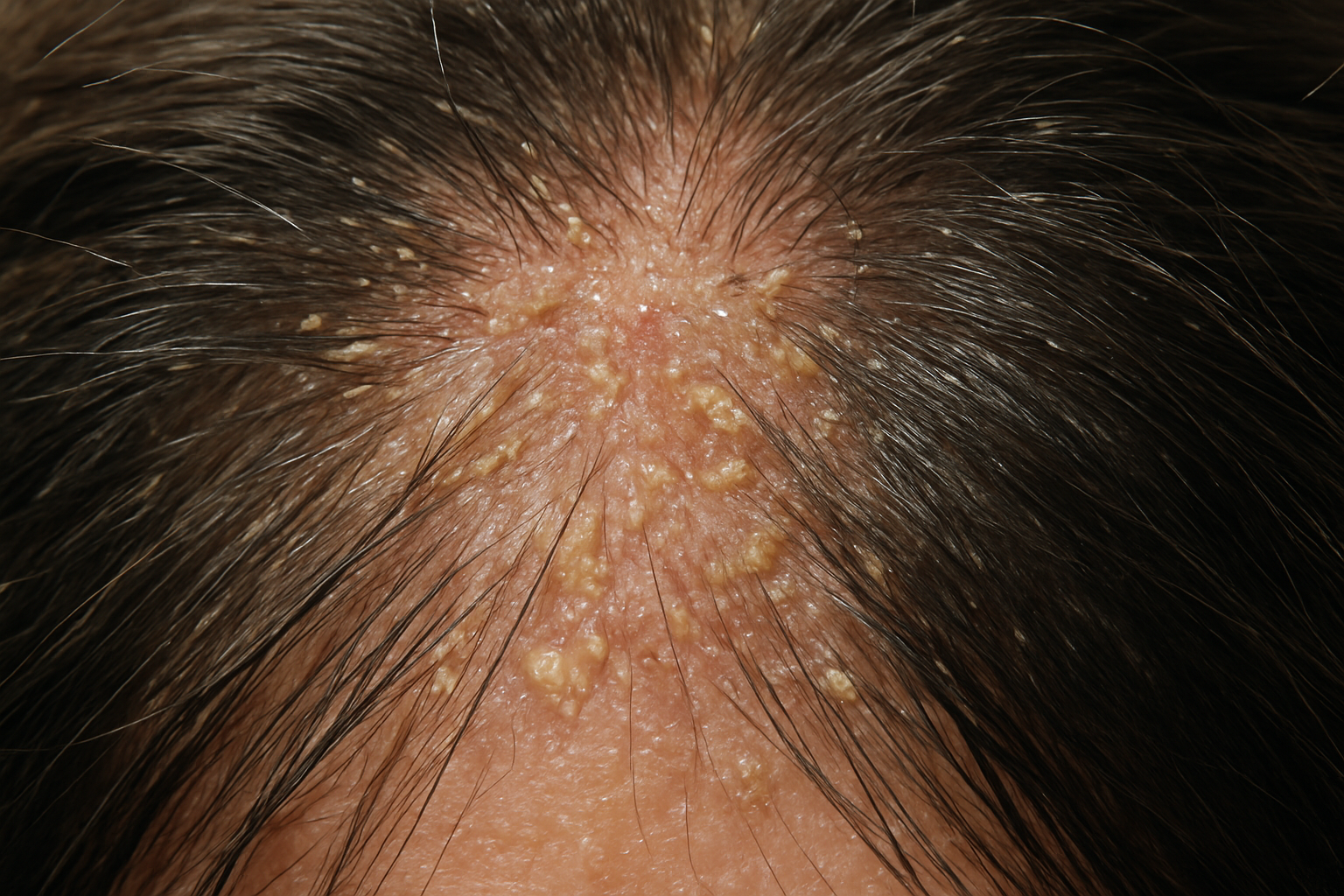
Your hair products might be sabotaging your scalp health without you realizing it. Every time you use shampoo, conditioner, styling gel, hairspray, or dry shampoo, microscopic residue gets left behind on your scalp.
These layers accumulate over weeks and months, creating a sticky film that coats your hair follicles like plastic wrap.
When follicles get clogged with product buildup, they can’t breathe properly. Oxygen flow decreases, and your scalp’s natural shedding process gets disrupted.
Dead skin cells that should naturally fall away instead get trapped under this residue layer. The result? Weakened hair roots, slower growth, and hair that looks dull and lifeless despite your best styling efforts.
Silicones are particularly sneaky culprits. While they make your hair feel smooth initially, they create an impermeable barrier that regular shampoos can’t wash away. Water-based products can’t penetrate through this silicone coating, leaving your hair undernourished and your scalp suffocated.
Environmental Pollutants Blocking Healthy Hair Growth
City living comes with hidden costs for your scalp. Air pollution deposits microscopic particles directly onto your hair and scalp throughout the day. These pollutants include dust, exhaust fumes, industrial chemicals, and even heavy metals that settle into your follicles.
Chlorine from swimming pools and hard water minerals create another layer of buildup. Chlorine strips natural oils while leaving behind harsh chemical residue.
Hard water deposits calcium and magnesium that bind to your hair shaft, making it brittle and creating a chalky coating on your scalp.
Indoor pollutants deserve attention too. Cooking fumes, cigarette smoke, and household cleaning chemicals all contribute to scalp contamination. These particles mix with your natural sebum, creating a toxic cocktail that blocks follicles and irritates sensitive scalp tissue.
The combination of outdoor and indoor pollutants creates an invisible shield around each hair follicle, preventing proper nutrient absorption and waste elimination. Your scalp becomes like a clogged drain – nothing flows in or out effectively.
Excess Oil Production Creating Bacterial Breeding Grounds
Sebaceous glands in your scalp produce oil naturally, but several factors can throw this system out of balance. Overwashing strips natural oils, triggering your glands to overcompensate with excess production. Stress hormones also ramp up oil production, as does eating too much sugar or dairy.
When oil production goes into overdrive, it mixes with dead skin cells and product residue to create the perfect environment for bacteria and yeast to thrive. Malassezia, a naturally occurring scalp yeast, feeds on these oils and multiplies rapidly in oily conditions.
This bacterial and fungal overgrowth leads to inflammation, itching, and flaking. Your scalp develops an unhealthy pH balance that disrupts the protective acid mantle.
Without this natural barrier, harmful microorganisms can penetrate deeper into follicles, causing infections and weakening hair roots.
The inflammatory response from bacterial overgrowth also restricts blood flow to hair follicles. Less circulation means fewer nutrients reach your hair roots, resulting in slower growth and weaker strands that break easily.
Impact of Poor Scalp Health on Hair Texture and Volume
Unhealthy scalp conditions directly translate to disappointing hair performance. When follicles are clogged or inflamed, they can’t produce strong, healthy hair shafts. The hair that does grow emerges weak, thin, and prone to breakage.
Poor scalp circulation affects hair texture at the root level. Blood carries essential nutrients and oxygen to follicles. When circulation is compromised by buildup and inflammation, hair grows out lacking the proteins and vitamins needed for strength and shine.
Volume suffers dramatically when scalp health declines. Clogged follicles produce finer hair strands, and some follicles may stop producing hair altogether. The result is visibly thinner hair with less body and movement.
Hair texture changes become noticeable over time. Naturally smooth hair may become coarse and unmanageable. Curly hair loses its bounce and definition. Color-treated hair fades faster because the compromised scalp can’t support healthy cuticles that lock in pigment.
Even your hair’s ability to hold styles diminishes when scalp health is poor. Products don’t distribute evenly through contaminated hair, and styling tools can’t create lasting results on weakened strands. The domino effect touches every aspect of how your hair looks and behaves.
Science-Backed Benefits of Professional Scalp Detox
Improved Blood Circulation for Stronger Hair Roots
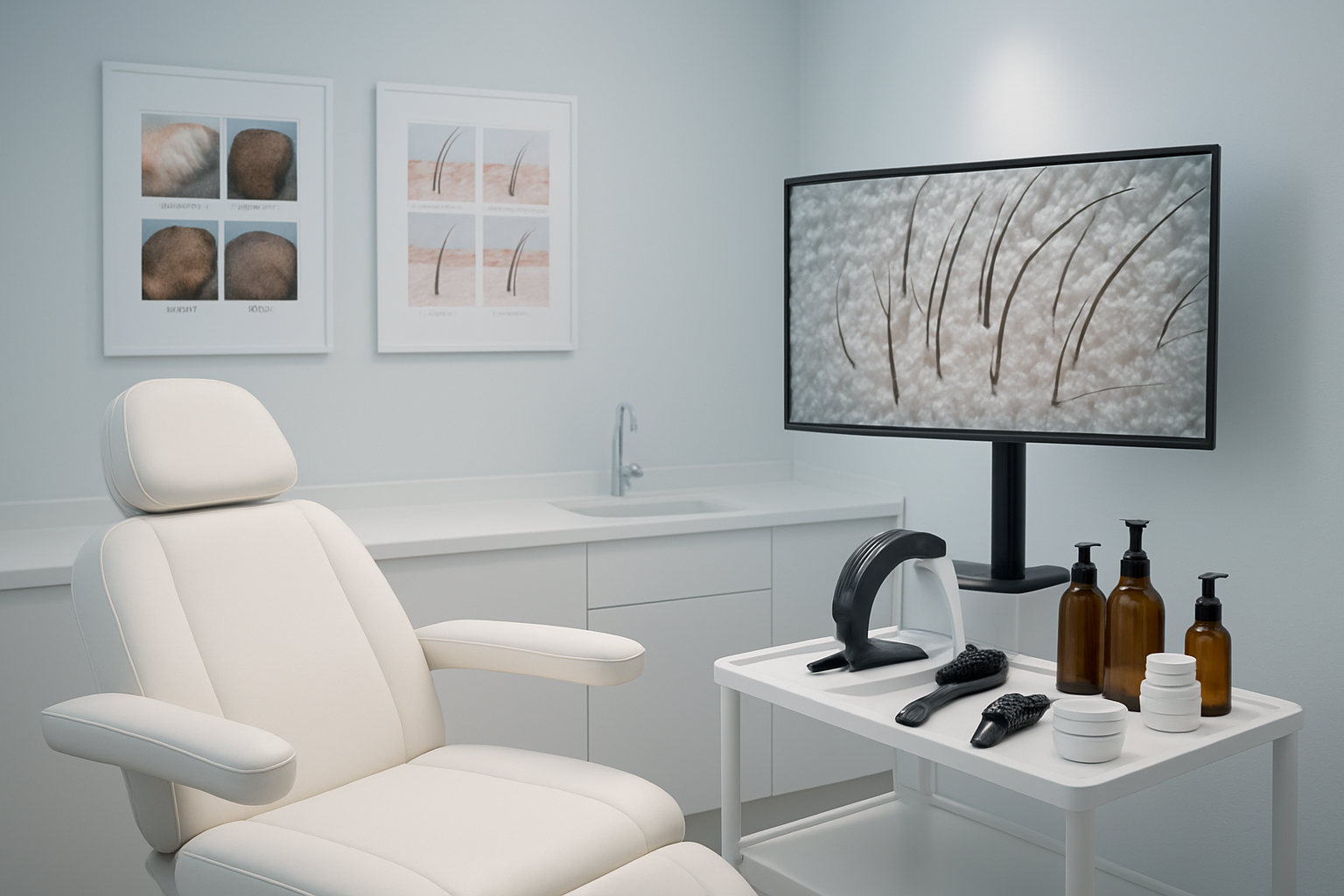
Professional scalp detox treatments dramatically boost blood circulation through targeted massage techniques and active ingredients. When blood flow increases to your scalp, hair follicles receive more oxygen and essential nutrients needed for healthy growth.
Studies show that improved circulation can increase hair diameter by up to 15% within just three months of regular treatment.
The massaging action during detox treatments stimulates vasodilation, where blood vessels expand to allow better nutrient delivery.
This process strengthens hair roots from the inside out, making them more resilient to environmental stressors and styling damage. Clients often notice their hair feels thicker and more voluminous after consistent detox sessions.
Unclogged Follicles Leading to Faster Hair Growth
Product buildup, dead skin cells, and excess sebum create a barrier around hair follicles that can slow down natural growth cycles.
Professional detox treatments use clarifying agents and gentle exfoliation to remove these blockages completely. Research indicates that clean, unobstructed follicles can increase hair growth rates by 20-30%.
When follicles are clear, new hair strands emerge more easily and grow stronger from day one. The removal of buildup also allows your natural oils to distribute properly along the hair shaft, creating healthier growth conditions.
Many people discover they’ve been missing out on their hair’s true growth potential simply because their follicles were clogged.
Balanced pH Levels Reducing Irritation and Flaking
Your scalp’s natural pH should hover around 4.5-5.5, but harsh shampoos and environmental factors often push it toward alkaline levels. Professional detox treatments restore optimal pH balance using specially formulated solutions that neutralize harmful alkaline buildup while preserving beneficial acid levels.
Balanced pH levels create an environment where healthy bacteria thrive while harmful microorganisms struggle to survive. This dramatically reduces scalp irritation, itching, and flaking that many people accept as normal.
When your scalp maintains proper pH, it can better defend against infections and inflammatory conditions that lead to hair loss.
Enhanced Absorption of Hair Care Products
Clean, detoxed scalps absorb hair care ingredients up to 60% more effectively than buildup-laden ones. Professional treatments remove the invisible barrier that prevents serums, oils, and treatments from penetrating deeply into your scalp tissue. This means your expensive hair care products actually work as intended.
After detox, clients report that their regular shampoos lather better, conditioners distribute more evenly, and leave-in treatments provide longer-lasting results.
The improved absorption also means you can use smaller amounts of products while achieving better results, making your hair care routine more cost-effective.
Prevention of Premature Hair Loss and Thinning
Regular scalp detox addresses multiple factors that contribute to early hair loss. By removing DHT (dihydrotestosterone) buildup, reducing inflammation, and creating optimal growth conditions, detox treatments can significantly slow or prevent premature thinning.
Clinical studies show that people who receive monthly scalp detox treatments retain 25% more hair density over a two-year period compared to those using only standard hair care routines.
The anti-inflammatory properties of professional detox treatments also help combat conditions like seborrheic dermatitis and scalp psoriasis, which often lead to temporary or permanent hair loss if left untreated.
Step-by-Step Scalp Detox Methods That Actually Work
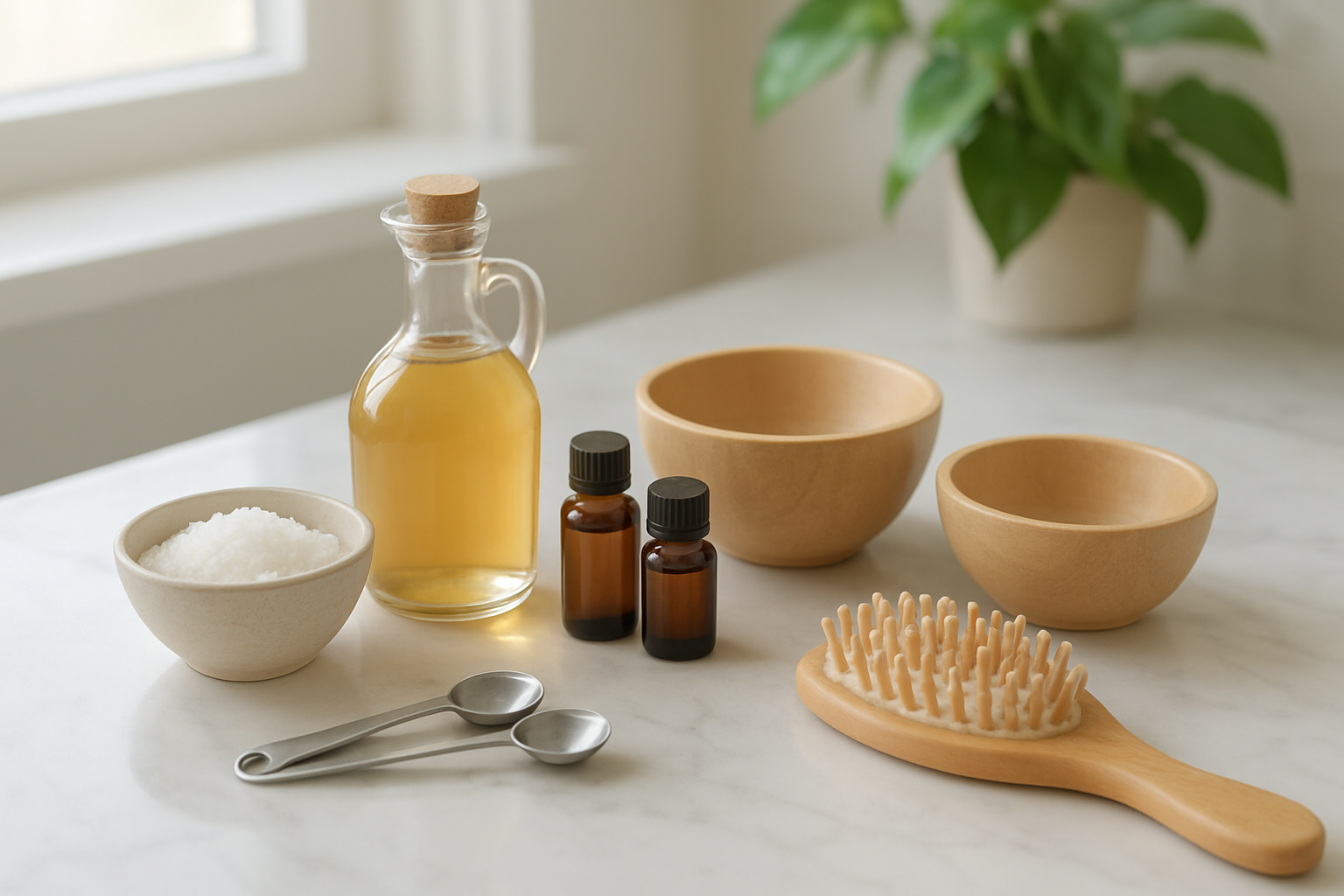
Pre-Detox Scalp Analysis and Preparation
Understanding your scalp’s condition before starting any detox routine makes all the difference between success and disappointment.
Start by examining your scalp in natural light using a handheld mirror or ask someone to help you assess different areas. Look for signs of buildup like white flakes, oily patches, or areas where your scalp feels tight and uncomfortable.
Check for any irritation, redness, or sensitive spots that might need gentler treatment. Your scalp type determines everything about your detox approach – oily scalps can handle stronger ingredients, while dry or sensitive scalps need milder formulations.
Preparation begins 24-48 hours before your detox session. Stop using any heavy styling products, dry shampoos, or leave-in treatments during this window. These products create additional layers of buildup that can interfere with your detox ingredients reaching the scalp surface.
Create your detox workspace with proper lighting, clean towels, and all your ingredients within easy reach. Protect your clothing with an old shirt or cape, and have a timer ready since most detox treatments work best with precise timing.
Test any new ingredients on a small patch of skin behind your ear first. Even natural ingredients can cause reactions in sensitive individuals, and discovering this during a full scalp treatment creates unnecessary complications.
Professional Clay Mask Application Techniques
Clay masks deliver powerful detoxification when applied correctly. Bentonite and French green clay work exceptionally well for drawing out impurities, but the application method determines how effective your treatment becomes.
Start with damp, not soaking wet hair. Too much moisture dilutes the clay’s potency, while completely dry hair makes even distribution nearly impossible. Section your hair into four quadrants using clips, exposing your scalp completely.
Mix your clay with filtered water or apple cider vinegar to create a smooth, spreadable paste. The consistency should resemble thick yogurt – thick enough to stay in place but smooth enough to apply without tugging at your hair roots.
Apply the mask directly to your scalp using a tint brush or your fingertips, working in small sections. Start at your hairline and work backward, ensuring complete coverage without getting too much product on your hair lengths. The mask should feel slightly tingly but never burn or cause sharp discomfort.
| Clay Type | Best For | Application Time | Mixing Liquid |
|---|---|---|---|
| Bentonite | Oily scalps | 15-20 minutes | Water or ACV |
| French Green | Normal to oily | 10-15 minutes | Water |
| Rhassoul | Sensitive scalps | 8-12 minutes | Rose water |
Keep the clay moist during treatment by misting with water if it starts cracking. Remove with lukewarm water, never hot, as excessive heat can irritate freshly detoxed skin.
Gentle Exfoliation Methods for Sensitive Scalps
Sensitive scalps need careful exfoliation that removes buildup without causing irritation or inflammation. Physical scrubbing often does more harm than good, so focus on gentle chemical and enzymatic methods that work with your scalp’s natural processes.
Sugar-based scrubs offer the mildest physical exfoliation option. Mix fine brown sugar with a carrier oil like jojoba or sweet almond oil, creating a paste that dissolves as you massage. The sugar crystals break down gradually, reducing the risk of micro-tears in your scalp tissue.
Enzymatic exfoliation using fruit enzymes provides effective results without any scrubbing action. Pineapple and papaya contain natural enzymes that break down dead skin cells and protein buildup. Create a paste using fresh fruit pulp or enzyme powder mixed with a gentle carrier.
Apple cider vinegar offers chemical exfoliation through its natural acids, which dissolve buildup while balancing your scalp’s pH levels. Dilute one part ACV with three parts water and apply using a spray bottle or cotton pads. The acidic environment helps loosen dead skin cells and product residue.
During exfoliation, use only the pads of your fingers, never your nails. Move in small, circular motions with minimal pressure, letting the exfoliating agents do the work rather than relying on friction.
Spend extra time on areas where you typically apply the most product, like around your hairline and crown.
Monitor your scalp’s response throughout the process. Any stinging, burning, or increased redness signals that you should rinse immediately and opt for an even gentler approach next time.
Deep Cleansing Rinse Procedures for Maximum Results
The rinse phase often gets rushed, but proper technique here determines whether your detox efforts pay off or leave residue behind. Temperature control plays a crucial role – lukewarm water opens your hair cuticles enough for thorough cleansing without shocking your scalp or causing excessive dryness.
Start your rinse from the back of your head, allowing water to flow forward and carry away loosened debris. Use your fingertips to gently massage your scalp as you rinse, helping dislodged buildup flow away completely.
Don’t scrub aggressively, but maintain consistent gentle pressure to encourage thorough removal.
Follow your initial rinse with a clarifying rinse using diluted apple cider vinegar or lemon juice. This acidic rinse neutralizes any remaining alkaline residue from clay treatments while restoring your scalp’s natural pH balance.
Mix two tablespoons of acid with one cup of water, pour over your scalp, and let it sit for 2-3 minutes before final rinsing.
For stubborn buildup areas, use a fine-tooth comb during rinsing to help separate any remaining particles from your hair strands. Work from roots to tips with gentle downward strokes, allowing the water flow to carry everything away.
Finish with a cool water rinse to close your hair cuticles and lock in moisture. This final step leaves your scalp feeling refreshed and your hair looking shinier while sealing the benefits of your detox treatment.
Choosing the Right Detox Ingredients for Your Scalp Type
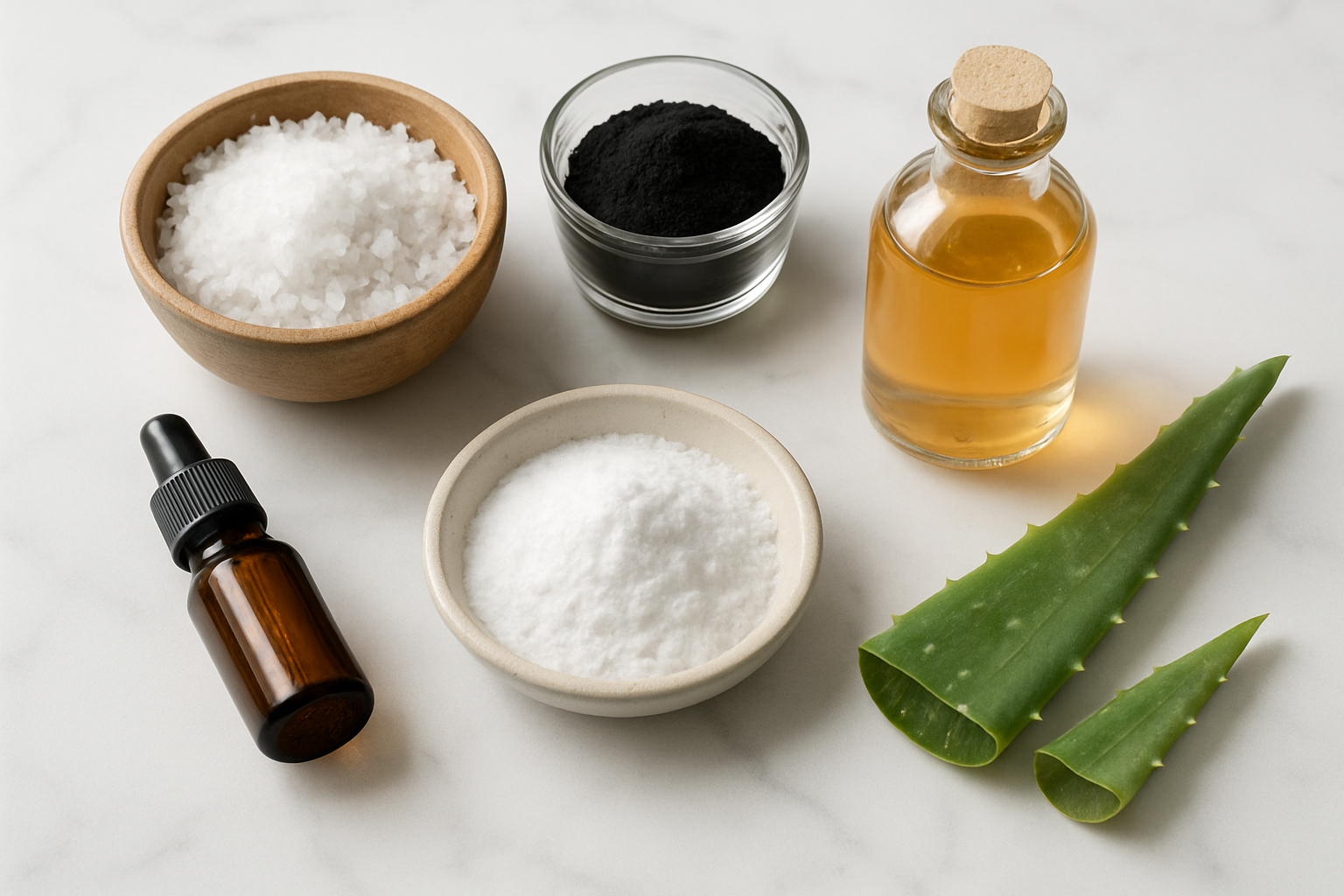
Clay-based ingredients like bentonite and kaolin work like magnets for excess oil and stubborn product residue. Bentonite clay draws out impurities from deep within your pores, while kaolin provides gentler cleansing for those with slightly sensitive scalps.
Tea tree oil cuts through greasy buildup effectively, but use it sparingly – a few drops mixed with a carrier oil prevents irritation.
Salicylic acid, commonly found in acne treatments, works wonders on oily scalps by breaking down sebum and dead skin cells. Apple cider vinegar serves as a natural clarifying agent that restores your scalp’s pH balance while removing product buildup. Mix one part ACV with three parts water for safe application.
For More Information Contact Us : 91 8553954466
Activated charcoal acts like a powerful vacuum, pulling out toxins and excess oils from your scalp. Lemon juice provides natural acidity that cuts through greasy residue, though it can be drying, so always follow up with moisture.
Moisturizing Components for Dry and Flaky Scalps
Dry scalps crave hydration and gentle exfoliation. Aloe vera gel soothes irritation while providing lightweight moisture that won’t weigh down your hair. Coconut oil penetrates deep into the scalp tissue, delivering long-lasting hydration and antimicrobial benefits.
Honey works as both a humectant and gentle exfoliant. Raw honey pulls moisture from the air while its natural enzymes help remove dead skin cells without harsh scrubbing. Oatmeal creates a creamy, soothing paste that calms inflammation while gently buffing away flakes.
Jojoba oil mimics your scalp’s natural sebum, making it perfect for rebalancing dry conditions. Shea butter provides rich moisture for severely dry scalps, though you’ll want to use it sparingly to avoid greasiness.
Glycerin draws moisture into the skin, but always dilute it properly to prevent reverse osmosis that could actually dry out your scalp.
Anti-Inflammatory Ingredients for Sensitive Skin
Sensitive scalps need ingredients that calm rather than stimulate. Chamomile extract reduces redness and soothes irritated skin with its natural anti-inflammatory compounds. Calendula oil provides gentle healing properties without causing further sensitivity.
Green tea contains powerful antioxidants that reduce inflammation while protecting against environmental damage. Cucumber extract cools and calms irritated scalps instantly. Witch hazel offers gentle astringent properties that reduce inflammation without over-drying.
Colloidal oatmeal creates a protective barrier on your scalp while delivering anti-inflammatory benefits. Lavender oil calms both your scalp and your senses, but always dilute essential oils properly. Almond oil provides gentle moisture with natural vitamin E for healing support.
Rose water offers gentle cleansing with anti-inflammatory properties that work well for reactive scalps. Avoid ingredients like peppermint, eucalyptus, or strong acids that might trigger sensitivity reactions.
Natural vs Chemical Detox Options and Their Effectiveness
| Ingredient Type | Effectiveness | Gentleness | Cost | Best For |
|---|---|---|---|---|
| Clay-based | High | Moderate | Low | Oily scalps |
| Essential oils | High | Variable | Moderate | Targeted issues |
| Fruit acids | High | Low | Low | Heavy buildup |
| Chemical exfoliants | Very High | Low | High | Stubborn conditions |
| Plant extracts | Moderate | High | Moderate | Sensitive scalps |
Natural ingredients typically work more slowly but with fewer side effects. Chemical options deliver faster results but require more careful application.
Tea tree oil performs comparably to chemical antifungals for dandruff treatment. Salicylic acid outperforms most natural exfoliants for removing buildup, but apple cider vinegar comes surprisingly close.
Plant-based options like neem oil and rosemary extract offer antimicrobial benefits with minimal irritation risk. Chemical preservatives in commercial products extend shelf life but may cause reactions in sensitive individuals.
Natural ingredients often provide multiple benefits simultaneously – honey moisturizes while gently exfoliating and fighting bacteria.
Your scalp type determines which approach works best. Robust, oily scalps can handle stronger chemical treatments, while sensitive or damaged scalps respond better to gentle, natural alternatives.
Many people find success combining both approaches – using gentle natural ingredients for maintenance and stronger chemical treatments for deep cleansing sessions.
Maintaining Long-Term Scalp Health After Detox
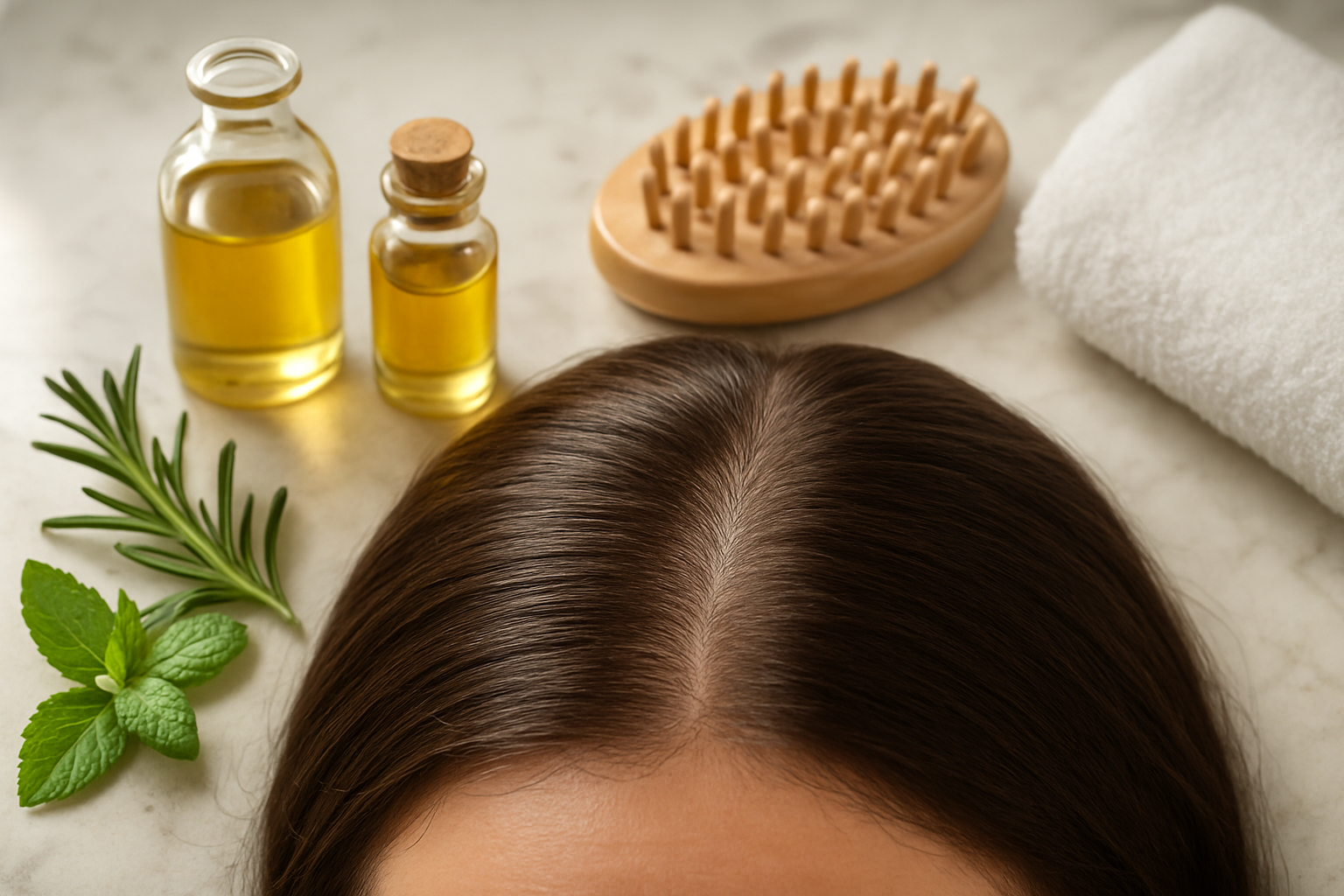
Optimal Frequency for Repeat Detox Treatments
Most hair professionals agree that a deep scalp detox should happen every 4–6 weeks for normal hair types, though your specific needs might vary.
Understanding what is a scalp detox and scalp detox meaning can help you tailor the ideal routine for your hair. If you’re wondering what does a scalp detox do, it essentially removes buildup, excess oil, impurities, and dead skin—helping your roots breathe and promoting healthier growth.
If you use heavy styling products daily, live in a polluted environment, or have naturally oily hair, you might benefit from detoxing every 3–4 weeks.
Learning how to detox your scalp or even how to do a scalp detox can make a big difference in scalp health. On the flip side, people with dry or chemically treated hair can often stretch their detox sessions to every 6–8 weeks.
Many also look into hair detox routines or detoxing hair methods for overall scalp rejuvenation. Specialized options like scalp detox for black hair are also becoming popular as they cater to unique texture and scalp needs.
Understanding the benefits of a scalp detox can help you maintain a clean, balanced scalp and stronger hair.
Pay attention to your scalp’s signals rather than sticking rigidly to a calendar. Signs you need another detox include persistent itching, flaking, product buildup that won’t wash out with regular shampoo, or hair that feels weighed down despite proper washing.
Your hair’s texture and manageability also serve as excellent indicators – when your usual products stop working as effectively, buildup has likely returned.
For More Information Contact Us : 91 8553954466
Seasonal changes affect detox frequency too. Summer months often require more frequent treatments due to increased sweating, sunscreen application, and swimming in chlorinated pools.
Winter might call for less frequent detoxing since you’re using fewer heavy styling products and dealing with drier conditions overall.
Daily Care Routines That Prevent Future Buildup
Building smart daily habits prevents the rapid return of product buildup and environmental pollutants. Start with proper shampooing technique – focus the cleanser on your scalp, not your hair lengths, and massage with your fingertips for at least 60 seconds to break down oils and residue effectively.
Water temperature plays a bigger role than most people realize. Hot water strips natural oils too aggressively, causing your scalp to overproduce sebum as compensation. Lukewarm water cleans effectively without triggering this rebound effect. Finish with a cool rinse to seal hair cuticles and boost shine.
Daily scalp maintenance checklist:
-
Brush hair before washing to distribute oils and loosen debris
-
Use sulfate-free shampoos that clean without over-stripping
-
Apply conditioner only to mid-lengths and ends, avoiding the scalp
-
Rinse thoroughly – leftover product residue accelerates buildup
-
Sleep on silk or satin pillowcases to reduce friction and oil transfer
Scalp massage deserves special mention. Spend 2-3 minutes daily massaging your scalp with clean fingertips to boost circulation and prevent dead skin cell accumulation. This simple practice keeps your scalp environment healthy and reduces the likelihood of clogged follicles.
Product Selection Strategies to Minimize Residue Accumulation
Smart product choices dramatically extend the time between detox treatments. Look for water-soluble formulas in styling products – these wash out easily with regular shampoo instead of requiring clarifying treatments.
Avoid products with heavy waxes, petrolatum, or silicones ending in “-cone” if your hair is fine or prone to buildup.
Buildup-friendly vs. buildup-prone ingredients:
| Low-Buildup Options | High-Buildup Culprits |
|---|---|
| Water-based gels | Wax-based pomades |
| Light oils (argan, jojoba) | Petroleum-based products |
| Soluble silicones (-ol endings) | Heavy silicones (-cone endings) |
| Cream-based leave-ins | Alcohol-heavy hairsprays |
Rotate your hair products occasionally rather than using the same formulas daily. Different cleansing and styling products contain varying ingredients, preventing any single type of residue from accumulating excessively. Keep a clarifying shampoo on hand for weekly use if you regularly use styling products.
Read ingredient lists carefully and avoid products with sulfates if you have color-treated hair, but don’t completely eliminate all cleansing sulfates if you use heavy styling products regularly.
The key lies in finding the right balance for your specific hair type and lifestyle. Consider your environment too – city dwellers dealing with pollution might need stronger cleansing agents than those in rural areas.
Conclusion :
Your scalp works overtime dealing with product buildup, environmental pollutants, and natural oils that can clog follicles and create an unhealthy environment for hair growth.
Regular detoxing isn’t just another beauty trend – it’s a proven method to reset your scalp’s natural balance, boost circulation, and create the perfect foundation for stronger, healthier hair.
From clarifying shampoos and clay masks to gentle exfoliation techniques, you now have the tools to customize a detox routine that works for your specific scalp type and concerns.
The real magic happens when you make scalp detoxing a consistent part of your hair care routine, not just a one-time fix. Start with a gentle approach, listen to how your scalp responds, and adjust your ingredients and frequency accordingly.
Your hair is only as healthy as the scalp it grows from, so give it the attention it deserves. Clean up that buildup, nourish your follicles, and watch as your hair transforms from the roots up.
For More Information Contact Us : 91 8553954466