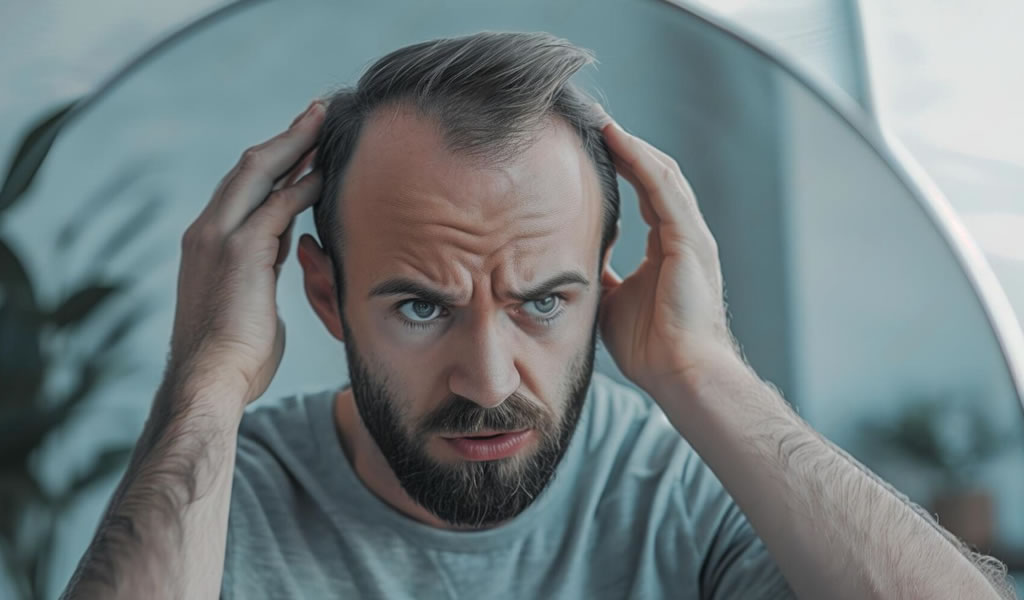
Hair loss affects millions of people worldwide, but the emotional toll often goes unspoken. This guide is for anyone experiencing hair loss or supporting someone who is – whether you’re noticing your first signs of thinning or dealing with advanced hair loss.
Losing your hair isn’t just about changing your appearance. The emotional impact of hair loss can shake your confidence, alter how you see yourself, and affect your daily interactions. Many people feel unprepared for the psychological challenges that come with this common experience.
We’ll explore how hair connects to your sense of identity and why losing it can feel so personal. You’ll also discover the different ways men and women process hair loss emotionally, plus practical strategies for building resilience and finding acceptance during this challenging time.
Understanding the Psychological Connection Between Hair and Self-Identity
How Hair Shapes Personal Image and Confidence
Hair acts as one of our most visible forms of self-expression, serving as a canvas where we paint our personality and mood for the world to see.
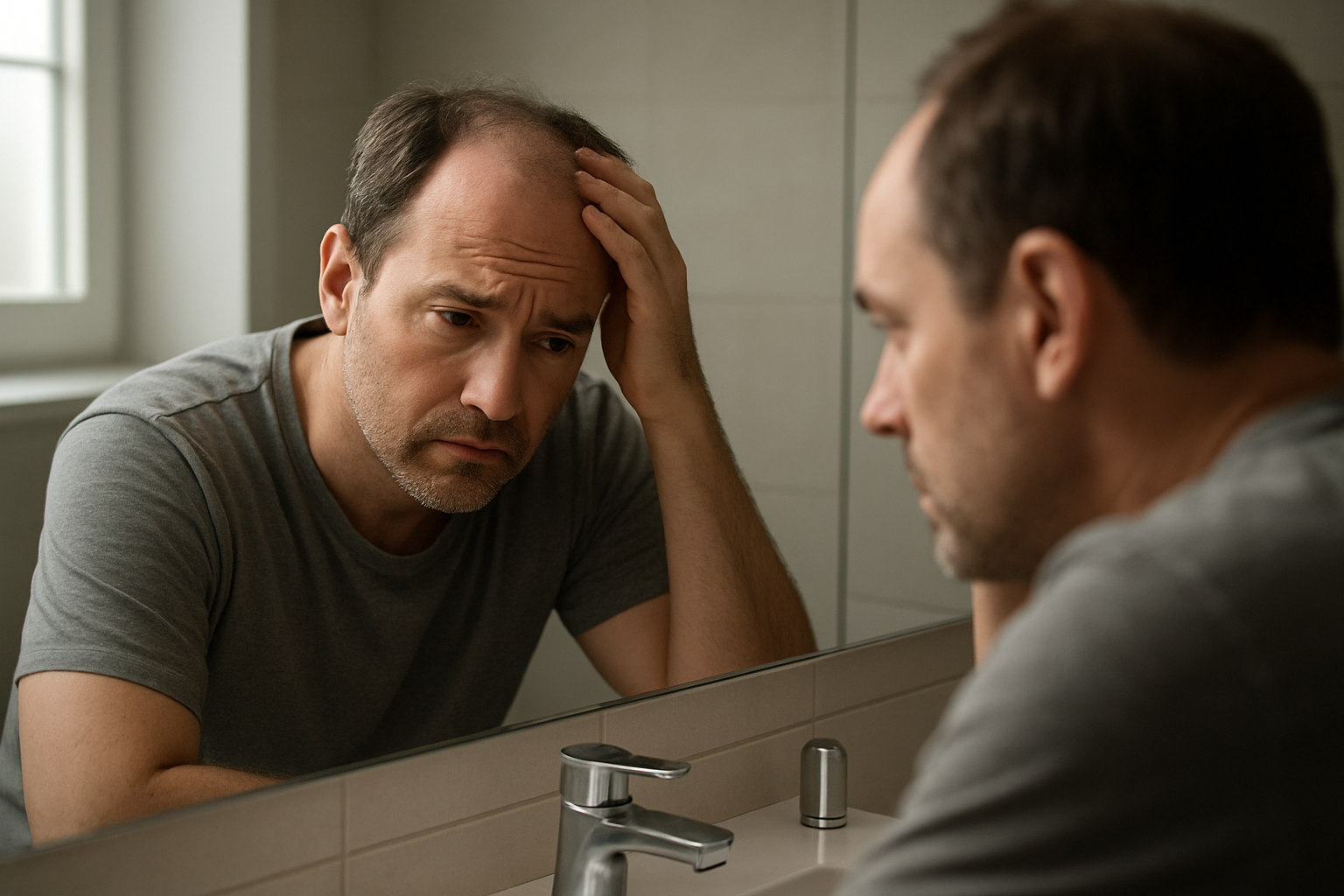
When you wake up and look in the mirror, your hair is often the first thing that determines how you feel about yourself that day. A good hair day can boost your confidence and make you feel ready to conquer the world, while a bad hair day can leave you feeling self-conscious and less assured.
The connection between hair and confidence runs deeper than vanity. Hair becomes part of our internal narrative about who we are. For many people, their hairstyle represents their creativity, rebelliousness, professionalism, or adherence to tradition.
When hair loss occurs, it disrupts this narrative, forcing individuals to reconstruct their self-image without a feature they’ve relied upon for decades.
Research shows that people often associate their hair with youth, vitality, and attractiveness. These associations create a psychological dependency where hair becomes a security blanket for self-worth.
When this security blanket is removed through hair loss, many people experience what psychologists call “identity disruption” – a period where they struggle to recognize themselves and feel confident in social situations.
The Role of Hair in Social and Professional Interactions
Hair plays a crucial role in first impressions, with studies indicating that people form judgments about others within seconds of meeting them.
Your hairstyle communicates messages about your personality, social status, and attention to personal grooming before you even speak a word.
In professional settings, hair can significantly impact career opportunities and workplace dynamics. Many people experiencing hair loss report feeling less competitive in job interviews or meetings, believing their appearance may be perceived as less dynamic or youthful.
This perception, whether accurate or not, can create real barriers to professional advancement and workplace confidence.
Social interactions also change when hair loss occurs. Many individuals become hyperaware of how others might perceive them, leading to:
-
Avoidance behaviors: Declining social invitations or avoiding activities like swimming or windy outdoor events
-
Compensatory behaviors: Wearing hats constantly or changing seating positions to hide thinning areas
-
Reduced spontaneity: Spending excessive time on hair preparation or styling before leaving the house
The dating world presents particular challenges, as hair loss can affect romantic confidence and perceived attractiveness. Many people report feeling less desirable or worry about potential partners’ reactions to their changing appearance.
Cultural and Societal Expectations Around Hair Appearance
Different cultures place varying degrees of importance on hair, but most societies view a full head of hair as a symbol of health, youth, and vitality.
These cultural narratives create pressure to maintain certain hair standards, making hair loss feel like a personal failing rather than a natural biological process.
Media representation reinforces these expectations by predominantly featuring individuals with full, thick hair in advertising, movies, and television.
This constant exposure to idealized hair images creates unrealistic standards and can intensify feelings of inadequacy for those experiencing hair loss.
| Cultural Influence | Impact on Hair Loss Perception |
|---|---|
| Media portrayals | Creates unrealistic standards for hair density and appearance |
| Youth-focused society | Associates hair loss with aging and decreased vitality |
| Professional expectations | Links hair appearance to competence and success |
| Beauty industry marketing | Promotes hair as essential to attractiveness |
Religious and traditional practices also influence hair significance. In some cultures, hair represents spiritual strength or cultural identity, making hair loss particularly challenging for individuals from these backgrounds.
The intersection of personal identity, cultural expectations, and biological changes creates a complex emotional landscape that requires careful navigation and support.
Understanding these deep-rooted connections helps explain why hair loss triggers such profound emotional responses and why addressing the psychological aspects is just as important as exploring treatment options.
Common Emotional Responses to Hair Loss
Initial Shock and Denial When Noticing Hair Thinning
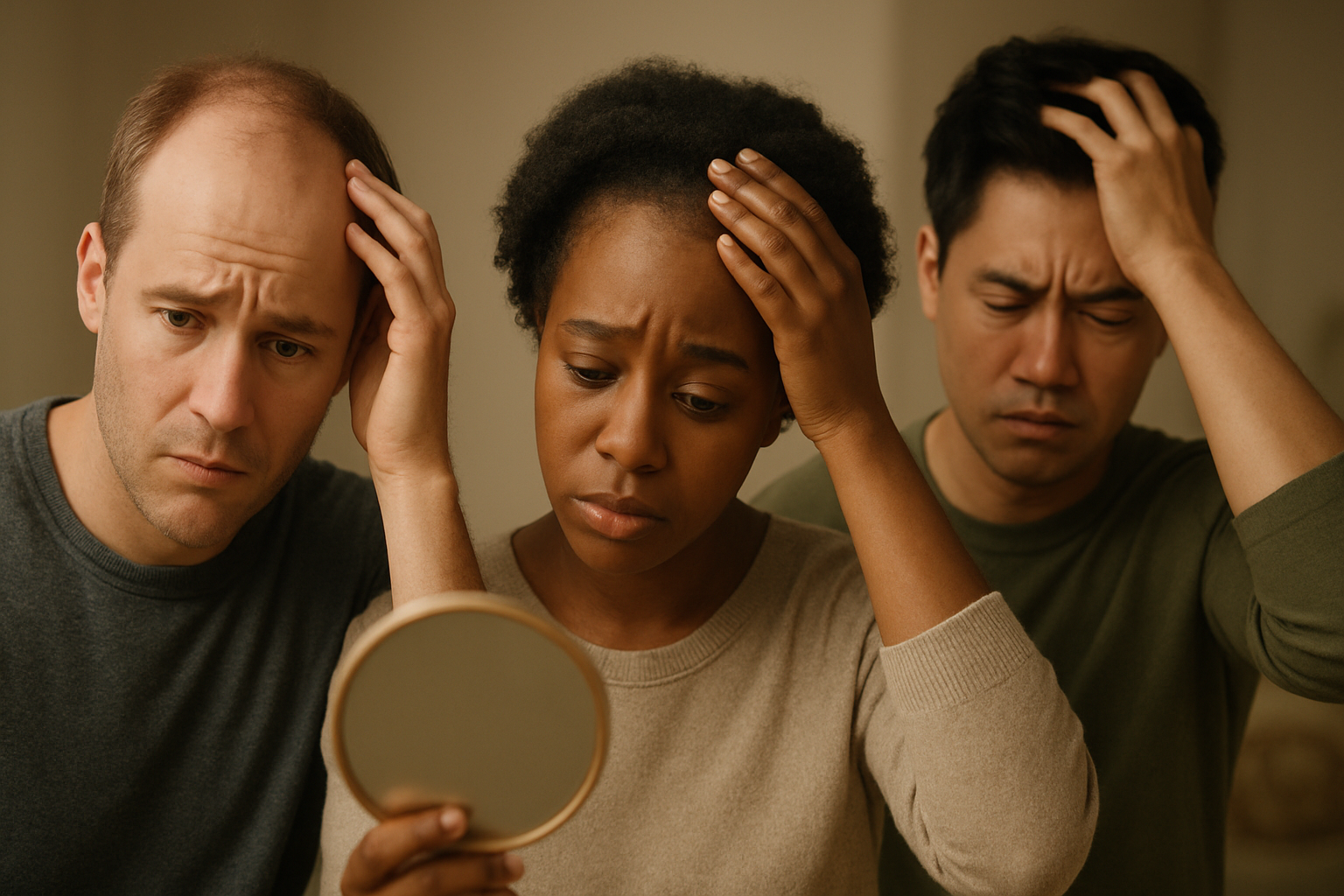
The moment you first spot thinning areas or notice more strands than usual in the shower drain creates an instant emotional jolt. Your mind races to find logical explanations – maybe it’s seasonal shedding, stress from work, or that new shampoo you tried.
This protective response serves as your brain’s way of cushioning the blow while you process what’s happening.
Many people find themselves obsessively checking mirrors, taking photos from different angles, or asking trusted friends if they notice anything different.
You might catch yourself constantly running fingers through your hair or wearing hats more frequently without consciously realizing why. This denial phase can last anywhere from weeks to months, depending on how gradually or rapidly the changes occur.
During this time, research becomes your new hobby. You’ll likely find yourself diving deep into online forums, reading countless articles about temporary hair loss causes, and possibly purchasing every hair growth product that promises quick results.
The hope that this is just a temporary setback keeps the harsh reality at bay while you desperately search for reversible causes.
For More Information Contact This Number : 917338671338
Anger and Frustration with Uncontrollable Changes
Once reality sets in, anger often becomes the dominant emotion. You feel betrayed by your own body – the very thing that’s supposed to be under your control has decided to change without your permission.
This frustration intensifies because hair loss represents something completely outside your influence, no matter how healthy your lifestyle or how well you take care of yourself.
The unfairness of the situation can feel overwhelming. You might find yourself envious of others with thick, full hair, wondering why genetics dealt you this particular hand.
Social media becomes a minefield of perfect hair photos that trigger waves of resentment. Simple activities like getting ready in the morning transform into sources of irritation as styling becomes more challenging.
This anger often extends beyond just the physical changes. You’re mad at the time and money you’ll need to invest in solutions, frustrated with the limited effectiveness of treatments, and angry about having to deal with something that seems so trivial yet feels so significant.
The unpredictability of hair loss progression adds another layer of frustration – not knowing whether tomorrow will bring more noticeable changes or a temporary reprieve.
Grief and Mourning for Your Former Appearance
Hair loss triggers a genuine grieving process for the person you used to see in the mirror. You’re mourning not just your appearance, but also a part of your identity that felt permanent.
Old photos become bittersweet reminders of how you looked just months or years ago, creating a sense of loss that others might not understand.
This grief comes in waves – sometimes triggered by unexpected moments like catching your reflection in store windows or seeing yourself in group photos.
You might find yourself avoiding certain hairstyles you once loved or feeling uncomfortable in situations where your hair would typically be styled in specific ways.
The sadness isn’t just about vanity; it’s about losing a familiar aspect of yourself that contributed to how you moved through the world.
The mourning process includes grieving future experiences too. You envision how your hair might have looked at upcoming events, in wedding photos, or during special occasions.
This anticipatory loss adds weight to the present emotions, creating a compound effect where you’re simultaneously grieving what was and what will never be.
Anxiety About Future Progression and Social Judgment
Hair loss creates a unique form of anxiety because it’s both visible and progressive. Unlike other physical changes that might stabilize, hair loss often continues evolving, leaving you constantly wondering what tomorrow will bring.
This uncertainty generates persistent worry about when the next phase might begin and how noticeable the changes will become.
Social anxiety intensifies as you become hyperaware of how others might perceive your appearance. You start analyzing every conversation for signs that people have noticed, interpreting innocent comments about your appearance through the lens of your hair loss concerns.
Wind becomes an enemy, bright lighting feels threatening, and certain seating arrangements in restaurants suddenly matter more than they ever did before.
The fear of judgment extends to professional settings, dating scenarios, and social gatherings. You might find yourself declining invitations or avoiding activities you once enjoyed because of anxiety about your appearance.
This creates a cycle where isolation increases, making the emotional impact even more pronounced. The constant mental energy spent managing these concerns can be exhausting, affecting your overall quality of life and ability to focus on other important areas.
The Impact of Hair Loss on Self-Esteem and Confidence
Avoiding Social Situations and Public Spaces
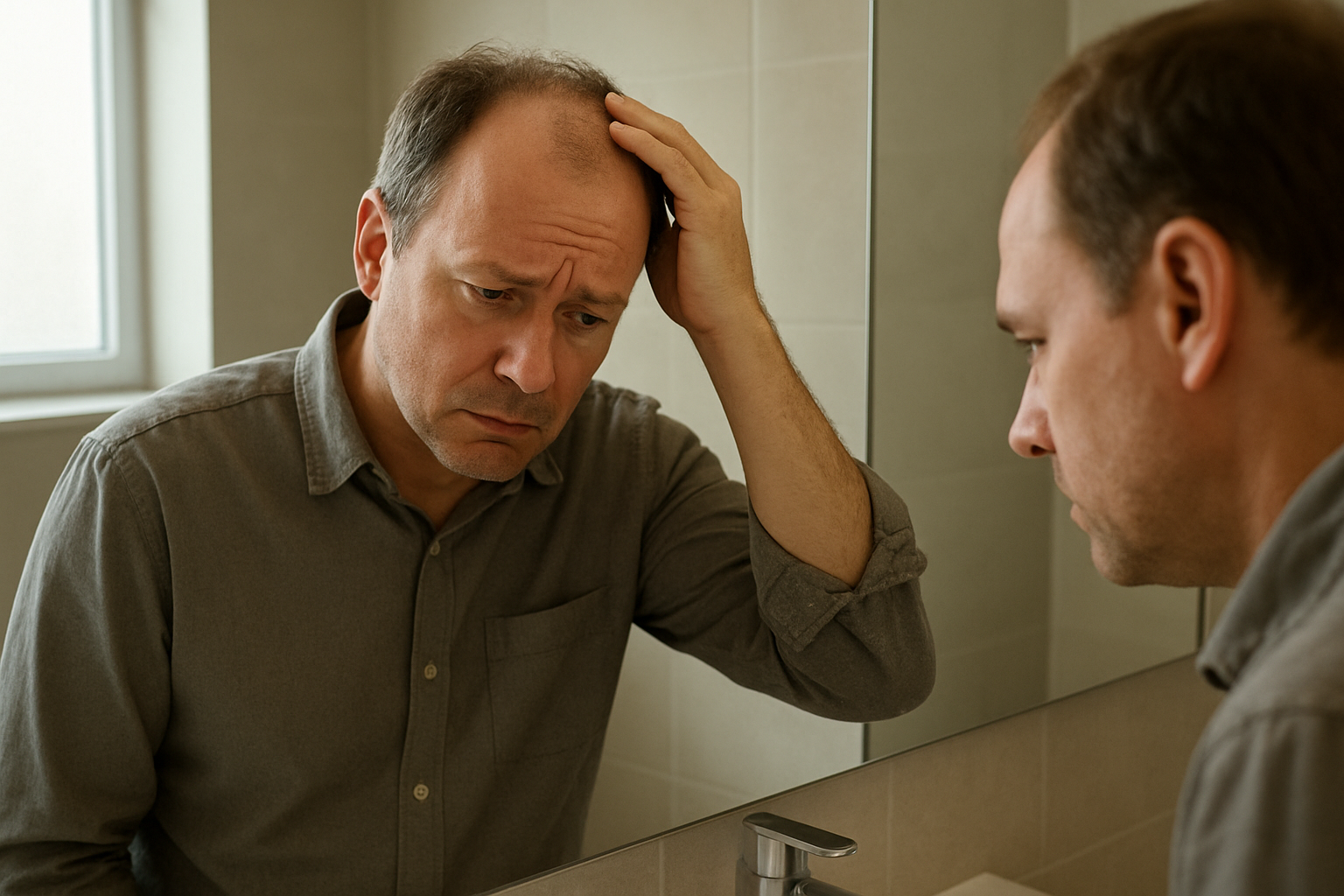
Hair loss often triggers a cascade of social withdrawal behaviors that can dramatically reshape daily routines. Many people find themselves declining invitations to parties, avoiding crowded restaurants, or skipping social gatherings they once enjoyed.
The fear of judgment becomes overwhelming, especially in well-lit environments where hair loss appears more noticeable.
Public spaces like shopping centers, gyms, and recreational venues become anxiety-inducing environments.
Simple activities like grocery shopping transform into strategic missions – choosing less crowded times, wearing hats or scarves, and selecting checkout lanes with minimal overhead lighting.
Beach trips, pool parties, and outdoor events become particularly challenging since wind and water can expose areas of thinning hair.
The ripple effect extends to professional networking events, family gatherings, and community activities. What starts as occasional avoidance can evolve into complete social isolation, creating a self-perpetuating cycle where reduced social interaction leads to increased anxiety about future social encounters.
Changes in Dating and Romantic Relationships
The dating landscape becomes increasingly complex when dealing with hair loss. New relationships carry the burden of disclosure anxiety – when and how to reveal the extent of hair loss becomes a source of constant stress.
Many people delay intimate moments or avoid activities that might reveal their condition, such as swimming or staying overnight.
Existing relationships aren’t immune to these challenges. Partners may struggle with changing physical appearance, not necessarily due to vanity, but because of the emotional transformation that accompanies hair loss.
The affected person might become withdrawn, less affectionate, or hesitant about physical intimacy.
Dating profiles become exercises in strategic photography, with careful angles and lighting to minimize visible hair loss. The fear of rejection based on appearance can lead to decreased dating activity or settling for less compatible partners.
Some individuals develop elaborate routines involving hair products, styling techniques, or accessories to maintain their desired appearance during romantic encounters.
Decreased Performance and Participation at Work
Professional environments present unique challenges for those experiencing hair loss. Meeting rooms with harsh fluorescent lighting can trigger anxiety about appearance, leading to decreased participation in important discussions.
Video conferences become particularly stressful, with individuals obsessing over camera angles and lighting conditions.
Career advancement opportunities may seem less attainable when confidence wavers. Presentations, client meetings, and leadership roles that require high visibility can become sources of dread rather than professional growth opportunities.
The mental energy spent worrying about appearance detracts from focus on actual work performance.
Some professionals develop workplace avoidance behaviors, such as arriving early or late to avoid crowded elevators, choosing seats in the back of meeting rooms, or declining speaking opportunities.
These behaviors can inadvertently signal disengagement to supervisors and colleagues, potentially impacting career progression despite actual competence and dedication.
Withdrawal from Physical Activities and Sports
Athletic pursuits often suffer significantly when hair loss becomes a concern. Swimming presents obvious challenges, as water reveals the true extent of hair loss and makes styling products ineffective.
Gym workouts become complicated by sweat, which can expose thinning areas or cause hair pieces to shift.
Team sports that involve physical contact or require removing protective gear create anxiety about exposure. Running, cycling, and other outdoor activities become problematic due to wind effects on hair styling.
For More Information Contact This Number : 917338671338
The post-workout shower routine transforms from a refreshing conclusion to an anxious ordeal.
Many people abandon sports they once loved, missing out on physical fitness benefits and social connections. Golf, tennis, and other recreational activities that involve extended time outdoors become less appealing.
The avoidance of physical activities can create a negative health spiral, where decreased exercise contributes to overall wellness decline and reduced mood, compounding the emotional impact of hair loss.
Gender-Specific Emotional Challenges of Hair Loss
Men’s Struggle with Masculinity and Aging Perceptions
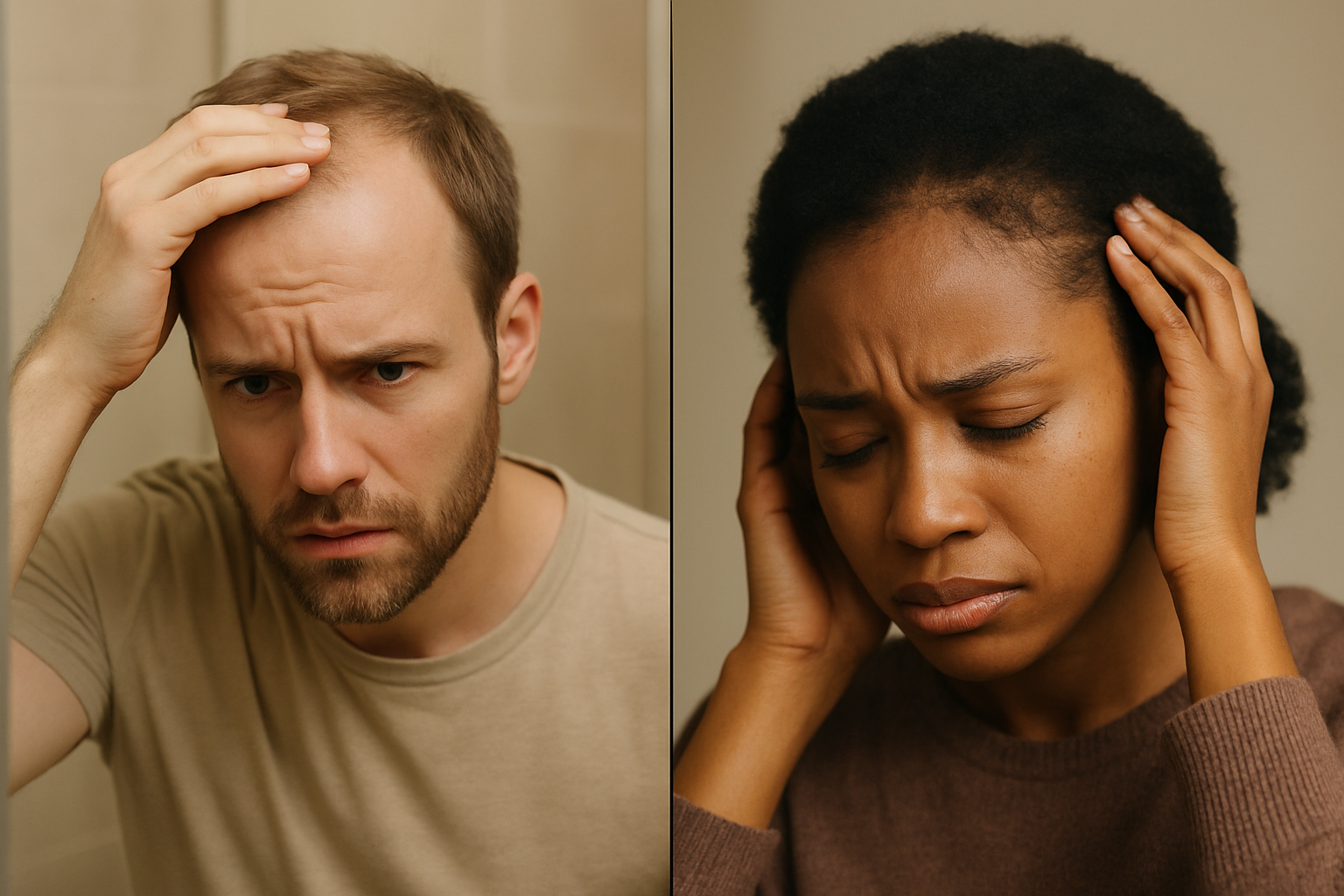
Hair loss hits men differently than women, often striking at the core of what society tells them defines masculinity.
For many men, a receding hairline or thinning crown becomes an unwelcome reminder of aging, triggering fears about losing their youthful appearance and vitality. The psychological burden runs deeper than vanity – it challenges fundamental aspects of male identity.
Men frequently report feeling less attractive and sexually confident as their hair thins. This connects to deeply rooted cultural associations between thick hair and virility, strength, and dominance.
The workplace presents another battleground where men worry about appearing older or less dynamic than their peers, potentially affecting career advancement opportunities.
The timing of hair loss adds another layer of complexity. Men experiencing early-onset balding in their twenties may feel robbed of their youth, while those losing hair in middle age face the harsh reality of aging.
Social situations become minefields – avoiding wind, certain lighting, or swimming activities to prevent exposure of thinning areas.
Male pattern baldness also carries genetic implications that some men find disturbing. Watching their hairline retreat mirrors their father’s or grandfather’s journey, creating an uncomfortable preview of their own aging process.
This generational connection can intensify feelings of helplessness and acceptance of an inevitable fate.
Women’s Unique Battles with Femininity and Beauty Standards
Women’s relationship with hair loss differs dramatically from men’s experiences, often carrying more devastating emotional consequences due to societal expectations around feminine beauty.
Hair represents femininity, sensuality, and health in most cultures, making hair loss feel like a direct attack on womanhood itself.
Female hair loss patterns create unique challenges since they rarely result in complete baldness like male pattern baldness. Instead, women typically experience diffuse thinning or widening parts, making the loss less predictable and harder to conceal.
This unpredictability creates constant anxiety about how their hair looks from different angles or in various lighting conditions.
The beauty industry’s emphasis on lustrous, voluminous hair as a cornerstone of attractiveness amplifies women’s distress. Hair commercials, magazine covers, and social media constantly reinforce the message that beautiful hair equals beautiful women.
When hair starts thinning, women may feel they’re failing to meet these impossible standards.
Professional settings pose particular challenges for women dealing with hair loss. Unlike men, who can more easily embrace baldness as a legitimate look, women have fewer socially acceptable options.
The fear of appearing unprofessional or less competent due to hair loss can significantly impact career confidence and workplace interactions.
Different Coping Mechanisms Between Genders
Men and women develop distinct strategies for managing the emotional impact of hair loss, reflecting broader differences in how each gender processes psychological challenges and seeks support.
Men often gravitate toward immediate, action-oriented solutions. They’re more likely to quickly embrace shaving their heads completely, viewing it as taking control of their situation rather than letting hair loss control them.
This “own it” mentality aligns with masculine ideals of strength and decisiveness. Men also tend to compartmentalize their feelings about hair loss, discussing it less frequently with friends or family members.
| Male Coping Strategies | Female Coping Strategies |
|---|---|
| Complete head shaving | Elaborate styling techniques |
| Minimal discussion | Extensive emotional processing |
| Quick acceptance | Gradual adaptation |
| Focus on other masculine traits | Investment in alternative beauty aspects |
Women typically adopt more complex coping strategies that involve extensive experimentation with hairstyles, products, and treatments. They’re more likely to seek emotional support through conversations with friends, family, or support groups.
Women often invest significant time and money in hair care products, extensions, or styling techniques to camouflage thinning areas.
The social support networks also differ significantly. Women generally find more acceptance when discussing hair loss concerns with other women, who often share similar experiences or fears.
Men may find less understanding from their male peers, who might dismiss hair loss as vanity or suggest they simply “get over it.”
Treatment approaches reflect these gender differences too. Women are more likely to pursue multiple simultaneous treatments, from topical solutions to dietary changes, while men often prefer straightforward, proven methods or complete acceptance of their baldness.
Building Emotional Resilience and Acceptance
Redefining Beauty Standards and Personal Worth
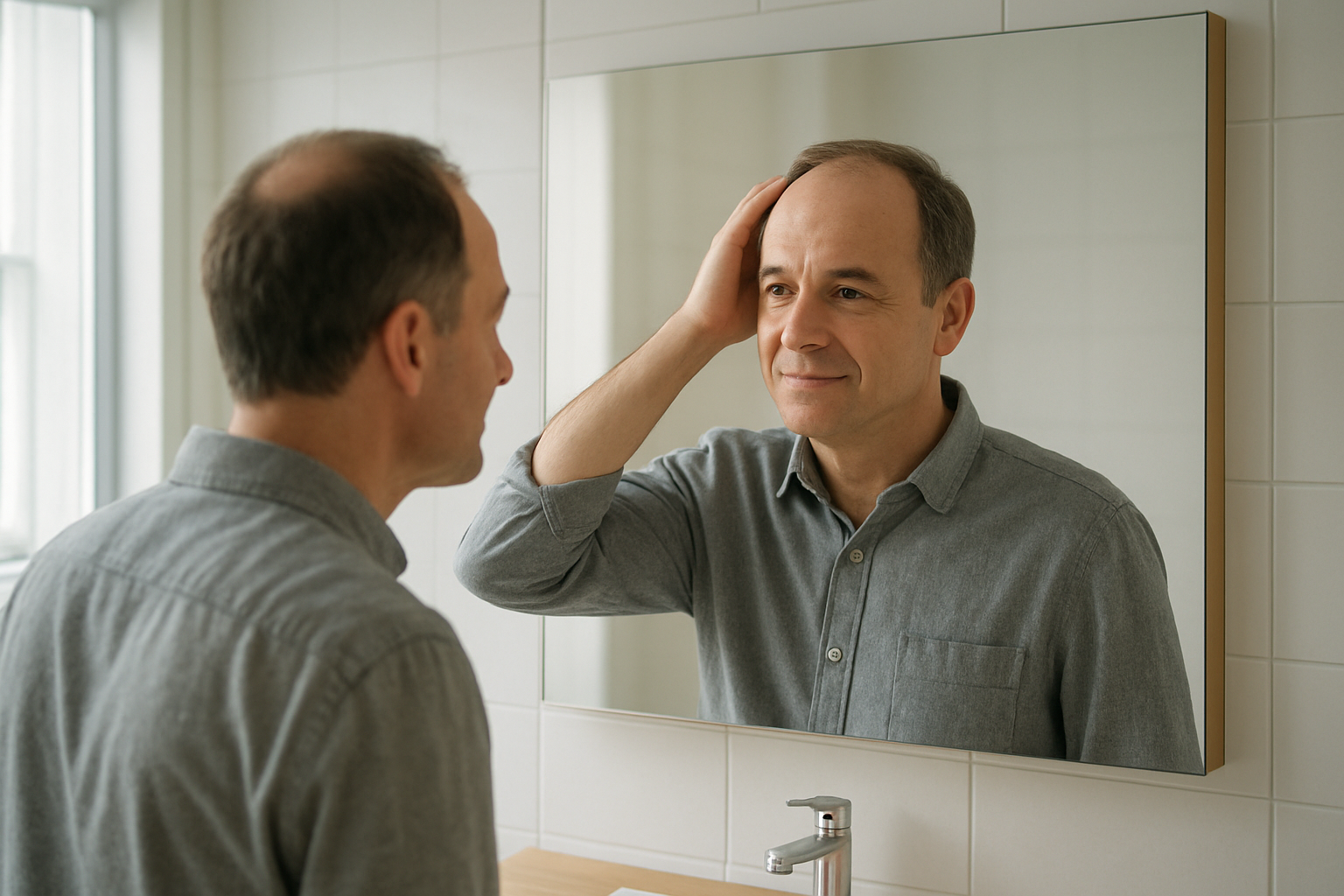
Hair doesn’t define your worth as a person, though society often makes it feel that way. Breaking free from narrow beauty standards takes courage, but it’s one of the most empowering steps you can take.
Start by questioning the messages you’ve absorbed about what makes someone attractive or valuable.
These standards are often arbitrary and constantly changing – what’s considered beautiful in one culture or era might be completely different in another.
Focus on developing a broader definition of attractiveness that includes qualities like confidence, kindness, intelligence, and humor. Many people find bald or balding individuals incredibly appealing because they project self-assurance and authenticity.
Think about the people you admire most – their hair probably isn’t the first thing that comes to mind.
Create daily affirmations that center on your accomplishments, relationships, and personal qualities rather than physical appearance. Replace thoughts like “I look terrible without hair” with “I am capable, loved, and valuable.
” This mental shift takes practice, but it gradually rewrites the internal narrative that connects hair to self-worth.
Surround yourself with media and role models that celebrate diverse forms of beauty. Follow social media accounts of confident people who embrace hair loss, read stories of successful individuals who happen to be bald, and notice how hair status has no correlation with achievement or happiness.
For More Information Contact This Number : 917338671338
Seeking Professional Counseling and Support Groups
Talking to a mental health professional can provide invaluable tools for processing the emotional impact of hair loss. Therapists specializing in body image issues understand the deep psychological connections between appearance and identity.
They can help you identify negative thought patterns and develop healthier coping mechanisms.
Cognitive-behavioral therapy (CBT) proves particularly effective for addressing hair loss anxiety. This approach helps you recognize distorted thinking patterns – like catastrophizing about how others perceive you – and replace them with more realistic thoughts.
Many people discover their fears about judgment are much larger in their minds than in reality.
Support groups, whether in-person or online, connect you with others facing similar challenges. Hearing how others navigate their hair loss journey provides perspective and practical advice.
Many groups exist specifically for different types of hair loss, from alopecia to male pattern baldness.
| Support Option | Benefits | Best For |
|---|---|---|
| Individual Therapy | Personalized treatment, privacy | Deep-rooted self-esteem issues |
| Group Therapy | Shared experiences, peer support | Social anxiety about appearance |
| Online Communities | 24/7 access, anonymity | Initial exploration of feelings |
| Family Counseling | Improved communication | When hair loss affects relationships |
Don’t hesitate to try multiple approaches until you find what works best for your situation and personality.
Exploring Hair Restoration Options for Confidence Boost
While acceptance is important, exploring restoration options can significantly boost confidence for many people. Understanding your choices helps you make informed decisions about your appearance and future.
Hair transplant technology has advanced dramatically in recent years. Follicular Unit Extraction (FUE) and Follicular Unit Transplantation (FUT) can provide natural-looking results when performed by experienced surgeons.
Research thoroughly, read reviews, and consult with multiple professionals before making decisions.
Non-surgical options include:
-
Scalp micropigmentation: Creates the appearance of fuller hair through tattooed dots
-
Hair systems: Modern versions look incredibly natural and stay secure during activities
-
Topical treatments: Minoxidil and finasteride can slow loss and promote regrowth
-
Laser therapy: Low-level laser treatments may stimulate hair follicles
Consider your lifestyle, budget, and long-term goals when evaluating options. Some people find great satisfaction in restoration treatments, while others prefer to embrace their natural appearance. Both choices are completely valid.
Remember that restoration takes time and may require multiple sessions or ongoing maintenance. Set realistic expectations and choose reputable providers who prioritize natural results over aggressive marketing promises.
Developing New Style Strategies and Fashion Choices
Embracing style changes can transform how you feel about your appearance and help you project confidence. Many people discover that hair loss actually opens up new fashion possibilities they never considered before.
Experiment with different clothing styles that draw attention to your best features. Well-fitted shirts, interesting accessories, or bold colors can shift focus to your face and personality rather than your hairline.
Many find that their sense of style actually improves after hair loss because they pay more attention to overall presentation.
Head coverings offer both style and comfort options:
-
Hats: From baseball caps to fedoras, find styles that complement your face shape
-
Scarves: Versatile and fashionable for any occasion
-
Beanies: Casual and comfortable for everyday wear
-
Head wraps: Elegant options for formal events
Skincare becomes more important when your scalp is exposed to sun and elements. Invest in good sunscreen, moisturizers, and gentle cleansers designed for sensitive skin.
Consider working with a stylist who understands how to create flattering looks for people with hair loss. They can suggest clothing cuts, colors, and accessories that enhance your natural features and boost your confidence.
The key is experimenting until you find what makes you feel authentic and comfortable. Your style should reflect your personality, not hide perceived flaws. Many people report feeling more confident and distinctive once they develop their post-hair-loss style identity.

Hair loss touches the deepest parts of who we are, affecting our sense of identity, confidence, and emotional well-being in ways that others might not fully understand.
The journey from initial shock and denial to eventual acceptance isn’t linear, and the emotional challenges vary significantly between men and women. What’s important to remember is that these feelings are completely valid and shared by millions of people worldwide.
Building emotional resilience takes time, patience, and often support from others who understand what you’re going through. Whether you choose treatment options, embrace the change, or find new ways to express your identity, the path forward is entirely yours to decide.
Your worth isn’t defined by your hair, and while the emotional impact is real and significant, it doesn’t have to control your happiness or self-confidence forever.
For More Information Contact This Number : 917338671338