
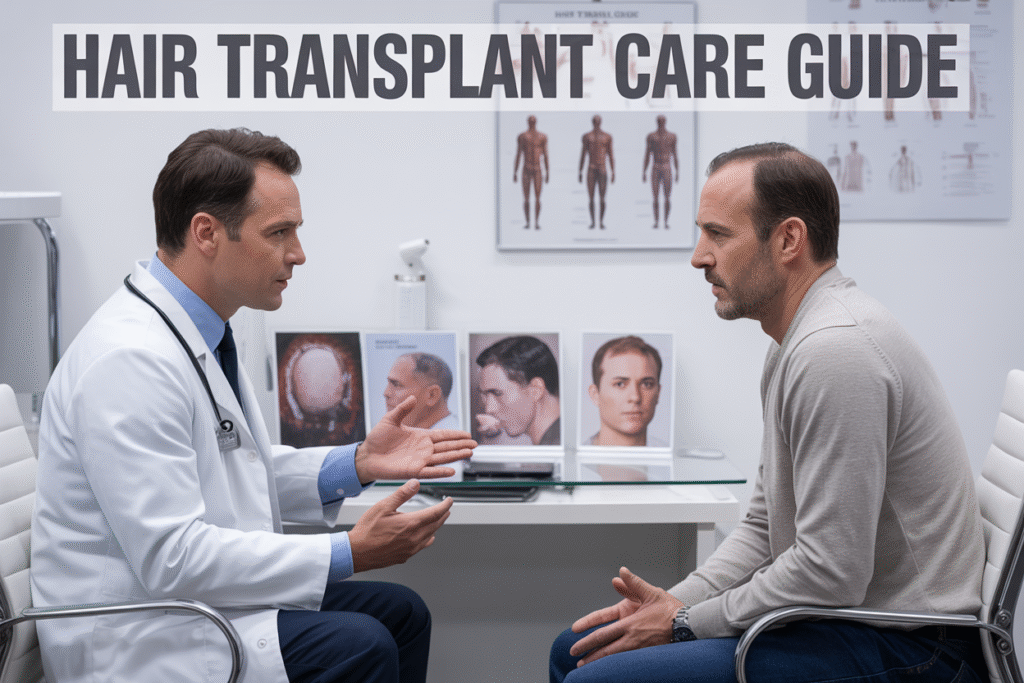
This guide is designed for anyone considering or scheduled for hair transplant surgery who wants to maximize their investment and minimize complications.
Smart preparation starts weeks before your procedure and continues long after you leave the clinic. We’ll walk you through the essential medical preparations you need to handle before surgery, including which medications to avoid and what health checks to complete.
You’ll also learn proven strategies for optimizing your scalp condition and hair health leading up to the procedure.
Finally, we’ll cover the critical post-transplant care steps that protect your new grafts and promote healthy growth. From managing the first 48 hours to long-term maintenance routines, you’ll know exactly what to expect and how to give yourself the best chance for natural-looking, lasting results.
Essential Medical Preparations Before Your Hair Transplant

Schedule comprehensive blood tests and health screenings
Your surgeon needs a complete picture of your health status before proceeding with the transplant. Most clinics require blood work within 30 days of your procedure, including a complete blood count (CBC), basic metabolic panel, and coagulation studies.
These tests check your platelet count, clotting factors, and overall blood chemistry to ensure safe healing.
Don’t skip the hepatitis B and C screening, along with HIV testing – these are standard requirements that protect both you and the medical team. If you have diabetes, your glucose levels need to be well-controlled, with an HbA1c test showing stable management over the past three months.
Patients with heart conditions should bring recent EKGs and clearance letters from their cardiologist. High blood pressure must be controlled and documented. Your doctor might also request liver function tests if you take certain medications or have a history of liver issues.
Schedule these appointments early since some results take several days to process. If any values come back abnormal, you’ll have time to address them before your surgery date.
Stop medications that increase bleeding risk
Bleeding complications can seriously impact your transplant results, making it crucial to temporarily discontinue certain medications. Stop taking aspirin, ibuprofen, naproxen, and other NSAIDs at least one week before surgery.
These medications interfere with platelet function and can lead to excessive bleeding during and after the procedure.Blood thinners like warfarin, Plavix, or newer anticoagulants require careful management.
Never stop these medications without consulting your prescribing doctor first – they’ll coordinate with your transplant surgeon to develop a safe discontinuation plan that might involve bridging with shorter-acting alternatives.
Herbal supplements pose hidden risks too. Fish oil, ginkgo biloba, garlic supplements, ginger, and vitamin E all have blood-thinning properties. Stop these at least two weeks before surgery. Even seemingly innocent supplements like green tea extract can affect clotting.
Keep a detailed list of everything you take, including over-the-counter medications and supplements. Your surgeon needs this complete inventory to identify potential bleeding risks you might not realize exist.
Quit smoking and alcohol consumption weeks in advance
Smoking dramatically impairs healing and can destroy your transplant results. Nicotine constricts blood vessels, reducing oxygen delivery to transplanted follicles when they need it most. Many surgeons refuse to operate on active smokers because the failure rate is so high.
Stop smoking completely at least two weeks before surgery, though four weeks is better. This includes cigarettes, cigars, pipes, vaping, and nicotine patches or gum.
Even secondhand smoke exposure should be minimized. Your body needs time to clear nicotine from your system and restore normal blood circulation.
Alcohol interferes with anesthesia, increases bleeding risk, and slows healing. Stop drinking at least one week before surgery. Alcohol also dehydrates your body and can interact dangerously with post-operative medications, especially pain relievers and antibiotics.
If you’re struggling to quit smoking or have alcohol dependency issues, tell your surgeon. They can connect you with resources or potentially postpone your surgery until you’ve successfully quit. Your long-term results depend on making these changes.
For More Information Contact Us : 91 8553954466
Arrange transportation and time off work
mister hair Plan for at least three to five days off work after your procedure. While hair transplant surgery is outpatient, you’ll experience swelling, discomfort, and visible signs of the procedure that make returning to work immediately unrealistic.
Office workers might return sooner than those with physically demanding jobs.
You cannot drive yourself home after surgery due to sedation and pain medication effects. Arrange for a responsible adult to drive you to and from the clinic, and ideally stay with you for the first 24 hours.
Public transportation isn’t recommended when you’re dealing with post-operative discomfort and potential dizziness.
Consider your work environment when planning time off. Customer-facing roles might require longer recovery time since swelling and visible grafts can be noticeable for several days. Jobs involving heavy lifting, bending, or physical exertion should be avoided for at least one week to prevent complications.
Stock up on groceries and handle important errands beforehand. You won’t want to make unnecessary trips out during your initial recovery period when rest is most important for optimal healing.
Optimizing Your Scalp and Hair Condition
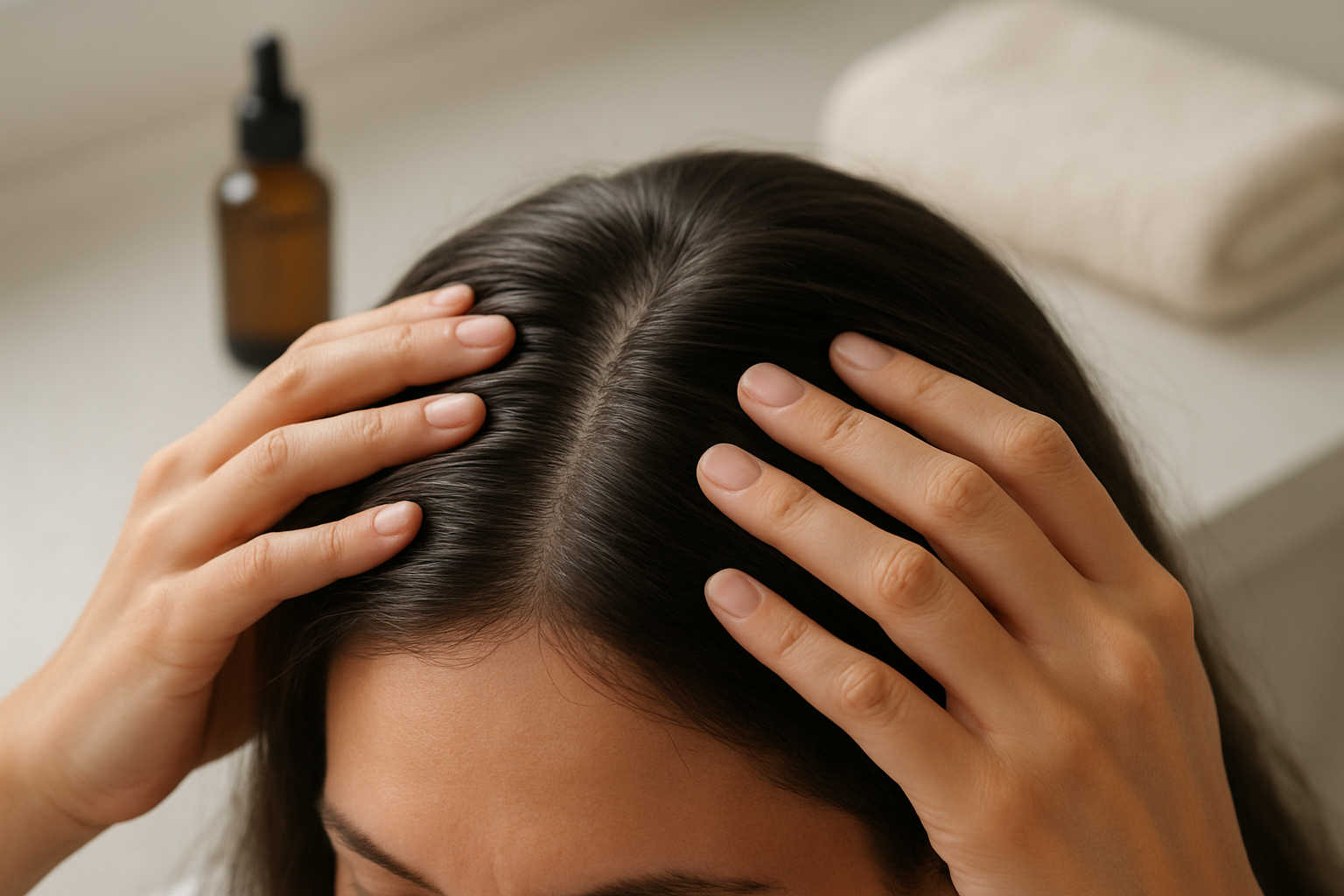
Follow prescribed scalp treatments and medications
Your surgeon will likely recommend specific treatments weeks before your procedure. These might include minoxidil applications to strengthen existing hair follicles or specialized shampoos containing ingredients like ketoconazole to reduce inflammation. Stick to the prescribed schedule religiously – skipping treatments can compromise your results.
Some doctors prescribe finasteride to slow hair loss progression before surgery. Start this medication only as directed, and report any side effects immediately. Anti-inflammatory medications may also be recommended to prepare your scalp for the procedure.
Avoid harsh hair products and chemical treatments
Chemical treatments spell disaster for pre-transplant preparation. Hair dyes, perms, relaxers, and bleaching agents can irritate your scalp and create an unsuitable environment for transplantation. Stop using these products at least 4-6 weeks before your surgery date.
Styling products loaded with alcohol, sulfates, or strong fragrances can also cause problems. Switch to gentle, natural alternatives during your preparation period. Even seemingly harmless treatments like keratin smoothing should be avoided as they can affect how your surgeon assesses your natural hair texture and growth patterns.
Maintain proper scalp hygiene without over-washing
Clean scalp equals better healing, but there’s a fine balance to strike. Wash your hair every other day using a mild, sulfate-free shampoo. Daily washing strips away natural oils your scalp needs for optimal health, while infrequent washing allows bacteria and oil buildup.
Use lukewarm water instead of hot water, which can irritate your scalp. Gently massage the shampoo with your fingertips – never scrub aggressively or use your nails. Pat your hair dry with a clean towel rather than rubbing vigorously. This gentle approach keeps your scalp in prime condition for surgery.
Get a suitable haircut before the procedure
Your surgeon needs clear access to both donor and recipient areas. Schedule a haircut 2-3 days before surgery, but avoid cutting it too short. The ideal length allows your surgeon to work effectively while providing some coverage for the healing areas afterward.
Don’t experiment with new styles right before surgery. Stick with a familiar cut that won’t stress you out. Some patients prefer shorter cuts in the recipient area to make post-surgery care easier. Discuss the best approach with your surgical team during your consultation.
Protect your scalp from sun exposure
Sun damage weakens your scalp and can complicate healing. Wear a hat when outdoors, but choose loose-fitting options that don’t create pressure points. Baseball caps work well, but avoid tight-fitting beanies that might irritate your scalp.
Apply broad-spectrum sunscreen to exposed areas if you’ll be outside for extended periods. Look for zinc oxide or titanium dioxide formulas that won’t clog pores. Start this sun protection routine several weeks before surgery to establish healthy habits you’ll need during recovery
Day-of-Surgery Preparation Guidelines
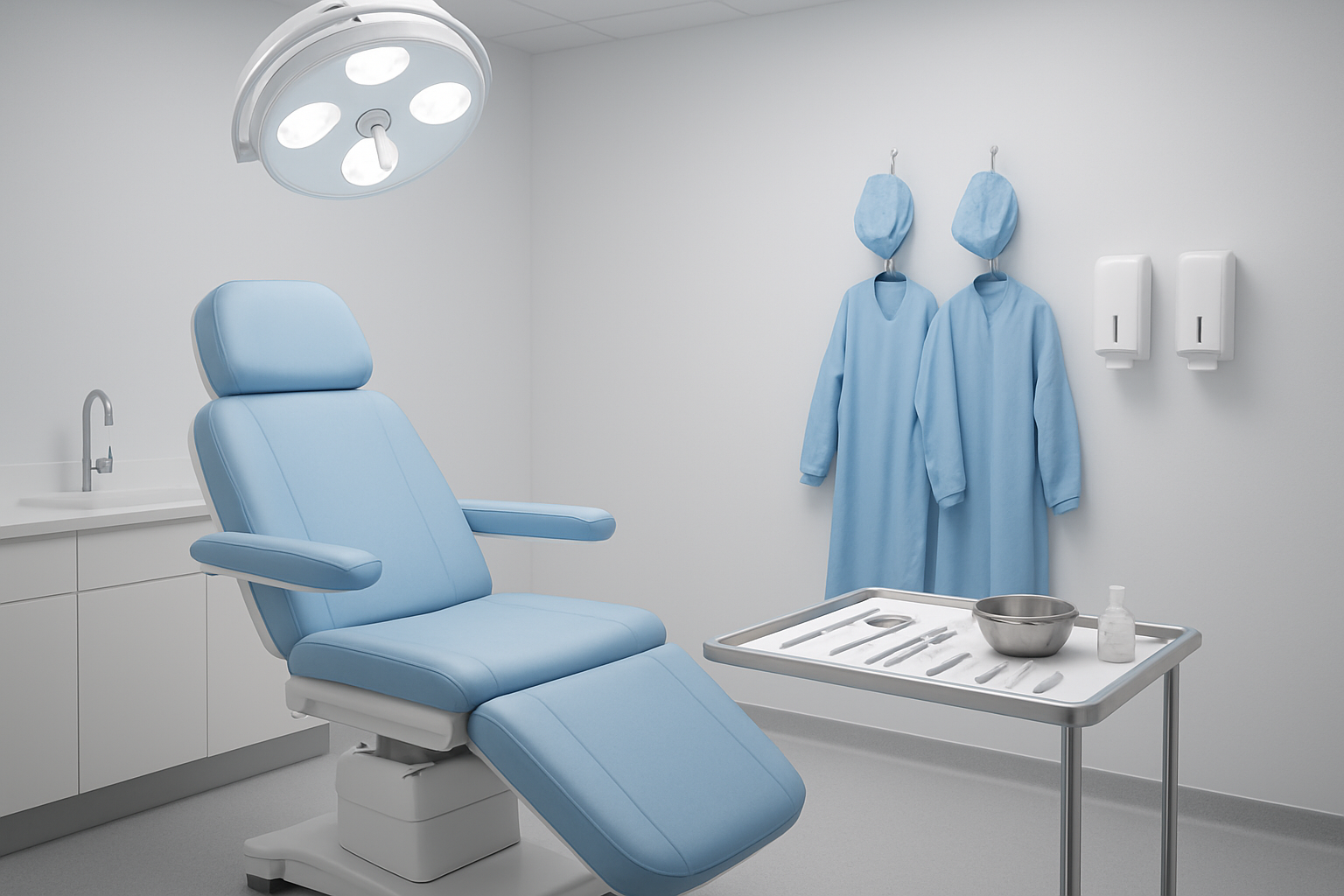
Eat a nutritious breakfast and stay hydrated
Your body needs proper fuel to handle the stress of surgery and promote optimal healing. Start your day with a balanced breakfast that includes protein, healthy carbs, and essential vitamins.
Think scrambled eggs with whole grain toast, Greek yogurt with berries, or oatmeal topped with nuts and fruit. These foods provide steady energy and won’t cause blood sugar spikes that could interfere with the procedure.
Skip caffeine on surgery day, as it can increase anxiety and potentially affect blood flow to your scalp. Instead, focus on drinking plenty of water throughout the morning.
Proper hydration helps maintain healthy blood circulation, which is crucial for graft survival and reduces the risk of complications during the procedure.
Avoid alcohol for at least 48 hours before surgery, as it can thin your blood and interfere with the healing process. Also steer clear of any supplements or medications that weren’t specifically approved by your surgeon, particularly blood thinners like aspirin or fish oil.
Wear comfortable, loose-fitting clothing
Choose clothing that won’t interfere with the surgical process or your comfort during the long day ahead. A button-up shirt or zip-up hoodie works perfectly because you can easily remove it without pulling anything over your freshly treated scalp afterward.
Dark colors are your friend here – they’ll help hide any minor bleeding or medication stains that might occur.
Leave jewelry, watches, and accessories at home. These items can get in the way during the procedure and might need to be removed anyway. Wear comfortable, closed-toe shoes since you’ll be sitting or lying down for extended periods, and your feet might get cold in the surgical environment.
Don’t use any hair products, cologne, or lotions on your scalp or near your hairline. Your surgeon needs a clean work area, and these products can interfere with the sterile field or cause irritation during the procedure.
Bring entertainment for the lengthy procedure
Hair transplant procedures typically take 6-8 hours, so entertainment is essential for your mental comfort. Download movies, TV shows, podcasts, or audiobooks onto your phone or tablet beforehand. Make sure your devices are fully charged and bring portable chargers or power banks.
Many patients find that calm, engaging content works best – comedy specials, light documentaries, or familiar TV series can help pass time without causing stress. Avoid intense thrillers or emotional content that might raise your heart rate or blood pressure during the procedure.
Bring comfortable headphones or earbuds, preferably wireless ones that won’t get tangled. Some clinics provide entertainment systems, but having your own ensures you’ll have access to content you actually enjoy.
Consider bringing a book or magazine as a backup, though many patients find it difficult to focus on reading during the procedure.
Pack snacks if your clinic allows them, as you’ll likely get hungry during the long day. Light, easy-to-eat options like crackers, fruit, or granola bars work well and won’t interfere with the surgical process.
Immediate Post-Transplant Care Protocol
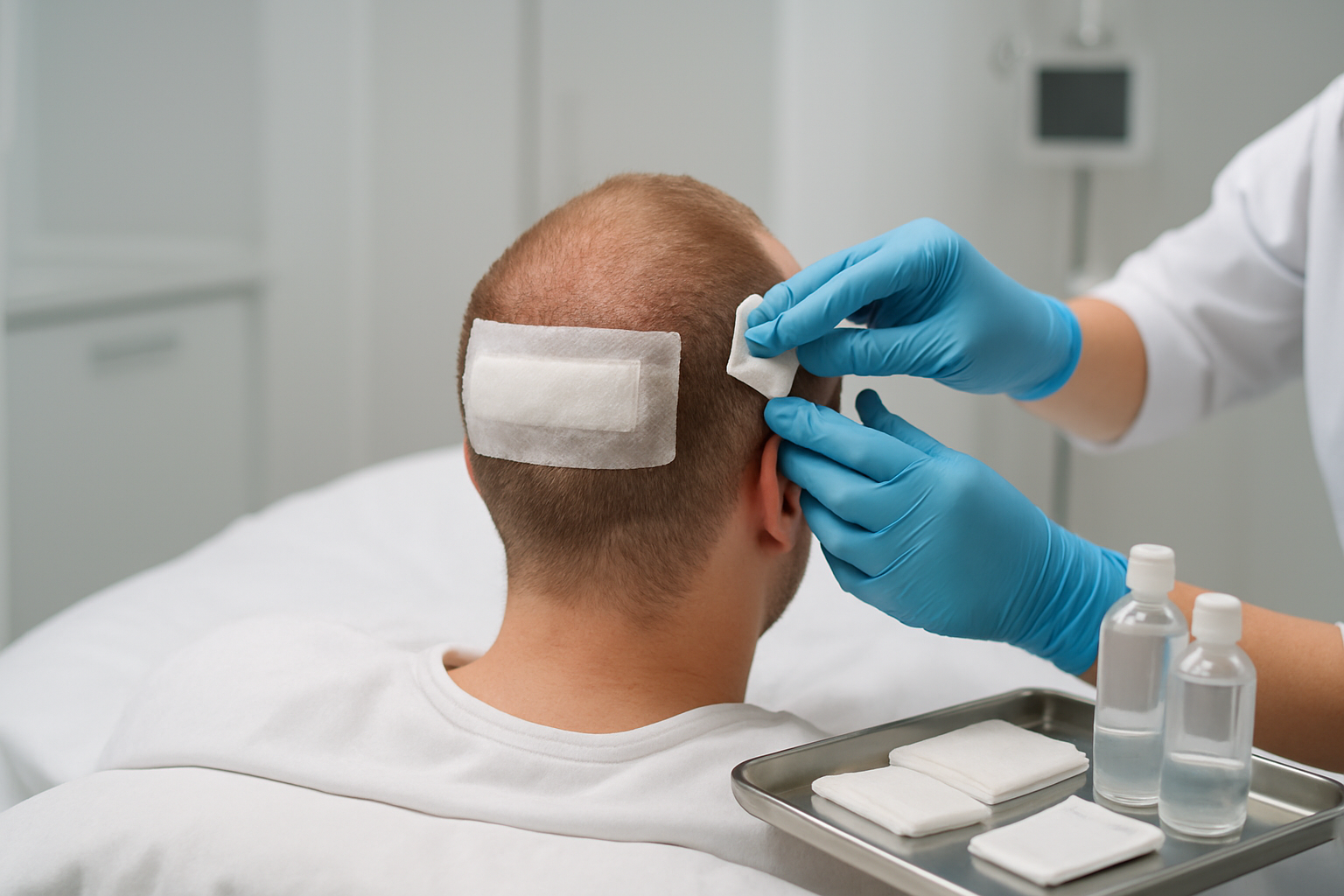
Protect the transplanted area from direct contact
The first 48 hours after your hair transplant are absolutely critical for graft survival. Your newly transplanted follicles are like delicate seedlings that haven’t yet taken root.
Any bumping, scratching, or rubbing can dislodge these grafts permanently, meaning you’ll lose those precious hair follicles forever.
Wear loose-fitting clothing that won’t catch on your scalp when putting on or removing shirts. Button-up shirts work best during the first week. Keep your hands away from the transplant area, even if it feels itchy or tight. That tingling sensation is completely normal as your scalp begins healing.
When washing your face or brushing your teeth, be extra careful not to accidentally bump the treated area. Many patients find it helpful to wash their face using a washcloth from the bottom up, stopping well below the hairline.
Avoid wearing hats, headbands, or anything that might put pressure on the grafts. Your surgeon may provide a special loose-fitting cap for sun protection, but only wear what they specifically recommend.
Follow prescribed pain management and medication schedule
Most patients experience mild to moderate discomfort rather than severe pain after a hair transplant. Your surgeon will prescribe specific medications, and sticking to the schedule prevents pain from building up and becoming harder to manage.
Take your prescribed pain medication exactly as directed, even if you feel okay. Pain often increases on the second day as the local anesthesia completely wears off. Don’t wait until the pain becomes unbearable to take your next dose.
Your medication regimen typically includes:
-
Pain relievers: Usually prescription-strength medications for the first few days
-
Antibiotics: Prevent infection at the donor and recipient sites
-
Anti-inflammatory medications: Reduce swelling and promote healing
-
Special shampoos: Gentle cleansers designed for post-transplant care
Set phone alarms to remind yourself when to take each medication. Some patients create a simple chart to track what they’ve taken and when. If you experience any unusual side effects or reactions, contact your surgeon’s office immediately rather than stopping medications on your own.
Sleep with your head elevated for proper healing
Proper sleeping position dramatically affects your recovery timeline and results. Keeping your head elevated at a 45-degree angle helps reduce swelling and prevents blood from pooling in the transplant area.
Use multiple pillows to prop yourself up, or better yet, sleep in a comfortable recliner for the first 3-5 nights. Many patients find that stacking 2-3 firm pillows creates the right angle. Some prefer using a wedge pillow designed for post-surgery recovery.
Sleep on your back to avoid putting any pressure on the sides or back of your head where grafts may be located. If you’re normally a side or stomach sleeper, this adjustment might feel uncomfortable at first, but your transplant results depend on it.
Keep your bedroom cool and well-ventilated. Sweating can increase the risk of infection and make you more likely to unconsciously touch or scratch the area. Consider using a small fan for gentle air circulation.
Place a clean towel on your pillowcase each night for the first week. This catches any minor bleeding or oozing that might occur and prevents staining your regular bedding.
Avoid strenuous activities and exercise
Your body needs to focus all its energy on healing those transplanted follicles. Heavy exercise increases blood pressure and heart rate, which can cause bleeding at the transplant sites and potentially dislodge grafts.
For the first week, stick to light activities like easy walking around your house or neighborhood. This gentle movement actually helps with circulation and prevents blood clots, but anything that makes you breathe hard or sweat is off-limits.
Activities to avoid for 2-3 weeks:
| Forbidden Activities | Safe Alternatives |
|---|---|
| Running or jogging | Leisurely walks |
| Weight lifting | Light stretching |
| Swimming | Gentle yoga poses |
| Contact sports | Reading or puzzles |
| Heavy yard work | Light household tasks |
Don’t bend over frequently or lift anything heavier than 10 pounds. These actions can increase blood flow to your scalp and cause complications. If you need to pick something up from the floor, squat down instead of bending at the waist.
Return to your normal exercise routine gradually. Most surgeons clear patients for light jogging after two weeks and full workouts after three to four weeks. Your surgeon will give you specific timelines based on your individual healing progress
First Week Recovery Management
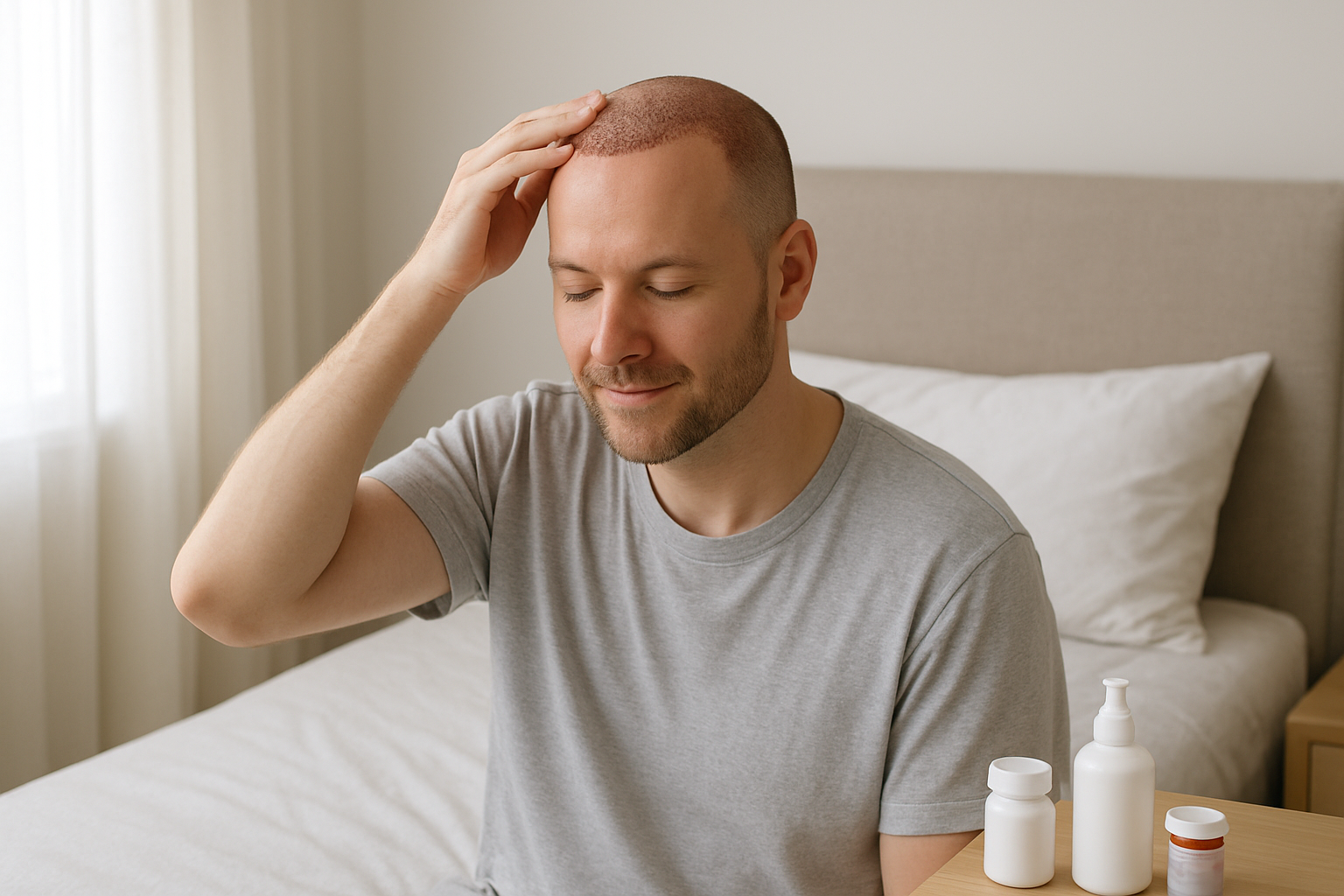
Master gentle washing techniques for your scalp
Your scalp needs extra TLC during the first week after your hair transplant. Start washing on day three post-surgery, but ditch your regular shampoo routine completely.
Use lukewarm water – never hot – and let it flow gently over your scalp rather than directing the stream straight down. Think of it like watering a delicate seedling.
The key is using a mild, sulfate-free shampoo recommended by your surgeon. Pour a small amount into your palm, create a light lather, and apply it with the gentlest touch possible.
Don’t rub or massage the transplanted area. Instead, let the shampoo sit for 30-60 seconds before rinsing with that same gentle water flow.
Pat your scalp dry with a clean, soft towel – no rubbing or circular motions. Many patients find that letting their hair air dry completely works best. If you must use a blow dryer, keep it on the coolest setting and hold it at least 12 inches away from your scalp.
Apply prescribed topical treatments correctly
Your surgeon will likely prescribe specific treatments to promote healing and prevent infection. These might include antibiotic ointments, anti-inflammatory sprays, or growth-promoting serums. Timing and technique matter here more than you might think.
Clean your hands thoroughly before applying any treatment. Use a cotton swab or clean fingertip to apply ointments, avoiding any pressure on the grafts. If you’re using a spray, hold the bottle 6-8 inches away and create a fine mist rather than concentrated drops.
| Treatment Type | Application Method | Frequency |
|---|---|---|
| Antibiotic ointment | Light dab with cotton swab | 2-3 times daily |
| Anti-inflammatory spray | Fine mist from 6-8 inches | As prescribed |
| Saline solution | Gentle spray or dab | Multiple times daily |
Don’t skip doses or think “more is better.” Overuse can actually slow healing or cause irritation. Set phone reminders if needed – consistency beats intensity every time.
Recognize normal healing signs versus complications
Your scalp will look different each day during the first week, and knowing what’s normal can save you from unnecessary panic. Expected healing signs include mild redness around the transplant sites, small scabs forming over each graft, and some minor swelling around your forehead or eyes.
You might notice tiny blood spots on your pillowcase for the first few nights – this is completely normal. The transplanted area may feel tight or slightly numb, and you could experience some itching as healing progresses. These sensations typically peak around day three or four.
Red flags that need immediate medical attention:
-
Excessive bleeding that doesn’t stop with gentle pressure
-
Severe swelling that affects your vision
-
Pus or yellow discharge from graft sites
-
Fever above 101°F (38.3°C)
-
Intense pain that doesn’t respond to prescribed medications
-
Large areas of grafts falling out
-
Signs of infection like increasing warmth, red streaking, or foul odor
When in doubt, contact your surgeon’s office. Most practices have after-hours emergency lines specifically for post-surgical concerns. It’s better to ask about something minor than ignore a potential complication.
Avoid direct sunlight and wear protective headwear
Your scalp becomes incredibly sensitive to UV rays after transplant surgery. Even brief sun exposure can cause severe burns, increase swelling, and potentially damage your new grafts. This protection rule isn’t just for sunny days – UV rays penetrate clouds and can reflect off snow, water, or concrete.
Invest in a loose-fitting, soft hat made from breathable fabric. Avoid tight baseball caps or anything that creates pressure points on your scalp. Many patients prefer wide-brimmed sun hats or specially designed post-surgery caps that provide coverage without contact.
Best headwear options:
-
Loose cotton bucket hats
-
Wide-brimmed sun hats with adjustable bands
-
Post-surgical caps with ventilation
-
Soft beanies for cooler weather (ensure they’re not tight)
Plan your outdoor activities for early morning or evening when UV levels are lower. If you must be outside during peak sun hours, seek shade whenever possible and reapply sunscreen to any exposed scalp areas (but not directly on the transplant sites unless your surgeon approves).
Remember that your scalp’s sensitivity will gradually decrease, but protection remains important for several months. This early diligence in sun protection can make the difference between excellent results and disappointing outcomes.
Long-Term Recovery and Maintenance Strategies

Your hair transplant recovery doesn’t end after the first few weeks. Most people can return to light activities around day 7-10, but your scalp needs time to fully heal and establish those new hair follicles.
Start with gentle walks and basic daily tasks before jumping back into your regular routine.
For More Information Contact mister hair : 91 8553954466
Wait at least two weeks before lifting weights or doing intense cardio. Sweating heavily can irritate your scalp and potentially affect graft survival. Swimming should be off-limits for at least a month since chlorine and bacteria in pools can cause infections.
When you do get back to the gym, wear loose-fitting hats or headbands to protect your scalp from excessive sweating.
Sports that involve physical contact or potential head trauma need extra caution. Basketball, soccer, or martial arts should wait until your surgeon gives the all-clear, typically around 4-6 weeks post-surgery. Your newly transplanted follicles are still establishing their blood supply during this critical period.
Follow up with scheduled medical appointments
Your surgeon will schedule several follow-up visits to monitor your healing progress. Don’t skip these appointments even if you feel everything looks fine. The first check-up usually happens within a week of surgery, followed by visits at one month, three months, and six months.
During these visits, your doctor will examine the transplanted area, check for any signs of infection or complications, and assess how well the grafts are taking. They’ll also remove any remaining sutures if you had strip harvesting (FUT) rather than follicular unit extraction (FUE).
These appointments are your chance to ask questions about any concerns you have. Maybe you’re worried about the shedding phase that happens around 2-4 weeks post-surgery, or you want to know if the growth you’re seeing is normal. Your surgeon can provide reassurance and adjust your care plan if needed.
Implement lifestyle changes for optimal hair growth
What you eat, how you sleep, and how you manage stress all play roles in your hair’s health.
Your body needs proper nutrition to support new hair growth, so focus on getting enough protein, vitamins, and minerals. Foods rich in biotin, vitamin D, iron, and omega-3 fatty acids can support healthy hair development.
Consider adding these to your diet:
-
Salmon, eggs, and lean meats for protein
-
Leafy greens for iron and vitamins
-
Nuts and seeds for healthy fats
-
Sweet potatoes for beta-carotene
Sleep quality matters more than you might think. Your body does most of its healing and regeneration during sleep, including hair growth. Aim for 7-9 hours of quality sleep each night. Create a consistent bedtime routine and keep your bedroom cool and dark.
Stress management becomes even more important after a hair transplant. High stress levels can disrupt hair growth cycles and potentially affect your results. Find healthy ways to manage stress whether that’s exercise, meditation, hobbies, or talking with friends and family.
Quit smoking if you haven’t already. Smoking restricts blood flow to your scalp, which can seriously impact how well your transplanted hair grows. Even secondhand smoke can be harmful during your recovery period.
Maintain realistic expectations for final results
Hair transplant results don’t appear overnight, and understanding the timeline helps manage your expectations. Most people see initial growth around month 4-6, with significant improvement by month 8-10. Your final results won’t be fully visible until 12-18 months after surgery.
The transplanted hair will initially shed around 2-4 weeks post-surgery. This is completely normal and expected – it’s called “shock loss.” The hair follicles are still alive and will start producing new hair in a few months. Don’t panic when this happens.
Your new hair will grow in gradually and may look different from your existing hair at first. The texture might be finer or the color slightly different initially. This usually normalizes as the hair matures over the first year.
Results vary based on several factors:
-
Your age and overall health
-
Quality of your donor hair
-
Extent of your hair loss
-
How well you follow post-care instructions
-
Your body’s individual healing response
Some people may need a second procedure to achieve their desired density, especially if they have extensive hair loss.
Your surgeon will discuss this possibility during your consultation and follow-up visits. Remember that a hair transplant can significantly improve your appearance, but it won’t give you the exact hairline you had at age 20.
Take progress photos throughout your recovery to track changes over time. Sometimes day-to-day changes are so gradual that you won’t notice improvement until you compare photos from different months.

Conclusion :
Your recovery journey doesn’t end when you leave the clinic. Those first few days and weeks are crucial for protecting your new hair follicles and letting them settle into their new home. S
tick to your aftercare routine, avoid activities that could damage the transplanted area, and be patient with the healing process. Remember, great results take time, but with the right preparation and care, you’ll be on your way to the fuller head of hair you’ve been dreaming about.
For More Information Contact Us : 91 8553954466