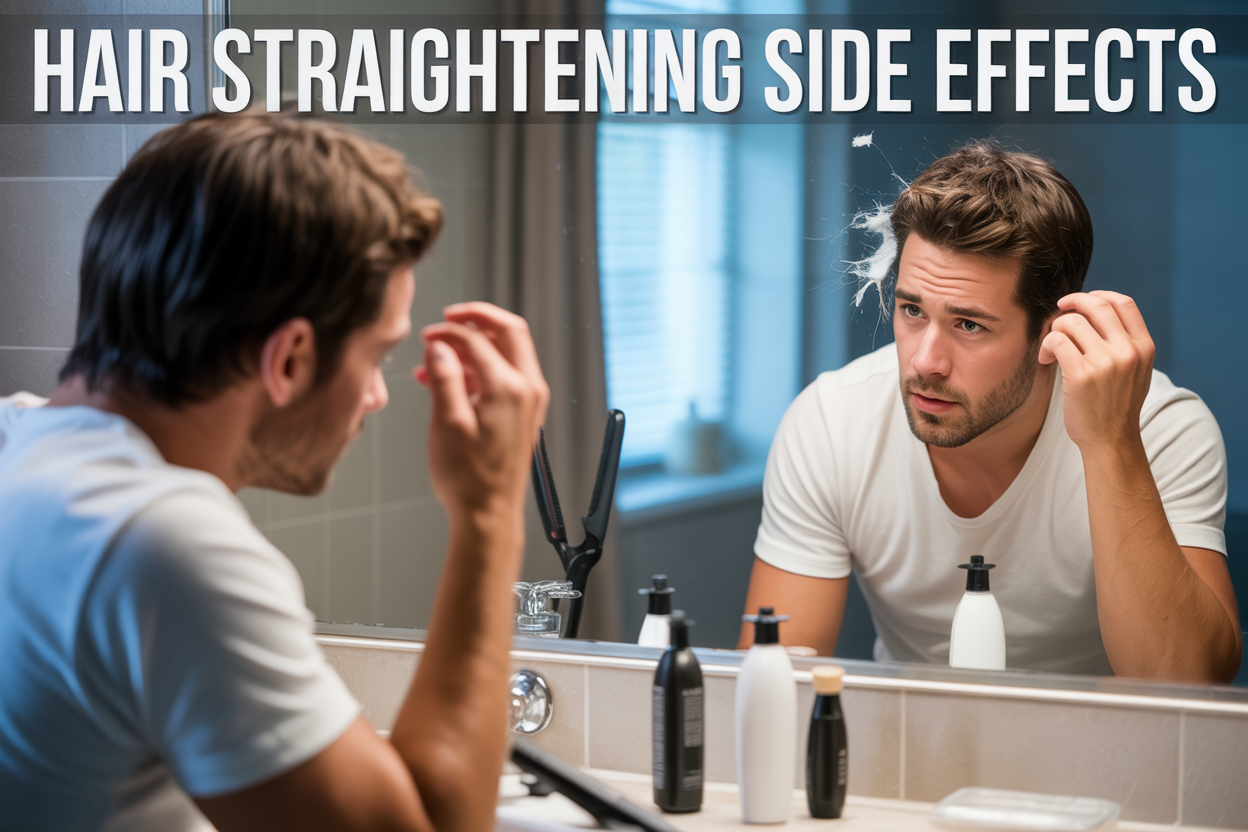
Men considering hair straightening often focus on the sleek results but overlook the potential health risks that come with the process. This guide is for anyone who wants straight hair but needs to understand what they’re signing up for before deciding — especially with chemical straightening methods.
Side effects can range from immediate scalp irritation to more serious long-term concerns. Treatments such as rebonding, frequent use of straightening creams, or reliance on straightening oils can lead to hair damage, and in some cases permanent straightening alters the hair structure irreversibly, resulting in breakage, thinning, and loss of natural strength.
We’ll break down the most common physical side effects you might experience right after treatment, the hidden long-term consequences, the chemical exposure risks many men don’t know about, and why the treatment you choose — professional or at-home — makes a big difference to your safety.
Common Physical Side Effects of Hair Straightening
Scalp Irritation and Chemical Burns
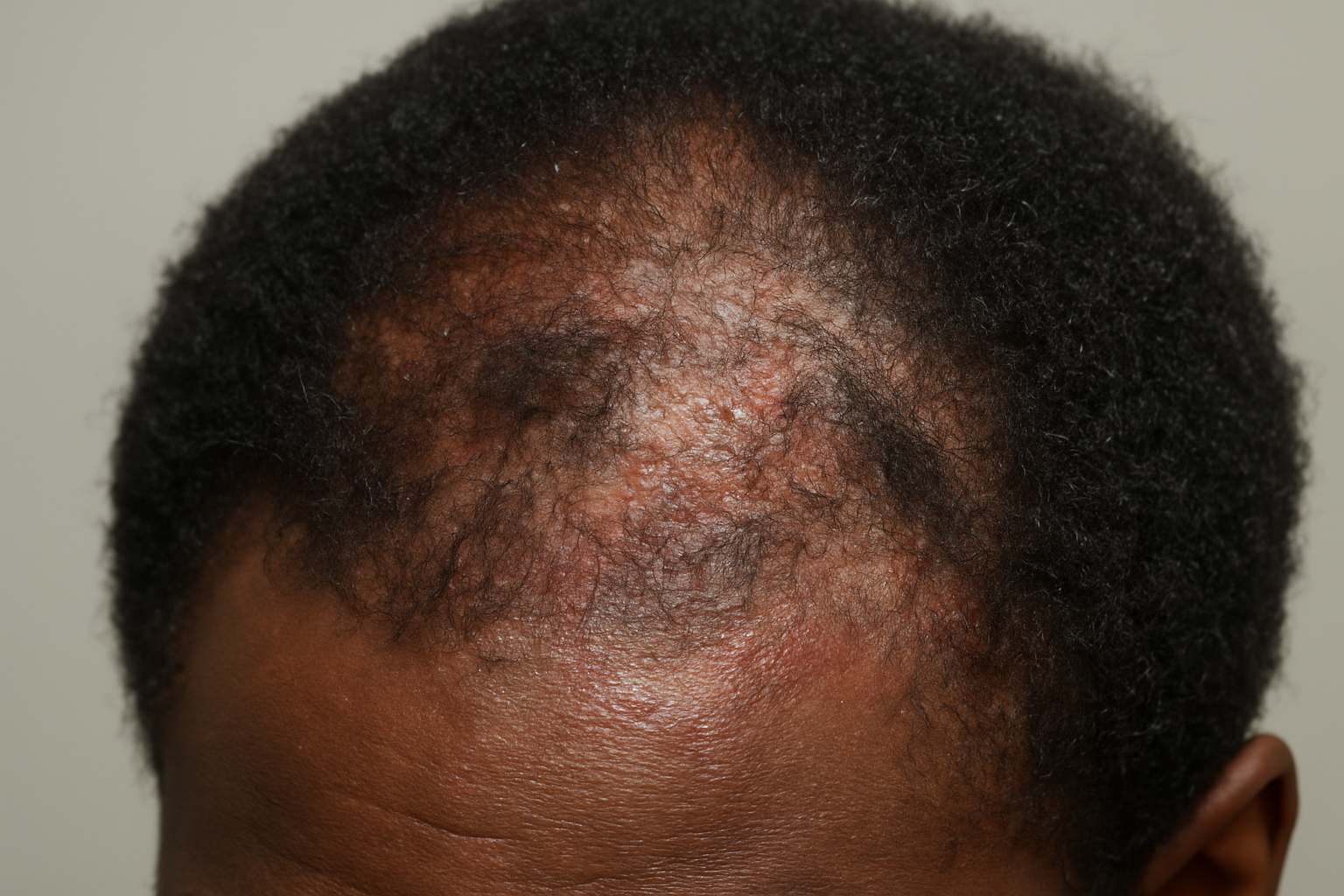
Chemical straightening treatments expose your scalp to powerful substances. The most common culprits include sodium hydroxide (lye), calcium hydroxide (no-lye), and formaldehyde-based products. These chemicals work by breaking down the hair’s natural structure, but they don’t discriminate between hair and skin.
First-degree chemical burns appear as redness, tenderness, and mild swelling around the hairline and scalp. More severe reactions can lead to blistering, open sores, and permanent scarring. Warning signs include tingling, burning, or stinging during application — never ignore these or assume they’re a normal part of the process. Men with sensitive skin, or those who leave products on too long, face higher risks.
Hair Breakage and Damage
Straightening chemicals permanently alter hair’s protein structure, breaking the disulfide bonds that give hair its strength and elasticity. Once severed, these bonds cannot regenerate. Hair becomes brittle and snaps easily, and the damage compounds with each treatment. Men who straighten regularly often experience:
- Split ends that travel up the hair shaft
- Thinning around the hairline and crown
- Complete hair breakage near the roots
- Loss of curl pattern in untreated areas
Dryness and Loss of Natural Moisture
Chemical straightening strips away hair’s protective cuticle layer and natural oils, severely compromising its ability to retain moisture and creating chronic dryness that standard conditioners can’t fix.
| Symptom | Description |
|---|---|
| Rough texture | Hair feels coarse and straw-like |
| Lack of shine | Dull appearance even after styling |
| Static electricity | Hair flies away and won’t lay flat |
| Increased tangling | Knots form easily and are hard to remove |
Allergic Reactions and Skin Sensitivity
Chemical straightening products contain multiple allergens. Formaldehyde, present in many Brazilian blowout treatments, is a known carcinogen and common allergen; other problematic ingredients include paraphenylenediamine (PPD), ammonia, and various sulfates. Reactions range from mild irritation to severe contact dermatitis, and symptoms may not appear until 24–48 hours after treatment. Common responses include:
- Swollen lymph nodes around the neck and ears
- Itchy, red rash extending beyond the scalp
- Facial swelling, particularly around the eyes
- Respiratory issues from chemical fumes
Patch testing before full application can prevent serious reactions, but many salons skip this crucial step. Repeated exposure often increases sensitivity over time.
Long-Term Hair Health Consequences
Permanent Hair Structure Changes
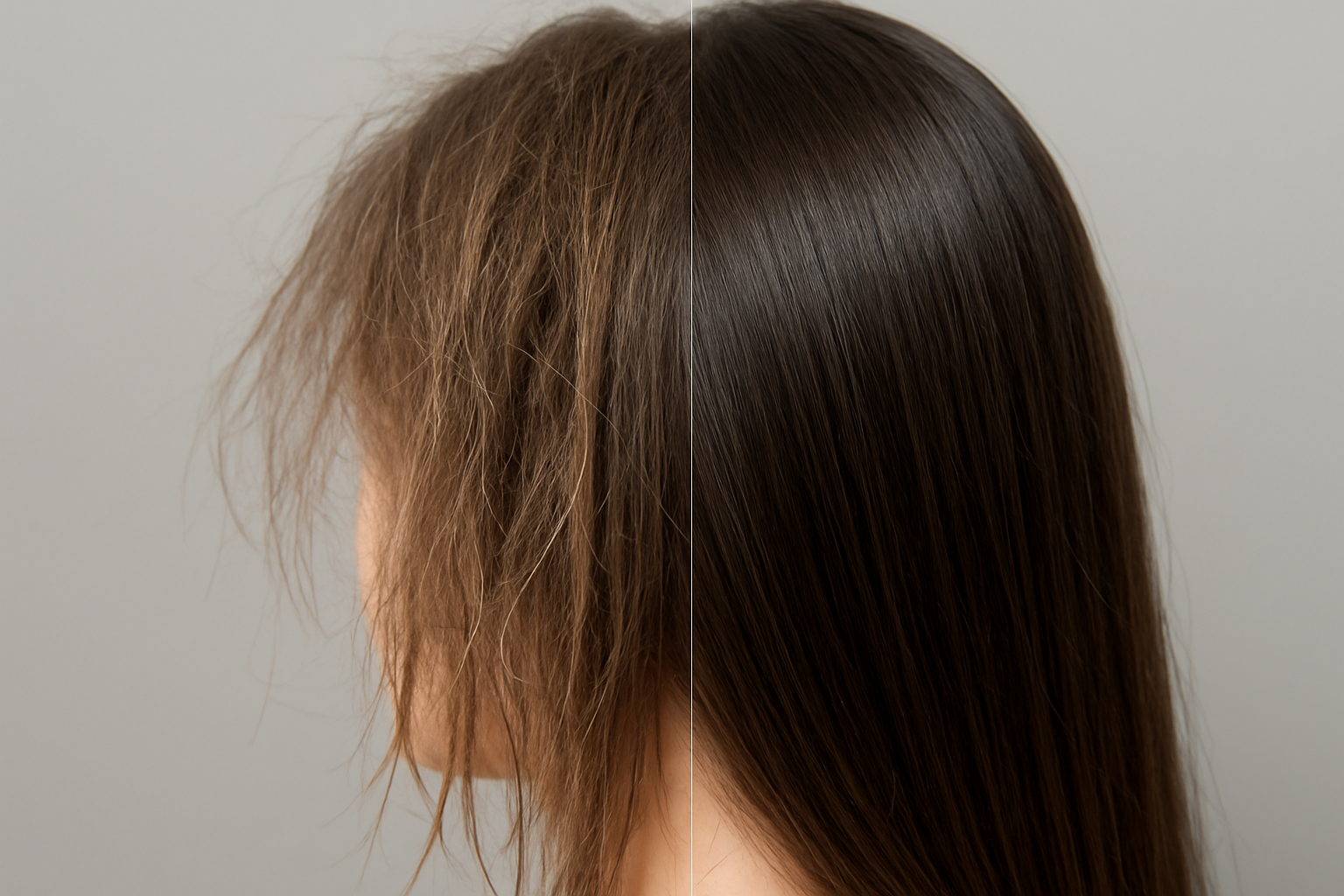
Repeatedly straightening hair with chemicals or high heat rewires its natural architecture. Chemical relaxers break disulfide bonds in the hair shaft — the bonds that give hair its natural curl and strength — and once altered, they don’t bounce back. Heat styling above 300°F causes similar damage by denaturing proteins and permanently lifting the cuticle, creating a rougher surface that looks dull even when healthy.
Increased Hair Loss and Thinning
Regular straightening puts serious stress on hair follicles, especially when products are used frequently without proper care. Harsh chemicals and excessive heat weaken the scalp barrier, leading to redness, itching, and inflammation around the roots; when follicles stay inflamed, they struggle to produce healthy hair, which is why many people experience hair fall after repeated treatments.
According to hair restoration experts, including Mister Hair Clinical Lead Dr. Saranya Thulasidoss, understanding these risks early and seeking professional guidance is essential to protect follicle health and maintain strong, natural hair growth.
The weakened hair structure means strands break off closer to the root, creating the appearance of thinning. Chemically treated hair also feels heavier and pulls on the scalp; constant tension can lead to traction alopecia.
Reduced Hair Growth Rate
Constantly damaging the follicles disrupts the growth cycle. Chemical damage affects scalp circulation, so fewer nutrients reach the follicles, pushing them into a resting phase more often. Touching up roots every 6–8 weeks never lets the scalp fully heal, creating a cycle of damage and incomplete recovery where growth naturally slows.
Chemical Exposure Risks for Men
Formaldehyde and Toxic Fume Inhalation
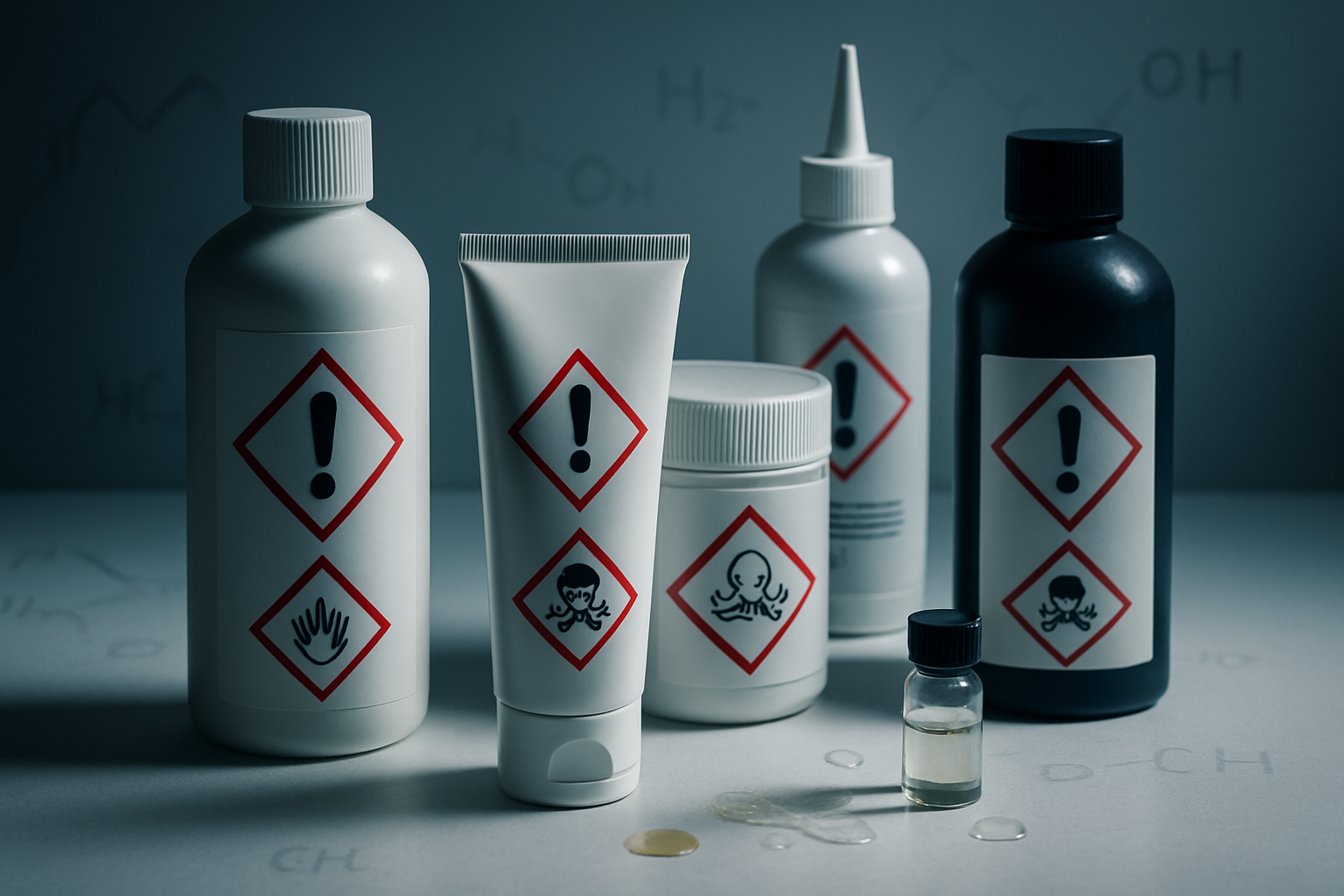
Many straightening products contain formaldehyde or formaldehyde-releasing chemicals. When heated with flat irons or blow dryers, they release toxic fumes that can cause breathing difficulties and headaches. Brazilian blowout treatments are particularly notorious for high formaldehyde levels, often exceeding OSHA safe limits. Even “formaldehyde-free” products may contain methylene glycol, which releases formaldehyde when heated.
Skin Absorption of Harmful Chemicals
The scalp readily absorbs harsh chemicals, which penetrate through follicles and pores into the bloodstream within minutes. Absorption becomes more dangerous when the scalp has small cuts or irritation. Cheaper products may even contain heavy metals like lead that can accumulate over time.
Eye and Respiratory Irritation
The alkaline nature of these products irritates mucous membranes, leading to watery eyes, burning, and difficulty breathing. Symptoms often include:
- Persistent eye watering and redness
- Nasal congestion and runny nose
- Chest tightness and shallow breathing
- Throat burning and hoarseness
Potential Carcinogenic Effects
The International Agency for Research on Cancer classifies formaldehyde as a Group 1 carcinogen, with sufficient evidence it causes cancer in humans. Regular exposure has been studied in relation to nasopharyngeal cancer, leukemia, lung cancer, and bladder cancer, and risk increases with frequency and duration of use. Combining straightening treatments with smoking or other carcinogen exposure compounds the risk.
Professional vs At-Home Treatments
Salon Chemical Concentrations and Safety
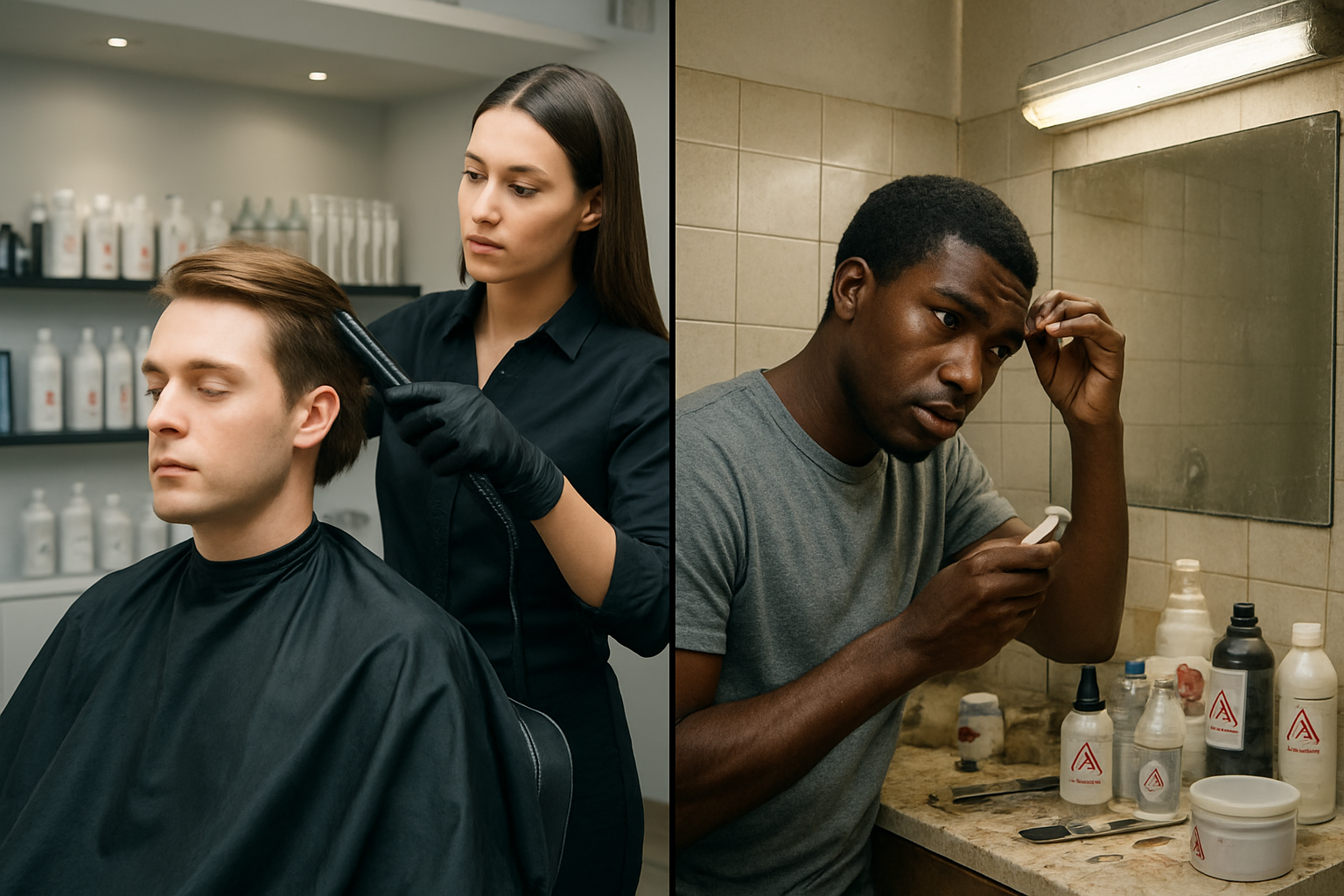
Professional treatments often use significantly higher chemical concentrations than over-the-counter products — levels that can be illegal for consumer purchase. This creates more dramatic results but amplifies the potential for severe burns, respiratory issues, and long-term complications. Reputable salons use proper ventilation, protective equipment, and precise timing, but not all establishments maintain these standards.
DIY Kit Risks
At-home kits carry their own dangers, mainly from inexperience and lack of safety equipment. Common mistakes include:
- Leaving chemicals on too long, causing severe burns
- Applying products to damaged or previously treated hair
- Mixing incompatible products
- Skipping strand tests
- Using inadequate ventilation
For More Information Contact Us : 73386 71338
DIY kits also lack professional-grade neutralisers and aftercare, so chemical reactions may continue after treatment appears complete, causing delayed breakage, scalp burns, or hair loss weeks later.
Minimising Side Effects Through Proper Care
Pre-Treatment Hair Assessment
Your hair’s condition determines how well it handles straightening. Evaluate for split ends, dryness, or breakage first. Stop colouring or bleaching at least two weeks before straightening (a month after highlights), use weekly protein and moisturising treatments in the run-up, and trim damaged ends so split ends don’t travel up the shaft during processing.
Post-Straightening Maintenance
The first 72 hours are critical — many treatments require keeping hair completely dry, with no washing, sweating, or clips that create creases. After that, switch to sulfate-free shampoos, wash every 2–3 days with lukewarm water, always apply heat protectant, keep flat irons below 350°F, and use a silk or satin pillowcase to reduce friction.
For More Information Contact Us : 73386 71338
Protective Products and Treatments

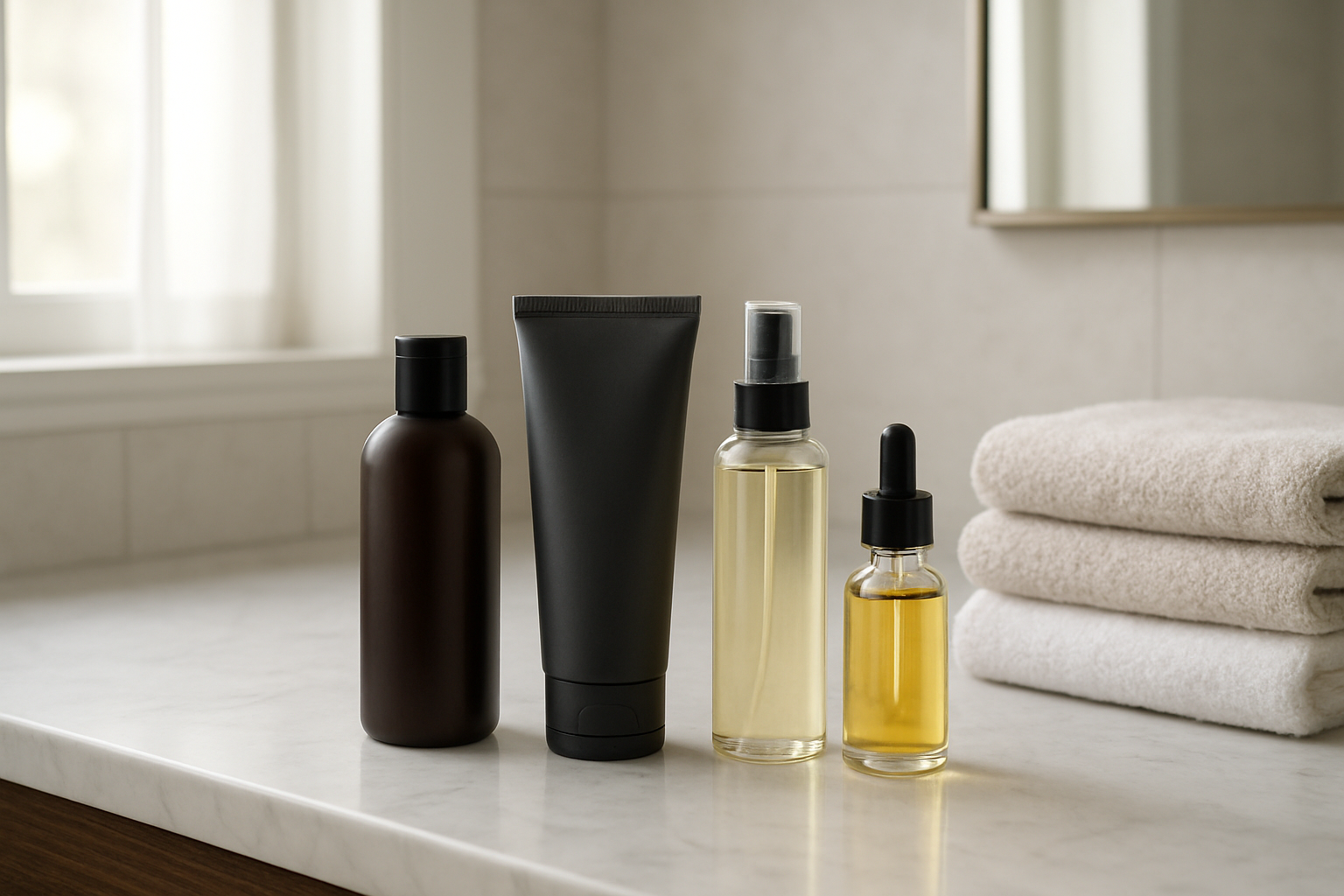
Build a proper product routine: a gentle, sulfate-free shampoo designed for chemically treated hair, a weekly deep-conditioning mask with keratin, argan oil, or coconut oil, and a heat protectant rated to 450°F. Use weekly protein treatments for strength, but don’t overdo it — too much protein makes hair brittle.
| Product Type | Frequency | Key Ingredients |
|---|---|---|
| Sulfate-free shampoo | 2-3x weekly | Gentle cleansers, keratin |
| Deep conditioner | Weekly | Argan oil, shea butter |
| Protein treatment | Bi-weekly | Hydrolyzed proteins |
| Heat protectant | Daily styling | Silicones, ceramides |
Professional Consultation Benefits
Working with an experienced stylist who specialises in men’s hair straightening can save you from costly mistakes. A professional consultation includes a strand test to preview how your hair reacts, customised formulas for your hair type, and proper maintenance guidance. The investment in professional care often pays off through better results and healthier hair than at-home kits, which carry a higher risk of damage and corrective costs.
Conclusion
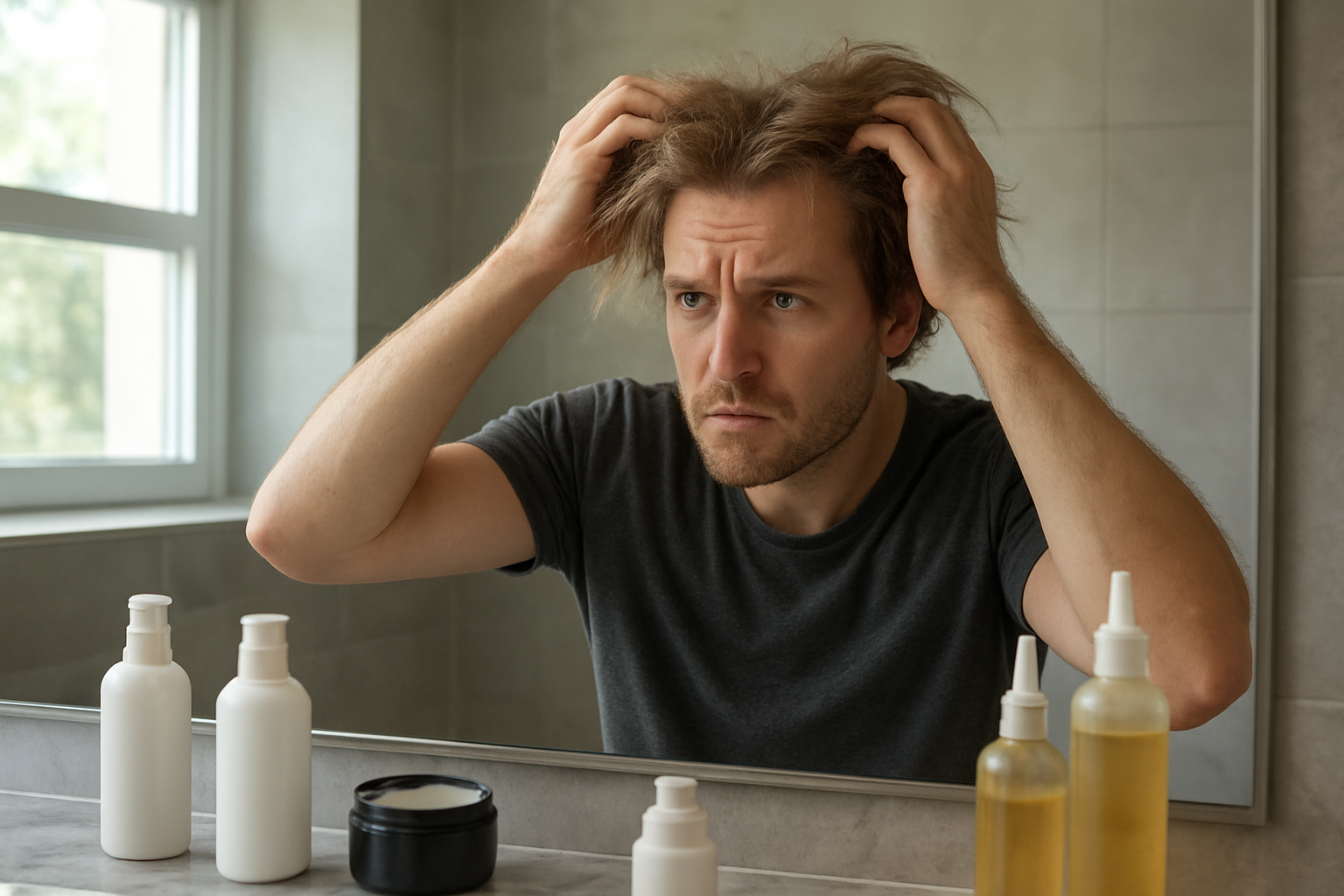
Hair straightening can seriously damage your hair and scalp if you’re not careful. From chemical burns and breakage to long-term thinning and scalp irritation, the risks are real — and men often underestimate how harsh these treatments can be, especially with strong relaxers or frequent touch-ups.
The good news is you can still get straight hair while protecting yourself: choose gentler methods, follow instructions carefully, give your hair time to recover between treatments, and lean on deep conditioning and professional guidance. Your hair health is worth the extra effort.
For More Information Contact Us : 73386 71338
← Back to all articles