
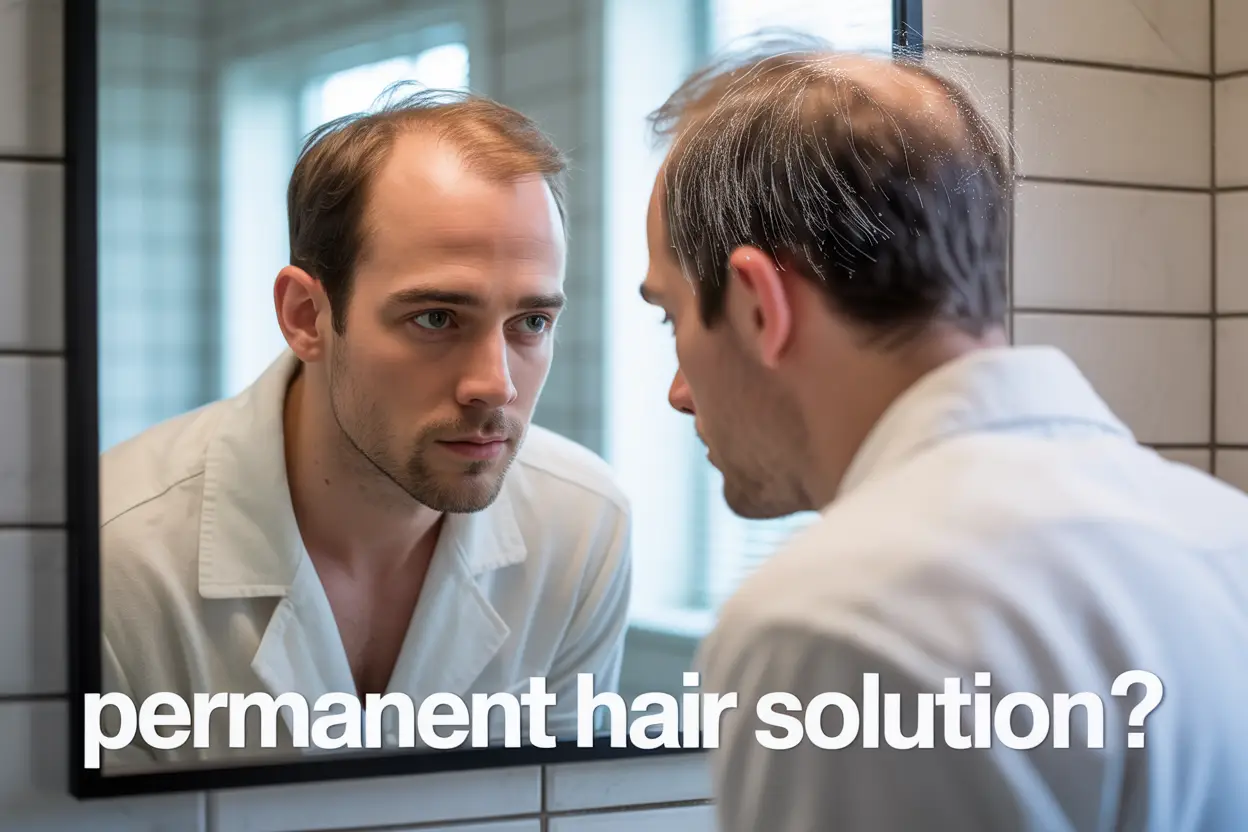
Are you tired of watching your hairline retreat and wondering if a hair transplant could be your permanent ticket back to a full head of hair?
This guide is for men and women experiencing hair loss who want straight answers about whether hair transplants actually last forever.
You’ve probably seen the before-and-after photos and heard the success stories, but you need to know the real deal before making this investment.
We’ll break down exactly how hair transplant procedures work and why the results can last decades. You’ll also learn about the key factors that make or break your success rate, plus get a realistic timeline for when you can expect to see your new hair growing in.
Finally, we’ll cover the honest truth about potential limitations and what you can do to protect your investment for years to come.
The bottom line? Hair transplants can be a permanent solution, but only when you understand what you’re getting into.
Understanding Hair Transplant Procedures and Their Longevity
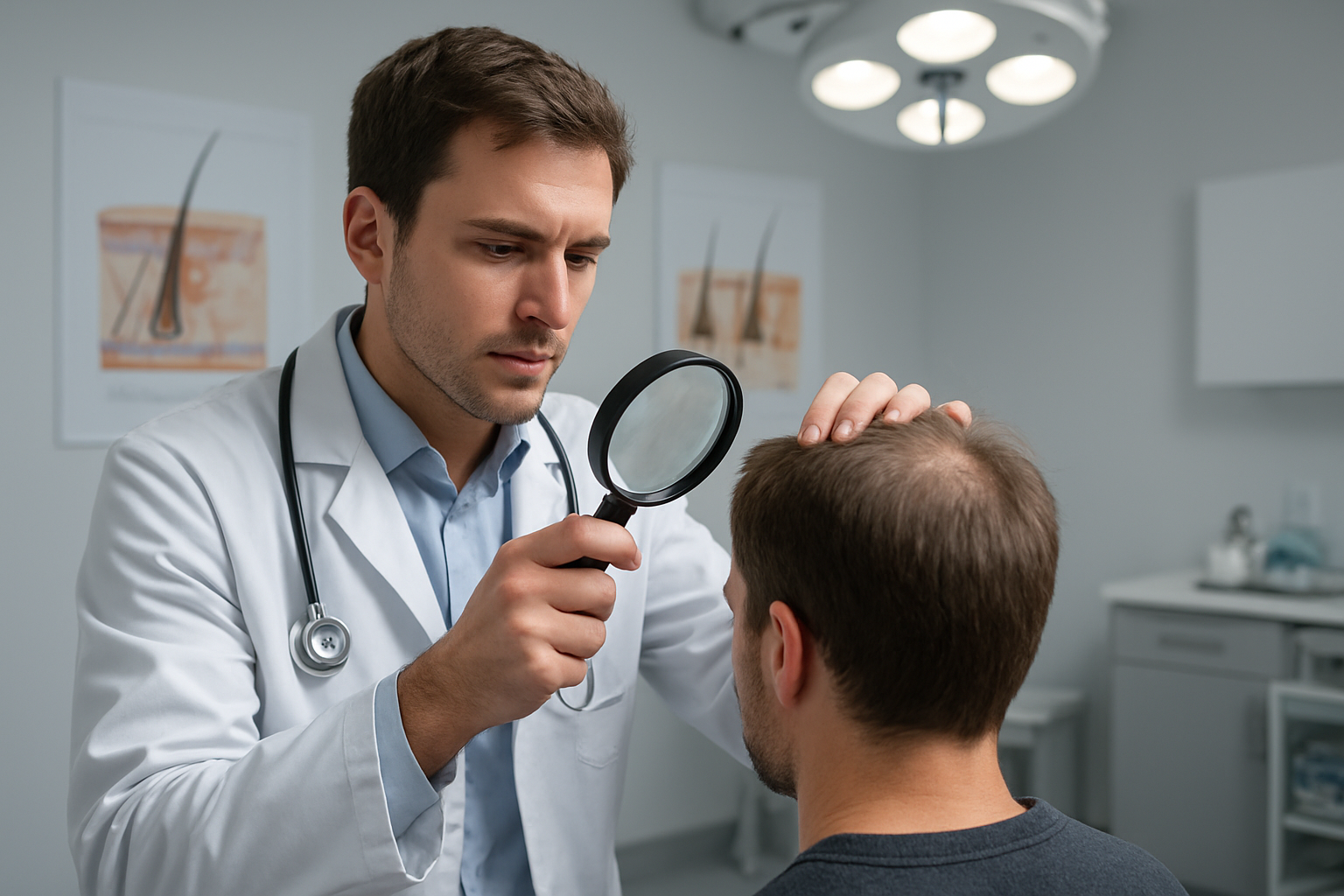
How hair transplant surgery works and relocates healthy follicles
Hair transplant surgery operates on a straightforward principle: moving hair follicles from areas where they thrive to areas where they don’t.
The donor area, typically located at the back and sides of your scalp, contains hair follicles that are genetically resistant to the hormone DHT (dihydrotestosterone), which causes male pattern baldness.
During the procedure, surgeons extract individual follicular units using two main techniques:
FUE (Follicular Unit Extraction): Individual follicles are harvested one by one using a small punch tool
FUT (Follicular Unit Transplantation): A strip of scalp containing multiple follicles is removed and dissected into individual units
The extracted follicles maintain their original genetic characteristics, including their resistance to hair loss. Surgeons then create tiny incisions in the recipient area and carefully implant each follicle at specific angles and depths to mimic natural hair growth patterns.
The transplanted follicles establish new blood supply connections within days, allowing them to resume normal growth cycles.
Why transplanted hair grows naturally for decades
The secret behind permanent results lies in the genetic programming of donor hair follicles. These follicles carry their original DNA blueprint, which includes resistance to androgenetic alopecia.
When relocated to balding areas, they continue producing hair just as they did in their original location.
Your transplanted hair follows the same growth cycle as your natural hair:
| Growth Phase | Duration | What Happens |
|---|---|---|
| Anagen | 3-5 years | Active hair production |
| Catagen | 2-3 weeks | Transition phase |
| Telogen | 3 months | Resting phase before shedding |
After the initial transplant shock, where some hairs temporarily fall out, the follicles settle into their new environment and begin producing hair that matches the texture, color, and growth rate of your original hair.
This hair can be cut, styled, and treated just like any other hair on your head.
Scientific evidence supporting permanent hair growth results
Research consistently demonstrates the long-term viability of transplanted hair follicles. A 2019 study published in the Journal of Cutaneous and Aesthetic Surgery tracked patients for over 15 years, showing sustained hair growth with minimal loss in transplanted areas.
Key findings from multiple clinical studies include:
95% survival rate for properly transplanted follicles after one year
Maintained density in transplanted areas for 10+ years
No accelerated aging of transplanted follicles compared to original donor site hair
The permanence stems from the fact that transplanted follicles retain their original characteristics at the cellular level. Histological examination of transplanted hair shows identical structure and function to hair from the donor area, even decades after the procedure.
This cellular memory explains why patients can expect their transplanted hair to last as long as the hair would have lasted in its original location.
Factors That Determine Your Hair Transplant Success Rate

Quality of donor hair area and follicle health
Your donor area acts as the foundation for your entire hair transplant journey. The back and sides of your scalp typically house the strongest, most resilient hair follicles – these are your golden ticket to long-term success.
Healthy donor follicles possess specific characteristics that make them ideal candidates for transplantation.
DHT-resistant follicles from the donor zone carry genetic programming that makes them naturally immune to the hormones causing male pattern baldness.
These follicles maintain their resistance even after being moved to balding areas. However, not everyone has the same quality donor hair. Factors like previous scarring, miniaturization, or genetic variations can impact follicle viability.
Surgeons evaluate donor density, hair caliber, and scalp elasticity before proceeding. A dense donor area with thick, healthy strands provides more grafts and better coverage.
For More Information Contact Us : 73386 71338
Thin or sparse donor hair limits the number of grafts available and may require adjusted expectations for final density.
Surgeon expertise and advanced transplant techniques used
The skill level of your surgeon dramatically influences your results. Experienced surgeons understand hairline design, graft placement angles, and proper follicle handling techniques that preserve graft viability. They know how to create natural-looking results that age gracefully with your face.
Modern techniques like FUE (Follicular Unit Extraction) and FUT (Follicular Unit Transplantation) each have specific advantages. FUE leaves minimal scarring and allows for shorter recovery times, while FUT can harvest more grafts in a single session.
Advanced methods like DHI (Direct Hair Implantation) and robotic assistance improve precision and graft survival rates.
Your surgeon’s track record matters enormously. Look for board certification, years of experience, and before-and-after photos from actual patients.
The best surgeons stay updated on latest techniques and invest in quality equipment that protects follicle integrity during extraction and implantation.
Post-surgery care and maintenance requirements
Your actions in the weeks following surgery can make or break your results. The first 48 hours are critical – newly transplanted follicles are extremely vulnerable and need gentle care to establish proper blood supply.
Following your surgeon’s washing instructions prevents infection and promotes healing. Most patients can return to gentle shampooing within 2-3 days using prescribed solutions.
Avoiding direct sun exposure, heavy exercise, and activities that cause sweating protects the grafts during their most fragile period.
Long-term maintenance often includes medications like finasteride or minoxidil to preserve existing hair and support transplanted follicles. Some patients benefit from PRP treatments or low-level laser therapy to enhance growth and follicle health.
Lifestyle factors also play a role. Good nutrition, adequate sleep, stress management, and avoiding smoking all contribute to optimal healing and hair growth. Poor post-operative care can lead to reduced graft survival and disappointing results.
Individual healing response and genetic factors
Your body’s unique healing response significantly impacts transplant success. Some people are natural fast healers with robust blood circulation that quickly nourishes transplanted follicles. Others may have slower healing processes that require extra patience and care.
Age affects healing capacity – younger patients typically experience faster recovery and better graft survival rates. However, older patients can still achieve excellent results with proper technique and realistic expectations.
Underlying health conditions like diabetes, autoimmune disorders, or poor circulation can complicate healing. Medications that affect blood clotting or immune response may need adjustment before surgery. Your surgeon should evaluate these factors during consultation.
Genetic factors determine not just your hair loss pattern but also your scalp’s response to transplantation. Some patients develop excellent density with fewer grafts, while others may need multiple sessions to achieve similar coverage.
Your family history of hair loss and transplant results can provide valuable insights into expected outcomes.
Realistic Timeline for Seeing Permanent Hair Growth Results
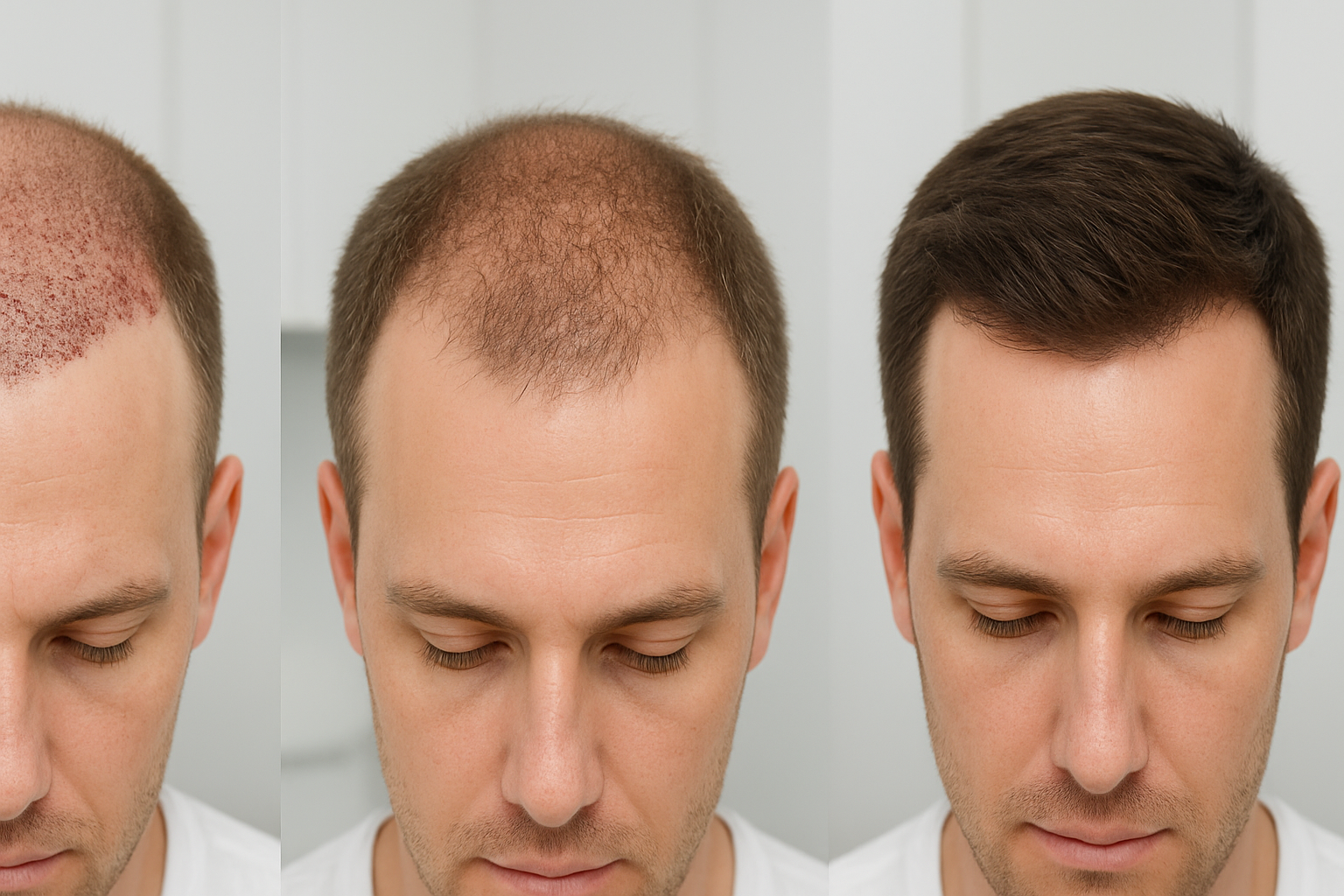
Initial recovery period and what to expect
The first few weeks after your hair transplant might feel like a rollercoaster of emotions and physical changes. Your scalp will likely be tender, with small scabs forming around each transplanted follicle.
Don’t panic when you see significant shedding during weeks 2-4 – this is completely normal and called “shock loss.” Your newly transplanted hair will fall out, but the follicles remain intact underneath.
For More Information Contact Us : 73386 71338
During this phase, you’ll need to sleep with your head elevated and avoid strenuous activities for about two weeks. Most people can return to work within 3-5 days, though you might want to wear a loose hat to cover any visible signs.
The donor area typically heals faster than the recipient site, with any linear scarring from strip harvests becoming less noticeable over time.
When new hair begins growing and thickening
Around month 3, you’ll start seeing tiny hair sprouts emerging from your transplanted follicles.
These baby hairs might look thin and wispy at first – think of them as testing the waters. By month 4-6, the growth becomes more noticeable, though the hair will still appear finer than your natural hair.
The real transformation happens between months 6-9 when your new hair begins to thicken and match the texture of your existing hair.
Each follicle goes through multiple growth cycles, gradually producing stronger, thicker strands with each cycle. Some people see dramatic changes by month 8, while others need the full 12-15 months to see substantial improvement.
Full results timeline and long-term appearance changes
| Timeline | What to Expect |
|---|---|
| 12-15 months | 80-90% of final results visible |
| 18 months | Full density and texture achieved |
| 2+ years | Hair continues to mature and blend naturally |
Your final results won’t be complete until 12-18 months post-surgery. This extended timeline exists because hair growth cycles are naturally slow, and transplanted follicles need time to establish proper blood supply and resume normal growth patterns.
Between months 12-18, you’ll notice your hairline becoming more defined and natural-looking as the transplanted hair reaches full length and density.
The hair will continue to mature for up to two years, becoming indistinguishable from your original hair in terms of growth rate, texture, and appearance.
For More Information Contact Us : 73386 71338
Long-term changes include gradual aging of your hairline, which will naturally recede slightly over decades, just like non-transplanted hair.
Your transplanted hair will also show normal signs of aging, potentially becoming grayer or slightly thinner with time, maintaining its natural appearance throughout your lifetime.
Potential Limitations and Ongoing Hair Loss Considerations
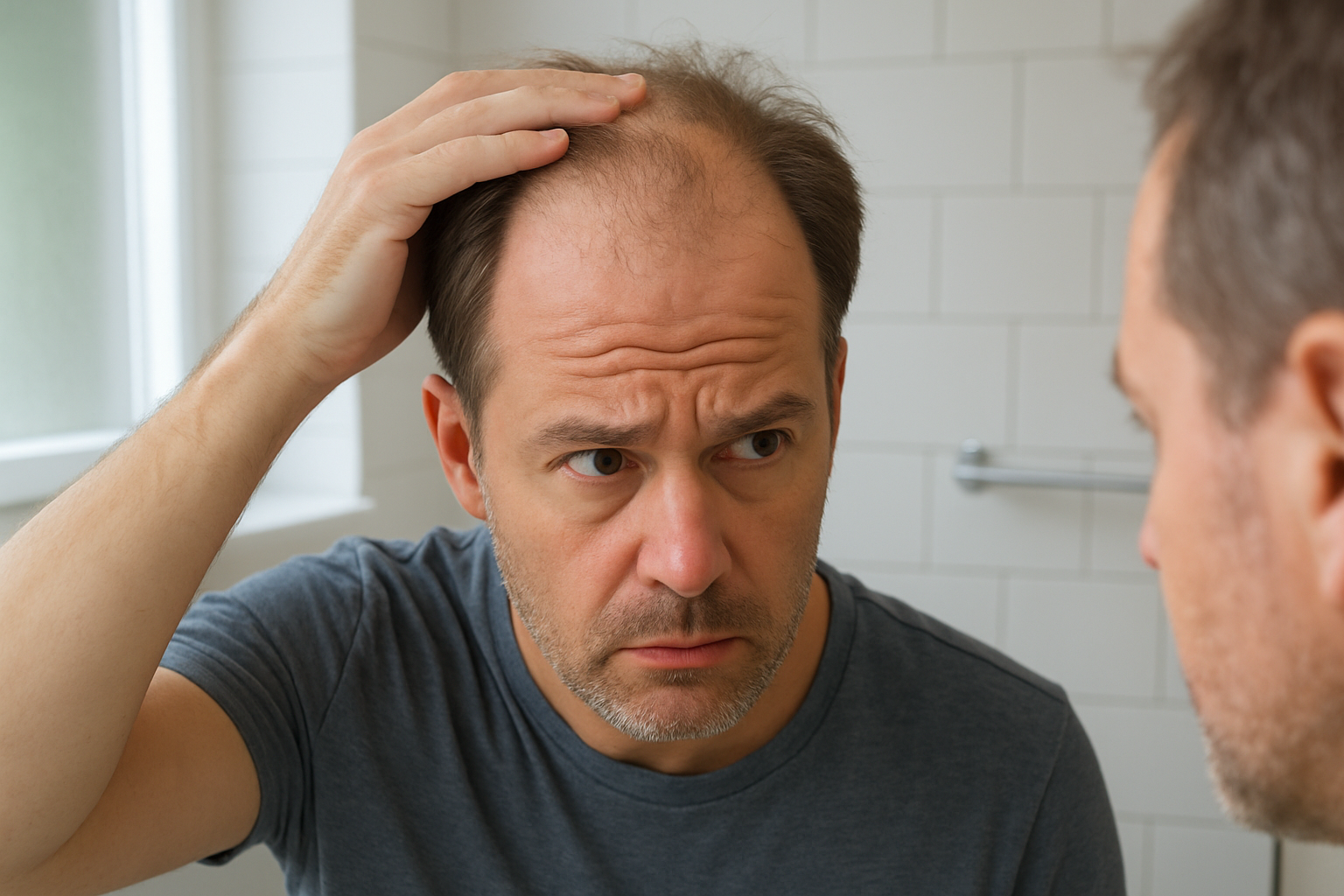
Natural Aging Effects on Non-Transplanted Hair Areas
Your transplanted hair follicles may be permanent, but the hair around them continues to follow its natural aging pattern.
The existing hair that wasn’t transplanted will keep thinning and falling out over time, creating a patchy appearance that can make your transplant look less natural.
Picture this: you get a transplant at 30, and it looks fantastic. Fast forward 10-15 years, and while your transplanted hairline stays strong, the crown area might thin out significantly. This creates an uneven distribution that many patients don’t anticipate when they first undergo the procedure.
The rate of this ongoing hair loss varies dramatically between individuals. Some men experience rapid progression, while others maintain their non-transplanted hair for decades.
Your genetics, lifestyle, and hormone levels all play crucial roles in determining how quickly this natural aging occurs.
Need for Additional Procedures as Hair Loss Progresses
Most patients require multiple procedures throughout their lifetime to maintain optimal results. Hair loss doesn’t stop after your first transplant – it continues its relentless march, often requiring strategic follow-up sessions.
Surgeons typically recommend waiting 12-18 months between procedures to allow proper healing and accurate assessment of results. During this waiting period, you might notice new areas of thinning that weren’t apparent during your initial consultation.
The number of additional procedures depends on several factors:
Extent of your hair loss pattern: Men with aggressive balding patterns often need 2-3 procedures
Available donor hair: Limited donor supply may restrict future options
Age at first procedure: Younger patients typically require more follow-ups
Desired hair density: Higher density goals demand multiple sessions
Financial planning becomes critical since each procedure can cost $3,000-$15,000 depending on your location and clinic choice.
For More Information Contact Us : 73386 71338
Maintenance Treatments to Preserve Overall Hair Density
Protecting your investment requires ongoing commitment to hair preservation treatments. Without proper maintenance, your non-transplanted hair will continue deteriorating, potentially making your results look unnatural.
Medical treatments form the backbone of maintenance:
| Treatment | Function | Frequency |
|---|---|---|
| Finasteride | Blocks DHT production | Daily oral medication |
| Minoxidil | Stimulates blood flow | Twice daily topical application |
| Low-level laser therapy | Enhances cellular activity | 3 times weekly |
| PRP injections | Promotes growth factors | Every 3-4 months |
Lifestyle modifications also impact long-term success:
Stress management through exercise and adequate sleep
Nutritional supplements targeting hair health
Gentle hair care routines avoiding harsh chemicals
Regular scalp massage to improve circulation
The key is starting these treatments early, preferably before your transplant, to create the best possible foundation for your new hair.
Managing Expectations for Complete Baldness Coverage
Hair transplants rarely provide complete coverage for advanced baldness patterns. The harsh reality is that donor hair supply has limits, and attempting to cover too much area often results in thin, unnatural-looking hair distribution.
Surgeons work with approximately 6,000-8,000 grafts from the donor area in most patients. This sounds like a lot, but when distributed across a large balding area, the density becomes quite sparse. A full head of hair typically contains 100,000-150,000 individual hairs.
Realistic coverage expectations by Norwood scale:
Norwood 2-3: Excellent coverage possible with 1-2 procedures
Norwood 4-5: Good coverage achievable but may require 2-3 sessions
Norwood 6-7: Limited coverage focusing on frontal area and crown priority
Smart patients prioritize the most visible areas first – typically the hairline and front-top area where people notice thinning most. Crown coverage often requires sacrificing density in other areas, creating difficult decisions about resource allocation.
Working with an experienced surgeon who sets realistic expectations from the beginning saves disappointment later.
They’ll help you understand what’s achievable with your specific hair loss pattern and donor supply, creating a long-term plan that maximizes your aesthetic outcome within biological constraints.
Maximizing Your Hair Transplant Investment for Lifetime Results
Choosing Qualified Surgeons with Proven Track Records
The surgeon you choose makes the biggest difference between a successful hair transplant and a disappointing experience. Don’t fall for bargain deals or flashy marketing campaigns.
Research your surgeon’s credentials, board certifications, and specialization in hair restoration procedures. Look for doctors who focus specifically on hair transplants rather than those who offer it as one of many cosmetic services.
Ask to see before-and-after photos of actual patients, not stock images from medical websites. Request to speak with previous patients about their experiences.
A reputable surgeon will gladly provide references and showcase their work. Check online reviews, but pay attention to detailed testimonials that mention specific aspects of the procedure and recovery process.
Experience matters tremendously in hair transplant surgery. Surgeons who have performed thousands of procedures develop the artistic eye needed to create natural-looking hairlines and proper density distribution.
They understand how to work with different hair types, face shapes, and patient expectations. Inexperienced surgeons often create unnatural results that require corrective procedures later.
Verify that your chosen clinic uses modern techniques like FUE (Follicular Unit Extraction) or FUT (Follicular Unit Transplantation) and has invested in quality equipment.
The facility should be properly licensed and accredited. Don’t hesitate to schedule consultations with multiple surgeons before making your decision.
For More Information Contact Us : 73386 71338
Following Post-Operative Care Instructions for Optimal Healing
Your actions in the weeks following surgery directly impact your final results. Surgeons provide detailed post-operative instructions for good reason – following them religiously can mean the difference between excellent growth and poor outcomes.
Keep the transplanted area clean and dry for the first few days. Use only the prescribed shampoo and cleaning solutions. Many patients make the mistake of overwashing or using harsh products that can dislodge newly transplanted grafts.
Sleep with your head elevated for the first week to reduce swelling and protect the transplant area from rubbing against pillows.
Avoid strenuous exercise, heavy lifting, and activities that cause excessive sweating for at least two weeks. Blood flow changes during intense physical activity can affect healing and graft survival. Skip swimming pools, saunas, and hot tubs until your surgeon gives clearance.
Take prescribed medications exactly as directed. Anti-inflammatory drugs and antibiotics help prevent complications and promote healing. Some patients stop medications early when they feel better, but this can lead to infections or poor graft survival.
Watch for signs of complications like excessive bleeding, severe pain, or signs of infection. Contact your surgeon immediately if anything seems unusual. Most clinics provide 24/7 contact information for post-operative concerns.
Protecting Transplanted Hair from Damage and Environmental Factors
Once your transplanted hair begins growing, treat it like the valuable investment it is. Sun exposure can damage both your scalp and new hair growth.
Wear a hat or use sunscreen specifically designed for the scalp when spending time outdoors. UV rays can cause premature aging of hair follicles and affect growth patterns.
Choose gentle hair care products without harsh chemicals. Sulfate-free shampoos and conditioners work best for maintaining healthy transplanted hair.
Avoid products with alcohol, which can dry out your scalp and weaken hair strands. When styling, use minimal heat and avoid pulling or tugging on hair.
Consider your lifestyle habits that might affect hair health. Smoking restricts blood flow to hair follicles, potentially affecting growth and longevity of transplanted hair. Excessive alcohol consumption and poor nutrition can also impact hair quality over time.
Regular follow-up appointments with your surgeon help monitor progress and catch any issues early. Many clinics offer long-term care programs that include periodic check-ups and maintenance treatments.
Building an ongoing relationship with your hair restoration team ensures you have support throughout your hair growth journey.
Protect your investment by maintaining overall health through proper diet, regular exercise, and stress management. These factors significantly influence hair growth and the long-term success of your transplant procedure.
Conclusion :
Hair transplants offer a genuine long-term solution for hair loss, but calling them “permanent” requires some important context. The transplanted hair follicles themselves are built to last since they’re taken from areas that resist balding.
However, your existing hair might continue thinning around the transplanted areas, and factors like your age, genetics, and how well you follow post-procedure care all play a role in your final results.
Getting the best bang for your buck means choosing an experienced surgeon, following all aftercare instructions, and having realistic expectations about the timeline.
Most people see their final results after 12-18 months, and while the transplanted hair should stick around for life, you might need touch-up procedures down the road.
If you’re considering a hair transplant, focus on finding a qualified professional who can assess your specific situation and give you an honest picture of what to expect.
For More Information Contact Us : 73386 71338