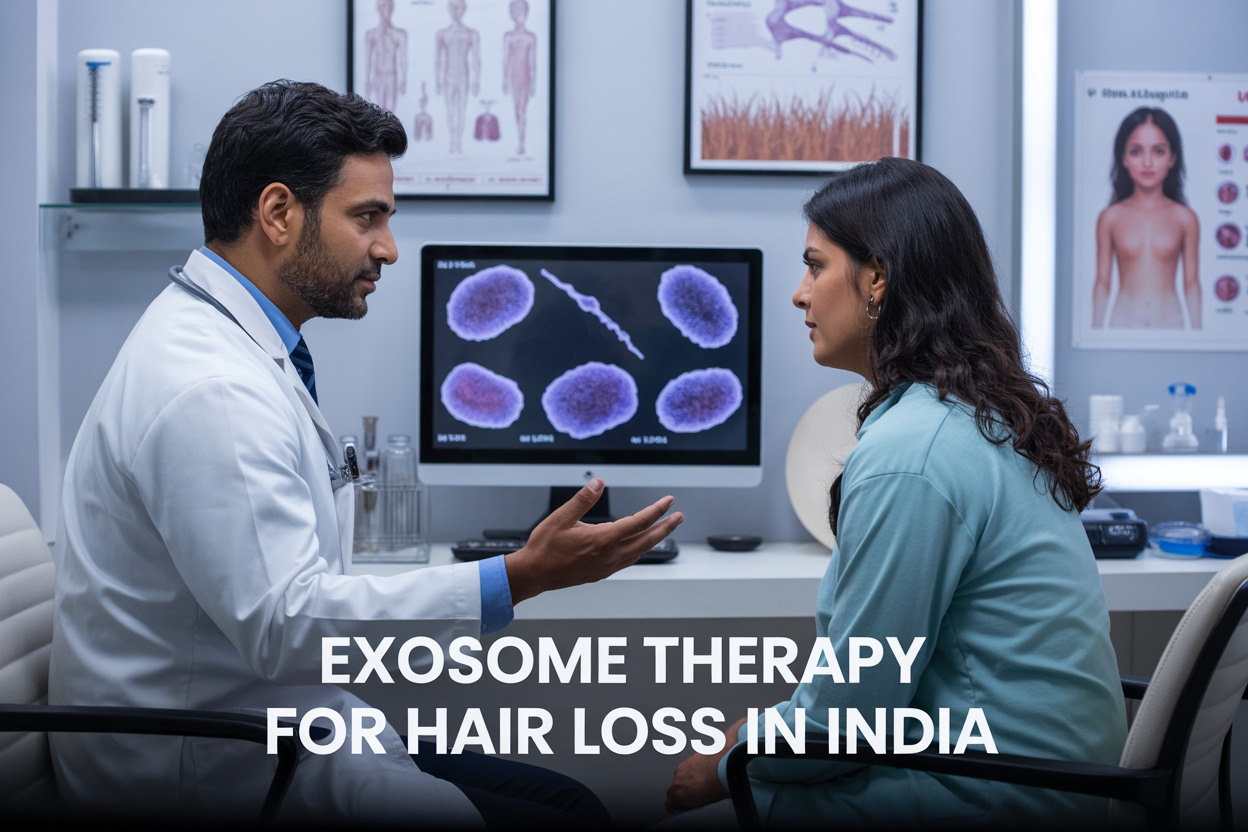
If you’re dealing with thinning hair, pattern baldness, or other hair loss conditions and considering treatment options in India, this guide breaks down what you need to know about exosome therapy.
We’ll walk you through the actual treatment process and what to expect during your sessions in Indian clinics.
You’ll also get a clear breakdown of exosome therapy costs across different cities and facilities, plus real patient outcomes and success stories from people who’ve tried this treatment.
Finally, we’ll help you choose the right clinic and specialist to get the best results for your specific hair loss situation.
Understanding Exosome Therapy as a Revolutionary Hair Loss Treatment

What are Exosomes and how they regenerate hair follicles
Exosomes are tiny vesicles, about 30–150 nanometers in size, that cells naturally release to communicate with each other. Think of them as biological messengers carrying important cargo like proteins, growth factors, and genetic material.
With the rise of exosomes hair treatment India options, more people are discovering how these regenerative messengers support follicle repair.
When it comes to hair restoration, these microscopic powerhouses work like skilled repair teams for damaged hair follicles.
Many clinics offering exosomes hair treatment in India highlight their ability to accelerate healing and stimulate new growth — a major reason people are increasingly searching are exosomes worth it.
The regenerative process happens through several key mechanisms. Exosomes deliver growth factors directly to weakened hair follicles, essentially feeding them the nutrients they need to bounce back to life.
As this therapy becomes more popular, individuals often compare exosomes hair treatment cost, exosomes hair treatment cost in India, and exosomes hair treatment price in India.
Depending on the clinic and technology used, the exosome therapy price, exosome therapy cost per session, or exosome hair therapy cost in India can vary. This growing interest also contributes to the increasing demand for exosomes for hair loss in India.
They also contain microRNAs that help reprogram follicular cells, switching them from a dormant state back to active hair production mode.
What makes exosomes particularly exciting is their ability to improve blood circulation around hair follicles. Better blood flow means more oxygen and nutrients reaching the roots, creating an environment where hair can thrive.
These cellular messengers also reduce inflammation in the scalp, which often contributes to hair loss conditions like androgenetic alopecia.
The regeneration process typically unfolds over several months. Exosomes first stabilize existing hair follicles, preventing further miniaturization.
Then they gradually wake up dormant follicles and encourage the growth of new, healthier hair strands with improved thickness and density.
Scientific mechanisms behind exosome therapy for hair restoration
The science behind exosome therapy involves complex cellular pathways that researchers have been studying intensively.
The primary mechanism revolves around the Wnt signaling pathway, which plays a crucial role in hair follicle development and cycling.
Exosomes contain specific proteins that activate this pathway, triggering hair follicles to enter their growth phase.
Another important mechanism involves the delivery of vascular endothelial growth factor (VEGF) and other angiogenic factors. These proteins promote the formation of new blood vessels around hair follicles, creating a robust support system for hair growth. Studies have shown that improved vascularization can increase hair density by up to 40% in treated areas.
Exosomes also work through the activation of dermal papilla cells, which are considered the command center of hair follicles.
These cells receive signals from exosomes that encourage them to produce more growth factors and extend the anagen (growth) phase of the hair cycle. This means existing hair stays in the growth phase longer, resulting in thicker, longer strands.
The anti-inflammatory properties of exosomes deserve special mention. They contain cytokines and other signaling molecules that calm scalp inflammation, creating a healthier environment for hair growth. This is particularly beneficial for people with conditions like alopecia areata or scalp sensitivity.
Recent research has identified specific microRNAs within exosomes that can reverse hair follicle miniaturization, the hallmark of male and female pattern baldness. These genetic messengers essentially reprogram aging hair follicles to behave like younger, more productive ones.
Advantages over traditional hair loss treatments
Exosome therapy offers several compelling advantages compared to conventional hair loss treatments. Unlike hair transplant surgery, exosome therapy is completely non-invasive—there’s no cutting, stitching, or lengthy recovery period.
Most patients can return to their normal activities immediately after treatment. As interest grows, many people are now researching essential details such as exosome therapy price, exosome hair therapy cost in India, and exosome therapy hair loss cost to better understand affordability.
Patients also frequently compare exosomes hair treatment cost in India, general exosomes therapy cost, and clinic-specific exosomes hair treatment cost before choosing a provider.
With the rising availability of exosomes for hair loss in India, many clinics now offer advanced exosomes hair treatment India, making it easier for individuals to access this modern regenerative solution.
Queries about the exosomes hair treatment price have also increased as people evaluate cost-to-benefit ratios for achieving healthier, fuller hair.
The natural approach sets exosomes apart from synthetic treatments. While medications like finasteride and minoxidil work by blocking hormones or dilating blood vessels, exosomes use the body’s own healing mechanisms.
For More Information Contact Us : 91 8553954466
This reduces the risk of side effects significantly. Many patients experience hormonal side effects with traditional medications, but exosome therapy works harmoniously with natural biological processes.
| Treatment Comparison | Exosome Therapy | Hair Transplant | Medications |
|---|---|---|---|
| Invasiveness | Non-invasive | Surgical procedure | Non-invasive |
| Recovery time | None | 1-2 weeks | None |
| Side effects | Minimal | Scarring, infection risk | Hormonal, sexual |
| Natural approach | Yes | No | No |
| Results timeline | 3-6 months | 6-12 months | 6+ months |
The versatility of exosome therapy is remarkable. It can treat various types of hair loss, from androgenetic alopecia to alopecia areata, and even helps with hair thinning due to stress or medical treatments. Traditional treatments often target specific causes, limiting their effectiveness across different conditions.
Cost-effectiveness over time makes exosomes attractive. While the upfront cost might seem higher, there’s no need for daily medications or repeat surgical procedures. The regenerative effects can last for years, making it a smart long-term investment in hair health.
Ideal candidates for exosome therapy
The best candidates for exosome therapy are people in the early to moderate stages of hair loss. If you’re noticing thinning hair, a receding hairline, or wider part lines but still have existing hair follicles, you’re likely an excellent candidate.
The therapy works best when there are still follicles present that can be revitalized.
People with androgenetic alopecia (male or female pattern baldness) typically see the most dramatic results. This includes men with receding hairlines or crown thinning, and women experiencing diffuse thinning across the scalp. The earlier you start treatment, the better the outcomes tend to be.
Those who want to avoid the risks and downtime associated with hair transplant surgery make ideal candidates. This includes busy professionals, people with medical conditions that make surgery risky, or anyone who prefers natural treatment approaches.
Patients who haven’t responded well to traditional treatments or experienced side effects from medications often find exosome therapy to be a welcome alternative. If finasteride caused sexual side effects or minoxidil led to scalp irritation, exosomes might be the solution you’ve been looking for.
Age factors into candidacy as well. While there’s no strict age limit, people between 25-65 years old typically see the best results. Younger patients benefit from prevention and early intervention, while older patients can still see improvement if they have viable follicles.
However, exosome therapy isn’t suitable for everyone. People with completely bald areas where follicles are no longer present may need to combine exosomes with other treatments or consider hair transplantation first.
Those with active scalp infections, certain autoimmune conditions, or bleeding disorders should consult with specialists about their suitability for treatment.
Exosome Therapy Treatment Process and Experience in India
Pre-treatment consultation and hair loss assessment
Your exosome therapy journey begins with a comprehensive consultation where specialists evaluate your specific hair loss pattern and medical history.
During this session, doctors perform a detailed scalp examination using advanced tools like dermoscopy to assess hair follicle health and density. They’ll ask about your family history of baldness, stress levels, hormonal changes, and any medications you’re currently taking.
Most clinics in India conduct blood tests to check for underlying conditions like thyroid disorders, iron deficiency, or hormonal imbalances that might contribute to hair loss.
A trichoscopy examination helps determine the exact stage of your androgenetic alopecia and identifies the areas that will benefit most from treatment.
Your doctor will also take standardized photographs from multiple angles to track progress throughout your treatment journey.
They’ll discuss realistic expectations based on your hair loss pattern and explain how exosomes work to stimulate dormant hair follicles. This consultation typically lasts 45-60 minutes and costs between ₹1,500-3,000 at most reputable clinics.
Step-by-step procedure of exosome therapy sessions
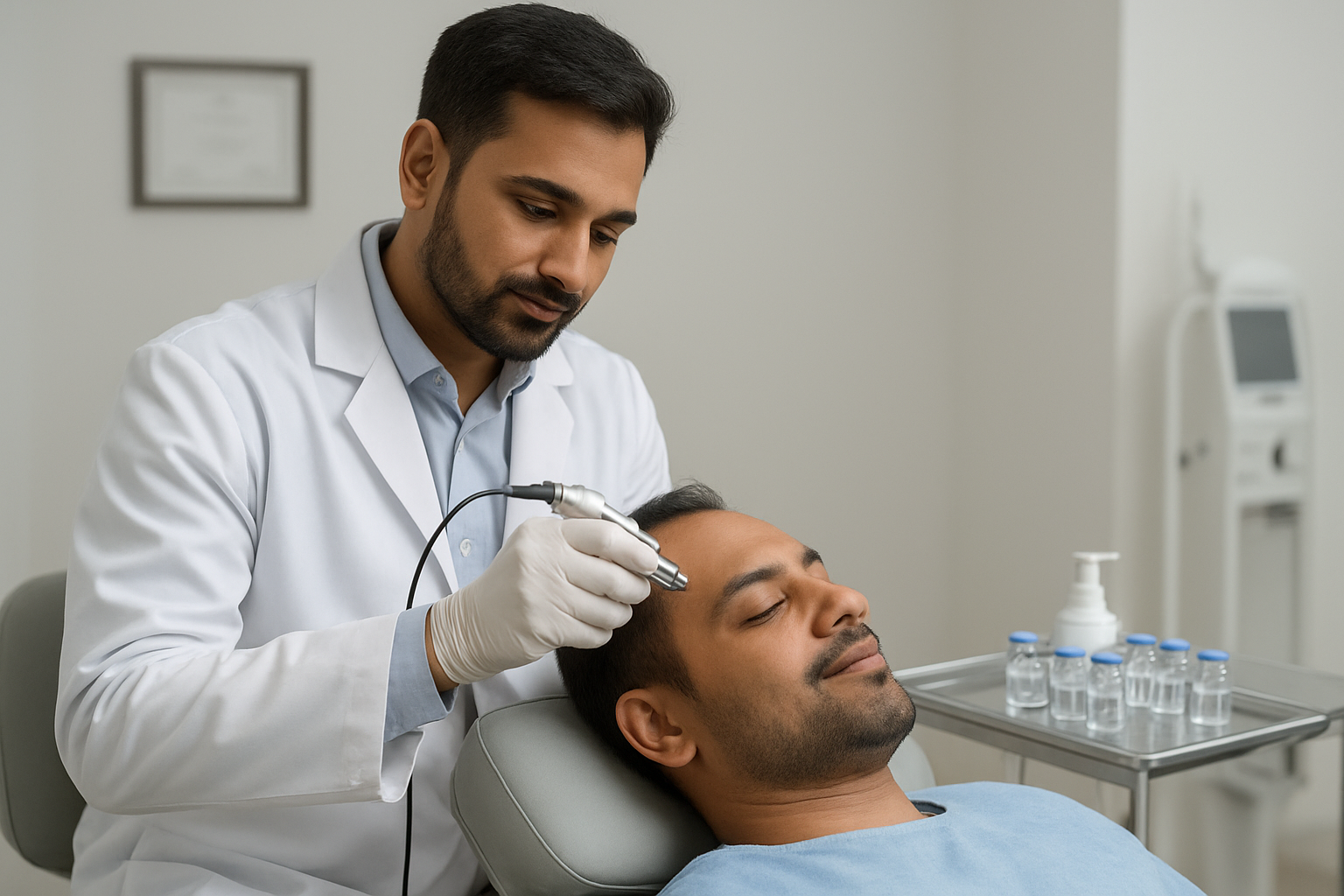
The actual exosome therapy procedure is relatively straightforward and minimally invasive. Your treatment begins with thorough cleansing of the scalp using medical-grade antiseptic solutions.
The medical team then applies a topical numbing cream to minimize any discomfort during the injection process.
Exosomes are prepared in a sterile environment and loaded into fine-gauge needles or mesotherapy guns.
The specialist carefully injects the exosome solution into the scalp at precise depths of 2-4mm, targeting areas with thinning hair or complete baldness. The injection pattern follows a grid-like approach, ensuring even distribution across the treatment area.
Each session typically involves 50-100 micro-injections depending on the size of the treatment area. Some clinics combine exosome therapy with microneedling or derma roller treatments to enhance absorption.
The entire procedure takes 30-45 minutes, and you can return to normal activities immediately afterward.
Post-treatment care involves avoiding harsh shampoos for 24 hours and protecting your scalp from direct sunlight. Many patients experience mild redness or tenderness that resolves within 2-3 days.
Duration and frequency of treatments required
Most patients require 4-6 exosome therapy sessions spaced 3-4 weeks apart for optimal results. This protocol allows enough time for the growth factors and proteins in exosomes to stimulate cellular regeneration and hair follicle activation between treatments.
Initial results become visible after 8-12 weeks, with significant improvement typically seen after completing the full treatment course. Some patients notice reduced hair fall within the first month, while new hair growth becomes apparent around the third month.
Maintenance sessions are recommended every 6-12 months to sustain results, though this varies based on individual response and the severity of initial hair loss.
Patients with early-stage hair loss often achieve lasting results with fewer maintenance treatments compared to those with advanced baldness.
The total treatment timeline spans 4-6 months for the initial course, making it a medium-term commitment that fits well into most people’s schedules.
Indian clinics often offer package deals for multiple sessions, making the treatment more affordable while ensuring consistent care throughout your hair restoration journey.
Cost Analysis of Exosome Therapy for Hair Loss in India

Average pricing across different cities and clinics
Exosome therapy costs for hair loss vary significantly across India’s major metropolitan areas.
In Mumbai and Delhi, you can expect to pay between ₹25,000 to ₹45,000 per session at premium clinics, while tier-2 cities like Pune, Chennai, and Bangalore typically charge ₹18,000 to ₹35,000 per session. Smaller cities often offer the treatment at more affordable rates, ranging from ₹12,000 to ₹25,000 per session.
Most patients require 3-6 sessions spaced 4-6 weeks apart for optimal results, bringing the total treatment cost to approximately ₹75,000 to ₹2,70,000 depending on location and clinic choice.
Factors affecting treatment costs and pricing variations
Several key factors influence exosome therapy pricing across different clinics and regions. The source and quality of exosomes play a major role – treatments using stem cell-derived exosomes from premium laboratories command higher prices than synthetic alternatives.
Clinics sourcing exosomes from international suppliers often charge 20-30% more than those using domestic products.
Doctor expertise and clinic reputation significantly impact costs. Board-certified dermatologists and hair transplant specialists with extensive experience in regenerative medicine typically charge premium rates.
High-end clinics with advanced facilities, state-of-the-art equipment, and luxurious amenities naturally price their services higher.
The treatment protocol also affects pricing:
Single-area treatment: Lower cost for treating specific regions like crown or frontal hairline
Comprehensive scalp coverage: Higher cost for full scalp treatment
Combined therapies: Additional charges when combined with PRP, microneedling, or LED therapy
Customized formulations: Premium pricing for personalized exosome concentrations
Geographic location within the same city matters too. Clinics in upscale neighborhoods or medical districts typically charge more than those in suburban areas. Overhead costs, including rent, staff salaries, and regulatory compliance, directly influence pricing structures.
Insurance coverage options and financing plans
Currently, most health insurance providers in India don’t cover exosome therapy for hair loss since it’s classified as a cosmetic treatment rather than a medical necessity.
However, some progressive insurers are beginning to recognize hair loss treatments when linked to medical conditions like alopecia areata or post-chemotherapy hair loss.
Many clinics now offer flexible payment solutions to make treatment more accessible:
EMI Options:
6-month plans with 0% interest
12-month plans with minimal processing fees
18-24 month extended plans for comprehensive treatment packages
Medical Financing Partners:
Bajaj Finserv Health EMI
Lending kart Medical Loans
GMoney Healthcare Financing
PayU Credit Lines
Clinic-Specific Programs:
Early bird discounts (10-15% off for advance bookings)
Package deals combining multiple sessions
Loyalty programs for returning patients
Referral bonuses reducing treatment costs
Some employers now include hair restoration treatments in their comprehensive health benefits, particularly in the IT and corporate sectors where appearance-related confidence affects professional performance.
Cost comparison with hair transplant and other alternatives
When comparing exosome therapy with traditional hair restoration methods, the cost-benefit analysis reveals interesting patterns.
Hair transplant procedures in India range from ₹40,000 to ₹2,00,000 depending on the number of grafts, while exosome therapy typically costs ₹75,000 to ₹2,70,000 for a complete treatment cycle.
| Treatment Option | Cost Range | Sessions Required | Longevity | Recovery Time |
|---|---|---|---|---|
| Exosome Therapy | ₹75,000 – ₹2,70,000 | 3-6 sessions | 12-18 months | Minimal |
| Hair Transplant (FUE) | ₹80,000 – ₹2,00,000 | Single procedure | Permanent | 7-10 days |
| PRP Therapy | ₹8,000 – ₹15,000 per session | 6-8 sessions | 6-12 months | None |
| Medications (Minoxidil/Finasteride) | ₹2,000 – ₹5,000 monthly | Ongoing | Temporary | None |
| Low-Level Laser Therapy | ₹25,000 – ₹80,000 | 20-30 sessions | 12-24 months | None |
Exosome therapy offers unique advantages over surgical options – no scarring, minimal downtime, and the ability to treat diffuse thinning patterns that aren’t suitable for transplantation.
While the per-session cost seems higher than PRP therapy, exosome treatments require fewer sessions and often produce superior results.
The long-term cost consideration favors different treatments based on individual needs. For permanent results, hair transplants remain most cost-effective despite higher upfront costs.
For those seeking non-surgical options with natural-looking results, exosome therapy provides better value than repeated PRP sessions over multiple years.
Real Results and Success Stories from Indian Patients
Before and After Transformations with Timeline Expectations
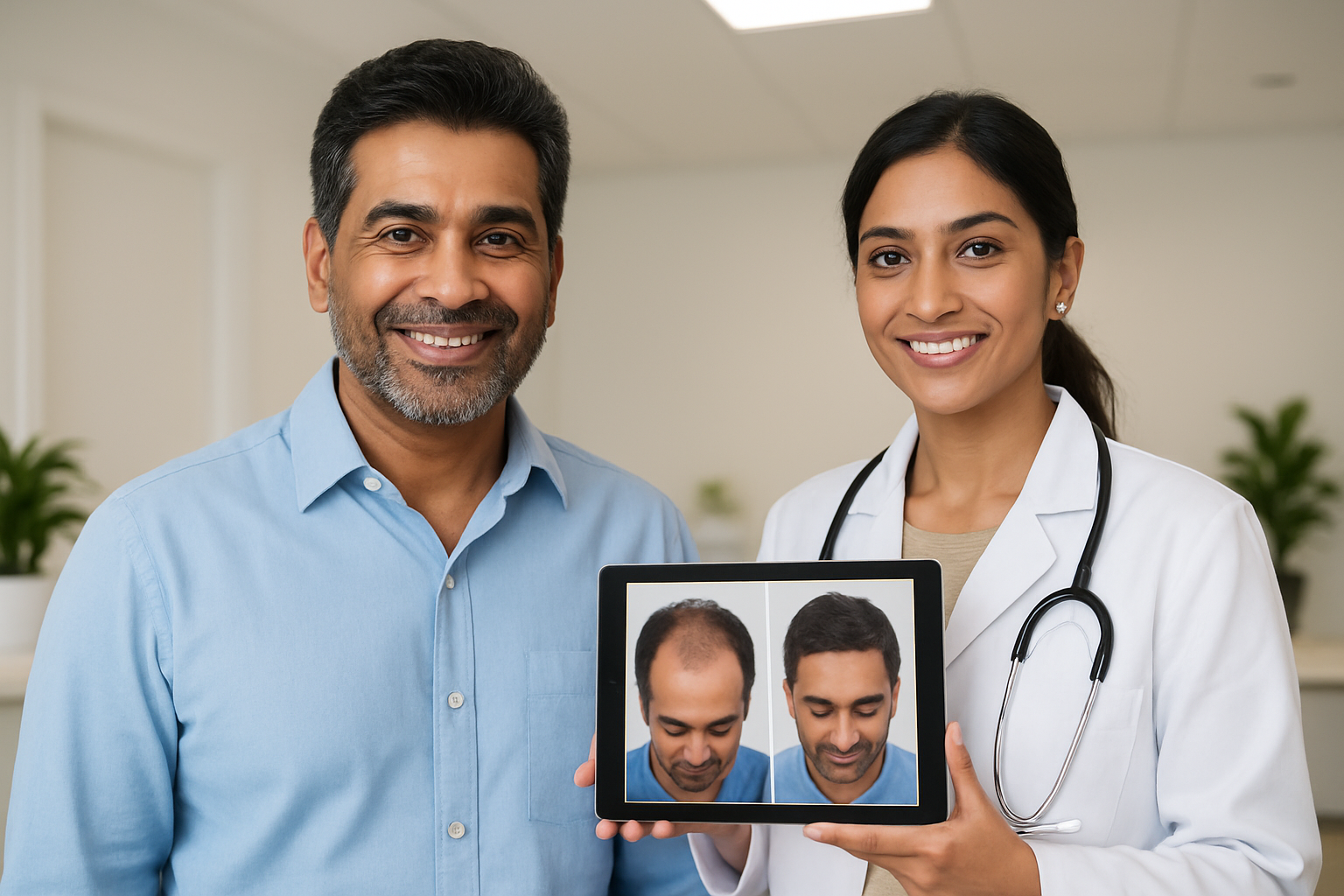
Patients undergoing exosome therapy in India typically see initial hair improvement within 3-4 months, with significant density changes becoming visible by the 6-month mark.
Dr. Rajesh Kumar from Mumbai’s Advanced Hair Institute documented a 42-year-old software engineer who experienced 35% increased hair density after three sessions spaced 4 weeks apart.
The patient’s crown area, previously showing significant thinning, displayed noticeable thickening by month 5.
Timeline expectations vary based on individual hair loss severity:
Months 1-2: Hair shedding may temporarily increase as weak follicles are replaced
Months 3-4: New hair growth becomes visible, appearing fine and soft
Months 5-6: Hair density improvements become clearly noticeable
Months 7-12: Continued thickening and strengthening of existing hair
A 35-year-old marketing professional from Delhi showed remarkable progress photos spanning 12 months. Her frontal hairline, which had receded by 2 centimeters, regained approximately 60% of its original position. The transformation photos revealed not just increased hair count but improved hair quality and shine.
Patient Testimonials and Satisfaction Rates
Indian clinics report satisfaction rates ranging from 78% to 89% among exosome therapy recipients. Priya Sharma, a 29-year-old teacher from Bangalore, shared her experience: “After trying multiple treatments for two years, exosome therapy finally gave me hope. My hairdresser noticed the difference before I did – my ponytail felt thicker around month 4.”
Patient feedback consistently highlights several key benefits:
Reduced hair fall within 6-8 weeks
Improved scalp health and reduced itching
Stronger, more resilient hair strands
Natural-looking results without surgical intervention
Rahul Mehta, 38, from Chennai documented his journey through social media posts. His initial skepticism transformed into enthusiasm when colleagues began commenting on his improved appearance. “The best part was how gradual and natural it looked. Nobody suspected I had any treatment done.”
Women patients particularly appreciate the minimal downtime. Kavya Patel, a working mother from Pune, emphasized how she could return to her regular routine immediately after sessions. Her before-and-after photos show a 40% improvement in hair volume over 8 months.
Clinical Studies and Effectiveness Data from Indian Centers
Leading Indian hair restoration centers have conducted comprehensive studies tracking exosome therapy outcomes. The Hair Sciences Institute in Hyderabad analyzed 312 patients over 18 months, revealing a 73% success rate in halting hair loss progression and 67% showing measurable regrowth.
| Study Parameter | Success Rate | Patient Count |
|---|---|---|
| Hair Loss Reduction | 85% | 265/312 |
| Visible Regrowth | 67% | 209/312 |
| Hair Density Improvement | 73% | 228/312 |
| Patient Satisfaction | 82% | 256/312 |
Dr. Anita Verma’s research at New Delhi’s Premium Hair Clinic tracked 150 patients using standardized photography and hair count measurements.
Results showed average hair density increases of 28% after 6 months and 41% after one year. The study particularly noted effectiveness in androgenetic alopecia cases, with 79% of male patients showing improvement.
Bangalore’s International Hair Research Center published findings on 200 female patients with pattern baldness. Their data revealed that women responded more favorably to exosome therapy than men, with 84% showing positive results compared to 71% in male participants.
Long-term Hair Growth Maintenance Results
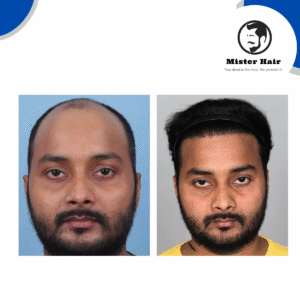
Follow-up studies extending 24 months post-treatment provide encouraging maintenance data. The majority of patients retain 70-80% of their initial gains when following recommended maintenance protocols. Maintenance typically involves quarterly sessions after the initial treatment series.
Long-term success factors include:
Lifestyle modifications: Patients maintaining healthy diets and managing stress show better retention rates
Consistent maintenance treatments: Quarterly exosome sessions help sustain results
Combination therapies: Patients using supportive treatments like PRP or laser therapy maintain gains longer
Early intervention: Those beginning treatment in early hair loss stages achieve more durable results
A 5-year follow-up study from Mumbai’s Elite Hair Center tracked 89 patients. Results showed 68% maintained significant hair improvement, 24% experienced partial regression requiring additional sessions, and only 8% returned to pre-treatment status.
The data suggests exosome therapy provides lasting benefits when combined with appropriate maintenance protocols. Patients who received treatment 3-4 years ago continue reporting satisfaction with their hair appearance and density levels significantly above their starting point.
Choosing the Right Clinic and Specialist in India

Top-rated clinics offering exosome therapy nationwide
Delhi’s medical landscape features Fortis Healthcare and Max Super Speciality Hospital, both investing heavily in advanced hair restoration technologies.
These clinics typically house specialized trichology units with experienced dermatologists who’ve undergone specific training in exosome therapy protocols.
Bangalore has emerged as a hub for innovative treatments, with Manipal Hospitals and Narayana Health offering comprehensive exosome programs.
The city’s tech-savvy environment has attracted younger, research-oriented practitioners who stay updated with the latest developments in regenerative medicine.
Chennai’s Apollo Hospitals branches maintain excellent track records in exosome therapy, while Hyderabad’s KIMS Hospitals has developed specialized protocols for hair loss treatment using patient-derived exosomes.
Pune and Ahmedabad are gaining recognition, with several boutique clinics focusing exclusively on aesthetic and regenerative treatments. These smaller facilities often provide more personalized care and competitive pricing while maintaining high treatment standards.
Credentials and qualifications to look for in practitioners
Your practitioner should hold an MBBS degree followed by specialized training in dermatology, plastic surgery, or trichology.
Board certification from recognized medical councils like the Medical Council of India (MCI) or Indian Association of Dermatologists, Venereologists and Leprologists (IADVL) indicates proper medical training.
Look for doctors with fellowship programs in regenerative medicine or aesthetic dermatology from reputable institutions.
International certifications from organizations like the International Society of Hair Restoration Surgery (ISHRS) or American Board of Hair Restoration Surgery add credibility to their expertise.
Research publications in peer-reviewed journals demonstrate the doctor’s commitment to advancing the field. Practitioners who present at medical conferences or contribute to exosome therapy research typically stay current with evolving techniques and safety protocols.
Experience matters significantly. Seek doctors who’ve performed at least 100+ exosome procedures and can provide before-and-after documentation of their cases. Those involved in clinical trials or research studies often possess deeper understanding of treatment nuances.
Training certifications from exosome therapy manufacturers or specialized institutes validate the practitioner’s technical competence. Many reputable doctors complete hands-on workshops and certification programs before offering these treatments to patients.
Questions to ask during your consultation
Start by asking about the source of exosomes used in treatment. Reputable clinics use either autologous exosomes (derived from your own cells) or carefully screened allogeneic sources. Understanding the origin helps you evaluate safety and potential effectiveness.
Inquire about the isolation and processing methods. Professional facilities use standardized protocols with proper quality control measures. Ask to see their laboratory certifications and processing equipment if possible.
Treatment protocols vary significantly between practitioners. Ask how many sessions they recommend, the interval between treatments, and what results you can realistically expect within specific timeframes. Be wary of practitioners promising dramatic results after just one session.
Discuss potential side effects and complications thoroughly. Honest practitioners will explain possible risks, even though exosome therapy is generally safe. They should also outline their emergency protocols and follow-up procedures.
Ask about success rates with cases similar to yours. Request to see documented results from patients with comparable hair loss patterns and severity. Legitimate practitioners maintain comprehensive case studies and patient photographs.
Cost breakdowns should be transparent. Ask for detailed pricing that includes all sessions, follow-up visits, and any additional treatments they might recommend. Hidden costs often surface later if not discussed upfront.
Red flags to avoid when selecting treatment providers
Unrealistic promises represent the biggest warning sign. Be extremely cautious of practitioners guaranteeing complete hair regrowth or claiming exosome therapy works for everyone. Legitimate doctors discuss realistic expectations based on individual cases.
Lack of proper credentials should immediately disqualify any provider. Avoid practitioners without proper medical degrees or those operating outside their specialty scope. Non-medical professionals offering exosome treatments pose serious safety risks.
Pressure tactics during consultations indicate profit-driven motives rather than patient care. Reputable practitioners encourage patients to take time for decision-making and often provide second opinions or additional consultations.
For More Information Contact Us : 91 7338671338
Extremely low prices compared to market standards often indicate compromised quality. While cost considerations matter, suspiciously cheap treatments might involve substandard exosome sources, improper processing, or inadequate safety measures.
Unwillingness to provide references or case studies suggests limited experience or poor results. Professional practitioners proudly share their success stories and connect potential patients with previous clients when requested.
Inadequate facilities lacking proper sterile environments or modern equipment compromise treatment safety and effectiveness. Exosome therapy requires sophisticated laboratory setups and sterile processing capabilities that budget facilities might not maintain.

Conclusion :
Exosome therapy has emerged as a game-changing solution for hair loss, offering hope to millions struggling with thinning hair and balding. From the advanced treatment process to impressive patient outcomes, India has positioned itself as a leading destination for this cutting-edge therapy.
The cost-effectiveness compared to Western countries, combined with world-class medical expertise, makes it an attractive option for both domestic and international patients seeking real results.
If you’re considering exosome therapy for your hair loss concerns, take the time to research qualified clinics and experienced specialists who can guide you through the process.
The success stories speak for themselves, but your journey begins with choosing the right medical team who understands your specific needs. Don’t let hair loss hold you back – explore how exosome therapy could be the solution you’ve been searching for.
For More Information Contact Us :