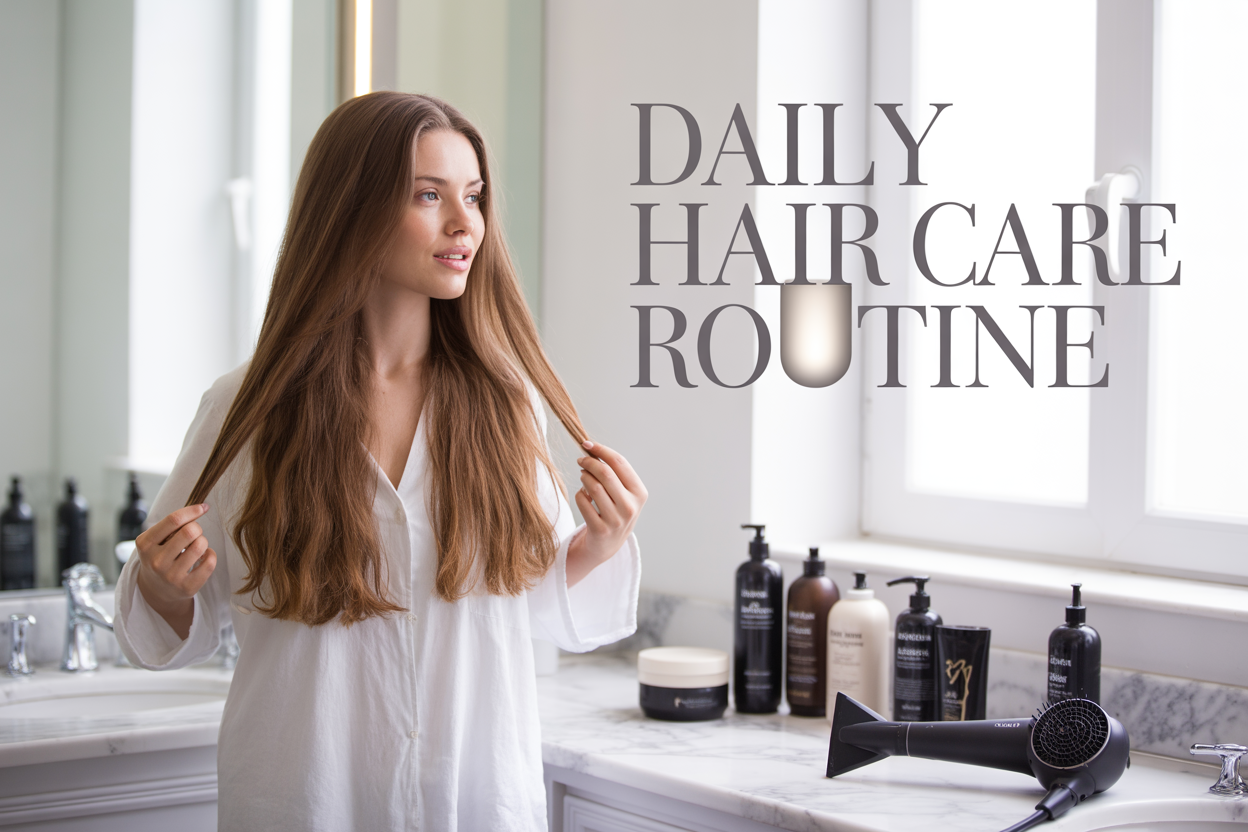
Healthy, strong hair starts with the right daily hair care routine. If you’re tired of dealing with breakage, dryness, or lackluster locks, establishing consistent habits can transform your hair’s health and appearance.
This guide is perfect for anyone looking to build stronger hair – from beginners just starting their hair care journey to those ready to upgrade their current routine. You’ll discover how to create a simple yet effective daily system that fits your lifestyle and hair type.
We’ll walk through the foundation of proper daily hair washing techniques that won’t strip your strands, plus show you how to lock in moisture with conditioning methods that actually work.
You’ll also learn protective strategies for heat styling and discover weekly intensive treatments that give your hair that extra boost it needs to stay resilient and beautiful.
Master the Foundation of Daily Hair Washing
Choose Sulfate-Free Shampoo for Your Hair Type
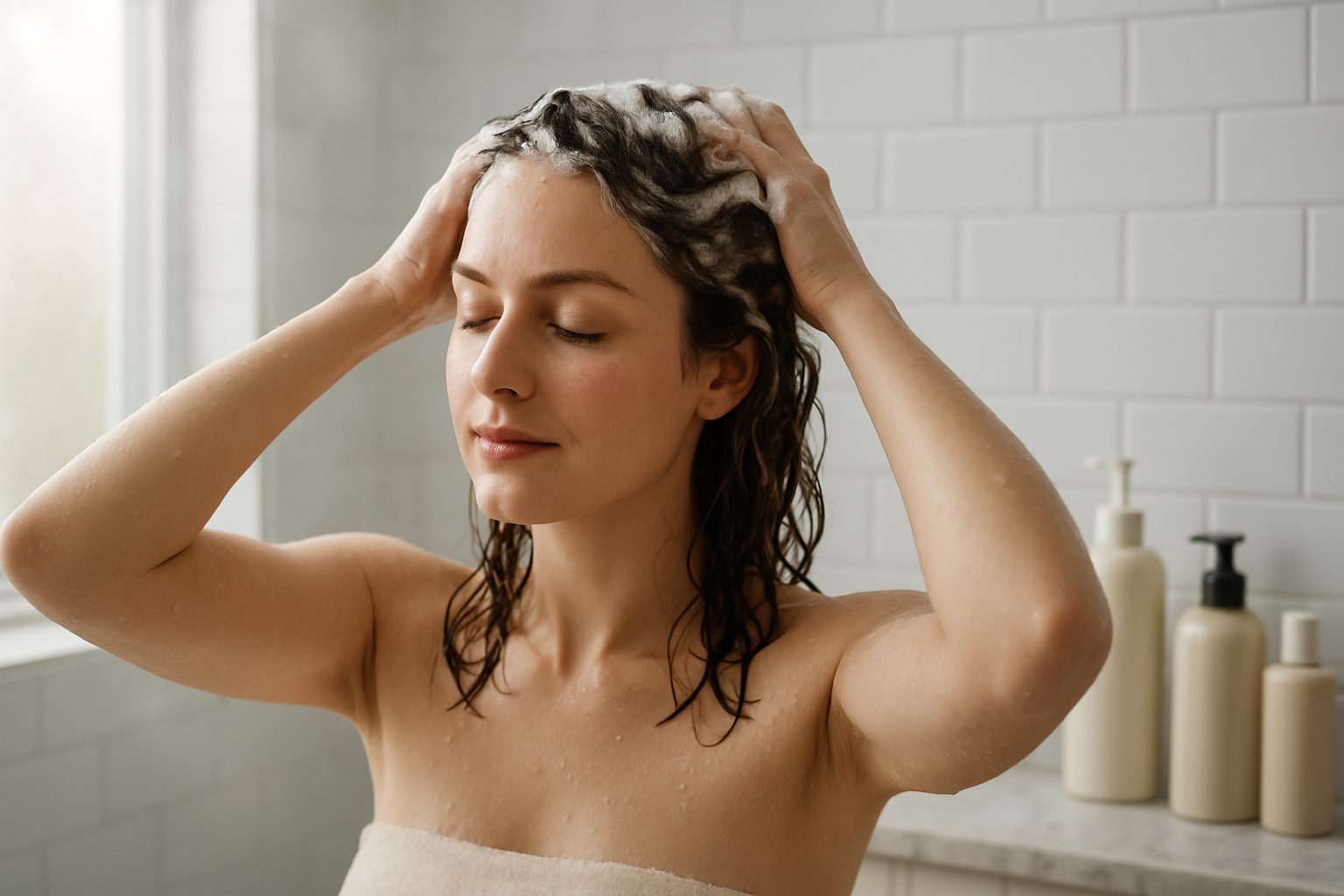
Selecting the right shampoo forms the cornerstone of any effective hair care routine, and sulfate-free formulations offer superior benefits for maintaining hair strength and manageability.
Sulfates are harsh cleansing agents known to cause frizz and make your tresses difficult to manage, particularly for those with textured or chemically-treated hair.
When you eliminate sulfates from your washing routine, you preserve your hair’s natural protective barriers while still achieving thorough cleansing.
The key to maximizing your shampoo’s effectiveness lies in choosing products specifically formulated for your unique hair type.
Whether you have fine, thick, curly, or color-treated hair, using a targeted sulfate-free shampoo ensures your strands receive the precise care they need without unnecessary damage.
These specialized formulations work to cleanse your scalp and hair while maintaining the delicate balance of natural oils that keep your hair healthy and strong.
Limit Washing to 2-3 Times Per Week to Preserve Natural Oils
Understanding the proper washing frequency is crucial for developing stronger hair over time. Washing your hair every day is not healthy, especially if you have thick or curly hair, as this practice strips your hair and scalp of their natural oils and proteins.
This overwashing leads to dryness, brittleness, and compromised hair strength that can result in breakage and damage.
The optimal washing schedule involves limiting your washes to two to three times per week, depending on how oily your hair gets.
This frequency allows your scalp’s natural sebum production to nourish and protect your hair shaft while preventing the accumulation of excess oil and product buildup.
By reducing your washing frequency, you give your hair the opportunity to maintain its natural moisture balance, resulting in stronger, more resilient strands.
Use Dry Shampoo Between Washes to Control Oil
On days when you skip the shower, dry shampoo becomes your most valuable tool for maintaining fresh-looking hair while preserving those essential natural oils.
This product effectively absorbs excess oil at the roots, extending the time between washes without compromising your hair’s appearance or health.
The proper application technique involves spritzing just enough product on your roots to soak up the oil without creating buildup or residue. Focus on the areas where oil tends to accumulate most, typically around the crown and hairline, and work the product through with your fingertips for even distribution.
For More Information Contact Us : 91 7338671338
This strategic use of dry shampoo helps maintain the delicate balance between cleanliness and natural oil preservation that forms the foundation of stronger hair.
Lock in Moisture with Proper Conditioning Techniques
Apply Regular Conditioner from Mid-Length to Tips
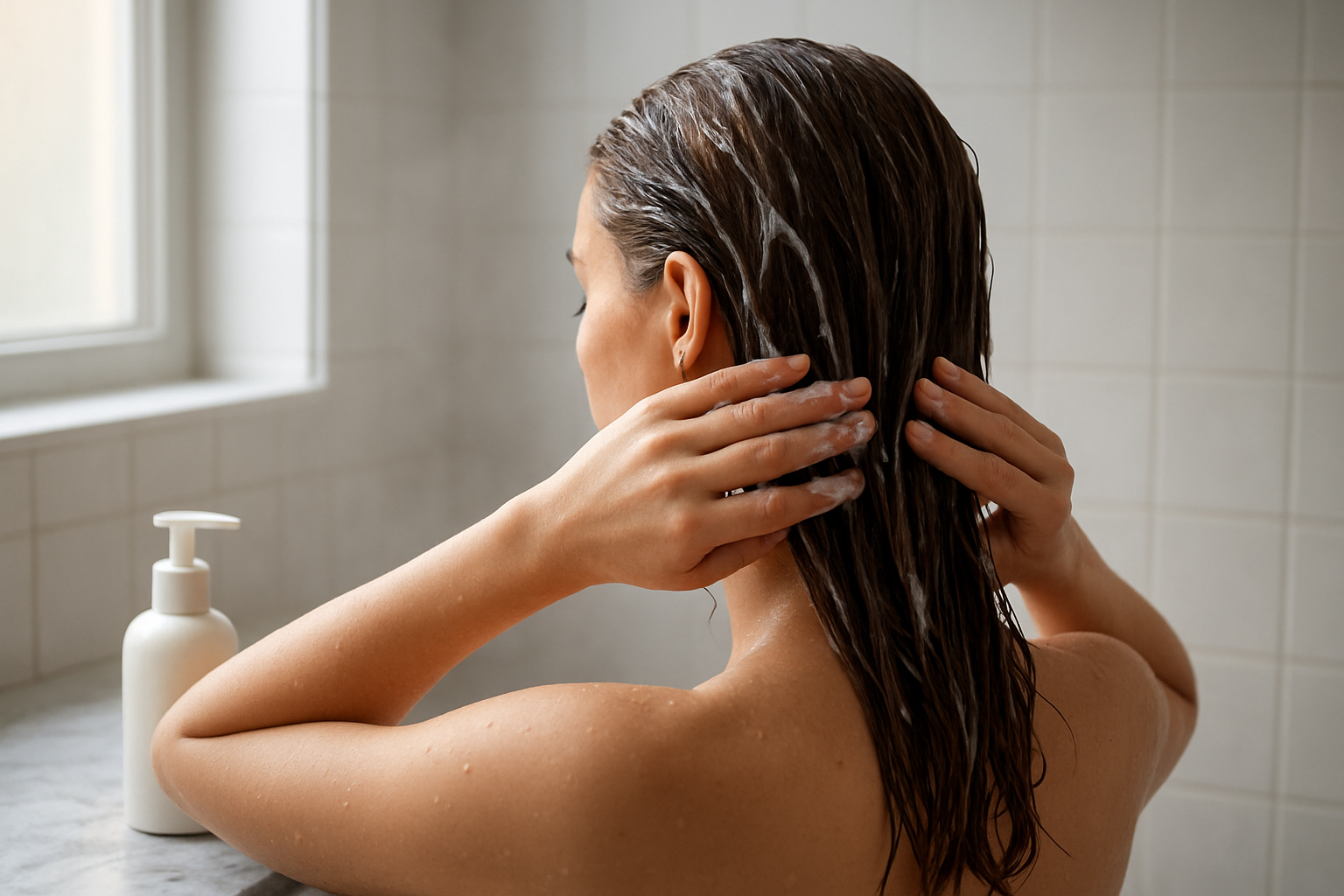
Now that we have covered the foundation of proper washing, the next crucial step involves strategic conditioner application. Conditioner serves as an essential component in your daily routine, regardless of your specific hair type.
Its primary function centers on locking in vital moisture while simultaneously smoothing down troublesome frizz and flyaway strands that can detract from your hair’s overall appearance.
The key to effective conditioning lies in precise application technique. Use just enough product to thoroughly coat the length of your hair strands, ensuring complete coverage from the mid-length area all the way down to the very tips.
This targeted approach maximizes the conditioning benefits where your hair needs them most – the older, more damaged portions of your strands that have been exposed to environmental stressors and daily manipulation.
Add Leave-in Conditioner for Extra Hydration and Protection
With proper rinse-out conditioning established, those with specific hair concerns should consider incorporating leave-in conditioner into their regimen.
This additional step proves particularly beneficial if you have naturally dry hair or frequently engage in styling and dyeing practices that can compromise your hair’s integrity.
Leave-in conditioner provides continuous moisturization throughout the day, creating a protective barrier that makes hair appear noticeably shinier and healthier.
The application process requires careful timing – apply the leave-in product exclusively on damp hair immediately after washing, when the hair cuticles remain slightly open and most receptive to moisture absorption.
Avoid Root Application to Prevent Scalp Oiliness
Previously, I’ve emphasized the importance of strategic product placement, and this principle becomes especially critical with conditioning treatments.
For More Information Contact Us : 91 7338671338
Unless your hair exhibits extreme dryness throughout its entire length, avoid applying conditioner directly to your roots and scalp area. This careful avoidance prevents your scalp from developing excess oil production, which can lead to faster re-oiling and a greasy appearance.
Mister hair When applying leave-in conditioner, maintain this same principle by keeping the product away from your roots and focusing application only on the hair strands themselves.
This technique ensures your scalp remains clean and oil-free while still providing the necessary hydration and protection to the areas of your hair that require the most attention and care.
Protect Your Hair During Heat Styling
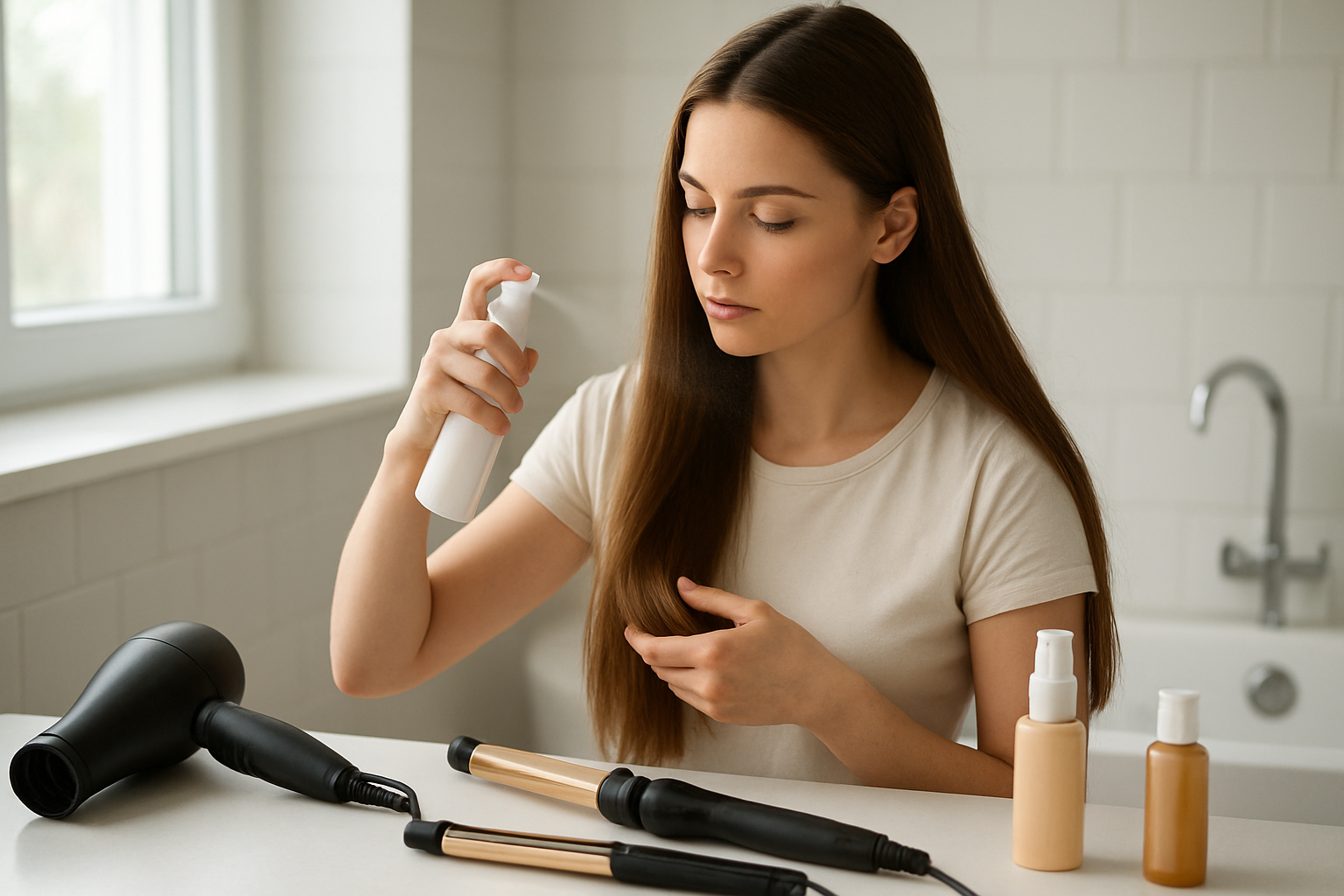
Apply Heat Protectant Before Using Any Styling Tools
Now that we have covered proper conditioning techniques, the next crucial step in maintaining stronger hair is establishing a protective barrier before heat styling.
After applying your leave-in conditioner but before using your styling tools, coat your hair strands with some heat protectant. This timing is essential – the leave-in conditioner provides moisture, while the heat protectant creates a defensive shield against thermal damage.
Heat protectants act as a protective barrier between your hair and the hot styling tool, preventing the strands from drying out, getting fried, and becoming dull.
This invisible shield is your hair’s first line of defense against the intense temperatures that can reach up to 450°F in many styling tools.
Without this protection, direct heat exposure causes the hair’s moisture to evaporate rapidly, leading to brittle, damaged strands that are prone to breakage.
The application process requires thorough coverage from roots to tips, ensuring every strand receives adequate protection. Focus particularly on the mid-lengths and ends of your hair, as these areas are typically the most damaged and vulnerable to heat exposure.
Choose High-Quality Tools to Minimize Damage
With this in mind, next, we’ll examine how the quality of your styling tools directly impacts hair health. You can straighten or curl your hair without damage as long as you use a good heat protectant and high-quality tools.
The combination of these two elements creates an optimal environment for safe heat styling.
High-quality styling tools distribute heat more evenly across their surfaces, preventing hot spots that can cause concentrated damage to specific areas of your hair.
These professional-grade tools also offer better temperature control, allowing you to select the lowest effective heat setting for your hair type and texture.
Maintain Protective Barrier Against Heat Damage
Previously, I’ve emphasized the importance of initial heat protectant application, but maintaining this protective barrier throughout your styling routine is equally critical.
The heat protectant works continuously during the styling process, but its effectiveness can be compromised if you over-work the same sections repeatedly or use excessive heat.
The protective barrier created by quality heat protectants and tools working together ensures that your hair maintains its natural moisture balance and structural integrity, allowing you to achieve your desired styles while preserving hair strength and preventing long-term damage.
Optimize Your Hair Drying Method
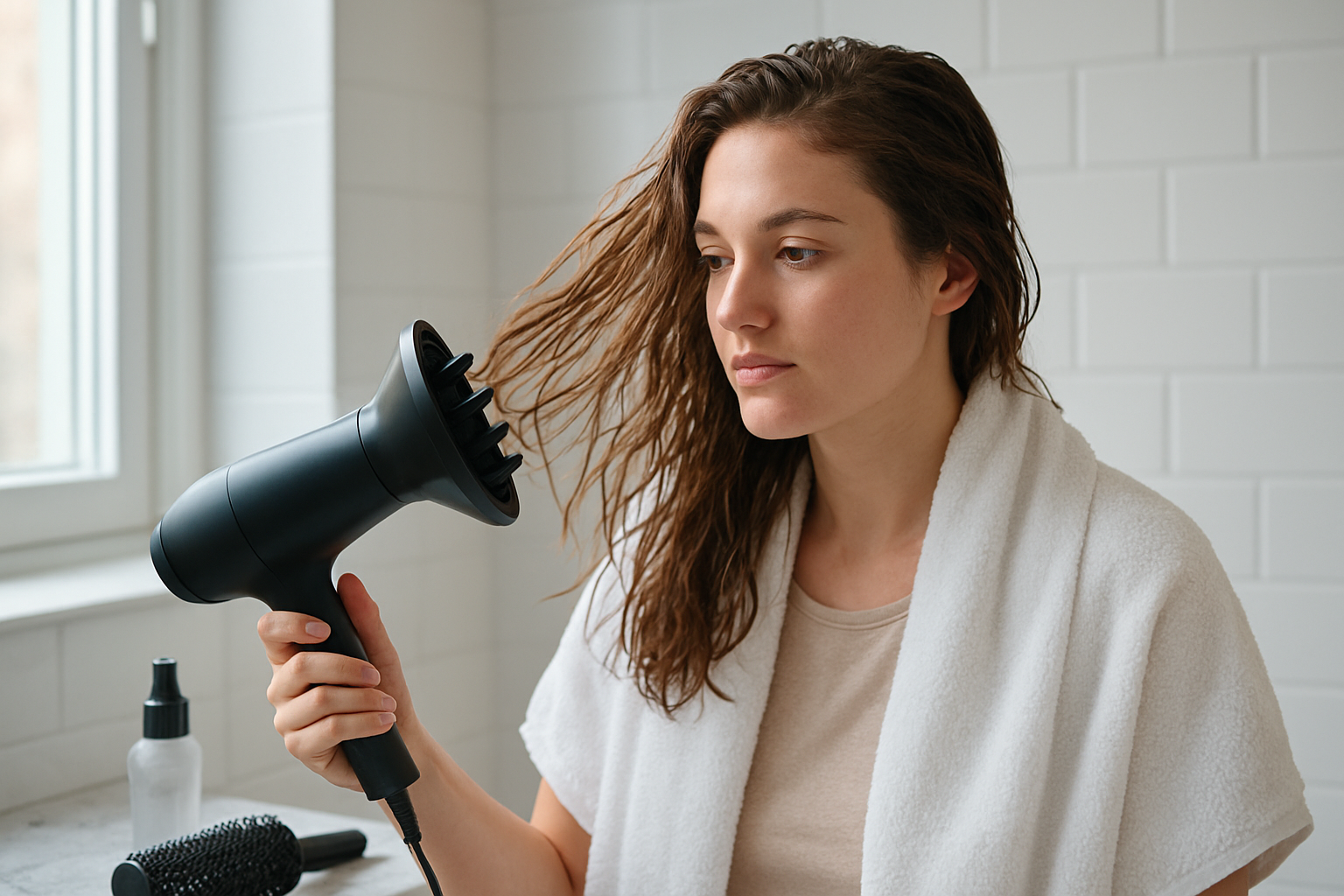
Air-Dry 70-80% Before Using Heat Tools
The strategic combination of air-drying and heat styling represents the optimal approach to hair drying for maximum strength retention.
Rather than immediately reaching for your blow dryer after washing, allowing your hair to air-dry 70 to 80 percent of the way first creates a protective foundation for the heat styling process.
This method significantly reduces the total exposure time to hot air, which is one of the primary contributors to hair damage and breakage.
During the air-drying phase, your hair’s natural moisture content gradually decreases without the aggressive intervention of heated tools. This gentle reduction in moisture content helps preserve the hair’s structural integrity while preparing it for the final styling phase.
The remaining 20-30% moisture content provides the ideal starting point for efficient blow-drying, as the hair dryer can quickly complete the drying process without extended heat exposure.
Use Ionic Hair Dryers for Faster, Gentler Drying
Previously, we’ve established the importance of minimizing heat exposure during the drying process. With this in mind, investing in an ionic hair dryer becomes essential for damage-prone tresses.
Ionic technology fundamentally transforms the hair drying experience by targeting water molecules at a molecular level.
These specialized dryers work by breaking down water droplets more efficiently than conventional models, resulting in significantly faster evaporation.
For More Information Contact Us : 91 7338671338
he ionic process accelerates moisture removal while simultaneously reducing the temperature and time requirements for complete drying. This dual benefit means your hair experiences less heat stress while achieving professional-quality results.
For individuals with particularly fragile or chemically-treated hair, ionic dryers provide an invaluable protective advantage.
The technology’s ability to evaporate water droplets faster directly translates to reduced heat exposure time, which dramatically decreases the likelihood of thermal damage, split ends, and moisture loss that commonly occurs with traditional drying methods.
Avoid Cotton Towels to Reduce Friction Damage
Now that we have covered the technical aspects of heat drying, it’s crucial to address the preliminary drying phase that occurs immediately after washing.
The choice of drying material plays a surprisingly significant role in hair health and strength maintenance. Cotton towels, despite their widespread use and absorbent properties, create substantial friction against wet hair strands.
When hair is wet, it exists in its most vulnerable state, with the hair cuticles raised and the overall structure softened by moisture absorption.
The rough texture of cotton fibers creates microscopic friction points that can catch and pull on individual hair strands, leading to mechanical damage that accumulates over time. This friction-induced damage manifests as increased breakage, split ends, and overall hair weakness.
The repetitive rubbing motion commonly used with cotton towels exacerbates this problem, as the back-and-forth movement creates additional stress on the hair shaft.
Instead of vigorous rubbing, gentle pressing or squeezing motions with alternative materials can effectively remove excess water without compromising hair integrity or undermining the careful washing and conditioning steps that preceded the drying process.
Enhance Your Routine with Weekly Intensive Treatments
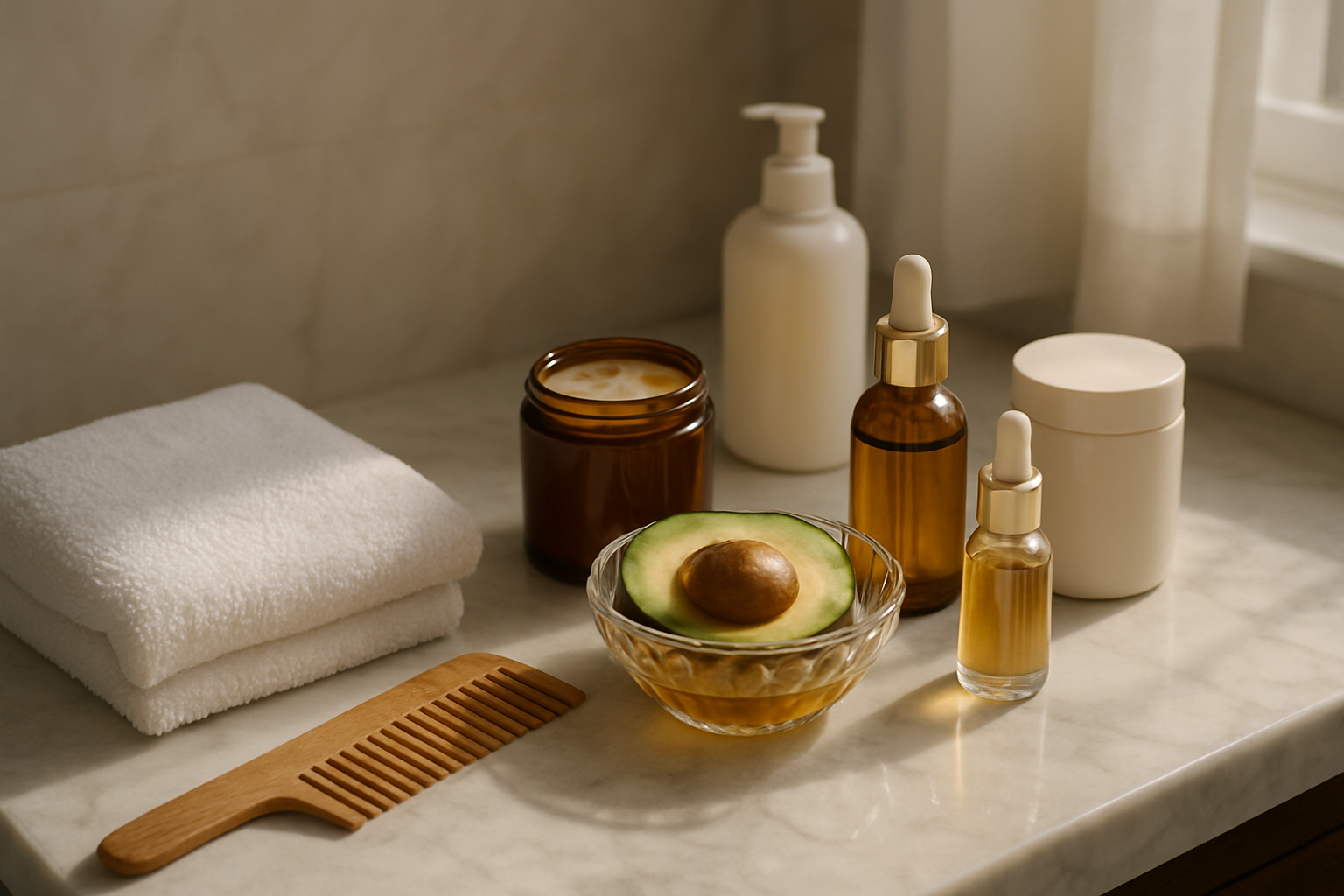
Deep Condition Weekly for Maximum Nourishment
Now that we have covered the daily essentials of your hair care routine, it’s time to elevate your regimen with weekly intensive treatments that deliver transformative results.
Deep conditioners, including hair masks and specialized hair treatments, serve as powerful allies in your quest for stronger, healthier hair.
These concentrated formulations are meticulously loaded with proteins and essential nutrients that penetrate deeply into your hair shaft, providing nourishment that goes far beyond what daily conditioning can achieve.
The remarkable benefits of incorporating a weekly deep conditioning treatment are immediately apparent in your hair’s appearance and texture.
Regular use will transform your tresses, making them ultra-soft, brilliantly shiny, bouncy, and radiantly healthy-looking.
The concentrated proteins work to repair damaged hair cuticles and strengthen the hair structure from within, while the rich nutrients replenish what daily styling and environmental stressors have depleted.
Massage Hair Oils for Root-to-Tip Hydration
Previously, I’ve emphasized the importance of moisture in maintaining hair strength, and hair oils represent one of the most effective methods for achieving maximum hydration.
These natural elixirs are packed with essential vitamins and fatty acids that breathe new life into your hair, providing comprehensive nourishment that travels from root to tip.
The application technique is crucial for maximizing the benefits of hair oil treatments. Gently massage the oil onto your scalp and roots for several minutes, allowing the nutrients to penetrate deeply into the hair follicles and stimulate healthy circulation.
This massage not only enhances nutrient absorption but also promotes relaxation and stress relief. The vitamins and fatty acids present in quality hair oils work synergistically to restore moisture balance, repair damage, and create a protective barrier that shields your hair from future harm.
Choose Products Formulated for Your Specific Hair Type
With this in mind, the effectiveness of your weekly intensive treatments hinges significantly on selecting products that are specifically formulated for your unique hair type.
Look for deep conditioning hair treatments that acknowledge and address the particular needs of your hair, whether it’s fine, thick, curly, straight, chemically treated, or naturally textured.
Hair type-specific formulations ensure that your hair receives precisely the nourishment it needs without overwhelming or under-delivering results.
Fine hair requires lightweight treatments that won’t weigh it down, while thick or coarse hair benefits from richer, more intensive formulations that can penetrate effectively through dense hair structure
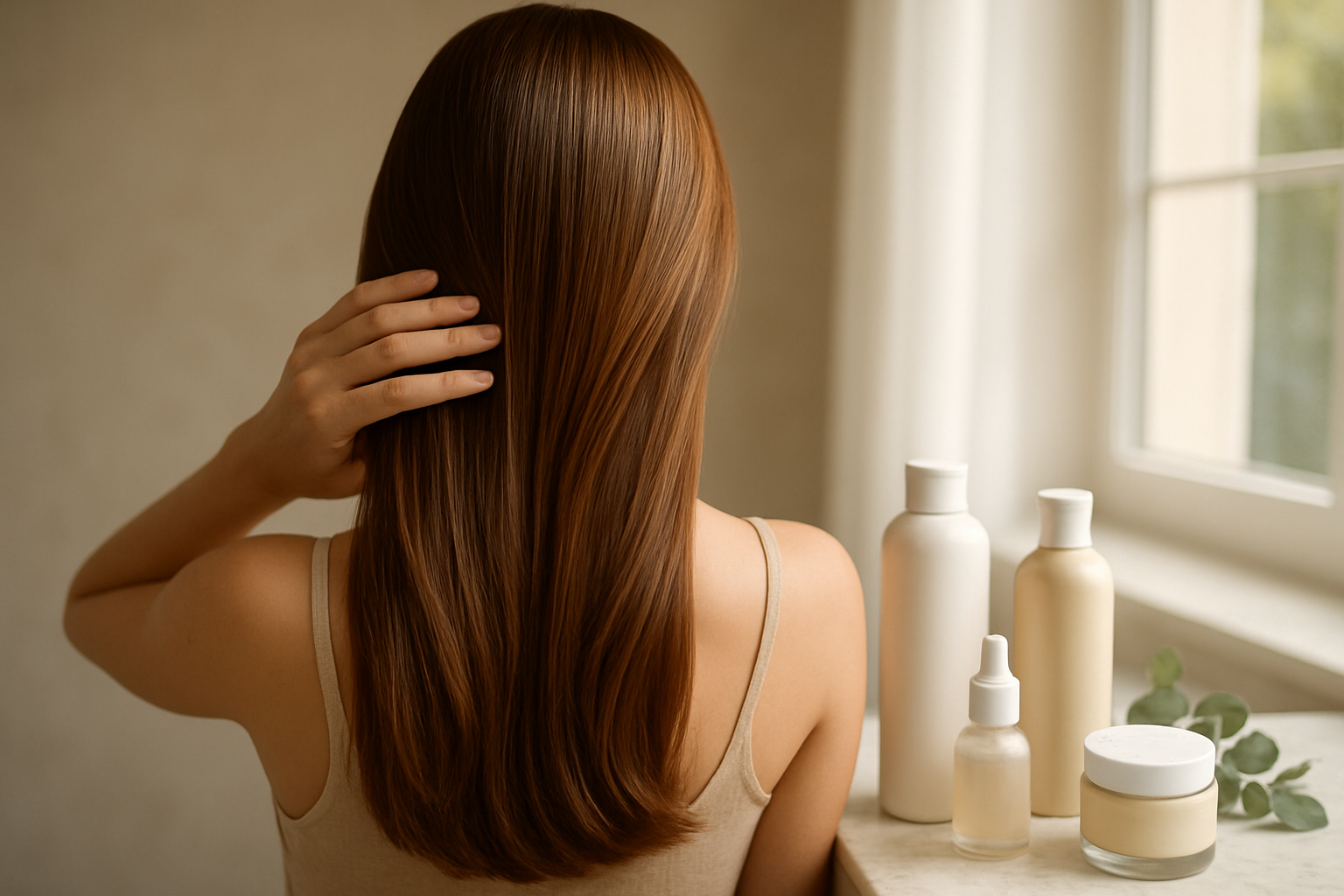
Just like with skincare, consistency is key to seeing real results in your hair care routine. Supplement these daily and weekly practices with healthy habits like getting enough sleep and maintaining a balanced diet to nourish your hair from the inside out.
Your hair deserves the same level of care and attention you give your skin, and with this structured approach, you’ll be well on your way to achieving the stronger, healthier hair you’ve been seeking.