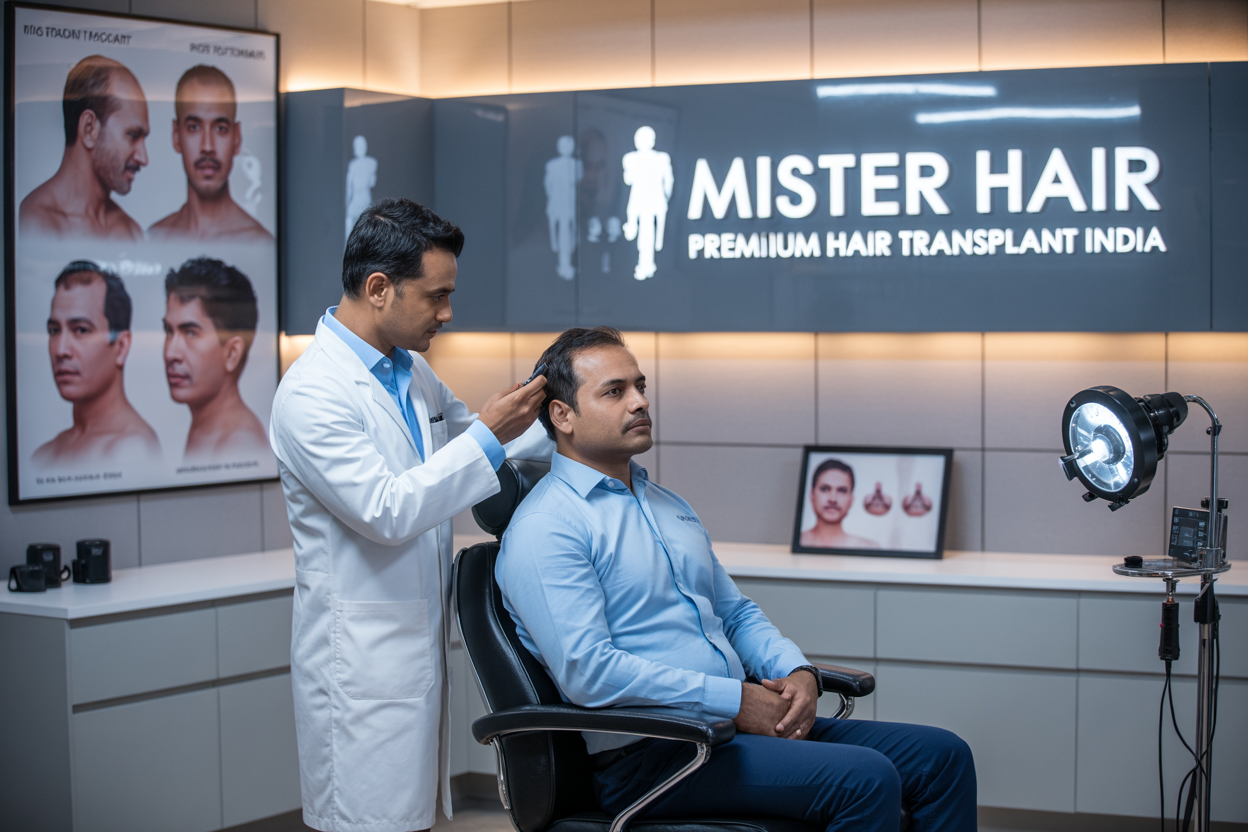
Mysore — the City of Palaces — is not only a cultural jewel of Karnataka but is now emerging as a rising hub for advanced hair transplant treatments in South India. With modern medical infrastructure, experienced surgeons, and patient-friendly pricing, Mysore’s hair transplant clinics are helping people regain their natural hairlines with confidence.
If you’ve been searching for the best hair transplant clinic in Mysore, this comprehensive guide covers everything you need to know — from FUE and DHI techniques to cost, recovery, before-after results, and why Mister Hair Clinic Mysore is considered one of India’s top destinations for hair restoration.
Why Choose a Hair Transplant in Mysore?
Hair loss, receding hairlines, and baldness are no longer issues that only affect older generations. Stress, pollution, genetics, and modern lifestyles have led to early hair thinning — even among young adults.
Here’s why more people are now choosing Mysore for hair transplantation:
1. World-Class Facilities
Mysore’s leading clinics, like Mister Hair, are equipped with international-grade FUE and DHI technologies, offering natural, scar-free results.
2. Affordable Cost
Compared to major cities like Bengaluru or Mumbai, hair transplant prices in Mysore are significantly more affordable while maintaining premium quality.
3. Expert Hair Transplant Doctors
Mysore has access to board-certified trichologists and transplant surgeons who specialize in precise follicular graft placement and natural hairline design.
Call / WhatsApp: 73386 71338
4. Quiet, Comfortable Environment
Unlike crowded metros, Mysore offers a peaceful environment ideal for post-procedure recovery and relaxation.
What Is a Hair Transplant?
A hair transplant is a surgical method where healthy hair follicles are taken from a donor site (usually the back of your scalp) and transplanted into bald or thinning areas. It’s the only permanent and natural solution for hair loss, especially for those struggling with male or female pattern baldness. Modern procedures are minimally invasive, quick-healing, and produce long-lasting results.
Techniques Used by Hair Transplant Clinics in Mysore
The best hair transplant clinics in Mysore use cutting-edge techniques to deliver natural and lasting results.
| Technique | Description | Healing Time | Best For |
|---|---|---|---|
| FUE (Follicular Unit Extraction) | Individual follicle extraction; no linear scar | 5–7 days | Most patients |
| DHI (Direct Hair Implantation) | Follicles implanted directly using implanter pens | 3–5 days | Hairline & temple design |
| Sapphire FUE | Uses sapphire blades for micro incisions | 4–5 days | Quick healing, premium density |
| QHT (Quick Healing Transplant) | Exclusive technique at Mister Hair | 3 days | Fastest recovery, strong graft survival |
Each technique ensures minimal pain, natural density, and no visible scarring — ideal for both men and women.
Step-by-Step: The Hair Transplant Procedure in Mysore
At a modern clinic like Mister Hair Mysore, your journey includes personalized attention at every stage:
1. Consultation & Scalp Diagnosis
A trichologist evaluates your hair loss pattern, donor density, and medical history.
2. Hairline Design & Planning
Customized to your face shape for a natural appearance.
3. Graft Extraction
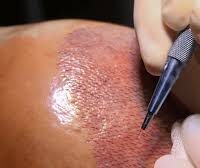
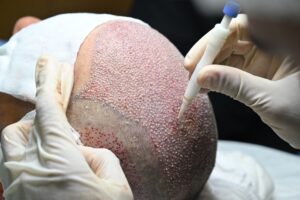
Using micro-punch tools (<1mm), follicles are extracted painlessly from the donor area.
4. Graft Implantation
Each follicle is implanted at precise angles and directions to mimic natural growth.
5. Recovery & Aftercare
Mild swelling and redness fade within a few days, and normal activities resume in 3–5 days.
Note: Clinics like Mister Hair Mysore provide customized packages and a graft analysis for accurate pricing.
What Results Can You Expect?
The results of a hair transplant depend on proper technique and post-procedure care — both of which are core strengths of Mysore’s best clinics.
Timeline of Results:
| Period | Progress |
|---|---|
| Week 1 | Scalp heals; minor redness fades. |
| Month 1–3 | Temporary shedding (shock loss). |
| Month 4–6 | Visible new growth begins. |
| Month 9–12 | Dense, natural results appear. |
| Month 12+ | Full natural coverage achieved. |
Patients typically enjoy 90–95% or higher graft survival — with grafts stored in HypoThermosol solution that preserves up to 98% follicle viability — and long-term, natural-looking results.
Before and After Results
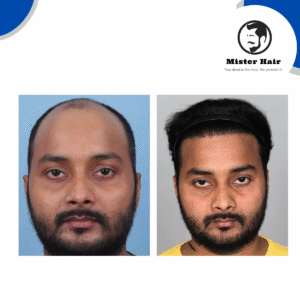
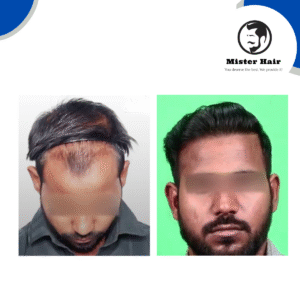
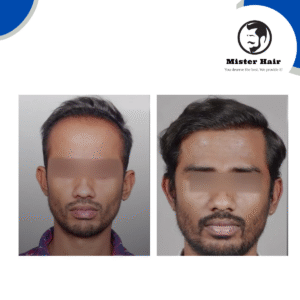
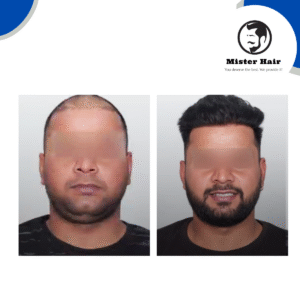
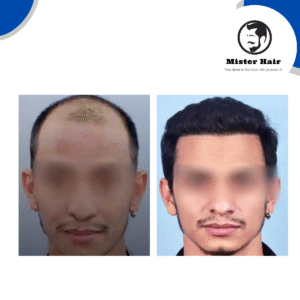
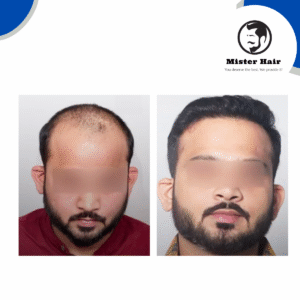
Clinics like Mister Hair Mysore showcase stunning before-and-after transformations that demonstrate the power of advanced FUE and DHI methods.
Before: Receding hairline and crown baldness
After: Thick, natural growth and improved confidence

Call / WhatsApp: 73386 71338
Advanced Hair Restoration Treatments in Mysore
Beyond transplants, leading clinics offer supportive therapies to strengthen follicles and prevent future hair loss:
PRP (Platelet-Rich Plasma)
Boosts healing and strengthens hair roots with natural growth factors.
QR678® Therapy
A non-surgical growth factor treatment that revives weak follicles.
Exosome Therapy
Regenerative treatment for scalp rejuvenation.
Laser Hair Stimulation
Low-level laser therapy to enhance blood circulation and follicle activation.
Post-Transplant Care: Ensuring Long-Lasting Results
Your care routine determines how well your transplanted hair grows.
Aftercare Tips:
1. Avoid washing your scalp for 48 hours post-surgery.
2. Use only doctor-prescribed shampoos.
3. Sleep with your head elevated for 3–4 days.
4. Avoid direct sun, sweating, and helmets for a week.
5. Attend follow-up PRP sessions as advised.
Who Is the Right Candidate?
You’re an ideal candidate if you:
✅ Have stable donor hair density.
✅ Experience pattern baldness or thinning.
✅ Are over 21 years old.
✅ Are in good health and a non-smoker.
Hair transplants in Mysore are effective for both men and women, including those seeking beard or eyebrow transplants.
Call / WhatsApp: 73386 71338
Best Hair Transplant Clinics in Mysore

Here are some trusted names for advanced hair restoration in Mysore:
1. Mister Hair Clinic Mysore
A top-rated, technology-driven clinic specializing in FUE, DHI, and Sapphire FUE with global expertise.
Why Choose Mister Hair Mysore:
- 1,500+ successful transplants
- Proprietary QHT (Quick Healing Transplant) technology
- Highly experienced transplant doctors
- 90–95%+ graft survival rate (HypoThermosol storage preserves up to 98% follicle viability)
- Transparent pricing with no hidden charges
- Personalized aftercare programs
Call / WhatsApp: 73386 71338
Schedule Consultation: Mister Hair Mysore Website
2. Hairtran Clinic Mysore
Known for personalized care, modern techniques, and affordable packages for both men and women.
3. Mysore Hair Klinik
Offers a combination of surgical and non-surgical hair restoration methods including PRP and Exosome therapy.
Reviews & Testimonials
⭐ “Mister Hair Clinic Mysore changed my life — my hairline looks completely natural!”
⭐ “I had zero pain and quick recovery after my DHI transplant.”
⭐ “The staff and doctors were so professional; I’d recommend them to anyone facing hair loss.”
Comparing Mysore to Other Cities
| City | Average Cost | Techniques Available | Special Features |
|---|---|---|---|
| Mysore | ₹50,000–₹2,00,000 | FUE, DHI, Sapphire FUE | Affordable, calm recovery environment |
| Bangalore | ₹60,000–₹2,60,000 | FUE, DHI, QHT | Premium metro facilities |
| Chennai | ₹60,000–₹2,20,000 | FUE, DHI | Renowned for experience |
| Thailand (Bangkok) | ₹1,00,000–₹4,00,000 | FUE, Sapphire FUE | International medical tourism |
Mysore offers the same level of precision and expertise as major cities or even international clinics — but at far more affordable rates.
FAQs – Hair Transplant in Mysore
Q1. Is hair transplant in Mysore safe?
Yes, when performed by certified surgeons at reputable clinics like Mister Hair, it’s a safe, well-established procedure.
Q2. How long does the procedure take?
Typically 4–8 hours depending on graft count.
Q3. Are results permanent?
Yes, transplanted follicles are DHT-resistant and grow for life.
Q4. How painful is the procedure?
With modern FUE and QHT methods, the surgery is virtually painless.
Q5. When can I return to work?
Most patients resume work within 3–5 days.
Final Thoughts
If you’re experiencing hair thinning or baldness, getting a hair transplant in Mysore is one of the smartest decisions you can make. With advanced FUE and DHI technologies, experienced doctors, and affordable packages, clinics like Mister Hair Mysore deliver natural, permanent, and painless results that restore both your hair and confidence.
Book your consultation today with Mister Hair Clinic Mysore — where technology meets artistry in hair restoration.
Call / WhatsApp: 73386 71338
Schedule Online Consultation → Mister Hair Official Website