
FUE Technique: Benefits and Process
Follicular Unit Extraction stands as the most popular hair transplant method in India today. This minimally invasive technique involves extracting individual hair follicles directly from the donor area using tiny punches, typically 0.6mm to 1.0mm in diameter. The precision of FUE allows surgeons to harvest the healthiest follicles while leaving minimal scarring.
The process begins with local anaesthesia, making the procedure completely painless. Surgeons then map out the donor and recipient areas, ensuring optimal placement angles that match your natural hair growth pattern. Each follicular unit is extracted individually, preserving the integrity of surrounding tissue.
Key advantages of FUE include:
- No linear scarring
- Faster recovery time (7–10 days)
- Ability to wear short hairstyles post-procedure
- High graft survival rates (90–95% or higher)
- Suitable for body hair transplantation
Recovery involves minimal downtime, with most patients returning to work within 3–5 days. The transplanted hair sheds within 2–4 weeks before permanent regrowth begins around month three.
FUT Method: Advantages and Applications
Follicular Unit Transplantation, also known as the strip method, remains a valuable option for patients requiring extensive coverage. It involves removing a strip of scalp from the donor area, which is then dissected under microscopes to extract individual follicular units.
FUT proves particularly beneficial for patients with advanced hair loss or those seeking maximum graft yield in a single session. Indian surgeons can typically harvest 3,000–4,000 grafts through FUT, compared to 2,000–2,500 grafts with FUE in similar timeframes.
FUT advantages include:
- Higher graft yield per session
- Cost-effective for large areas
- Better for patients with tight scalp
- Minimal damage to existing hair
- Proven track record spanning decades
The linear scar typically measures 1–2mm in width after healing and can be easily concealed with surrounding hair. Advanced closure techniques, including trichophytic closure, help minimise scarring while promoting hair growth through the incision line.
DHI Technology for Precise Results
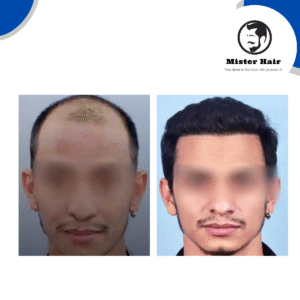
Direct Hair Implantation represents the latest evolution in hair transplant technology, offering precision and natural-looking results. This advanced technique uses specialized Choi Implanter Pens that allow simultaneous extraction and implantation of hair follicles.
The DHI process eliminates the need for creating recipient site incisions beforehand. Instead, surgeons use the Choi pen to create the channel and implant the graft simultaneously, reducing handling time and improving follicle survival. This technique allows for denser packing and more precise angle control.
DHI benefits include:
- Reduced out-of-body time for grafts
- No pre-made channels required
- Better density achievement
- Minimal bleeding and trauma
- Faster healing process
The procedure typically takes 6–8 hours depending on the number of grafts. Patients experience less swelling and discomfort compared to traditional methods, with visible results appearing within 4–6 months.
Robotic Hair Transplantation Options
Several premier Indian clinics now offer robotic hair transplant systems. The ARTAS robotic system uses advanced algorithms and high-resolution imaging to identify and harvest the best donor follicles with millimetre precision, under continuous physician supervision.
| Method | Session Time | Graft Yield | Recovery | Scarring |
|---|---|---|---|---|
| FUE | 6–8 hours | 2000–2500 | 7–10 days | Minimal dots |
| FUT | 4–6 hours | 3000–4000 | 10–14 days | Linear scar |
| DHI | 6–8 hours | 2000–3000 | 5–7 days | Minimal |
| Robotic | 4–6 hours | 2500–3000 | 7–10 days | Minimal dots |
Cost Advantages of Choosing India for Hair Restoration
Significant Savings Compared to Western Countries
Hair transplant costs in India are dramatically lower than those in Western countries, making the procedure accessible to a much broader audience. While a quality hair transplant can cost $10,000 to $20,000 in the United States or Europe, patients can expect to pay between $800 and $3,000 for the same procedure in India.
| Country | Average Cost (USD) | Savings Compared to US |
|---|---|---|
| United States | $15,000 – $20,000 | — |
| United Kingdom | $12,000 – $18,000 | — |
| India | $800 – $3,000 | 80–85% |
| Turkey | $2,000 – $4,000 | 75–80% |
At Mister Hair, per-graft pricing in India is ₹30–₹45 for FUE, ₹40–₹55 for Sapphire FUE, and ₹45–₹65 for DHI — identical across all branches, with no-cost EMI from ₹4,999/month. These substantial savings stem from lower operational costs, favourable exchange rates, government support for medical tourism, and competition among world-class facilities.
All-Inclusive Package Deals Available
Most reputable hair transplant clinics in India offer comprehensive packages that bundle multiple services together. These typically include:
Medical Services:
- Pre-operative consultation and assessment
- The hair transplant procedure itself
- Post-operative care and follow-up sessions
- Medications and aftercare products
- Multiple consultation sessions
Accommodation and Travel Support:
- Airport pickup and drop-off services
- Hotel accommodation for the recovery period
- Local transportation between clinic and hotel
- Dedicated patient coordinator assistance
- 24/7 support hotline during stay
These packages often cost less than the procedure alone would in Western countries. Many clinics also offer flexible payment options and customise packages based on individual needs and budget.
No Compromise on Quality Despite Lower Costs
The lower costs in India don’t translate to inferior quality. Indian hair transplant clinics maintain international standards while offering competitive prices, with many facilities accredited by organisations like JCI (Joint Commission International) and NABH.
Quality Indicators:
- Board-certified surgeons with international training
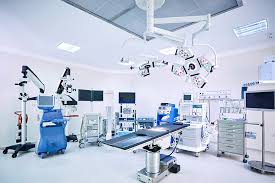
- State-of-the-art equipment and sterile operating theatres
- Use of premium-grade surgical instruments
- Advanced microscopy for graft preparation
- Stringent infection control protocols
Indian surgeons often have extensive experience, having performed thousands of procedures across diverse patient populations, with many maintaining success rates comparable to or exceeding those of Western counterparts.
World-Class Medical Infrastructure and Expertise
Board-Certified Surgeons with International Training
India’s hair transplant industry attracts patients worldwide because of its exceptional surgeons who combine local expertise with global training standards. Many specialists have completed fellowships in countries like the United States, United Kingdom, Germany, and South Korea, and hold ISHRS membership.
State-of-the-Art Clinics and Equipment
Modern hair transplant clinics in India rival any facility found in Western countries, investing heavily in cutting-edge technology. Leading facilities incorporate:
- Automated FUE devices for consistent graft extraction
- Microscopic graft preparation stations for optimal follicle handling
- Digital scalp analysis systems for accurate assessment
- Robotic assistance in select premium clinics
- Advanced sterilization equipment exceeding international standards
International Accreditation Standards
| Accreditation Type | Focus Areas | Benefits |
|---|---|---|
| JCI | Patient safety, quality care, staff qualifications | Global recognition, insurance coverage |
| NABH | Infrastructure, patient rights, infection control | National standards compliance |
| ISO 9001 | Quality management systems | Process standardization |
| CAP | Laboratory standards | Accurate diagnostics |
Multilingual Staff for Global Patients
Leading Indian hair transplant clinics employ multilingual staff. English proficiency is standard, but many facilities also have team members fluent in Arabic, Russian, French, German, and regional languages. Patient coordinators trained in medical tourism handle everything from consultations to post-operative care.
For More Information Contact Us: 91 7338671338
Planning Your Medical Tourism Journey

Visa Requirements and Documentation Process
Citizens from most countries can apply for a medical visa (M-Visa) designed for treatment purposes. This visa allows stays of up to one year and covers multiple entries. You’ll need a passport with at least six months validity, a completed visa application, recent photographs, and a letter from the recognised treatment centre in India. Processing typically takes 3–7 business days for e-visas and up to two weeks for regular applications.
Best Cities for Hair Transplant Procedures
Delhi is a major medical tourism hub with advanced facilities and international connectivity. Mumbai offers cutting-edge infrastructure and skilled practitioners. Bangalore has emerged as a preferred destination for its pleasant climate, which aids recovery, and its reputation as India’s Silicon Valley. Chennai offers cost-effective treatments, while Hyderabad and Pune are gaining popularity for their specialized centres.
Accommodation and Transportation Arrangements
Most reputable clinics partner with nearby hotels offering special rates for medical tourists, often with shuttle services. Budget options range from ₹2,000–5,000 per night, while luxury hotels cost ₹8,000–15,000 per night. Pre-arranged airport pickups eliminate stress on arrival; staying within 5–10 km of your clinic minimises travel during recovery.
Recovery Period Planning and Follow-up Care

Plan for at least 7–10 days in India after your procedure. The first 48–72 hours are most critical, requiring rest. Your surgeon will schedule follow-up appointments typically on days 1, 3, 7, and before departure. Many clinics maintain long-term relationships with international patients, offering telemedicine consultations throughout the hair growth process, which continues for 12–18 months post-procedure.
Conclusion
Getting a hair transplant in India has become a game-changer for people dealing with hair loss. The country offers cutting-edge procedures at prices that won’t break the bank, backed by skilled doctors and top-notch medical facilities. You’ll find everything from FUE to FUT to DHI techniques, all designed to give you natural-looking results — often 60–70% less than what you’d pay in Western countries, without compromising on quality.
If you’re considering this route, research clinics thoroughly and plan your trip carefully. Look for certified doctors with strong track records and read patient reviews. A successful hair transplant is an investment in your confidence and future.