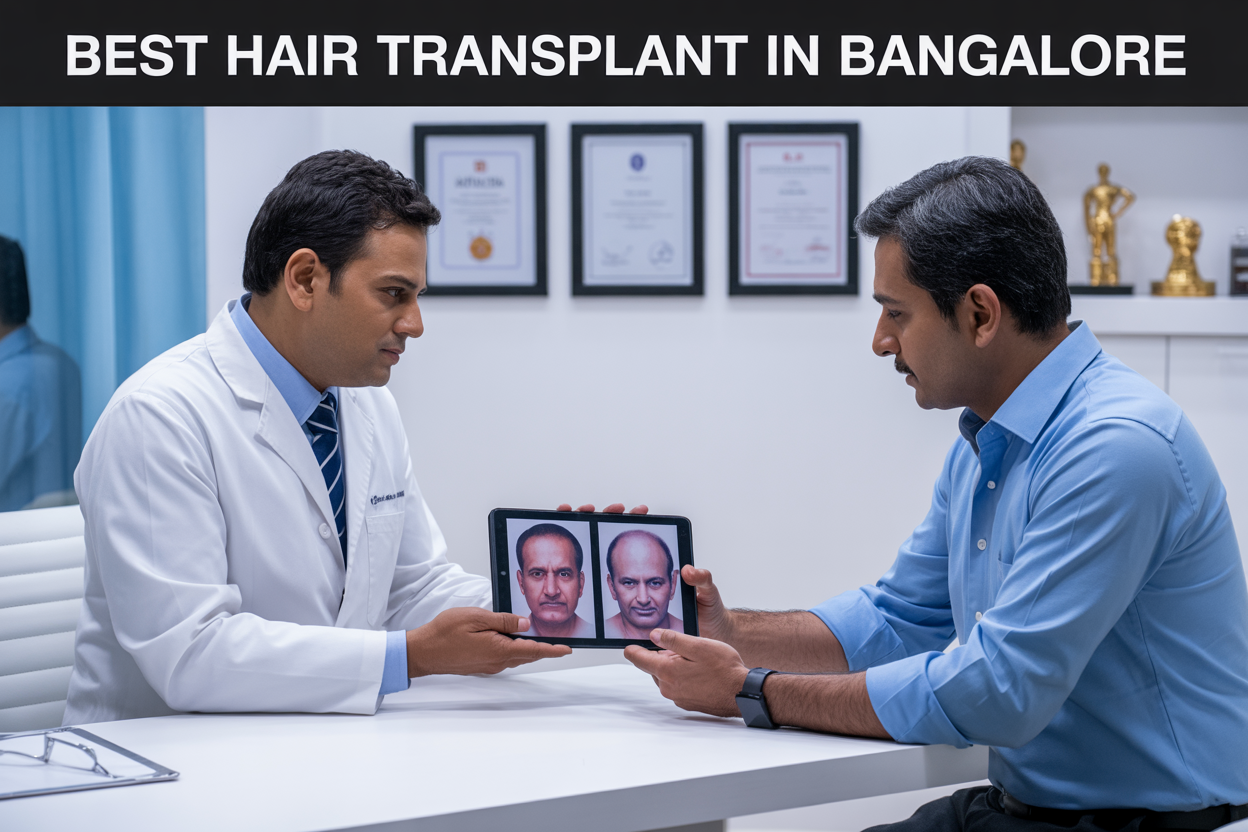
Hair loss affects millions of men and women across India, and finding the best hair transplant in Bangalore can feel overwhelming with so many options available. This guide is designed for anyone experiencing hair thinning, receding hairlines, or pattern baldness who wants to make an informed decision about hair restoration in India’s Silicon Valley.
Bangalore has become a major hub for advanced hair transplant procedures, attracting patients from across the country and abroad. The city offers world-class medical facilities, experienced surgeons, and competitive pricing that makes quality hair restoration accessible.
We’ll walk you through the top-rated hair transplant clinics in Bangalore and help you understand how to choose the right surgeon for your needs.
You’ll also get a clear breakdown of treatment costs and what to expect during your consultation and recovery process. By the end, you’ll have all the information needed to take the next step toward restoring your confidence and hairline.
Understanding Hair Transplant Procedures Available in Bangalore
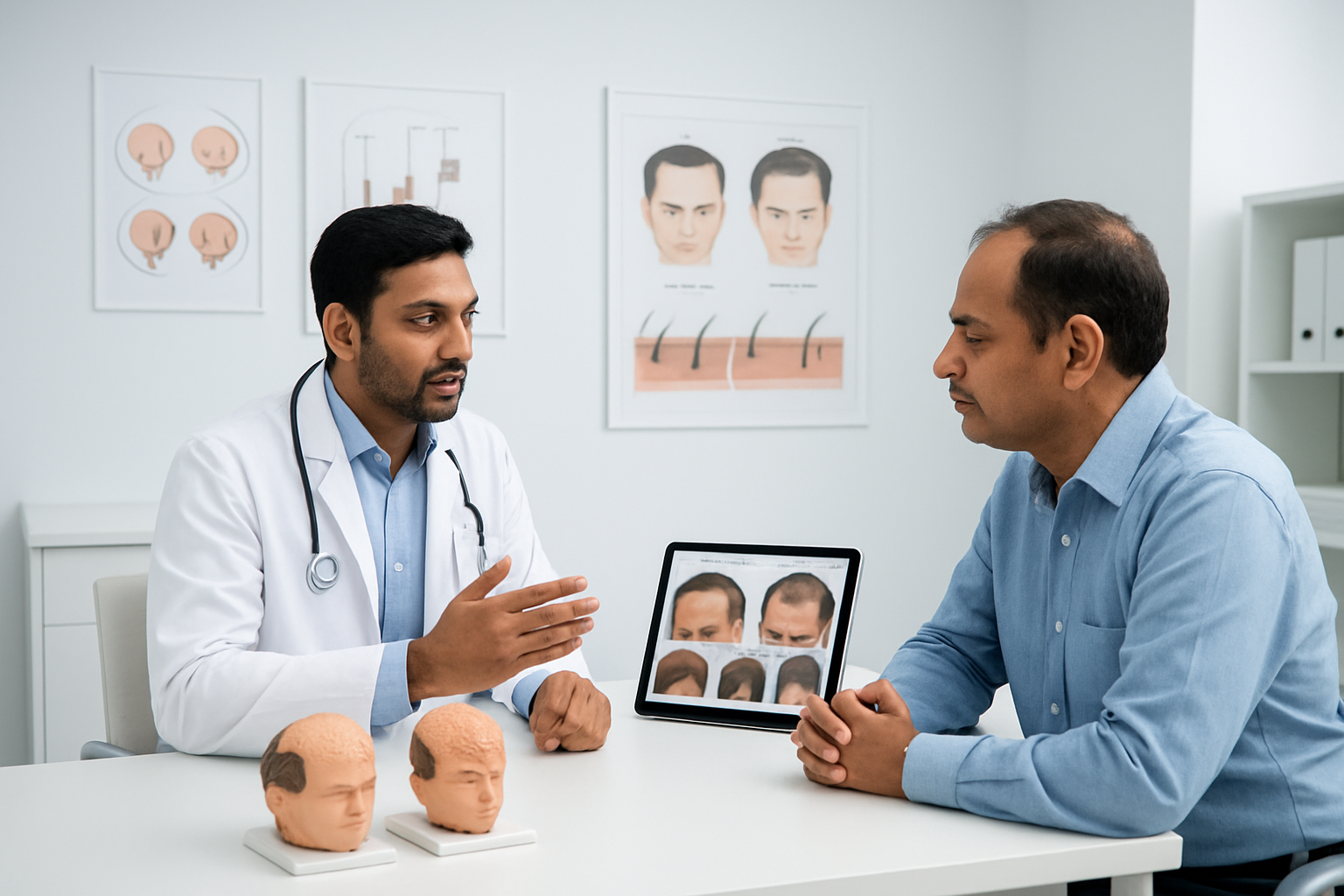
FUT (Follicular Unit Transplantation) Method Benefits
FUT involves removing a strip of scalp from the donor area, typically the back of the head, and dissecting it into individual follicular units under microscopic magnification.
This traditional approach offers several distinct advantages that make it popular among patients in Bangalore’s hair transplant clinics.
The procedure allows surgeons to harvest a large number of grafts in a single session, making it ideal for patients with extensive hair loss.
FUT typically yields 2,000 to 4,000 grafts per session, depending on the donor area’s quality and the strip’s width. The microscopic dissection ensures minimal damage to follicular units, resulting in higher survival rates.
Cost-effectiveness stands out as another major benefit. FUT generally costs 20-30% less than newer techniques because it requires less time and fewer specialized instruments.
The linear scar left behind can be easily concealed with longer hair, making it suitable for patients who prefer keeping their hair at medium to long lengths.
Recovery time is relatively predictable, with most patients returning to work within 7-10 days. The donor area heals completely within 2-3 weeks, and the transplanted hair begins growing naturally after 3-4 months.
FUE (Follicular Unit Extraction) Advanced Technique
FUE represents a significant advancement in hair transplant technology, extracting individual follicular units directly from the donor area using specialized micro-punches. Bangalore’s leading clinics have adopted this minimally invasive approach due to its numerous patient benefits.
The technique leaves tiny circular scars that are virtually undetectable, even with very short hairstyles or a completely shaved head. This makes FUE perfect for younger patients or those who prefer shorter haircuts.
The procedure causes minimal discomfort, with most patients experiencing only mild soreness that subsides within 2-3 days.
FUE allows for more precise graft selection, enabling surgeons to choose the strongest follicular units from various donor areas, including the beard, chest, or body hair when scalp donor hair is insufficient.
This flexibility makes it suitable for patients with limited donor hair or those requiring repair work from previous procedures.
The technique requires exceptional skill and experience, as each graft must be extracted individually without damage. Sessions typically yield 1,500 to 3,000 grafts, depending on the patient’s donor density and the surgeon’s expertise. Recovery is faster, with patients often returning to normal activities within 3-5 days.
DHI (Direct Hair Implantation) Latest Technology
DHI represents the cutting-edge evolution of hair transplant techniques, using a specialized Choi implanter pen that combines extraction, storage, and implantation in a streamlined process.
Several premium clinics in Bangalore now offer this advanced method to patients seeking the most sophisticated treatment available.
The Choi pen allows surgeons to implant grafts directly without creating recipient holes first, reducing tissue trauma and handling time. This direct implantation process significantly improves graft survival rates, often exceeding 95% when performed by skilled practitioners.
The technique also provides superior control over hair direction, angle, and depth, creating more natural-looking results.
DHI sessions typically take longer than traditional methods but offer several unique advantages. Patients can keep their existing hair longer during the procedure, as there’s no need for extensive shaving.
The reduced handling time means grafts spend less time outside the body, improving their viability and growth potential.
Bleeding is minimal with DHI, and the healing process is faster due to smaller incisions. Most patients experience less post-operative swelling and can wash their hair gently within 24-48 hours.
The technique works exceptionally well for crown area restoration and women’s hair transplants, where precision and minimal disruption to existing hair are crucial.
Robotic Hair Transplant Options
Robotic hair transplant systems, particularly the ARTAS robot, bring artificial intelligence and precision engineering to hair restoration procedures. A few select clinics in Bangalore have invested in this technology to offer patients the most advanced treatment option available.
The robotic system uses high-resolution imaging and algorithms to identify and extract the best donor follicles with mechanical precision. This eliminates human error and fatigue factors that can affect manual procedures.
The robot can work continuously for hours while maintaining consistent accuracy in graft extraction angles and depths.
The technology creates 3D models of the patient’s scalp to plan optimal graft placement, ensuring natural hair growth patterns and maximum aesthetic appeal. The system’s precision reduces trauma to surrounding tissues, leading to faster healing and better graft survival rates.
| Feature | Manual FUE | Robotic FUE |
|---|---|---|
| Precision | Surgeon-dependent | Consistent accuracy |
| Speed | 500-800 grafts/hour | 800-1200 grafts/hour |
| Fatigue Factor | Increases over time | None |
| Learning Curve | Varies by surgeon | Standardized |
Robotic procedures typically cost 15-25% more than manual techniques but offer unparalleled consistency and reduced procedure time. The technology is particularly beneficial for patients requiring large graft numbers or those seeking the highest level of precision available in modern hair restoration.
Top-Rated Hair Transplant Clinics in Bangalore
Premium Multi-Specialty Hair Restoration Centers
Bangalore houses several world-class multi-specialty centers that combine advanced hair restoration techniques with comprehensive aesthetic services.
These facilities typically offer both FUE (Follicular Unit Extraction) and FUT (Follicular Unit Transplantation) procedures alongside dermatological treatments.
Advanced Hair Studio stands out with its international protocols and cutting-edge technology. Their centers feature state-of-the-art surgical suites equipped with microscopic visualization systems and automated extraction tools.
The clinic maintains strict sterility standards and offers personalized treatment plans based on detailed scalp analysis.
Kaya Skin Clinic has established multiple locations across Bangalore, providing integrated hair and skin solutions. Their hair transplant division employs board-certified dermatologists who specialize in pattern baldness, eyebrow reconstruction, and beard transplants.
The clinic’s strength lies in combining hair restoration with complementary treatments like PRP therapy and laser stimulation.
Dr. Batra’s Clinic brings homeopathic expertise to hair restoration, offering both surgical and non-surgical options. Their approach focuses on treating underlying causes while providing transplant solutions for advanced cases.
| Clinic | Specialties | Technology | Price Range |
|---|---|---|---|
| Advanced Hair Studio | FUE, FUT, Eyebrow | Robotic Extraction | ₹40,000-₹1,50,000 |
| Kaya Skin Clinic | Pattern Baldness, PRP | Microscopic FUE | ₹35,000-₹1,20,000 |
| Dr. Batra’s | Holistic Treatment | Traditional + Modern | ₹30,000-₹1,00,000 |
Specialized Hair Transplant Hospitals
Dedicated hair transplant hospitals in Bangalore focus exclusively on hair restoration procedures, offering specialized expertise and concentrated resources for optimal results.
Eugenix Hair Sciences operates as a dedicated hair transplant facility with multiple surgeons working simultaneously on complex cases. Their body hair transplant expertise sets them apart, allowing them to harvest donor hair from chest, beard, and leg areas when scalp donor supply is limited. The hospital maintains detailed documentation of each case and provides lifetime follow-up support.
Hair and Senses specializes in mega sessions, transplanting up to 4,000 grafts in single procedures. Their surgical team consists of trained technicians who work under direct surgeon supervision, ensuring consistent graft quality and placement precision.
The facility offers separate consultation areas, recovery rooms, and entertainment systems for patient comfort during lengthy procedures.
Rejuvenate Hair Transplant Center focuses on natural hairline design and dense packing techniques. Their surgeons use trichophytic closure methods for FUT procedures, minimizing linear scar visibility.
The center provides detailed pre-operative instructions and post-surgical care protocols to maximize graft survival rates.
DHI (Direct Hair Implantation) Clinic brings international DHI methodology to Bangalore, using patented implanter pens for direct follicle placement. This technique eliminates the need for recipient site preparation, reducing procedure time and trauma. Their surgeons undergo specialized DHI training and certification.
Celebrity-Endorsed Hair Clinics
Several Bangalore clinics have gained recognition through celebrity endorsements and high-profile client testimonials, attracting patients seeking proven results from trusted sources.
Richfeel Trichology Centre has treated numerous Bollywood celebrities and sports personalities, building a reputation for discreet, high-quality treatments.
Their celebrity clientele includes actors who require natural-looking results for on-screen appearances. The clinic offers VIP treatment rooms, flexible scheduling, and confidentiality agreements for public figures.
Looks Studio has gained celebrity endorsements from regional film stars and television personalities. Their social media presence features before-and-after transformations of known personalities, demonstrating their aesthetic capabilities.
The clinic provides comprehensive grooming services alongside hair transplants, appealing to image-conscious professionals.
Hair Sure Clinic has partnered with cricket players and business leaders who publicly share their transformation stories. Their success with high-profile clients has led to media coverage and increased public trust.
The clinic offers premium packages that include private consultation suites, dedicated surgical teams, and extended aftercare services.
These celebrity-endorsed clinics often charge premium rates but provide added confidence through proven track records with demanding clients who require flawless results for their public image.
Choosing the Right Hair Transplant Surgeon
Board Certification and Medical Credentials
The foundation of any reputable hair transplant surgeon lies in their medical qualifications. Look for doctors who hold MBBS degrees followed by specialized training in dermatology, plastic surgery, or cosmetic surgery.
Board certification from recognized medical councils like the Medical Council of India (MCI) or state medical councils is non-negotiable.
Some of Bangalore’s top surgeons also possess international certifications from organizations like the International Society of Hair Restoration Surgery (ISHRS) or the American Board of Hair Restoration Surgery.
Verify their medical license status through official medical council websites. The best surgeons often hold fellowship training in hair restoration from prestigious institutions and maintain continuing medical education credits. Don’t hesitate to ask for documentation of these credentials during your consultation.
Years of Hair Restoration Experience
Experience makes a significant difference in hair transplant outcomes. Surgeons with 10+ years of dedicated hair restoration practice have typically performed thousands of procedures, giving them expertise in handling complex cases and unexpected complications.
They’ve refined their techniques through years of practice and can better predict results.
However, don’t automatically dismiss newer surgeons who’ve trained under renowned hair transplant specialists. Some younger doctors bring fresh perspectives and updated techniques.
What matters more is focused experience specifically in hair restoration rather than general surgical experience. Ask about their annual case volume and the variety of hair loss patterns they’ve treated.
Patient Success Stories and Before-After Results
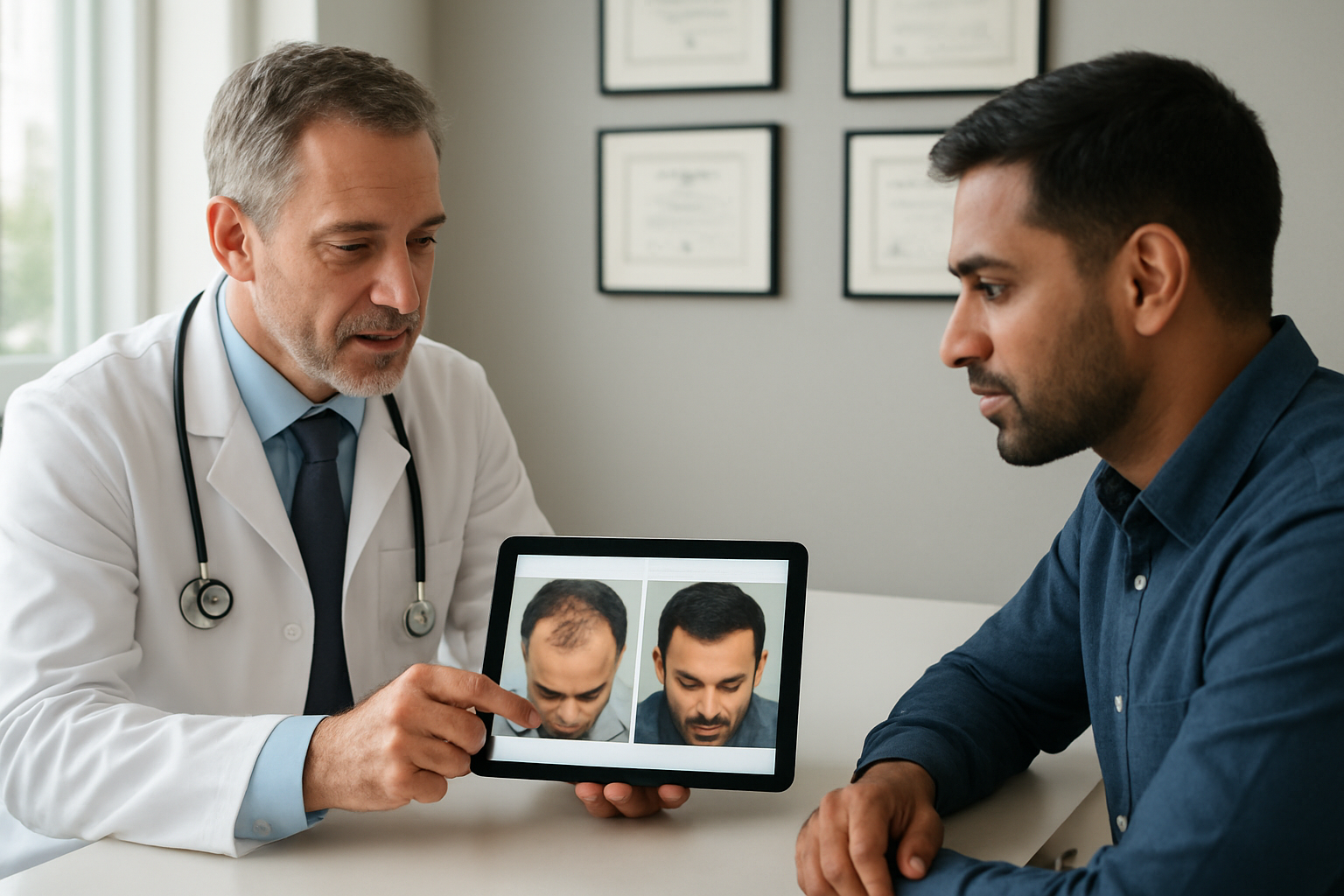
Authentic before-and-after photos tell the real story of a surgeon’s capabilities. Quality results should show natural-looking hairlines, appropriate density, and seamless integration with existing hair. Pay attention to cases similar to your hair loss pattern and type.
Request to see results from different time periods – 6 months, 12 months, and 18 months post-surgery. Hair transplant results evolve over time, and the best surgeons can show you this progression. Be wary of surgeons who only show perfect cases or refuse to share patient results.
Many reputable surgeons maintain patient testimonial videos or allow you to speak with previous patients. Online reviews on Google, Practo, or clinic websites provide additional insights, but focus on detailed reviews that mention specific aspects of the treatment experience.
International Training and Expertise
The hair restoration field evolves rapidly with new techniques and technologies. Surgeons who regularly attend international conferences, workshops, and training programs stay current with global best practices.
Look for doctors who’ve trained in countries known for advanced hair restoration techniques like Turkey, South Korea, or the United States.
Membership in international hair restoration societies indicates commitment to staying updated with industry standards. Some Bangalore surgeons have trained directly under world-renowned hair transplant pioneers, bringing cutting-edge techniques to local practice.
Ask about their exposure to different ethnic hair types and whether they’ve adapted international techniques for Indian hair characteristics, which often differ in texture and growth patterns from Caucasian hair.
Consultation Quality and Patient Care Approach
A thorough consultation reveals much about a surgeon’s competency and approach. Quality consultations should include detailed scalp examination, discussion of realistic expectations, explanation of different techniques, and transparent cost breakdown.
The surgeon should assess your donor area quality, discuss timeline for results, and address potential risks honestly.
Red flags include rushed consultations, unrealistic promises, or pressure to book surgery immediately. The best surgeons often recommend waiting periods for patients to consider their options.
They should provide detailed pre and post-operative instructions and have clear protocols for follow-up care.
Pay attention to the clinic’s support staff professionalism, cleanliness standards, and whether the surgeon personally handles consultations or delegates to assistants. Quality surgeons invest time in education, ensuring you understand every aspect of the procedure before making decisions.
Cost Analysis of Hair Transplant Treatments

FUE Procedure Pricing Structure
FUE (Follicular Unit Extraction) pricing in Bangalore varies significantly based on the number of grafts required and the clinic’s reputation. Most clinics charge between ₹40 to ₹120 per graft, with the average falling around ₹60-80 per graft. For a typical procedure requiring 2,000-3,000 grafts, patients can expect to pay ₹1.2 to ₹3.6 lakhs.
The pricing structure often follows a tiered approach:
Basic packages: ₹40-60 per graft (1,500-2,500 grafts)
Standard packages: ₹60-80 per graft (2,000-3,500 grafts)
Premium packages: ₹80-120 per graft (3,000+ grafts)
Many clinics offer all-inclusive packages that cover consultation fees, pre-operative tests, medications, and follow-up visits. Some facilities provide financing options with EMI plans starting from ₹8,000-12,000 per month, making the procedure more accessible.
FUT Treatment Cost Breakdown
FUT (Follicular Unit Transplantation) generally costs 20-30% less than FUE procedures due to the less time-intensive nature of the technique. Pricing typically ranges from ₹30-90 per graft, with most reputable clinics charging ₹45-65 per graft.
Typical FUT cost components include:
| Service Component | Price Range |
|---|---|
| Surgeon fees | ₹40,000-80,000 |
| Anesthesia | ₹8,000-15,000 |
| Operating room | ₹15,000-25,000 |
| Medications | ₹5,000-10,000 |
| Post-op care | ₹8,000-15,000 |
For a standard 2,500-graft FUT procedure, total costs range from ₹90,000 to ₹2.25 lakhs. The linear scar left by FUT makes it less popular despite the cost advantage, though advanced closure techniques have improved cosmetic outcomes significantly.
Premium Clinic vs Budget-Friendly Options
Premium clinics in Bangalore’s upscale areas like Koramangala, Indiranagar, and Whitefield charge ₹80-150 per graft, offering luxury amenities, international-standard equipment, and celebrity surgeons. These facilities often feature:
State-of-the-art operation theaters with advanced microscopes
Dedicated patient recovery suites
Comprehensive aftercare programs
International accreditation
Budget-friendly options, primarily located in areas like Jayanagar, Basavanagudi, and Commercial Street, offer competitive rates of ₹35-70 per graft while maintaining quality standards. These clinics focus on:
Efficient, no-frills procedures
Experienced local surgeons
Basic but adequate facilities
Essential post-operative care
Key differences comparison:
| Aspect | Premium Clinics | Budget Options |
|---|---|---|
| Average cost per graft | ₹80-150 | ₹35-70 |
| Waiting period | 2-4 weeks | Same day/1 week |
| Amenities | Luxury facilities | Basic comfort |
| Technology | Latest equipment | Standard tools |
| Surgeon experience | 15+ years | 8-15 years |
Smart patients often find excellent value in mid-tier clinics that balance cost-effectiveness with quality care, typically charging ₹55-85 per graft while delivering comparable results to premium facilities.
Pre-Treatment Preparation and Consultation Process
Initial Hair Loss Assessment and Evaluation
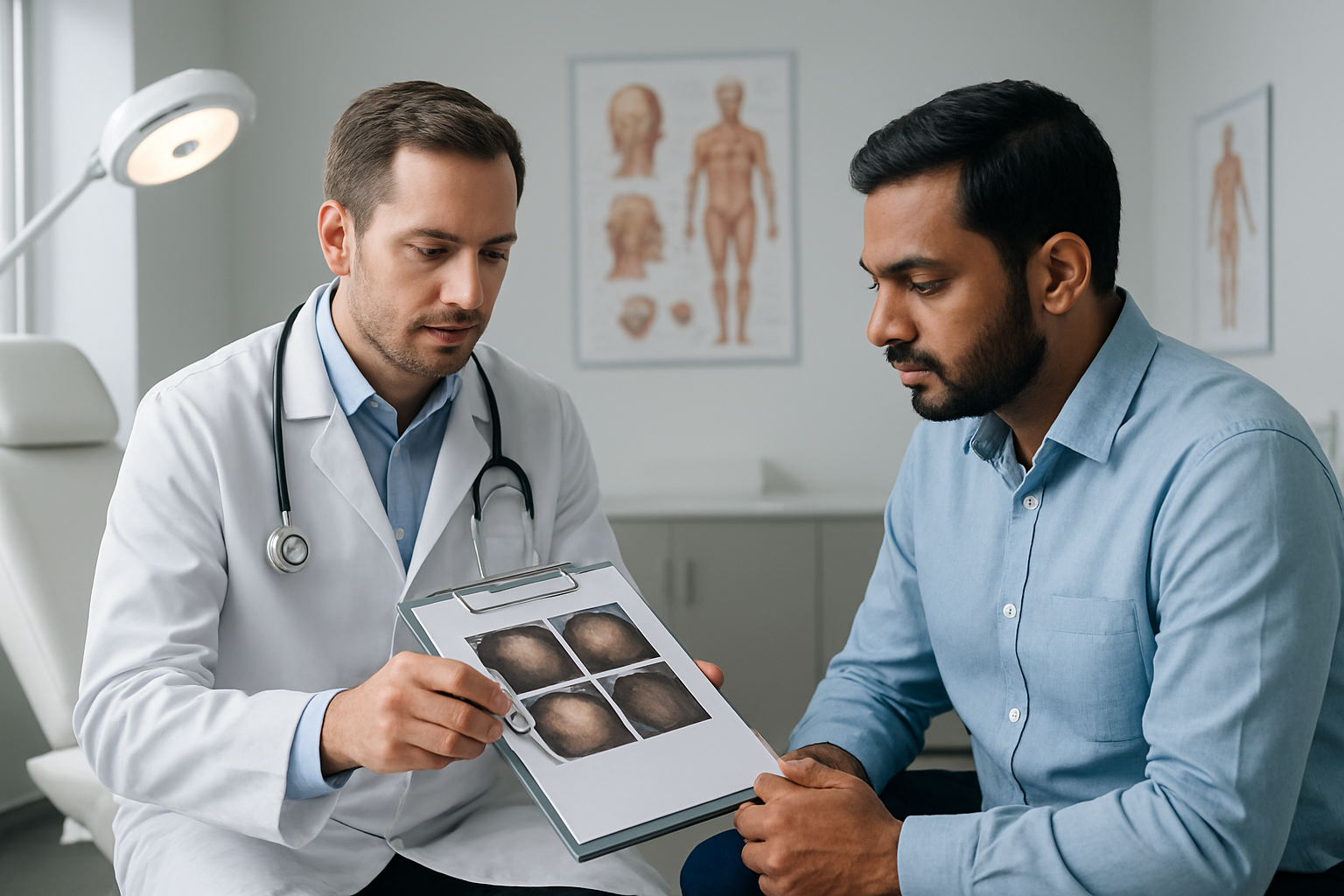
Hair transplant surgeons begin with a comprehensive evaluation of your hair loss pattern, examining the severity and progression of balding.
The doctor carefully analyzes your scalp condition, measuring the donor hair density and quality to determine if you have sufficient healthy follicles for transplantation.
They’ll document the current state using standardized scales like the Norwood classification for men or the Ludwig scale for women.
During this assessment, the surgeon examines your hairline, crown area, and overall hair distribution patterns. They use specialized tools like dermoscopes to evaluate follicle health and determine the exact number of grafts needed.
For More Information Contact Us : 91 7338671338
The doctor also checks for any underlying scalp conditions that might affect the procedure’s success, such as scarring, inflammation, or active infections that need treatment before surgery.
Medical History Review and Suitability Tests
Your medical background plays a crucial role in determining transplant candidacy. The surgeon reviews your complete health history, including any chronic conditions like diabetes, heart disease, or autoimmune disorders that could impact healing.
They’ll ask about current medications, particularly blood thinners, which may need adjustment before surgery.
Laboratory tests often include blood work to check for clotting disorders, liver function, and overall health markers. The doctor evaluates your family history of hair loss to understand genetic patterns and predict future progression.
Age considerations matter too – while there’s no strict age limit, surgeons prefer patients who have stabilized hair loss patterns, typically after age 25.
Certain conditions may disqualify candidates, including active alopecia areata, trichotillomania, or insufficient donor hair. The surgeon honestly discusses these limitations and may suggest alternative treatments when transplantation isn’t suitable.
Personalized Treatment Plan Development
Based on your assessment results, the surgeon creates a customized treatment strategy tailored to your specific needs and goals. They determine the optimal technique – FUE (Follicular Unit Extraction) or FUT (Follicular Unit Transplantation) – considering factors like your lifestyle, healing capacity, and desired coverage area.
The plan includes detailed graft calculations, specifying how many follicles will be harvested and where they’ll be placed for the most natural-looking results.
Surgeons map out the new hairline design, considering your facial structure, age-appropriate placement, and future hair loss patterns. They’ll show you before-and-after photos of similar cases to set realistic expectations.
Multiple session planning is common for extensive baldness, with the surgeon outlining the timeline between procedures. They discuss density goals, explaining that transplanted hair may appear thinner initially than your original hair.
The plan also addresses any concurrent treatments like medications or PRP therapy that might enhance results.
Pre-Surgery Instructions and Guidelines
Preparation begins several weeks before your scheduled procedure with specific lifestyle modifications. Stop smoking completely at least two weeks prior, as nicotine restricts blood flow and impairs healing.
Avoid alcohol for at least one week before surgery to prevent bleeding complications and ensure proper anesthesia effectiveness.
Medication adjustments are essential – discontinue blood thinners, aspirin, and anti-inflammatory drugs as directed by your surgeon. Some vitamins and herbal supplements can increase bleeding risk, so provide a complete list of everything you take.
Your doctor may prescribe antibiotics to prevent infection or recommend starting minoxidil if you’re not already using it.
Sleep quality matters significantly for healing, so establish good rest patterns before surgery. Arrange time off work – most patients need 2-3 days minimum, though some prefer a full week. Plan transportation since you cannot drive immediately after the procedure due to sedation effects.
Hair washing instructions vary by clinic, but many recommend using antibacterial shampoo for several days before surgery. Wear comfortable, button-up clothing on procedure day to avoid pulling shirts over your head afterward. Remove any hair products, and arrive with clean, dry hair as instructed.
Post-Transplant Recovery and Maintenance
Immediate Post-Surgery Care Requirements
Your scalp needs gentle care during the first 48-72 hours after surgery. Keep your head elevated while sleeping to reduce swelling and bleeding. Sleep on your back using extra pillows or a reclining chair if possible.
The surgical area will have tiny scabs where each follicle was placed, and these need protection from any trauma.
Don’t wash your hair for the first 24 hours. When you do start washing, use lukewarm water and gentle pressure. Your surgeon will provide a special shampoo that’s mild and non-irritating.
Pat the area dry with a soft towel instead of rubbing. Avoid direct sunlight, dust, and pollution for at least a week.
Pain management typically involves prescribed medications for the first few days. Most patients experience mild discomfort rather than severe pain.
Apply ice packs to your forehead (not the transplant area) to reduce swelling. Avoid bending over, heavy lifting, or any strenuous activities that increase blood flow to your head.
For More Information Contact Us : 91 7338671338
Long-Term Hair Growth Timeline Expectations
Hair transplant results unfold gradually over several months. During the first 2-3 weeks, the transplanted hairs will actually fall out – this is completely normal and called “shock loss.” The hair follicles remain healthy beneath the skin and will start producing new hair.
New growth typically begins around the 3-4 month mark. You’ll notice fine, thin hairs emerging from the transplanted follicles. By month 6, about 50% of your final results become visible. The hair continues thickening and growing longer through months 8-12.
Full results appear between 12-18 months after surgery. The final hair will match your natural hair’s texture, color, and growth pattern. Some patients see continued improvement even up to 2 years post-surgery as the hair matures and reaches its full density.
| Timeline | What to Expect |
|---|---|
| 1-2 weeks | Initial healing, scabs form |
| 2-4 weeks | Transplanted hairs shed |
| 3-4 months | New hair growth begins |
| 6-8 months | 50% of results visible |
| 12-18 months | Full results achieved |
Follow-Up Appointment Schedule
Your first follow-up happens within 24-48 hours after surgery. The medical team checks the surgical site, removes any bandages, and provides detailed care instructions. This appointment confirms everything is healing properly and addresses any immediate concerns.
The second visit occurs at 7-10 days post-surgery. During this appointment, the surgeon examines the transplanted area and may remove any remaining sutures from the donor site (if FUT method was used). You’ll receive clearance for gentle hair washing and return to light activities.
Monthly check-ups continue for the first three months. These visits track your healing progress and hair growth initiation. Your surgeon documents the recovery process with photographs and adjusts care recommendations based on your individual healing response.
Quarterly appointments follow from months 3-12. These longer-term follow-ups monitor hair growth progress and density development. The final evaluation typically occurs at 12-15 months to assess complete results and determine if any touch-up procedures might be beneficial.
Lifestyle Changes for Optimal Results
Smoking significantly impacts hair transplant success rates. Nicotine restricts blood flow to hair follicles, slowing healing and reducing growth potential.
Quit smoking at least 2 weeks before surgery and avoid it for at least 4 weeks afterward. Better yet, use this opportunity to quit permanently for better overall health and hair growth.
Protect your scalp from sun exposure for several months. UV rays can damage healing tissues and cause hyperpigmentation in the treated areas.
Wear loose-fitting hats or use mineral sunscreen (SPF 30+) when outdoors. Avoid swimming pools and hot tubs for at least 4 weeks due to chlorine and bacterial exposure risks.
Maintain a protein-rich diet to support hair growth. Include foods like eggs, fish, lean meats, beans, and nuts in your daily meals. Stay hydrated by drinking plenty of water.
Consider taking biotin, vitamin D, and iron supplements if your doctor recommends them, but avoid blood-thinning supplements initially.
Stress management becomes important for optimal hair growth. High stress levels can trigger additional hair loss and slow the recovery process.
Practice relaxation techniques, get adequate sleep (7-8 hours nightly), and maintain regular exercise once cleared by your surgeon. Gentle yoga and walking are excellent starting points.
Finding the right hair transplant clinic in Bangalore doesn’t have to be overwhelming when you know what to look for. The city offers excellent surgical expertise, modern techniques like FUE and FUT, and competitive pricing that makes quality treatment accessible.
Success comes down to choosing experienced surgeons, understanding the full cost breakdown, and committing to proper pre and post-treatment care.
Don’t rush this decision – your hair restoration journey deserves careful planning. Schedule consultations with multiple top-rated clinics, ask detailed questions about their techniques and success rates, and make sure you feel comfortable with your chosen surgeon.
With the right clinic and realistic expectations, you can achieve natural-looking results that boost your confidence for years to come.
For More Information Contact Us : 91 7338671338
← Back to all articles