

When people consider undergoing a hair transplant, one of the first questions that comes to mind is:
👉 “Is a hair transplant painful?”
Understanding the pain level during a hair transplant — and why discomfort happens in certain stages — can help you prepare confidently and manage recovery smoothly.
In this guide, we’ll break down the pain experience during hair transplant surgery, explore how and why it happens, and share expert tips from Mister Hair Clinic to minimize discomfort and ensure a pain-free recovery.
Understanding Hair Transplant Surgery
A hair transplant is a minimally invasive cosmetic surgery designed to restore natural hair growth in areas affected by baldness or thinning.
The two most common types of procedures are:
FUE (Follicular Unit Extraction) – Each hair follicle is individually extracted and implanted.
DHI (Direct Hair Implantation) – Hair follicles are implanted directly using an implanter pen.
Both techniques are performed under local anesthesia, making them virtually painless. However, you may still experience mild sensations like pressure, swelling, or temporary numbness — depending on your individual pain tolerance.
Is Hair Transplant Painful?
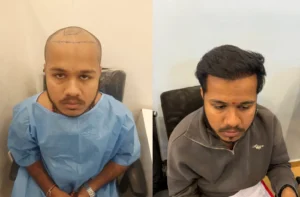
The truth: Hair transplant surgery is not painful — but minor discomfort during and after the procedure is completely normal.
That’s because surgeons use local anesthesia (like lidocaine) to numb both the donor and recipient areas. This ensures that you don’t feel sharp pain during the graft extraction or implantation process.
🔹 Pain Levels During Different Stages:
| Stage | Pain Level (out of 10) | Description |
|---|---|---|
| Anesthesia Injection | 3–4 | Mild stinging or pressure while the anesthesia is administered. |
| Graft Extraction (FUE) | 1–2 | Painless; only mild vibration or tugging sensation. |
| Graft Implantation | 1–3 | Slight pressure while the surgeon places grafts. |
| Post-Surgery (First 24 hrs) | 2–4 | Minor soreness or scalp tightness. |
| Recovery (Day 2–7) | 1–2 | Occasional itching, swelling, or mild sensitivity. |
Why Does Pain Occur During Transplant Surgery?
While modern hair transplants are designed to be as comfortable as possible, here’s why some discomfort may still occur:
1. Anesthesia Injections
Before the surgery starts, anesthesia is injected into the scalp. This may cause a short-lived stinging sensation — similar to a mosquito bite.
2. Scalp Sensitivity
Some patients naturally have a more sensitive scalp, especially in the donor area. This can lead to temporary tightness or mild soreness after the effect of anesthesia fades.
3. Swelling and Inflammation
After the procedure, slight swelling or inflammation may occur due to tissue manipulation. This is completely normal and subsides within 48–72 hours.
4. Body’s Healing Response
During the healing process, your scalp increases blood flow to the treated area — which can cause a mild throbbing or “healing pain.”
How Hair Transplant Surgeons Manage Pain

Top-rated clinics like Mister Hair Clinic use several advanced measures to make the process virtually pain-free:
1. Local Anesthesia (Numbing Agents)
The scalp is numbed before extraction and implantation, so you remain comfortable throughout.
2. Vibration Anesthesia Devices
Some surgeons use vibration-assisted injectors to reduce the stinging of anesthesia injections.
3. Cold Compression & Anti-Swelling Gel
Post-surgery, gentle cooling helps reduce swelling and discomfort.
4. Prescribed Pain Killers
Doctors may prescribe mild pain relievers (like paracetamol or ibuprofen) for 1–2 days post-surgery.
5. PRP (Platelet-Rich Plasma) Injections
PRP can speed up healing and reduce muscle pain relief needs by enhancing tissue recovery.
Comparing Pain Levels: Hair Transplant vs Other Surgeries
When compared to other types of surgeries — such as dental extraction, kidney transplant, or stem cell transplant — hair transplant surgery ranks among the least painful medical procedures.
| Procedure | Average Pain Level (1–10) | Recovery Period |
|---|---|---|
| Hair Transplant | 2–4 | 5–7 Days |
| Dental Extraction | 6–7 | 7–10 Days |
| Stem Cell Transplant | 8–9 | Several Weeks |
| Kidney Transplant Surgery | 9–10 | Several Months |
This comparison clearly shows why most patients describe hair transplantation as a “minor discomfort procedure” rather than a painful one.
Pain Level Chart – Mister Hair Clinic
Here’s a simplified Mister Hair Clinic pain level chart to help you understand what patients typically experience before, during, and after surgery:
| Pain Stage | Type of Pain | Description & Duration |
|---|---|---|
| 0️⃣ No Pain | Comfort Stage | During the procedure under anesthesia. |
| 1️⃣–2️⃣ Mild Pain | Tingling / Tightness | Felt 1–2 hours post-surgery. |
| 3️⃣–4️⃣ Moderate Pain | Soreness / Tenderness | Managed easily with prescribed painkillers. |
| 5️⃣+ Severe Pain | Rare | Usually caused by infection or poor aftercare. Seek medical help immediately. |
Pain Management During Recovery
Once your surgery is complete, your scalp begins its healing and recovery process. Managing mild pain and discomfort effectively will ensure faster results.
🔹 Expert-Recommended Tips:
Use prescribed painkillers only as directed.
Apply cold compresses to reduce swelling and tightness.
Sleep in a semi-upright position for 3 nights to prevent fluid buildup.
Avoid physical strain or gym activities for 7–10 days.
Stay hydrated — it helps in cellular recovery.
When to Contact Your Doctor
While mild soreness and itching are normal, certain symptoms may need medical attention:
🚨 Contact your surgeon if you notice:
Persistent or increasing pain levels (above 5/10)
Excessive swelling or redness
Pus formation or fluid discharge
Fever or unusual body pain
These are rare complications, but early communication ensures safe, comfortable healing.
Is Pain Different Between FUE and DHI?
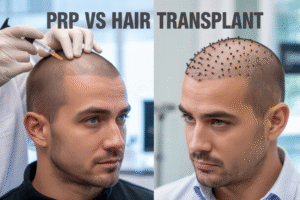
Yes, but very slightly.
FUE – Uses micro-punches to extract follicles; pain is minimal (rated 2–3/10).
DHI – Direct implantation with implanter pens; slightly less post-surgery soreness.
In both cases, modern tools and anesthesia make the procedures almost painless.
Does Everyone Feel the Same Level of Pain?
Pain is subjective. Some patients describe the experience as a mild tingling or pressure, while others feel slight sensitivity for a few days post-surgery.
Factors that affect pain levels include:
Individual pain tolerance
Number of grafts transplanted
Skill of the surgeon
Aftercare compliance
How Mister Hair Clinic Minimizes Discomfort
At Mister Hair Clinic, we prioritize your comfort and confidence every step of the way.
💠 Our Pain-Relief Approach:
Use of premium numbing agents for pain-free procedures.
Gentle extraction and implantation to reduce trauma.
Cold air technology to relieve muscle pain and scalp stress.
Complimentary PRP session to accelerate recovery.
Continuous doctor follow-ups post-surgery.
📍 Address: Mister Hair Clinic, Bangalore, Chennai ,Mumbai ,Selum ,Karnataka, India
📞 Call / WhatsApp: [91 7338671338] | 💻 Book a Free Consultation Online
Post-Surgery Pain Relief Options
Here are the most commonly prescribed or recommended pain relief solutions after a transplant:
| Type | Example / Method | Purpose |
|---|---|---|
| Painkillers | Paracetamol, Ibuprofen | Reduce discomfort. |
| Cold Compress | Ice packs 15 min, 2–3x daily | Minimize swelling. |
| Topical Creams | Aloe vera gel or prescribed ointment | Soothes irritation. |
| Muscle Pain Relief Tablets | Mild relaxants (if required) | Relieve neck or donor site stiffness. |
Recovery Timeline After Hair Transplant
| Day | Symptoms / Pain Level |
|---|---|
| Day 1–2 | Mild tightness, swelling (2–3/10) |
| Day 3–5 | Slight soreness, manageable with painkillers |
| Day 7 | Scabs start to fall; almost no pain |
| Day 10–14 | Scalp feels normal again |
| Month 1–3 | Shedding phase; no pain |
| Month 4–12 | New growth; zero discomfort |
By following your clinic’s aftercare plan, you’ll ensure smooth recovery with little to no pain.
FAQs – Pain Level During Hair Transplant
Q1. Is a hair transplant painful during the surgery?
No. The procedure is done under local anesthesia, so patients feel no pain during extraction or implantation.
Q2. How long does pain last after surgery?
Mild discomfort may last 1–3 days, but full recovery happens within a week.
Q3. Can I use painkillers after surgery?
Yes, doctors usually prescribe mild painkillers and anti-swelling medications for 2–3 days.
Q4. Why does my scalp feel tight or sore after the transplant?
That’s due to mild inflammation and the healing process — it’s temporary and normal.
Q5. How does Mister Hair Clinic ensure a painless experience?
By using numbing anesthesia, cold therapy, and PRP healing boosters, Mister Hair Clinic ensures maximum comfort.
Final Thoughts
While the idea of surgery can be intimidating, hair transplant pain levels are much lower than most people imagine. Thanks to modern technology, expert surgeons, and effective anesthesia, today’s transplants are virtually pain-free.
At Mister Hair Clinic, our mission is simple — to help you restore your hair confidently and comfortably, without fear of pain or downtime.
✨ Book your consultation today and experience a truly pain-free hair transplant in India — backed by science, expertise, and compassion.
Youtube Link : Mister Hair