Finding the right hair transplant surgeon in Bangalore can make or break your hair restoration journey. This guide is for anyone researching hair transplant surgeon reviews in Bangalore to make an informed decision about their treatment.
We’ll walk you through what to look for in a top surgeon, the latest techniques available in the city, and a clear breakdown of cost versus value. By the end, you’ll know how to identify surgeons who deliver consistent results and provide the ongoing support you need for long-term success.
What to Look for in a Top Hair Transplant Surgeon
Qualifications and specialised training
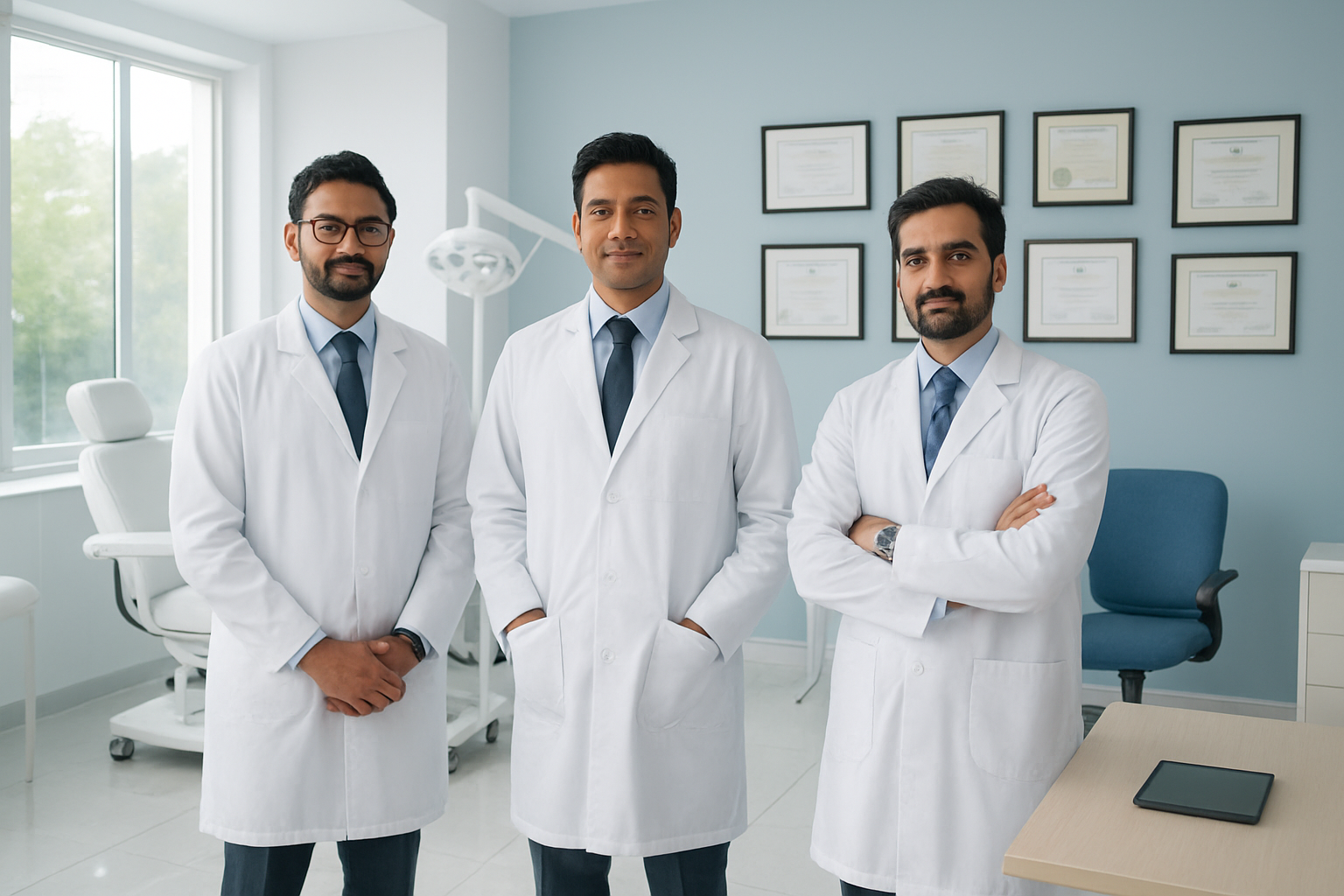
Finding the right hair transplant surgeon starts with checking credentials. The best doctors in Bangalore hold certifications from recognised medical boards and have specialised training in hair restoration.
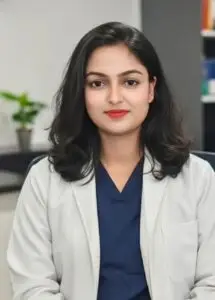
Mister Hair’s Clinical Lead, Dr. Saranya Thulasidoss (MBBS, MCh, Plastic Surgery; Tamil Nadu Medical Council Reg. No. 100818), is a qualified plastic surgeon whose surgical training underpins the clinic’s approach to graft handling and natural hairline design.
When evaluating surgeons, look for membership in professional organisations like the ISHRS, the Association of Hair Restoration Surgeons (AHRS), or the IADVL. These indicate a commitment to ongoing education and ethical practice standards.
Experience performing hair restoration procedures
Experience matters significantly in hair transplant procedures. Surgeons who have performed many transplants develop an artistic eye for hairline design and understand the nuances of different hair types and growth patterns.
Dr. Saranya Thulasidoss leads the Mister Hair clinical team across Karnataka and Chennai, with experience spanning routine and complex cases — including repair work from previous unsuccessful procedures. This depth helps the team handle challenging scenarios and achieve natural-looking results.
For More Information Contact Us : 917338671338
A surgeon who offers multiple techniques
The best hair transplant surgeons master various techniques to address different patient needs. Mister Hair offers FUE, Sapphire FUE (which uses sapphire blades for precise incisions and faster healing), DHI and FUT, allowing the team to customise treatment based on hair density, scalp condition, and patient preference.
Some cases also combine transplantation with non-surgical treatments like PRP therapy to support graft survival and healing. Surgeons who offer multiple techniques demonstrate a commitment to personalised treatment plans rather than a one-size-fits-all approach.
Patient Success Stories and Real Transformation Results
Before and after photo galleries from actual patients
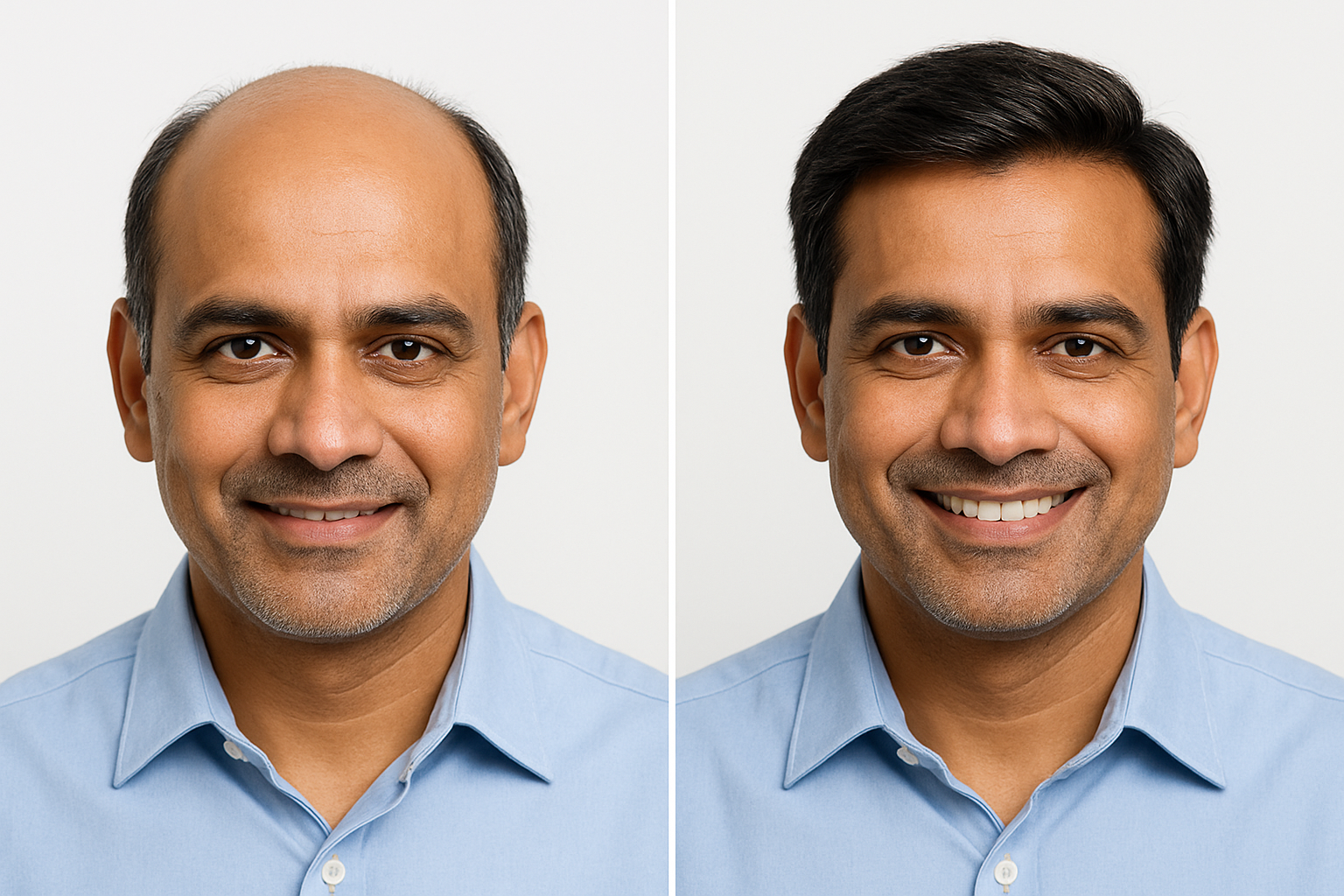
The most convincing evidence of a surgeon’s skill comes from visual proof of their work. Reputable clinics maintain photo galleries showing transformations across different hair loss stages. When reviewing them, pay attention to the naturalness of the hairline design, density distribution, and how well transplanted hair blends with existing hair. Quality clinics show progress photos at 3, 6, 9, and 12-month intervals, using consistent lighting and angles for honest representation.
Video testimonials from satisfied clients
Video testimonials reveal the complete patient journey, from initial consultation concerns to final satisfaction. Look for testimonials from patients with similar hair loss patterns to yours; the most valuable ones come from patients interviewed months or years after their procedure, showing mature results and honest reflections.
Long-term results showcasing natural hairline restoration
Leading surgeons create hairlines that age gracefully with patients. Natural restoration involves irregular, asymmetrical patterns that mimic how hair naturally grows — varied directions, appropriate density gradients, and seamless transitions between transplanted and existing hair. Long-term documentation proves the permanence of results.
Hair Transplant Techniques Available in Bangalore
FUE (Follicular Unit Extraction)
FUE is the gold standard for modern hair transplant procedures. This minimally invasive technique extracts individual follicles directly from the donor area using specialised micro-punches (typically 0.7–1.0mm). The biggest advantage is the absence of linear scarring, making it ideal for shorter hairstyles or active lifestyles. Most patients return to work within 3–5 days. With experienced surgeons and proper graft handling, survival rates of 90–95% or higher are achievable.
FUT (Follicular Unit Transplantation)
FUT remains effective for patients requiring maximum graft yield in a single session, harvesting a strip of hair-bearing scalp that is dissected under microscopes. Surgeons can harvest 2,000–4,000 grafts in one session. Modern closure techniques like trichophytic closure allow hair to grow through the scar line, reducing visibility to a thin 1–2mm line concealed by surrounding hair.
DHI (Direct Hair Implantation)
DHI uses a specialised Choi implanter pen combining extraction and implantation into one process, reducing the time grafts spend outside the body and giving precise control over the angle, direction, and depth of each hair. It enables implantation between existing hair without shaving the entire recipient area, with minimal bleeding and faster recovery.
Robotic precision
ARTAS robotic systems use algorithms and high-resolution cameras to identify and select donor follicles while avoiding damage to surrounding tissue, mapping the scalp in 3D for optimal extraction. The system maintains consistent precision through lengthy sessions, supporting uniform graft quality.
| Technique | Grafts per Session | Scarring | Recovery Time | Precision Level |
|---|---|---|---|---|
| FUE | 1,500-3,000 | Minimal dots | 3-5 days | High |
| FUT | 2,000-4,000 | Linear scar | 7-10 days | Very High |
| DHI | 1,000-2,500 | None | 2-4 days | Excellent |
| Robotic | 2,000-4,000 | Minimal dots | 3-5 days | Superior |
Cost and Value Assessment

Transparent pricing without hidden fees
The best clinics prioritise upfront pricing with no surprise costs. Reputable surgeons provide detailed breakdowns covering consultation, pre-operative tests, the procedure, anaesthesia, medications, and facility charges. Mister Hair provides written estimates with locked-in pricing, so you know exactly what you’re paying before the procedure. Watch out for clinics advertising unrealistically low prices, as they often add charges for basic services like anaesthesia or follow-up visits.
Per-graft pricing at Mister Hair
At Mister Hair, per-graft pricing is the same across every branch — no location surcharge, no hidden add-ons:
| Technique | Cost per graft | Typical 2,000-graft session |
|---|---|---|
| FUE | ₹30–45 | ₹60,000–90,000 |
| Sapphire FUE | ₹40–55 | ₹80,000–1,10,000 |
| DHI | ₹45–65 | ₹90,000–1,30,000 |
Most procedures require 1,500–3,000 grafts. All-inclusive packages typically range from ₹1.2L to ₹3L, with no-cost EMI from ₹4,999/month and your exact graft count confirmed before surgery. Remember that the lowest per-graft cost doesn’t always mean the best value — surgeon expertise and included aftercare matter more over the long run.
For More Information Contact Us : 917338671338
Payment plans and financing
Hair transplants are a significant investment, and most established centres offer flexible payment solutions. Popular options include 12–24 month EMI plans with major banks, medical loans through healthcare financing companies, and credit-card installments. Many clinics, including Mister Hair, offer 0% EMI through bank partnerships.
Clinic Facilities and Safety Standards
Equipment and sterilisation protocols
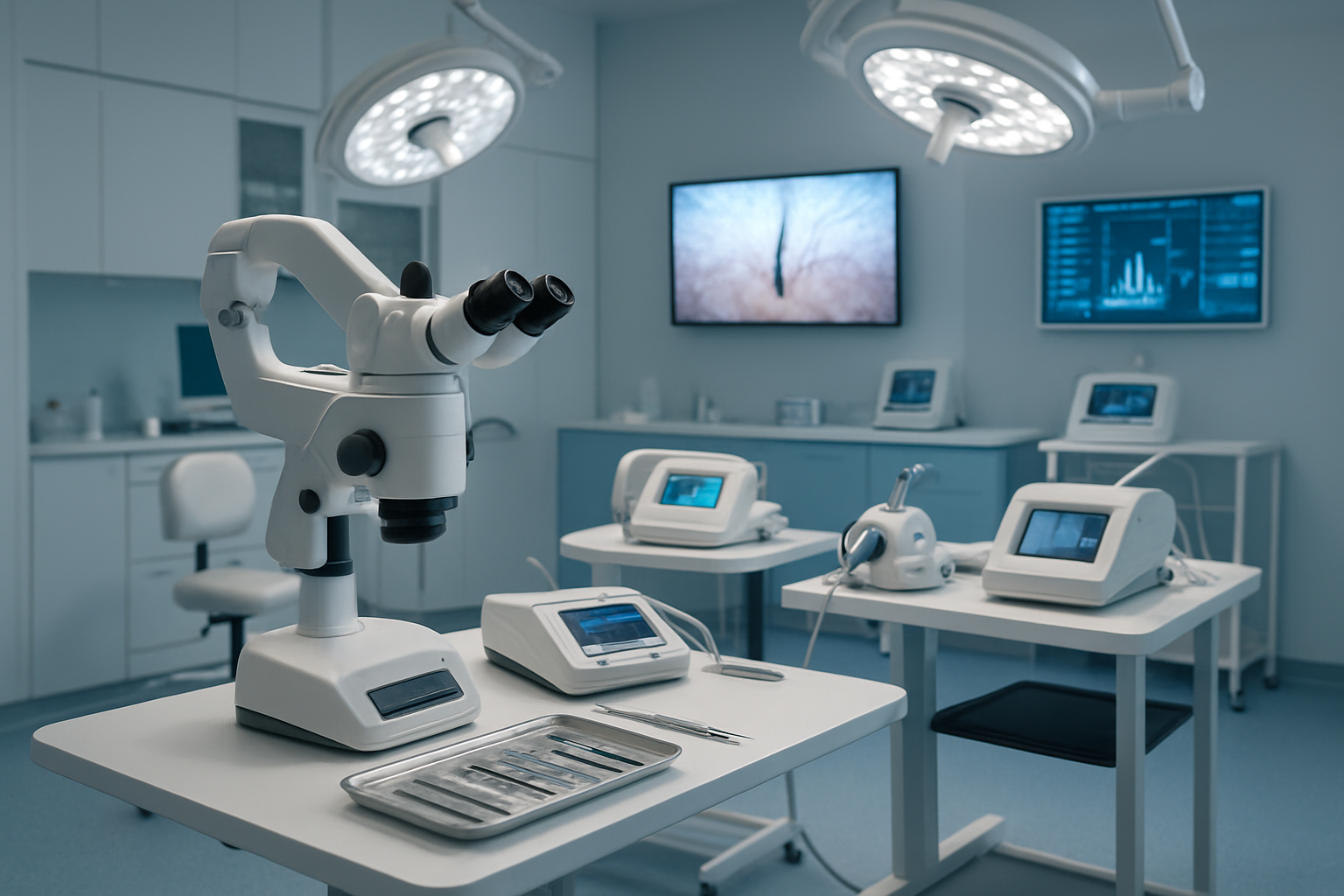
Modern hair transplant clinics in Bangalore invest in technology that improves treatment outcomes — advanced microscopic equipment for precise follicle extraction and implantation, and graft-handling that minimises damage.
Sterilisation protocols in reputable clinics follow international medical standards: multi-stage instrument sterilisation including ultrasonic cleaning and steam sterilisation at 134°C, with single-use items like needles, blades, and implanter tips never reused between patients. Operating theatres maintain positive air pressure with HEPA filtration. Temperature and humidity controls, plus controlled graft-storage systems, create optimal conditions for follicle survival between extraction and implantation.
Accredited facilities with international standards
Top clinics pursue accreditation from recognised bodies such as the National Accreditation Board for Hospitals and Healthcare Providers (NABH), or international standards like JCI. These require rigorous standards covering patient safety, staff qualifications, and infrastructure, with regular audits. Fire safety, emergency exits, proper ventilation, secure record-keeping, and patient-privacy standards are all part of accredited practice.
For More Information Contact Us : 917338671338
Emergency care and medical support staff
Qualified medical teams include the lead surgeon, trained nurses, and anaesthesia support when needed. Although hair transplant procedures are generally low-risk, well-equipped clinics maintain emergency supplies and staff trained in emergency response. Post-operative monitoring and nurses trained in aftercare help identify any complications early, and 24/7 support lines connect patients with medical staff during recovery. Partnerships with nearby multispecialty hospitals provide a safety net for the rare event that advanced care is needed.
Conclusion
Choosing the right hair transplant surgeon in Bangalore comes down to a proven approach, modern techniques, and genuine patient results — not just cost. Your hair restoration journey shouldn’t end after the procedure; the best surgeons provide ongoing support and proper post-treatment care that makes all the difference.
Take time to research thoroughly, read actual patient reviews, and schedule consultations to find the surgeon who understands your specific needs and can deliver natural-looking results.
For More Information Contact Us : 917338671338
← Back to all articles