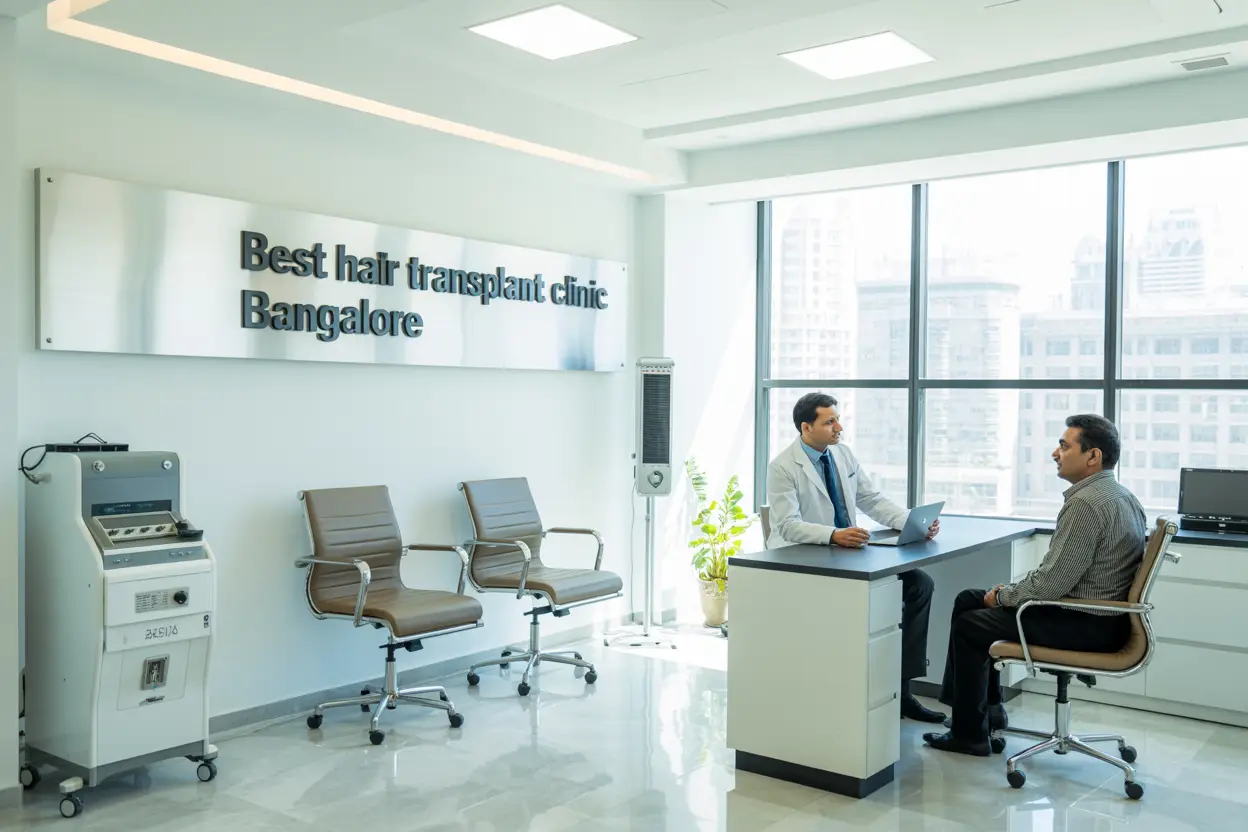
Hair loss affects millions of people in Bangalore, and finding the best hair transplant clinic can feel overwhelming when you’re dealing with something so personal.
This guide is for anyone considering hair restoration surgery in Bangalore – whether you’re just starting to research options or ready to book your consultation.
We’ll break down what makes Mister Hair and other top clinics stand out in Bangalore’s competitive hair transplant market.
You’ll discover the key factors that separate excellent clinics from average ones, including surgeon expertise, technology, and patient care standards.
We’ll also walk you through the different hair transplant techniques available and help you understand the real costs involved, so you can make the best decision for your situation and budget.
Essential Factors to Evaluate When Choosing a Hair Transplant Clinic
Surgeon Credentials and Specialized Training Requirements
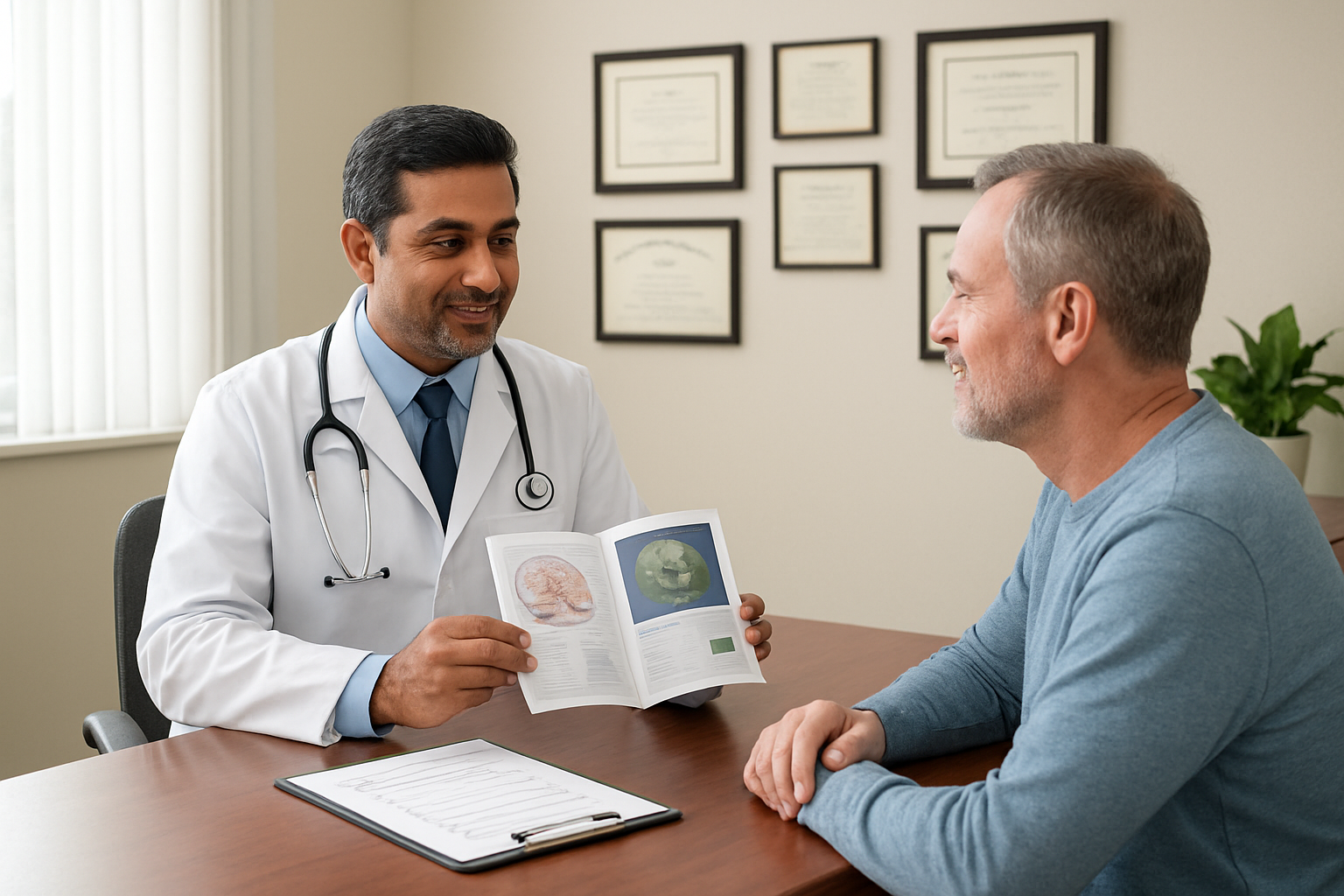
Board certification stands as the cornerstone of surgeon credibility. Look for doctors who hold certifications from recognized medical boards, specifically in dermatology or plastic surgery.
These specialists should have completed dedicated training in hair restoration techniques, not just general surgical procedures.
Experience matters tremendously in hair transplantation. Surgeons who have performed thousands of procedures bring expertise that you simply can’t find elsewhere.
Ask about their specific training in FUE (Follicular Unit Extraction) and FUT (Follicular Unit Transplantation) techniques. Many top surgeons have trained internationally under renowned hair restoration experts.
Membership in professional organizations like the International Society of Hair Restoration Surgery (ISHRS) indicates commitment to staying current with industry standards. These memberships require ongoing education and adherence to ethical practices.
Don’t hesitate to request before-and-after photos of the surgeon’s previous work. A skilled surgeon will proudly showcase their results and explain their approach to different types of hair loss patterns.
Advanced Technology and Latest Transplant Techniques Available
Modern hair transplant clinics should offer both FUE and FUT methods. FUE uses advanced microsurgical tools to extract individual follicles, while FUT involves removing a strip of hair-bearing skin. Each technique has specific advantages depending on your hair loss pattern and goals.
Robotic-assisted procedures like ARTAS represent cutting-edge technology that can improve precision and reduce human error. These systems use AI to select the best donor follicles and create recipient sites with incredible accuracy.
DHI (Direct Hair Implantation) technology allows for immediate implantation without creating recipient holes first. This technique can reduce trauma to existing hair and improve survival rates of transplanted follicles.
| Technology | Benefits | Ideal Candidates |
|---|---|---|
| Manual FUE | Precise control, versatile | All hair types |
| Robotic FUE | Consistent extraction, reduced fatigue | Straight to wavy hair |
| DHI | Minimal handling, higher survival rates | Dense packing requirements |
Safety Protocols and Hygiene Standards Maintained
Sterile environments are non-negotiable in hair transplantation. The clinic should maintain operating room-level cleanliness with proper sterilization equipment for all instruments. Single-use items should never be reused, and staff should follow strict hygiene protocols.
Look for clinics that have proper accreditation from health authorities. In India, this means clearance from state health departments and adherence to medical council guidelines. International accreditations like JCI (Joint Commission International) provide additional assurance.
The clinic should have emergency protocols in place. While complications in hair transplants are rare, proper medical backup and emergency procedures demonstrate professionalism and preparedness.
Staff training programs ensure everyone understands infection control measures. The best clinics conduct regular training sessions and maintain detailed protocols for every aspect of the procedure.
Success Rate Statistics and Patient Outcomes
Reputable clinics track their success rates meticulously. Industry standards suggest that 90-95% of transplanted hair should survive and grow. Ask for specific statistics about the clinic’s outcomes, including graft survival rates and patient satisfaction scores.
Patient testimonials provide valuable insights, but look beyond cherry-picked reviews. Check multiple platforms and ask for contact information of previous patients who are willing to share their experiences.
Long-term follow-up data reveals the true quality of results. Hair transplant outcomes continue to improve for up to 18 months post-procedure. Clinics that maintain long-term relationships with patients and track progress demonstrate commitment to lasting results.
Before-and-after galleries should include diverse cases showing different types of hair loss, age groups, and ethnic backgrounds. This variety indicates the surgeon’s versatility and experience with various patient profiles.
Revision rates tell another important story. Low rates of revision procedures suggest high initial success, while transparency about when revisions might be needed shows honest communication practices.
Top-Rated Hair Transplant Clinics in Bangalore
Mister Hair Clinic Comprehensive Overview and Specializations
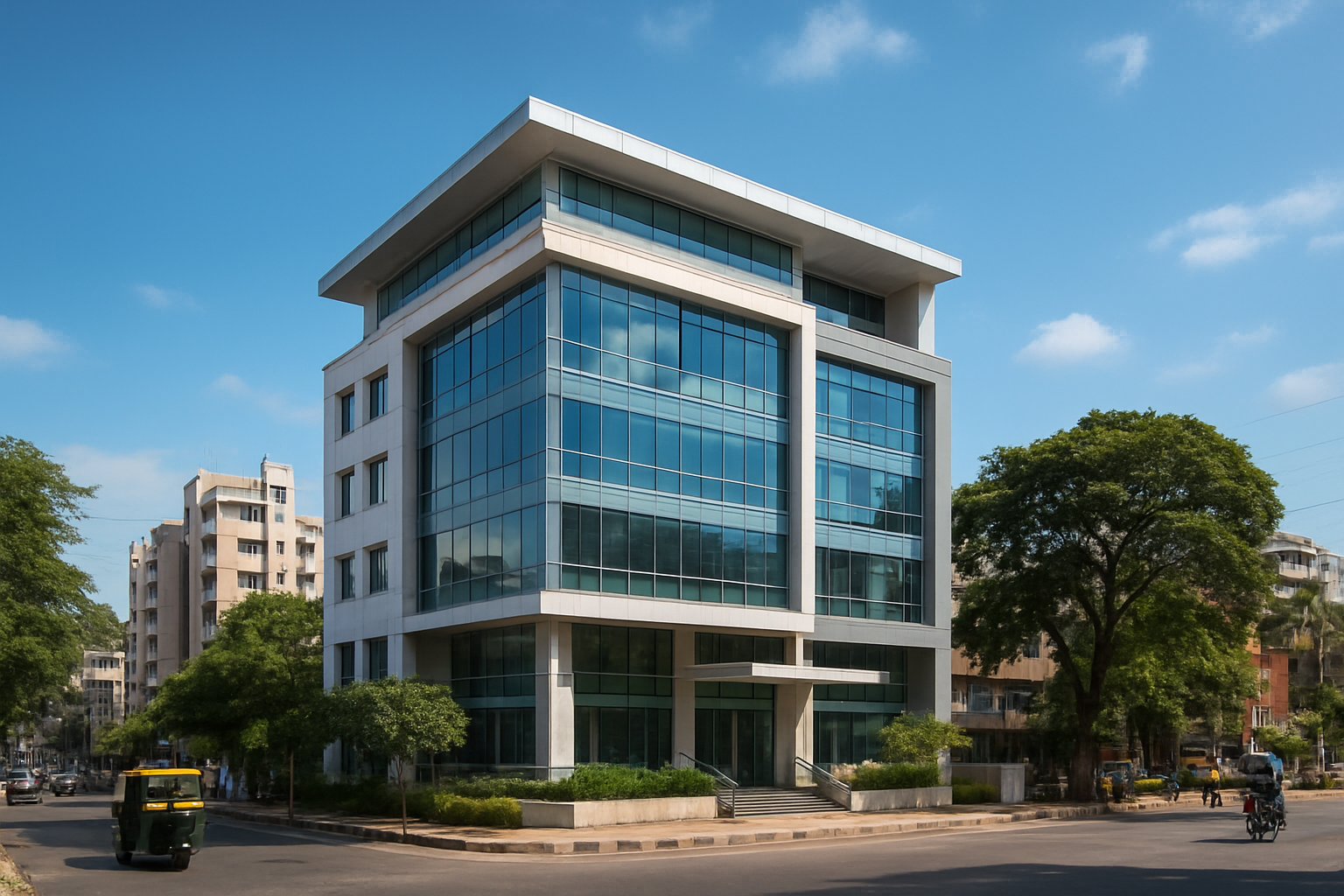
Mister Hair stands out as a premier destination for hair restoration in Bangalore, offering cutting-edge treatments with a focus on natural-looking results.
The clinic specializes in advanced FUE (Follicular Unit Extraction) and FUT (Follicular Unit Transplantation) techniques, ensuring minimal scarring and faster recovery times.
Their team of experienced surgeons performs over 500 procedures annually, maintaining a 95% success rate.
What sets Mister Hair apart is their personalized approach to each patient. They conduct thorough consultations using digital hair analysis technology to determine the exact number of grafts needed.
The clinic offers specialized treatments for different hair loss patterns, including male pattern baldness, female pattern hair loss, and eyebrow restoration.
Their state-of-the-art facility features dedicated operation theaters with laminar airflow systems, ensuring sterile conditions throughout the procedure.
The clinic also provides comprehensive aftercare programs, including PRP therapy sessions and nutritional guidance to optimize hair growth results.
Leading Competitor Clinics and Their Unique Offerings
Several established clinics compete for the top position in Bangalore’s hair transplant market. Advanced Hair Studio focuses on non-surgical solutions alongside traditional transplants, offering laser therapy and hair weaving services. Their strength lies in treating early-stage hair loss with innovative technologies.
Eugenix Hair Sciences brings international expertise with their team of globally trained surgeons. They specialize in mega-sessions, transplanting up to 5000 grafts in a single sitting, making them ideal for patients with extensive hair loss.
Their body hair transplantation technique helps patients with limited scalp donor areas.
Dr. Batra’s Clinic combines homeopathic treatments with modern transplant techniques, appealing to patients seeking holistic approaches. They offer a unique guarantee program and focus heavily on preventive treatments.
Trichos Hair Transplant Center emphasizes robotic-assisted procedures using the ARTAS system, providing precision and consistency in graft extraction. Their computer-guided approach reduces human error and improves overall results.
Comparative Analysis of Treatment Costs Across Clinics
Hair transplant costs in Bangalore vary significantly based on technique, clinic reputation, and number of grafts required. Here’s a comprehensive breakdown:
| Clinic | FUE Cost (per graft) | FUT Cost (per graft) | Average Session Cost |
|---|---|---|---|
| Mister Hair | ₹35-45 | ₹25-35 | ₹80,000-₹1,50,000 |
| Advanced Hair Studio | ₹40-50 | ₹30-40 | ₹90,000-₹1,80,000 |
| Eugenix Hair Sciences | ₹50-70 | ₹35-45 | ₹1,20,000-₹2,50,000 |
| Dr. Batra’s | ₹30-40 | ₹20-30 | ₹70,000-₹1,20,000 |
| Trichos | ₹45-60 | ₹35-45 | ₹1,00,000-₹2,00,000 |
Most clinics offer package deals for larger sessions, with discounts ranging from 10-20% for procedures requiring over 2000 grafts. Additional costs include pre-operative tests (₹5,000-₹8,000), medications (₹3,000-₹5,000), and follow-up PRP sessions (₹8,000-₹12,000 per session).
Financing options are available at most clinics, with EMI plans ranging from 6 to 24 months. Some clinics also provide revision surgery guarantees, though terms and conditions vary significantly across providers.
Hair Transplant Techniques and Procedures Available
FUE Method Benefits and Ideal Candidate Profiles
The Follicular Unit Extraction (FUE) method has become the gold standard for modern hair transplantation, and most Bangalore clinics have mastered this technique.
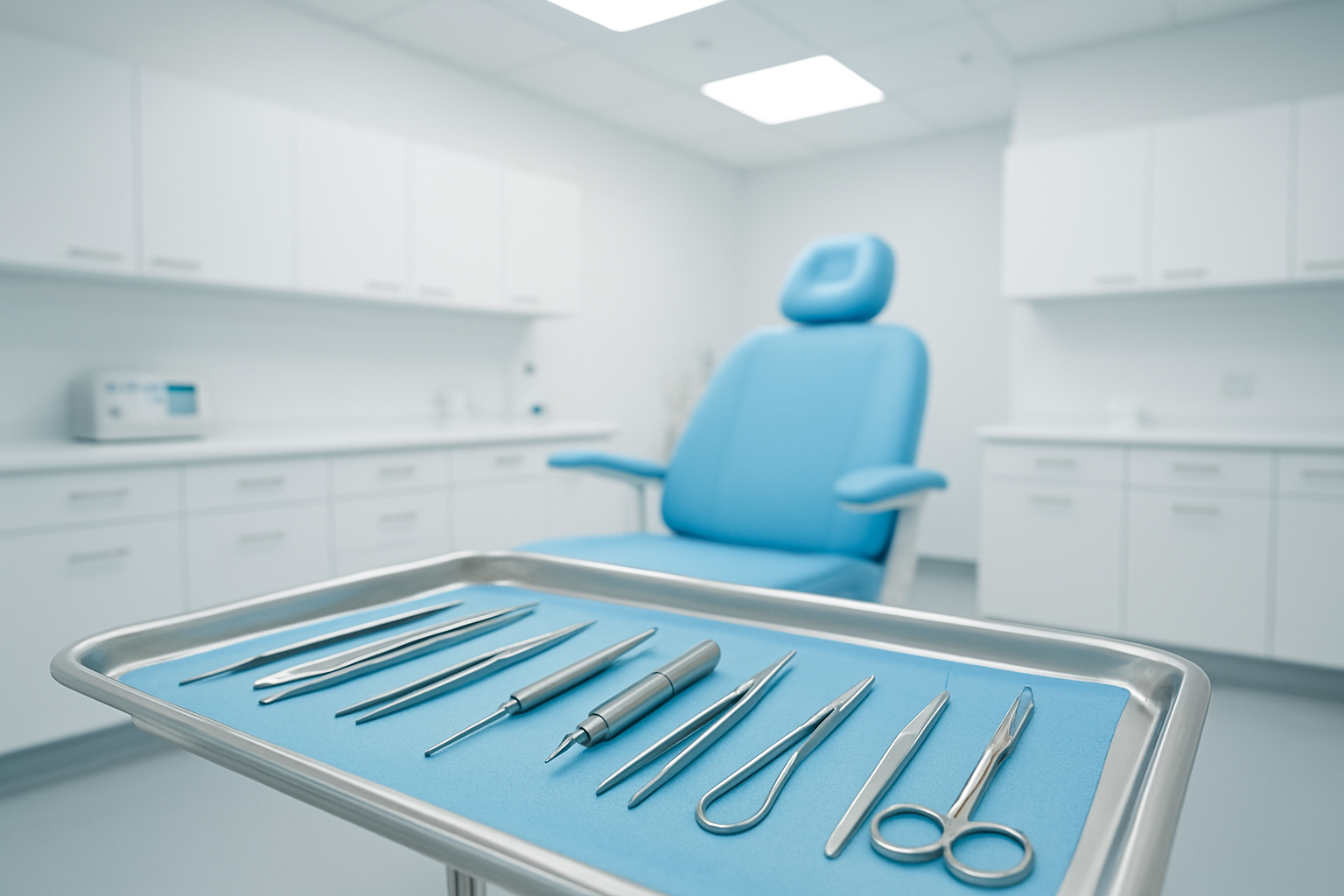
FUE involves extracting individual hair follicles from the donor area using a micro-punch tool, typically ranging from 0.7mm to 1.0mm in diameter. This precision approach leaves tiny, almost invisible scars that heal within days.
The biggest advantage of FUE is the minimal downtime. You can return to work within 2-3 days, making it perfect for busy professionals.
The procedure doesn’t require stitches or leave a linear scar, which means you can wear your hair short without worrying about visible marks. Recovery pain is minimal, and most patients describe it as mild discomfort rather than actual pain.
FUE works best for patients with:
Stable hair loss patterns
Sufficient donor hair density
Realistic expectations about results
Grade 2-6 hair loss on the Norwood scale
Those preferring shorter hairstyles
The technique allows for selective harvesting of the healthiest follicles, resulting in better survival rates and natural-looking results. Session duration varies from 4-8 hours depending on the number of grafts needed, typically ranging from 1,000 to 3,000 grafts per session.
FUT Technique Advantages and Recovery Timeline
Follicular Unit Transplantation (FUT), also known as the strip method, remains a viable option for specific cases in Bangalore clinics.
This technique involves removing a strip of hair-bearing scalp from the donor area, usually the back of the head, then carefully dissecting it into individual follicular units under microscopic magnification.
FUT’s primary advantage lies in its efficiency for large-scale transplantations. Surgeons can harvest 2,000-4,000 grafts in a single session, making it ideal for patients requiring extensive coverage.
The procedure typically takes 4-6 hours, shorter than equivalent FUE sessions. Cost-wise, FUT is generally more affordable since it requires less time and specialized equipment.
For More Information Contact Us : 91 7338671338
Recovery Timeline:
Days 1-3: Mild to moderate discomfort, swelling around the donor area
Day 7-10: Suture removal appointment
Week 2: Return to normal activities, avoid heavy lifting
Week 3-4: Complete healing of the donor area
Month 3: New hair growth begins
Month 6-12: Full results visible
FUT candidates include those with:
Extensive balding requiring maximum graft yield
Good scalp elasticity
Preference for longer hairstyles to hide the linear scar
Budget constraints
Single session preference
DHI Procedure Innovation and Precision Results
Direct Hair Implantation (DHI) represents the latest evolution in hair transplant technology, available at select premium clinics in Bangalore.
This technique uses a specialized Choi implanter pen that extracts and implants hair follicles in a single motion, eliminating the need for pre-made recipient sites.
The DHI process creates recipient holes and places grafts simultaneously, reducing the time follicles spend outside the body. This shorter exposure time typically results in higher graft survival rates, often exceeding 95%.
The Choi pen allows surgeons to control the angle, depth, and direction of each implanted hair with exceptional precision, creating incredibly natural hairlines.
Key DHI advantages:
No need to shave the entire head
Denser hair packing possible
Reduced bleeding and trauma
Faster healing process
More precise angle control
Less handling of grafts
DHI sessions usually take longer than traditional methods, ranging from 6-10 hours for 2,000-3,000 grafts. The technique requires highly skilled technicians trained specifically in DHI methodology. Results become visible around month 4, with full density achieved by month 12-18.
This method suits patients wanting maximum precision, those with existing hair they don’t want to disturb, and individuals seeking the most advanced technology available.
Robotic Hair Transplant Technology Advantages
Robotic hair transplantation using systems like ARTAS represents the cutting edge of hair restoration technology, though availability in Bangalore remains limited to top-tier clinics.
This computer-assisted procedure uses artificial intelligence and robotic precision to identify and extract the best hair follicles from the donor area.
The robotic system creates 3D mapping of your scalp, analyzing hair density, angle, and quality before selecting optimal follicles for extraction.
This AI-driven approach eliminates human error in follicle selection and ensures consistent extraction angles. The robot can work continuously without fatigue, maintaining precision throughout lengthy procedures.
Robotic transplant benefits:
Extremely precise follicle selection
Consistent extraction quality
Reduced procedure time
Minimal human error
Advanced imaging capabilities
Standardized results
The technology particularly excels in the extraction phase of FUE procedures, though human expertise remains essential for recipient site creation and graft placement.
Recovery follows similar timelines to traditional FUE, with the added benefit of potentially better graft quality due to precise extraction.
Robotic procedures typically cost 20-30% more than manual techniques but offer unparalleled consistency. The technology works best for patients with straight to wavy hair, as current systems have limitations with very curly hair patterns.
Results show excellent naturalness with high survival rates, making it an attractive option for those seeking the most advanced available technology.
Cost Analysis and Value for Money Considerations

Average Price Ranges for Different Transplant Methods
FUE (Follicular Unit Extraction) procedures typically range from ₹35,000 to ₹1,50,000 depending on the number of grafts required and clinic reputation. FUT (Follicular Unit Transplantation) generally costs 20-30% less than FUE, making it around ₹25,000 to ₹1,20,000 for similar graft counts.
Advanced techniques like Direct Hair Implantation (DHI) command premium pricing, often 15-25% higher than standard FUE. Robotic hair transplant procedures, while rare in Bangalore, can cost upwards of ₹2,00,000 for comprehensive treatments.
| Procedure Type | Price Range (₹) | Grafts Covered |
|---|---|---|
| FUT | 25,000 – 1,20,000 | 1,000 – 4,000 |
| FUE | 35,000 – 1,50,000 | 1,000 – 4,000 |
| DHI | 45,000 – 1,80,000 | 1,000 – 4,000 |
Hidden Costs and Additional Fees to Anticipate
Pre-operative blood tests and medical evaluations add ₹3,000-₹8,000 to your total bill. Many clinics charge separately for anesthesia, which ranges from ₹2,000-₹5,000 depending on procedure duration.
Post-surgery medications including antibiotics, pain relievers, and specialized shampoos typically cost ₹1,500-₹4,000. Follow-up consultations might carry charges of ₹500-₹2,000 per visit, especially if additional treatments like PRP therapy are recommended.
Travel and accommodation expenses for out-of-city patients can add ₹5,000-₹15,000 to the overall cost. Some clinics offer package deals including hotel stays, but these aren’t always the most economical option.
Insurance Coverage Options and Payment Plans
Most health insurance policies exclude cosmetic procedures like hair transplants, treating them as elective surgeries. However, if hair loss results from medical conditions like alopecia areata or trauma, some insurers might provide partial coverage.
Many established clinics offer EMI options through partnerships with financial institutions. Interest rates typically range from 12-18% annually, with repayment periods extending up to 24 months. Zero-interest EMI schemes are occasionally available for procedures above ₹50,000.
Credit card companies often provide special healthcare financing options with reduced interest rates. Medical loan providers like Bajaj Finserv and Tata Capital offer dedicated aesthetic treatment loans with competitive rates.
For More Information Contact Us : 91 7338671338
Long-term Value Versus Upfront Investment
Hair transplants provide permanent results, making them more cost-effective than ongoing treatments like topical medications or regular PRP sessions. A quality transplant eliminates monthly expenses on hair growth products, which can total ₹3,000-₹8,000 annually.
The psychological benefits of restored confidence often translate into professional and personal improvements that justify the investment. Most patients report high satisfaction rates, with results lasting 15-20 years or more with proper care.
Choosing cheaper options might require revision surgeries, ultimately costing more than investing in a reputable clinic initially. Quality grafts have higher survival rates, ensuring better density and natural appearance that stands the test of time.
Patient Experience and Recovery Process
Pre-treatment consultation and planning phase
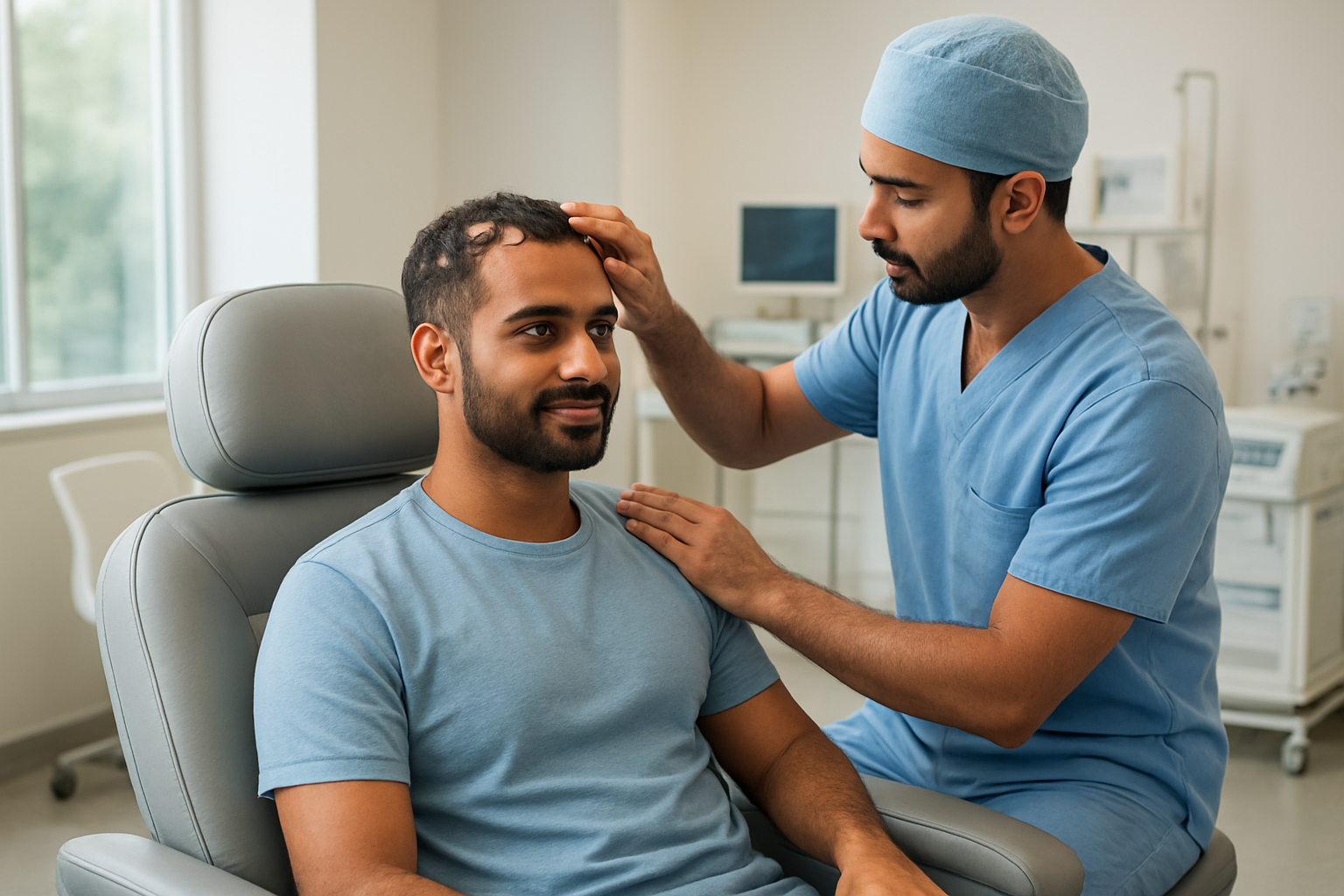
Your journey begins with a detailed consultation where surgeons assess your hair loss pattern, scalp condition, and donor area availability.
During this phase, expect to undergo scalp analysis using advanced imaging technology to map out the exact areas requiring treatment. The surgeon will discuss your expectations, medical history, and determine if you’re an ideal candidate for hair transplantation.
Most reputable clinics in Bangalore provide comprehensive consultation packages that include digital hair analysis, personalized treatment plans, and 3D simulations showing expected results.
This planning phase typically takes 60-90 minutes and helps establish realistic goals while addressing any concerns about the procedure.
Day-of-procedure expectations and comfort measures
Hair transplant procedures in Bangalore typically last 6-8 hours, depending on the number of grafts required. Clinics prioritize patient comfort by providing:
Local anesthesia to eliminate pain during extraction and implantation
Comfortable reclining chairs with entertainment systems
Regular breaks for meals and refreshments
Dedicated nursing staff for continuous monitoring
Pain management protocols including mild sedatives if needed
Most patients report minimal discomfort during the procedure, with many describing it as similar to getting a lengthy dental treatment. Advanced clinics use micro-punch techniques that reduce tissue trauma and bleeding.
Post-operative care instructions and timeline
Recovery follows a structured timeline with specific care instructions:
Days 1-3:
Keep the scalp dry and avoid washing
Sleep with head elevated at 45 degrees
Take prescribed antibiotics and pain medications
Avoid touching or scratching the transplanted area
Days 4-10:
Gentle washing with prescribed shampoo
Avoid direct sunlight and excessive sweating
Return to light activities, avoid strenuous exercise
Follow-up appointment for progress assessment
Weeks 2-4:
Resume normal washing routine
Gradual return to exercise and outdoor activities
Possible shedding of transplanted hair (normal process)
Expected results timeline and maintenance requirements
Hair transplant results follow a predictable pattern:
| Timeline | Expected Progress |
|---|---|
| 1-3 months | Initial shedding, new growth begins |
| 4-6 months | 30-40% of final results visible |
| 8-12 months | 70-80% growth completion |
| 12-18 months | Final results achieved |
Long-term maintenance includes:
Regular follow-up appointments
Proper scalp hygiene
Sun protection for the first year
Potential PRP sessions for enhanced growth
Monitoring existing hair for future loss
Real patient testimonials and satisfaction ratings
Bangalore’s leading hair transplant clinics consistently report 90-95% patient satisfaction rates. Common positive feedback includes:
Patient testimonials highlight:
Natural-looking hairlines that blend seamlessly
Minimal scarring with FUE techniques
Professional staff and clean facilities
Comprehensive aftercare support
Value for money compared to international options
Success metrics from top clinics:
Graft survival rates: 85-95%
Patient recommendation rates: 92-97%
Complication rates: Less than 2%
Revision surgery requirements: Under 5%
Most patients express satisfaction with both the immediate care received and long-term results achieved. The combination of skilled surgeons, modern facilities, and competitive pricing makes Bangalore an attractive destination for hair restoration procedures.
Making Your Final Decision
Questions to Ask During Consultation Appointments
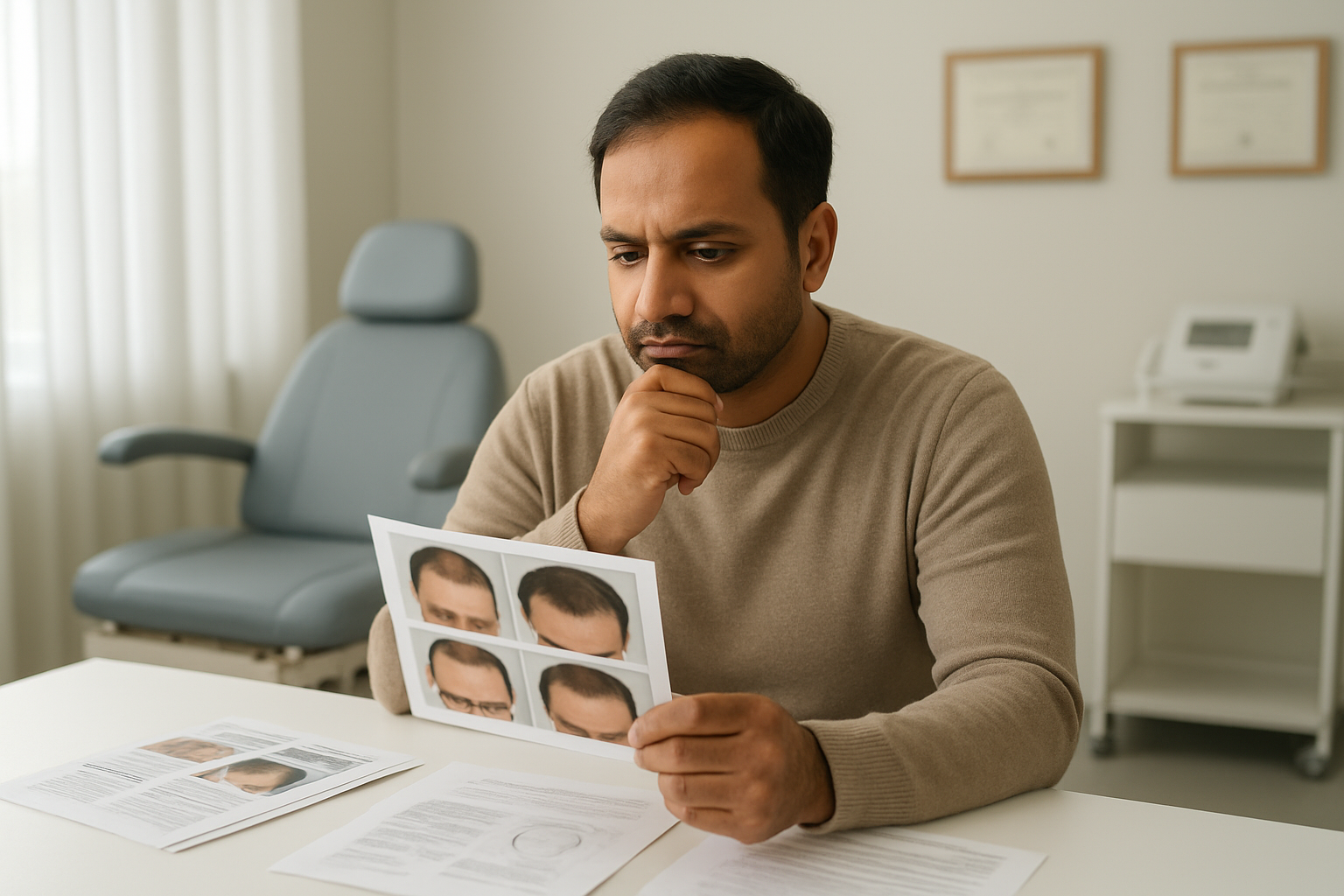
Walking into your consultation appointment prepared makes all the difference. Start by asking about the surgeon’s specific experience with your type of hair loss.
Find out how many procedures they perform monthly and what their success rate looks like. Don’t hesitate to request before-and-after photos of patients with similar hair patterns to yours.
Ask about the exact technique they recommend for your case and why. Understanding whether FUE, FUT, or another method suits your situation helps you make an informed choice.
For More Information Contact Us : 91 7338671338
Get clarity on how many grafts you’ll need and what results you can realistically expect within 6, 12, and 18 months.
Cost transparency matters enormously. Request a detailed breakdown covering the procedure, medications, follow-up visits, and any potential additional treatments. Some clinics offer package deals, while others charge separately for each service.
Recovery timeline questions are equally important. Ask about time off work, activity restrictions, and when you can resume exercise or travel. Understanding the post-operative care protocol, including washing instructions and medication schedules, helps you plan accordingly.
Red Flags to Avoid When Selecting Clinics
Some warning signs should immediately raise concerns. Clinics that guarantee unrealistic results or promise “permanent” solutions without discussing individual factors are often overselling. Hair restoration outcomes vary significantly between patients, and reputable clinics acknowledge this reality.
Pressure tactics during consultations signal trouble. Legitimate clinics give you time to consider options rather than pushing for immediate decisions or same-day procedures.
Be wary of clinics offering dramatically lower prices than competitors – quality procedures require skilled staff, proper equipment, and sterile facilities.
Missing credentials present another major red flag. Verify that surgeons have proper medical licenses and specialized training in hair restoration. Clinics should readily provide this information without hesitation.
Poor facility conditions or outdated equipment suggest compromised standards. Clean, modern facilities with proper sterilization protocols protect your health and treatment outcomes. Trust your instincts if something feels off during your visit.
Booking Process and Preparation Steps
Once you’ve selected your clinic, the booking process typically involves scheduling your procedure date and receiving pre-operative instructions. Most reputable clinics require a deposit to secure your appointment, with remaining payments due before or on the procedure day.
Pre-procedure preparation starts weeks before your appointment. Stop taking blood-thinning medications, supplements, and alcohol as directed by your surgeon. Some clinics recommend specific hair washing protocols or prescribe medications to optimize graft survival.
Arrange transportation for procedure day since you shouldn’t drive afterward. Plan for comfortable, loose-fitting clothing and bring snacks or entertainment for the lengthy procedure. Many patients find podcasts or audiobooks helpful during the treatment.
Complete all required paperwork and medical clearances beforehand. Some patients need additional tests or consultations with other specialists before proceeding. Having everything organized reduces stress and ensures your procedure stays on schedule.
Prepare your recovery space at home with extra pillows, prescribed medications, and gentle hair care products. Stock up on soft foods and plan for several days of limited activity while your scalp heals properly.

Finding the right hair transplant clinic in Bangalore doesn’t have to be overwhelming when you know what to look for. The key factors that matter most are the surgeon’s expertise, the technology they use, transparent pricing, and genuine patient testimonials.
Top clinics like Mister Hair stand out because they combine advanced techniques like FUE and DHI with personalized care that puts patients first. Remember to visit multiple clinics, ask detailed questions about procedures and costs, and never rush into a decision based on price alone.
Your hair restoration journey is an investment in your confidence and future self. Take time to research thoroughly, consult with qualified professionals, and choose a clinic that makes you feel comfortable and well-informed.
The best clinic for you is one that matches your specific needs, budget, and expectations while maintaining the highest standards of safety and results. Book consultations with your top choices and trust your instincts when making this important decision.