
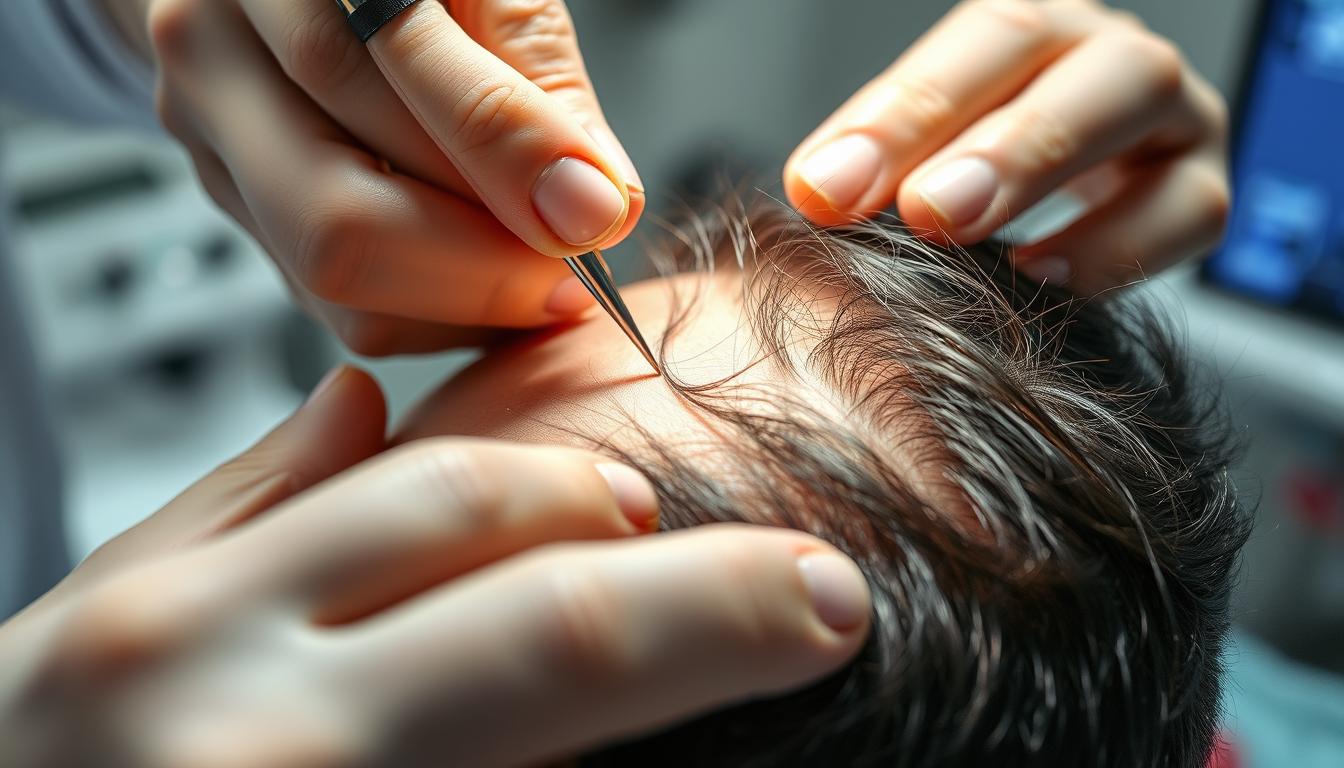
Mister hair Achieving a natural appearance is a top priority for individuals undergoing hair restoration treatments. The sapphire hair transplant procedure has emerged as a revolutionary technique, offering unparalleled results.
This advanced technology has transformed the landscape of hair restoration in India, providing a reliable solution for those seeking a natural-looking hairline.
With its cutting-edge methodology, the sapphire hair transplant ensures a seamless integration of transplanted hair, resulting in a more authentic appearance.
Key Takeaways
- Advanced technology for natural-looking results
- Revolutionary technique in hair restoration
- Seamless integration of transplanted hair
- Authentic appearance with cutting-edge methodology
- Reliable solution for hair loss in India
Understanding Hair Loss and Treatment Options
Hair loss is a common issue in India, driven by a mix of genetic, environmental, and lifestyle factors. Understanding the underlying causes is crucial for selecting the most appropriate treatment.
Common Causes of Hair Loss in Indian Population
Hair loss in India can be attributed to several factors, including:
- Genetic predisposition
- Hormonal imbalances
- Stress and poor diet
- Environmental factors such as pollution
These factors can lead to conditions like androgenetic alopecia, a common cause of hair loss.
Overview of Available Hair Restoration Techniques
Several hair restoration techniques are available, including:
- FUE (Follicular Unit Extraction): A minimally invasive procedure
- FUT (Follicular Unit Transplantation): Also known as the strip method
- Sapphire Hair Transplant: An advanced form of FUE using sapphire blades
Each technique has its advantages, with FUE hair transplant being particularly popular for its natural-looking results and minimal scarring.
What is a Sapphire Hair Transplant?
In the realm of hair restoration, sapphire hair transplant stands out for its innovative use of sapphire blades. This advanced technique is part of the FUE (Follicular Unit Extraction) hair transplant family but distinguishes itself through the use of sapphire blade technology.
Definition and Core Technology
Sapphire hair transplant is a refined version of the traditional FUE method. It utilizes sapphire blades for creating recipient sites, which is where the hair follicles are implanted. The sapphire blades are known for their precision and ability to create very fine slits, which is crucial for achieving natural-looking hair density and direction.
Evolution from Traditional FUE Methods
The evolution to sapphire hair transplant from traditional FUE methods is marked by the incorporation of sapphire blade technology. This advancement allows for more precise control over the size and depth of the recipient sites, enhancing the overall outcome of the transplant.
Why Sapphire Blades Make a Difference
Sapphire blades make a significant difference due to their durability and the fine edges they maintain, allowing for more natural-looking results and potentially less trauma to the scalp. This contributes to a faster healing process and more satisfactory outcomes for patients.
The Science Behind Sapphire Hair Transplant
The science behind Sapphire Hair Transplant is rooted in the exceptional properties of sapphire blades, which significantly enhance the transplant process. Sapphire, a form of corundum, is renowned for its hardness and durability, making it ideal for surgical applications.
Properties of Sapphire Blades
Sapphire blades are extremely sharp and maintain their edge longer than traditional blades. This property allows for precise incisions, which is crucial in hair transplantation for achieving natural-looking results.
Impact on Incision Quality and Healing
The use of sapphire blades results in minimally invasive incisions, leading to less trauma to the scalp and faster healing times. According to a study published in a leading medical journal, patients who underwent hair transplantation with sapphire blades experienced a reduction in recovery time compared to those treated with traditional methods.
Research Supporting Sapphire Technology
Research in the field of hair restoration has consistently shown that sapphire blade technology improves outcomes. A notable study highlighted that the precision offered by sapphire blades contributes to more natural-looking hair transplants, a key concern for individuals undergoing this procedure.
“The integration of sapphire blades into hair transplantation has marked a significant advancement in our ability to deliver high-quality, natural-looking results to our patients,” notes a leading expert in hair restoration.
How Sapphire Hair Transplant Differs from Traditional Methods
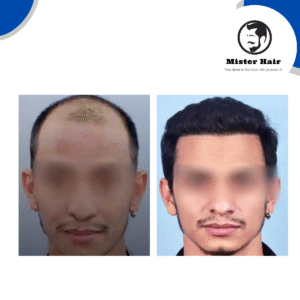
The Sapphire hair transplant technique stands out from conventional FUE and FUT methods by offering a more advanced and refined approach to hair restoration.
Comparison with Traditional FUE
Traditional FUE (Follicular Unit Extraction) involves extracting individual hair follicles from the donor area using a standard tool. In contrast, Sapphire hair transplant uses Sapphire blades, which are more precise and cause less trauma to the scalp. This results in less bleeding and faster healing times.
The use of Sapphire blades also allows for more precise incisions, which is crucial for achieving natural-looking results. The density and angle of the transplanted hair can be more accurately controlled, leading to a more natural appearance.
Comparison with FUT (Strip Method)
FUT, or the strip method, involves removing a strip of hair-bearing skin from the back of the head, which is then dissected into individual grafts. This method can result in a linear scar and potentially longer recovery times due to the invasive nature of the procedure.
Sapphire hair transplant, on the other hand, is a minimally invasive procedure that doesn’t require the removal of a strip of skin. This reduces the risk of scarring and promotes faster healing.
Technological Advantages for Natural-Looking Results
The technological advancements in Sapphire hair transplant contribute significantly to achieving natural-looking results. The precision of the Sapphire blades allows for more accurate placement of grafts, mimicking the natural growth pattern of hair.
This level of precision is particularly beneficial for achieving a natural hairline and density, which are key concerns for individuals undergoing hair restoration.
Step-by-Step Procedure of Sapphire Hair Transplant
Undergoing a Sapphire Hair Transplant involves several key steps that ensure natural-looking results. This advanced hair restoration technique has gained popularity for its precision and effectiveness.
Pre-Procedure Consultation and Planning
The journey begins with a thorough consultation to assess the extent of hair loss and determine the best course of action. This stage involves planning the transplant area, considering factors like hair density and natural hairline.
Donor Area Extraction Process
The donor area, typically at the back of the head, is carefully extracted using a specialized technique to obtain healthy hair follicles. This process is crucial for the success of the transplant.
Creation of Recipient Sites Using Sapphire Blades
Sapphire blades are used to create recipient sites due to their precision and ability to minimize trauma. This results in less damage to the surrounding tissue and promotes faster healing.
Graft Placement Technique
The final step involves the careful placement of grafts into the recipient sites. The angle, direction, and density of the grafts are meticulously planned to achieve a natural appearance.
By following these steps, a Sapphire Hair Transplant offers a reliable solution for hair restoration, providing natural-looking and lasting results.
Benefits and Advantages of Choosing Sapphire Hair Transplant

Sapphire Hair Transplant has revolutionized the field of hair restoration with its cutting-edge technology and natural-looking results. This advanced technique is particularly beneficial for individuals seeking a more aesthetically pleasing and durable hair restoration solution.
Enhanced Aesthetic Results
The use of sapphire blades in hair transplantation allows for more precise and delicate incisions, leading to more natural-looking results. The technique enables surgeons to create recipient sites that are tailored to the patient’s specific hair characteristics, ensuring a seamless integration with the existing hair.
Reduced Trauma and Faster Healing
Sapphire blades are known for their sharpness and ability to make clean incisions, which results in reduced trauma to the scalp. This not only promotes faster healing but also minimizes the risk of complications, making the recovery process smoother for patients.
Higher Density Possibilities
The precision offered by sapphire blades allows for the creation of more recipient sites, potentially leading to higher density hair and more satisfying outcomes for patients seeking a fuller head of hair.
Suitability for Indian Hair Types
The Sapphire Hair Transplant technique is particularly suited for Indian hair types, which are often characterized by their coarse texture. The method’s ability to handle such hair types effectively makes it an attractive option for individuals in India seeking hair restoration.
The benefits of Sapphire Hair Transplant, including its ability to deliver natural-looking results, reduce trauma, and offer higher density possibilities, make it a compelling choice for those considering hair restoration. Its suitability for Indian hair types further enhances its appeal in the region.
Ideal Candidates for Sapphire Hair Transplant
To achieve optimal results with Sapphire Hair Transplant, it’s crucial to identify the ideal candidates. The suitability of a patient for this advanced hair restoration technique is determined by several factors, including age, hair loss pattern, overall health, and expectations.
Age and Hair Loss Pattern Considerations
The age of the candidate plays a significant role in determining their suitability for Sapphire Hair Transplant. Typically, candidates should be at least 25 years old, as hair loss patterns tend to stabilize around this age. The extent and pattern of hair loss are also critical factors. Candidates with advanced hair loss may not be ideal, as the procedure is most effective for those with sufficient donor hair.
Health Requirements and Contraindications
Candidates should be in good overall health to undergo Sapphire Hair Transplant. Certain medical conditions, such as uncontrolled diabetes or autoimmune diseases, may contraindicate the procedure. It’s essential for potential candidates to disclose their full medical history during the consultation.
Expectations Management
Managing expectations is crucial for a successful outcome. Candidates should have realistic expectations about the results, understanding that Sapphire Hair Transplant can significantly improve hair density and appearance but may not completely restore a full head of hair.
By carefully evaluating these factors, hair restoration specialists can determine whether a patient is an ideal candidate for Sapphire Hair Transplant, ensuring the best possible results for those seeking effective hair loss treatment at a reputable clinic.
Sapphire Hair Transplant in India: Top Clinics and Specialists

The demand for Sapphire Hair Transplant in India has seen a significant rise, driven by the presence of top-notch clinics and specialists. This advanced hair restoration technique is gaining popularity due to its precision and ability to deliver natural-looking results.
Quality of Clinics and Specialists in Major Indian Cities
Major cities like Delhi, Mumbai, and Bangalore are home to numerous clinics that specialize in Sapphire Hair Transplant. These clinics are equipped with state-of-the-art technology and staffed by experienced surgeons who have a proven track record in hair restoration.
Certification and Accreditation to Look For
When selecting a clinic for Sapphire Hair Transplant, it’s crucial to look for certifications and accreditations from reputable bodies. Some of the key certifications include ISO certification and accreditation from national medical associations.
| Certification | Description | Importance |
|---|---|---|
| ISO Certification | Ensures the clinic adheres to international quality standards. | High |
| National Medical Association Accreditation | Validates the clinic’s compliance with national healthcare regulations. | High |
Questions to Ask During Consultation
During your consultation, it’s essential to ask the right questions to ensure you’re making an informed decision. Some key questions include: “What is your experience with Sapphire Hair Transplant?” and “Can you share before-and-after photos of previous patients?”
Recovery and Aftercare Following Sapphire Hair Transplant
Recovering from a Sapphire Hair Transplant requires careful attention to aftercare instructions to ensure optimal results. The aftercare process is crucial for minimizing potential complications and achieving the desired hair restoration outcome.
For More information Contact Us : 7338671338
Immediate Post-Procedure Care
Immediately after the procedure, it’s essential to follow the surgeon’s instructions for post-operative care. This typically includes gentle washing of the scalp, avoiding strenuous activities, and keeping the recipient area moist.
Week-by-Week Recovery Timeline
The recovery process can be broken down into several key phases:
- First Week: Avoid direct sun exposure, heavy exercise, and smoking.
- 2-4 Weeks: Gradually resume normal activities, with caution.
- 1-3 Months: Expect shedding of transplanted hair, followed by new growth.
Long-term Maintenance for Optimal Results
To maintain the results of your Sapphire Hair Transplant, regular scalp care and check-ups with your surgeon are recommended. This includes using gentle hair care products and protecting your scalp from excessive sun exposure.
Adapting Aftercare to Indian Climate Conditions
India’s climate can be hot and humid, which may require additional precautions during the recovery period. Staying cool, using non-greasy moisturizers, and avoiding excessive sweating can help in adapting aftercare to these conditions.
Potential Risks and Side Effects of Sapphire Hair Transplant
While Sapphire Hair Transplant is considered a safe procedure, it’s essential to be aware of the potential risks involved. As with any surgical intervention, there are possible side effects and complications that patients should understand before undergoing the treatment.
Common Temporary Side Effects
Most patients experience minimal side effects after a Sapphire Hair Transplant. These may include temporary swelling, redness, or itching in the treated areas. Such side effects typically resolve on their own within a few days to a week.
Rare Complications and How to Avoid Them
Though rare, complications such as infection or scarring can occur. To minimize these risks, it’s crucial to choose a reputable clinic with experienced surgeons. Following post-operative care instructions carefully is also vital in preventing complications.
Choosing Qualified Surgeons to Minimize Risks
Selecting a qualified and experienced surgeon is key to reducing the risk of complications. Look for surgeons affiliated with reputable clinics and check their credentials and patient reviews. A skilled surgeon will not only minimize risks but also ensure the best possible results from your Sapphire Hair Transplant.
Conclusion: Making an Informed Decision About Sapphire Hair Transplant
Sapphire Hair Transplant is a revolutionary technique that offers a promising solution for individuals experiencing hair loss. By understanding the benefits and factors involved, you can make an informed hair transplant decision that suits your needs.
The advanced technology used in Sapphire Hair Transplant ensures natural-looking hair transplant results, boosting confidence and self-esteem. With its minimally invasive nature and faster recovery time, this technique is gaining popularity among those seeking effective hair restoration.
When considering sapphire hair transplant, it’s essential to consult with a qualified specialist to discuss your expectations and determine if this procedure is right for you. By choosing a reputable clinic and experienced surgeon, you can achieve the desired outcome and enjoy a fuller head of hair.
FAQ
What is Sapphire Hair Transplant?
Sapphire Hair Transplant is an advanced hair restoration technique that utilizes sapphire blades to create recipient sites, leading to more natural-looking results and faster healing.
How does Sapphire Hair Transplant differ from traditional FUE methods?
Sapphire Hair Transplant differs from traditional FUE methods in its use of sapphire blades, which are more durable and create more precise incisions, resulting in less trauma and better aesthetic outcomes.
What are the benefits of choosing Sapphire Hair Transplant?
The benefits of choosing Sapphire Hair Transplant include enhanced aesthetic results, reduced trauma, faster healing, and higher density possibilities, making it particularly suitable for Indian hair types.
Who is an ideal candidate for Sapphire Hair Transplant?
Ideal candidates for Sapphire Hair Transplant are those with suitable age, hair loss pattern, and overall health. Factors such as extent of hair loss, donor area quality, and expectations are considered during the initial consultation.
What is the recovery process like after Sapphire Hair Transplant?
The recovery process after Sapphire Hair Transplant involves immediate post-procedure care, a week-by-week recovery timeline, and long-term maintenance. Adapting aftercare to Indian climate conditions is also crucial for optimal results.
Are there any potential risks or side effects associated with Sapphire Hair Transplant?
As with any surgical procedure, Sapphire Hair Transplant carries potential risks and side effects, including common temporary side effects and rare complications. Choosing a qualified surgeon minimizes these risks.
How do I choose a qualified surgeon for Sapphire Hair Transplant in India?
To choose a qualified surgeon, look for certification, accreditation, and experience in performing Sapphire Hair Transplant procedures. Asking the right questions during consultation is also essential.
What are sapphire blades, and how do they contribute to the success of the transplant?
Sapphire blades are made from synthetic sapphire, known for its durability and ability to create precise incisions. They contribute to the success of the transplant by reducing trauma, promoting faster healing, and enhancing aesthetic results.
Can Sapphire Hair Transplant be performed on all hair types?
While Sapphire Hair Transplant is particularly suitable for Indian hair types, it can be performed on various hair types. The suitability depends on individual factors, including hair texture and density.
How long does it take to see the final results of Sapphire Hair Transplant?
The final results of Sapphire Hair Transplant are typically visible after several months, as the transplanted hair grows and matures. Patience and proper aftercare are essential during this period.