
This guide is perfect for anyone dealing with thinning hair, lackluster strands, or simply wanting to boost their hair’s natural beauty. From busy professionals to beauty enthusiasts, these solutions work for all hair types and lifestyles.
We’ll explore the powerhouse natural ingredients that actually make a difference in hair health, share proven DIY recipes you can whip up at home, and reveal which professional products are worth your money.
You’ll also learn the right application techniques that maximize results and how to build a personalized routine that fits your specific hair needs.
Get ready to say goodbye to bad hair days and hello to stronger, shinier hair that turns heads
Understanding Hair Growth and Shine Fundamentals :
How Hair Growth Cycles Affect Your Styling Results
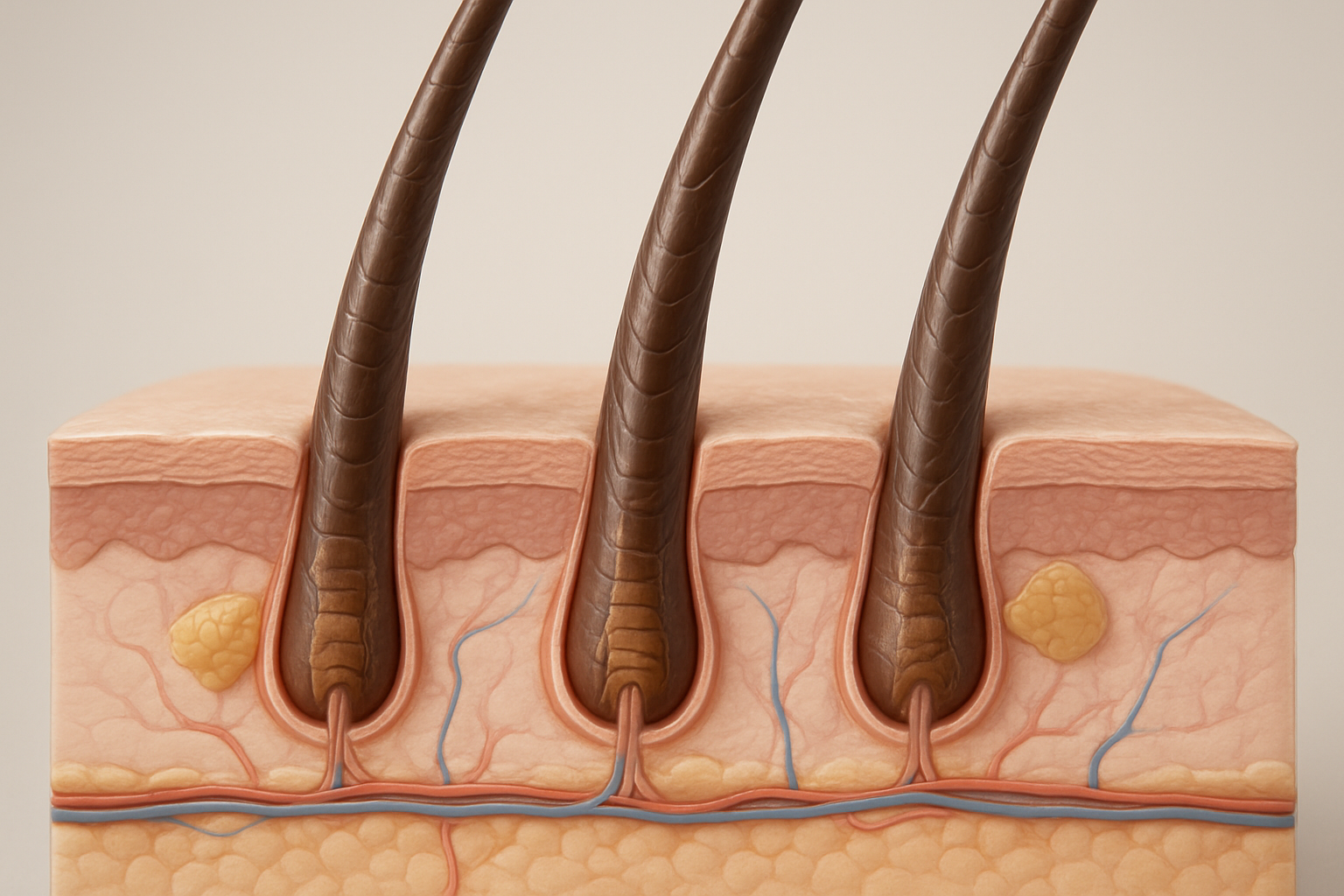
Your hair doesn’t grow at a steady pace like you might think. Instead, it follows three distinct phases that directly impact how your styling efforts turn out.
The anagen phase is where the magic happens – this active growth period lasts 2-7 years and determines your hair’s maximum potential length. During this time, hair grows about half an inch per month, but nutrition and proper care can boost this rate significantly.
The catagen phase acts like a transition period, lasting just 2-3 weeks. Your hair follicles shrink and growth slows down dramatically. Finally, the telogen phase brings growth to a complete halt for 2-3 months before the hair naturally sheds to make room for new growth.
Here’s what most people miss: at any given time, about 85% of your hair is in the growth phase, 3% is transitioning, and 12% is resting.
When you’re not getting the styling results you want, it often means a larger percentage of your hair has shifted into the resting phases due to stress, poor nutrition, or inadequate hair care routines.
The Science Behind Natural Hair Shine and Luster
Real hair shine comes from your hair’s cuticle layer – those microscopic scales that overlap like roof shingles. When these cuticles lie flat and smooth, light bounces off them evenly, creating that coveted glossy appearance.
Healthy cuticles are sealed tight, which locks in moisture and reflects light beautifully.
Your hair’s natural sebum production plays a huge role too. This oil travels down the hair shaft, providing natural conditioning and shine.
People with straight hair often appear to have shinier hair because sebum travels down easily, while those with curly or textured hair may struggle with dullness since the oil has trouble navigating the curves.
For More Information Contact Us : 91 7338671338
The pH level of your hair also affects shine dramatically. Healthy hair maintains a slightly acidic pH between 4.5 and 5.5. When this balance gets disrupted by harsh products or environmental factors, the cuticles lift up, causing light to scatter instead of reflect – resulting in dull, lackluster hair.
Common Factors That Block Hair Growth and Dull Your Shine
Protein buildup is one of the biggest culprits behind both slow growth and dull hair. When you use too many protein treatments or products, your hair becomes brittle and breaks easily, creating the illusion of slower growth. The excess protein also creates a film that blocks light reflection.
Heat damage ranks high on the list of shine killers. Temperatures above 300°F literally melt the protective cuticle layer, leaving your hair porous and unable to reflect light properly. This damage is cumulative and permanent without professional intervention.
Your scalp health directly impacts both growth and shine. Clogged follicles from product buildup, excess oil, or dead skin cells create an environment where hair struggles to grow. Poor circulation to the scalp also limits nutrient delivery to hair follicles.
| Growth Blockers | Shine Dullers |
|---|---|
| Tight hairstyles | Chemical processing |
| Nutritional deficiencies | Hard water minerals |
| Hormonal imbalances | UV exposure |
| Stress and lack of sleep | Over-washing |
Why Traditional Shampoos Aren’t Enough for Optimal Results
Most commercial shampoos focus solely on cleansing, using harsh sulfates that strip away natural oils along with dirt and buildup. This aggressive cleaning disrupts your scalp’s natural pH balance and removes the very oils your hair needs for growth and shine.
Traditional shampoos also lack the concentrated nutrients and active ingredients needed to address specific hair concerns. They’re designed for basic maintenance, not transformation.
Your hair needs targeted treatments with ingredients like biotin, keratin, and natural oils that can penetrate the hair shaft and nourish from within.
The one-size-fits-all approach of regular shampoos ignores the fact that different hair types have vastly different needs. Fine hair requires lightweight moisture, while thick, coarse hair needs heavier conditioning agents.
Curly hair benefits from sulfate-free formulas, while oily hair types might need clarifying ingredients.
Hair masks fill this gap by providing intensive, targeted treatment that addresses multiple concerns simultaneously. They stay on your hair longer, allowing active ingredients to penetrate deeper and create lasting changes in both growth patterns and shine levels.
Top Natural Ingredients That Transform Hair Health :
Protein-Rich Components for Stronger Hair Strands
Your hair is basically pure protein, so feeding it what it needs makes perfect sense. Keratin forms the backbone of every strand, but daily styling, heat tools, and environmental damage break down this crucial structure.
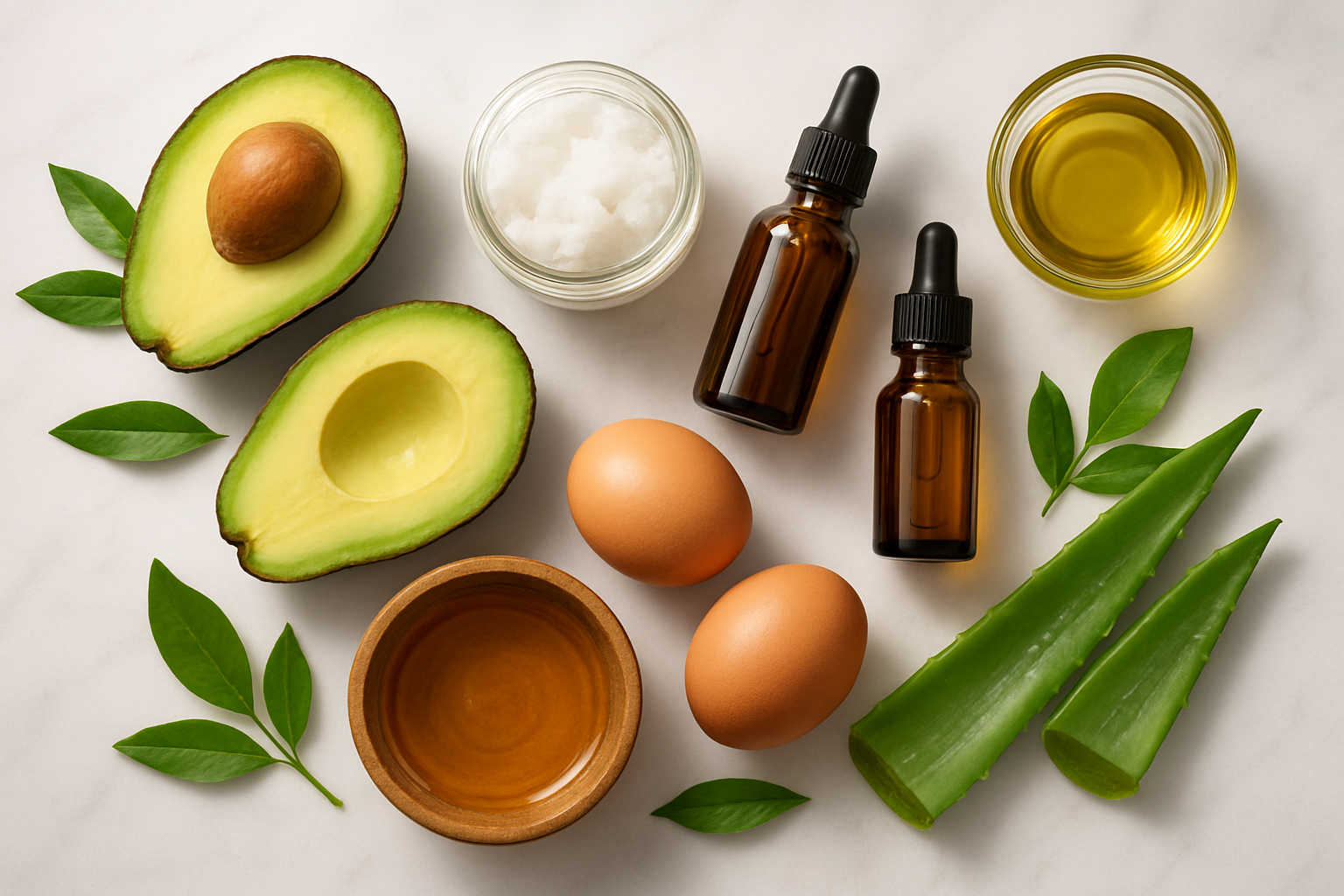
Eggs pack the most punch here – they’re loaded with biotin, sulfur, and complete proteins that literally rebuild your hair from the inside out. The whites contain albumin, which fills in microscopic gaps along damaged hair shafts.
Quinoa works like magic too. This superfood contains all nine essential amino acids your hair follicles need to produce strong, resilient strands. Greek yogurt brings lactic acid to the party, gently exfoliating dead scalp cells while its protein content strengthens each strand.
Silk amino acids penetrate deeply into the hair cortex, creating lasting structural repairs that regular conditioners can’t match.
Hydrolyzed wheat protein deserves special mention – its smaller molecular size means it actually gets inside the hair shaft rather than just sitting on top.
This creates genuine strength improvements you can feel when styling. Rice protein works differently, forming a protective film that prevents future damage while adding noticeable thickness to fine hair.
Essential Oils That Stimulate Scalp Circulation
Blood flow to your scalp determines how much nutrition reaches your hair roots. Poor circulation means stunted growth, no matter how many supplements you take.
Rosemary oil stands as the champion here – multiple studies show it works just as well as minoxidil for promoting hair growth, but without harsh side effects. Just a few drops massaged into your scalp increases blood flow for hours.
Peppermint oil creates an instant tingling sensation that signals increased circulation. The menthol opens blood vessels, delivering oxygen and nutrients directly where they’re needed most.
Studies prove peppermint oil can increase hair thickness by up to 92% when used consistently. Eucalyptus oil works similarly, plus it has antimicrobial properties that keep your scalp healthy and flake-free.
Tea tree oil tackles multiple issues at once – it stimulates circulation while fighting bacteria and fungi that can clog follicles. Cedarwood oil has a gentler approach, gradually improving blood flow while balancing oil production.
Thyme oil might be the strongest option, but use it sparingly – its powerful circulation-boosting effects can irritate sensitive scalps.
Always dilute essential oils in a carrier oil like jojoba or coconut oil before applying. The recommended ratio is 2-3 drops per tablespoon of carrier oil.
Moisturizing Agents That Create Mirror-Like Shine
Real shine comes from smooth, sealed hair cuticles that reflect light perfectly. When cuticles are raised or damaged, light scatters instead of bouncing back cleanly.
Argan oil contains vitamin E and fatty acids that smooth cuticles while creating a protective barrier against humidity and heat damage. Unlike heavy oils that weigh hair down, argan oil absorbs quickly and leaves behind pure shine.
Honey acts as a natural humectant, pulling moisture from the air and locking it into your hair shaft. Raw honey works best because it contains enzymes and antioxidants that regular processed honey lacks.
Avocado oil penetrates deeper than most moisturizing agents thanks to its high oleic acid content. This creates lasting hydration that survives multiple washes.
Coconut oil remains controversial, but for the right hair types, nothing beats its ability to prevent protein loss during washing. The lauric acid molecules are small enough to penetrate the hair shaft completely.
Shea butter provides heavy-duty moisture for very dry or chemically processed hair, sealing in hydration while adding incredible softness.
Glycerin deserves more attention – it draws moisture from the air directly to your hair, creating natural humidity that prevents breakage and frizz. The key is using the right concentration – too much can actually pull moisture away from your hair in dry climates.
Vitamins and Minerals Your Hair Craves for Growth
Your hair follicles are some of the most active cells in your body, dividing rapidly to create new growth. This process demands specific nutrients that many people simply don’t get enough of.
Iron deficiency is the number one cause of hair loss in women, yet it’s completely preventable with the right ingredients. Spirulina, pumpkin seeds, and dark leafy greens deliver bioavailable iron that your scalp can actually use.
Vitamin C does double duty – it helps your body absorb iron while producing collagen that strengthens hair structure. Citrus extracts in hair masks provide direct vitamin C application to follicles.
Biotin gets all the attention for hair growth, but B-complex vitamins work better as a team. B12 supports red blood cell production that carries oxygen to follicles, while B6 helps create keratin protein.
Zinc regulates hormone levels that directly impact hair growth cycles. Pumpkin seed extract provides highly absorbable zinc along with other minerals.
Vitamin D receptors exist throughout hair follicles, and deficiency can actually shut down growth completely. While you can’t get vitamin D through hair masks, ensuring adequate levels supports any topical treatments you use.
Silica from horsetail extract strengthens hair shafts while improving elasticity. This often-overlooked mineral creates the flexibility that prevents breakage during styling.
Plant Extracts That Repair Damaged Hair Follicles
Chemical processing, heat styling, and even tight hairstyles can damage the actual follicles where hair grows. Once follicles are damaged, they produce weaker, thinner hair – or stop producing altogether.
Ginseng extract contains ginsenosides that stimulate follicle cells and encourage them to enter the active growth phase. Regular use can actually wake up dormant follicles that have stopped producing hair.
Saw palmetto works by blocking DHT, the hormone responsible for male pattern baldness and thinning hair in women. Unlike oral supplements that affect your entire system, topical saw palmetto targets just the scalp area.
Green tea extract provides powerful antioxidants that protect follicles from free radical damage while extending the active growth phase.
Nettle extract has been used for centuries to treat hair loss, and modern research backs up its effectiveness. It contains compounds that reduce inflammation around follicles while providing minerals that support healthy growth.
Horsetail extract repairs damage at the cellular level while strengthening the hair shaft structure.
Aloe vera gel soothes inflamed follicles while providing enzymes that remove dead skin cells blocking healthy growth. Its anti-inflammatory properties create the perfect environment for follicle repair.
Onion extract might smell terrible, but its sulfur compounds dramatically improve circulation while providing building blocks for keratin production.
DIY Hair Mask Recipes for Maximum Growth
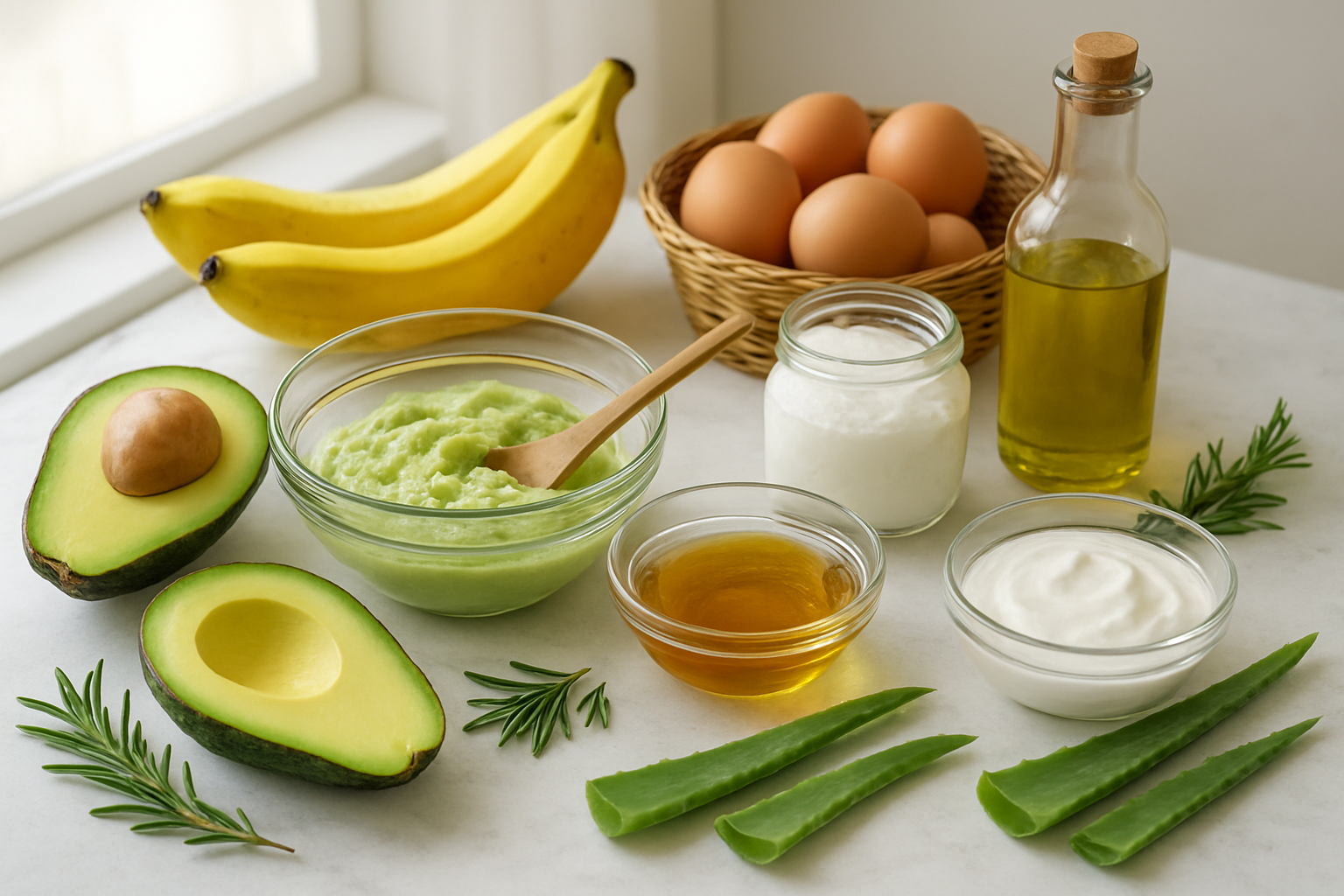
The combination of eggs and avocado creates one of the most potent hair growth treatments you can make at home. Eggs pack a serious protein punch, containing all essential amino acids your hair follicles crave for healthy growth.
The biotin in eggs specifically targets hair strength and thickness, while the sulfur content helps boost circulation to your scalp.
Avocado brings healthy fats and vitamins E and K to the mix. These nutrients penetrate deep into your hair shaft, creating the perfect environment for accelerated growth.
The natural oils in avocado also help seal moisture into each strand, preventing the breakage that can slow down your length goals.
Recipe:
1 whole egg
1/2 ripe avocado
1 tablespoon olive oil
1 teaspoon honey
Mash the avocado until completely smooth, then whisk in the egg until well combined. Add olive oil and honey, mixing until you get a creamy consistency.
Apply this mask from roots to tips, focusing extra attention on your scalp. Massage gently for 2-3 minutes to boost blood flow, then cover with a shower cap. Leave on for 30-45 minutes before rinsing with cool water and shampooing as usual.
Use this mask once weekly for visible results in 4-6 weeks. The protein-rich formula works best on hair that’s been damaged by heat styling or chemical treatments.
For More Information Contact Us : 91 7338671338
Coconut Oil and Honey Treatment for Thick Hair
Coconut oil’s molecular structure allows it to actually penetrate your hair shaft rather than just coating the surface. This unique ability makes it incredibly effective for strengthening hair from within and promoting thicker growth.
The lauric acid in coconut oil has antimicrobial properties that keep your scalp healthy and free from issues that could block hair follicles.
Honey acts as a natural humectant, drawing moisture from the air and locking it into your hair. Raw honey contains enzymes and minerals that nourish your scalp and create optimal conditions for robust hair growth.
The combination also helps balance your scalp’s pH levels, which directly impacts how well your hair grows.
Recipe:
3 tablespoons coconut oil (melted)
2 tablespoons raw honey
1 tablespoon castor oil
3-4 drops rosemary essential oil
Warm the coconut oil until liquid but not hot. Mix in honey until completely dissolved, then add castor oil and rosemary oil. The mixture should feel warm and smooth. Apply generously to your scalp first, massaging in circular motions, then work through your hair lengths.
Cover with a warm towel and leave for 45 minutes to an hour. The heat helps the oils penetrate deeper. Shampoo twice to remove all residue, as coconut oil can be stubborn to wash out. Apply this treatment every 10 days for maximum thickness benefits.
Banana and Olive Oil Blend for Weak Hair Recovery
Bananas contain natural sugars, vitamins, and minerals that breathe life back into damaged, weak hair. The potassium in bananas helps strengthen hair fibers, while vitamin B6 supports healthy hair growth cycles.
The natural silica content helps improve your hair’s elasticity, making it more resistant to breakage and splitting.
Olive oil provides deep conditioning benefits with its high concentration of vitamin E and antioxidants. These compounds help repair damage at the cellular level while creating a protective barrier around each hair strand.
The omega-3 fatty acids in olive oil also support scalp health and improve hair texture over time.
Recipe:
1 very ripe banana
2 tablespoons extra virgin olive oil
1 tablespoon plain Greek yogurt
1 teaspoon lemon juice
Blend the banana until completely smooth with no lumps (lumps are difficult to remove from hair). Mix in olive oil, yogurt, and lemon juice until you have a creamy, spreadable consistency. The yogurt adds protein while lemon juice helps remove buildup that can weigh down weak hair.
Apply section by section, ensuring complete coverage from mid-length to ends. Weak hair needs extra gentle handling, so avoid the scalp area if it’s sensitive. Leave on for 25-30 minutes, then rinse thoroughly with lukewarm water. Follow with a gentle shampoo and conditioner.
This recovery mask works best when used twice weekly for the first month, then once weekly for maintenance. You’ll notice stronger, more resilient hair within 3-4 weeks of consistent use.
Professional Hair Mask Products That Deliver Results
Keratin-Infused Masks for Salon-Quality Smoothness
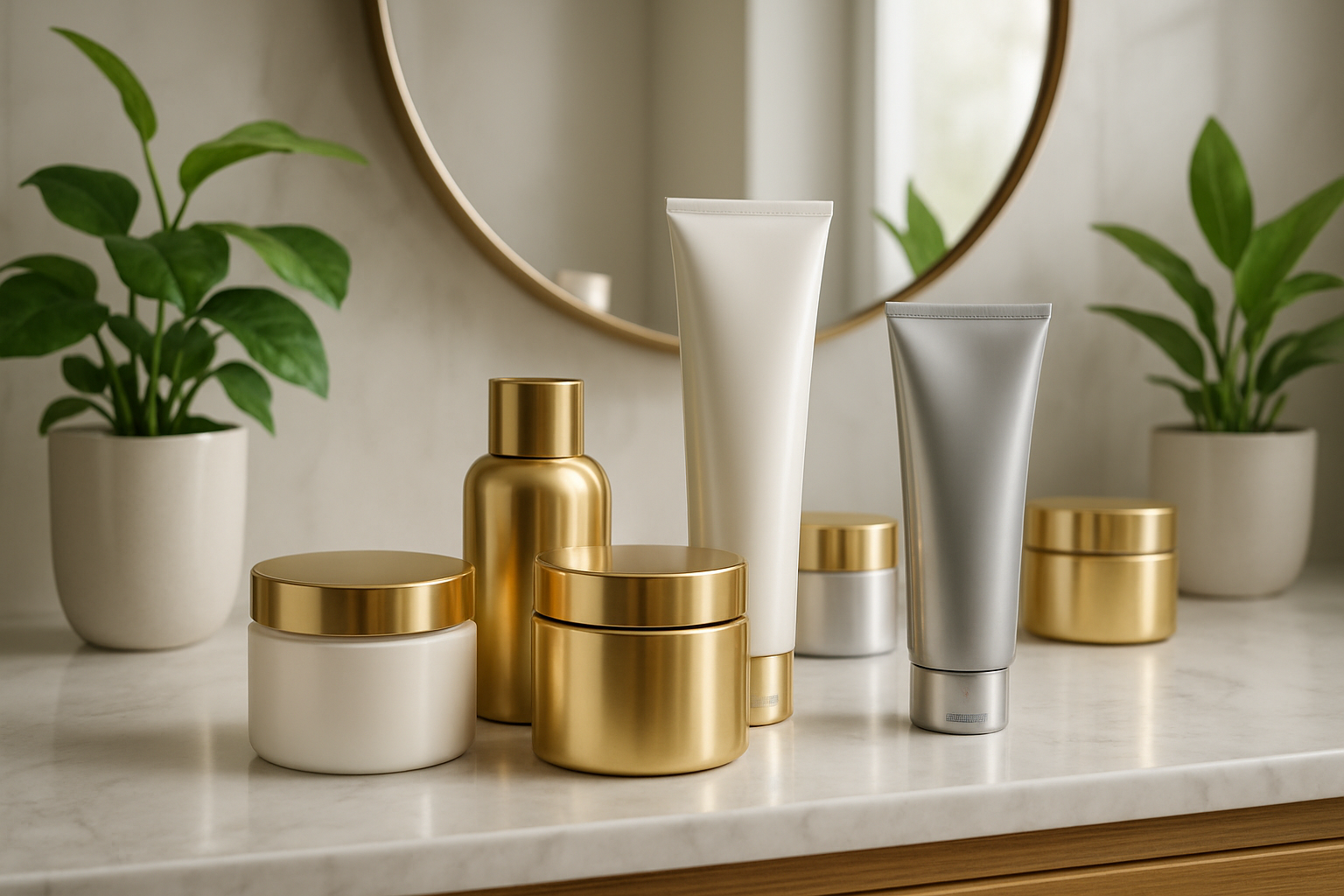
Keratin masks pack a serious punch when it comes to transforming damaged, frizzy hair into silky smooth strands. These professional treatments work by filling in the microscopic gaps in your hair shaft with protein, essentially rebuilding your hair from the inside out.
Olaplex No. 3 Hair Perfector stands out as the gold standard, using patented bond-building technology that goes beyond surface smoothing.
Apply this treatment to damp hair for 10 minutes minimum, though leaving it on for several hours delivers even better results. Users consistently report dramatic improvements in hair texture and manageability after just one use.
Brazilian Blowout Deep Conditioning Masque delivers salon-level keratin infusion at home. The formula combines keratin proteins with amino acids to seal the hair cuticle, reducing frizz by up to 95%. This mask works particularly well on chemically treated or heat-damaged hair.
For weekly maintenance, L’Oréal Paris EverPure Repair Remedy Balm offers a gentler keratin boost without sulfates. The creamy texture makes application easy, and the results last for several washes, making it perfect for maintaining that smooth, professional finish between salon visits.
Biotin-Enhanced Formulas for Accelerated Growth
Biotin masks target hair growth at the follicle level, delivering essential B vitamins directly to your scalp and hair roots. These treatments create an optimal environment for healthy hair production while strengthening existing strands.
Viviscal Gorgeous Growth Densifying Shampoo and Mask System combines biotin with marine collagen and keratin for triple-action growth support. The mask contains clinically proven ingredients that extend the hair growth phase, leading to measurably thicker hair within 12 weeks of regular use.
Mielle Organics Rosemary Mint Strengthening Hair Masque blends biotin with rosemary oil, a natural circulation booster that helps nutrients reach hair follicles more effectively. The cooling mint sensation indicates increased blood flow to the scalp, which many users find invigorating during application.
For More Information Contact Us : 917338671338
Nexxus Keraphix Gel Treatment offers a unique gel formula that penetrates deeper than traditional cream masks. The biotin and keratin combination repairs damage while promoting new growth, making it ideal for those dealing with both breakage and slow growth rates.
Apply biotin masks to clean, towel-dried hair, focusing on the scalp and roots. Massage gently to stimulate circulation, then distribute through lengths. Most formulas work best with heat activation, so wrap hair in a warm towel or use a processing cap.
Argan Oil Based Treatments for Ultimate Shine
Argan oil masks deliver unparalleled shine through their unique fatty acid profile, which mirrors the natural oils your hair produces. These treatments don’t just coat the hair surface – they penetrate the cortex to restore moisture balance and natural luster.
Moroccanoil Intense Hydrating Mask contains pure argan oil plus shea butter for deep moisture penetration. The lightweight formula won’t weigh hair down, yet provides lasting shine that improves with each use. Hair appears glossier and feels softer immediately after rinsing.
OGX Renewing Argan Oil of Morocco Deep Treatment offers luxury results at drugstore prices. The thick, creamy texture allows for easy application, and the high concentration of argan oil repairs damage while creating mirror-like shine. Users with dull, lifeless hair see dramatic improvements in luminosity.
Josie Maran Argan Oil Hair Mask uses 100% pure argan oil as the primary ingredient, making it incredibly potent for shine enhancement. This treatment works exceptionally well on coarse or chemically treated hair that has lost its natural sheen.
For maximum shine benefits, apply argan oil masks to slightly damp hair, as moisture helps the oil penetrate more effectively. Leave on for 20-30 minutes before rinsing thoroughly with lukewarm water.
Budget-Friendly Options That Actually Work
Professional-quality results don’t always require premium prices. Several affordable hair masks deliver impressive growth and shine benefits when used consistently.
Garnier Fructis Damage Repairing Treat Hair Mask costs under $4 but contains fortifying proteins and shine-enhancing ingredients that rival expensive alternatives. The papaya extract helps smooth the hair cuticle while coconut oil adds moisture and sheen.
VO5 Hot Oil Treatment provides intensive conditioning for less than $2 per treatment. While simple, this classic formula delivers real results for dry, damaged hair. The pre-measured packets make application mess-free and ensure proper dosing.
Aussie 3 Minute Miracle Moist Deep Conditioner works quickly but effectively, perfect for busy schedules. Australian jojoba oil and sea kelp create a nourishing treatment that improves hair texture and adds natural shine without breaking the bank.
These budget options prove that consistent use of quality ingredients matters more than expensive packaging. Rotate between different formulas to address various hair needs without overspending.
Application Techniques for Maximum Effectiveness
Pre-Treatment Steps That Boost Mask Absorption
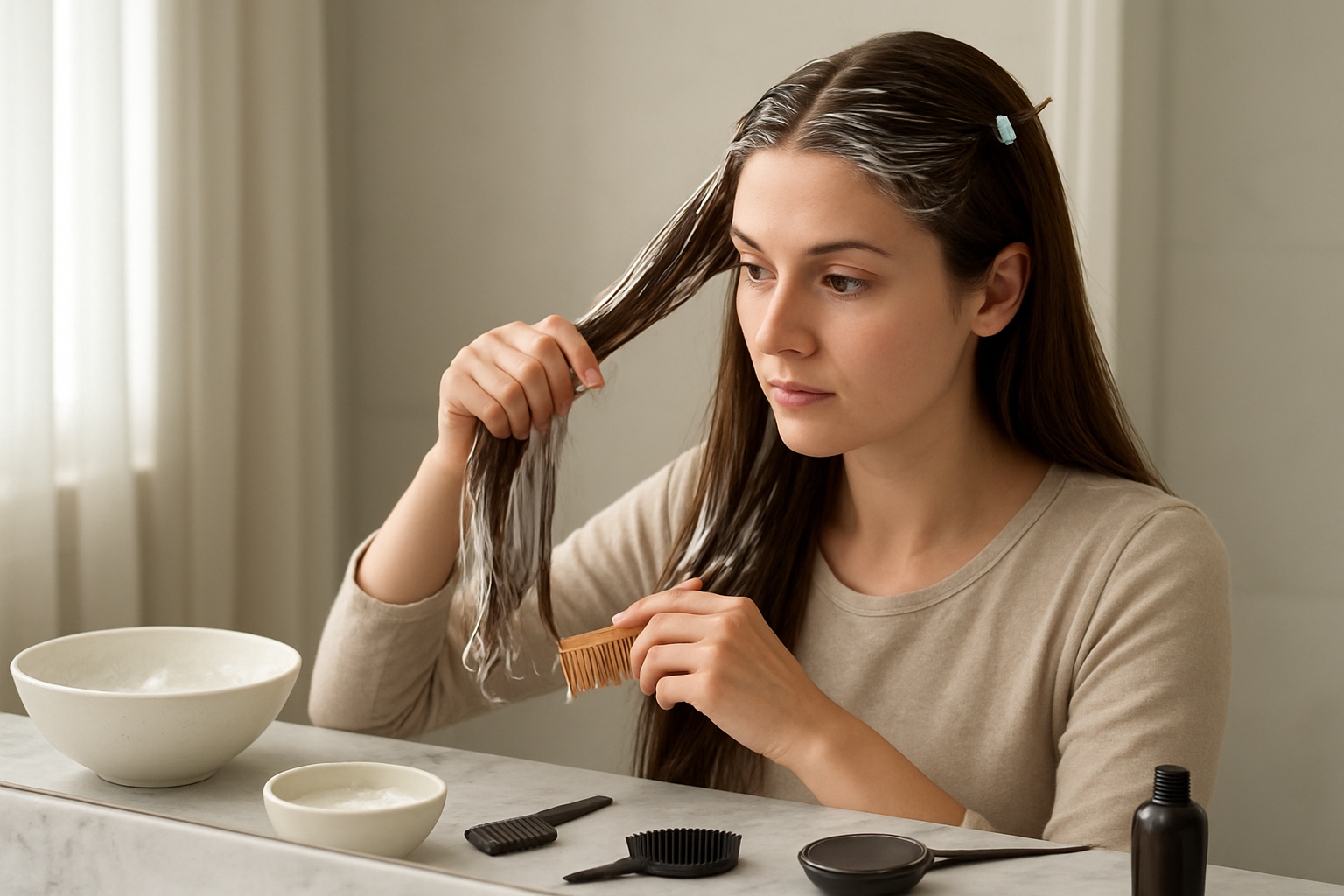
Start with damp, not soaking wet hair for best results. Towel-dry your hair gently to remove excess water while keeping it slightly moist. This dampness creates the perfect canvas for mask penetration.
Before applying any mask, detangle your hair with a wide-tooth comb to prevent breakage and ensure smooth application.
A clarifying shampoo used once weekly before your mask treatment can work wonders. It removes product buildup, excess oils, and environmental pollutants that create barriers between your hair and the nourishing ingredients.
Skip the conditioner on mask days since you want your hair cuticles slightly raised to accept the treatment better.
Consider doing a scalp massage for 2-3 minutes before applying your mask. This increases blood circulation, which helps your hair follicles absorb nutrients more effectively. Use your fingertips in circular motions, working from your hairline to the crown of your head.
Proper Sectioning Methods for Even Distribution
Divide your hair into four main sections by creating a center part from your forehead to your nape, then a horizontal part from ear to ear. Clip each section separately to keep them organized. For thicker hair, create additional subsections within each quadrant.
Work with one section at a time, starting from the back sections and moving forward. Apply the mask from mid-length to ends first, then work your way up to the roots if the mask is suitable for scalp application.
Use your fingers or a wide-tooth comb to distribute the product evenly through each section.
Pay extra attention to the ends of your hair, as they’re the oldest and most damaged part. These areas need more product and benefit from gentle scrunching motions to help the mask penetrate deeper into the hair shaft.
Optimal Timing for Different Hair Types
Your hair type determines how long you should leave masks on for maximum benefit. Fine hair typically needs 10-15 minutes to avoid weighing down your strands. Medium-textured hair can handle 15-20 minutes, while coarse or thick hair benefits from 20-30 minutes of treatment time.
| Hair Type | Treatment Time | Frequency |
|---|---|---|
| Fine | 10-15 minutes | Once weekly |
| Medium | 15-20 minutes | 1-2 times weekly |
| Coarse/Thick | 20-30 minutes | 2-3 times weekly |
| Damaged | 20-30 minutes | 2 times weekly |
Protein-rich masks should stay on for shorter periods (5-15 minutes) to prevent protein overload, which can make hair brittle. Moisturizing masks can be left on longer since they focus on hydration rather than structural changes.
Heat Application Tricks for Enhanced Results
Gentle heat opens your hair cuticles and helps active ingredients penetrate deeper. After applying your mask, cover your hair with a plastic shower cap or plastic wrap. Place a warm, damp towel over the cap for 10-15 minutes, rewarming the towel as needed.
A hair steamer provides professional-level results at home. The moist heat is gentler than dry heat and won’t damage your hair while boosting ingredient absorption. Steam for 15-20 minutes with your mask applied.
Body heat can also work effectively. After wrapping your hair in plastic, put on a beanie or wrap a soft towel around your head. Your natural body heat creates a warming effect that enhances the mask’s performance without any additional equipment.
Avoid using blow dryers or other high-heat tools, as excessive heat can damage your hair and reduce the mask’s effectiveness. The goal is gentle, consistent warmth that opens cuticles without causing harm.
Creating Your Personalized Hair Mask Routine
Weekly Schedule for Consistent Growth Results
Building a hair mask routine requires finding the sweet spot between nourishing your strands and avoiding over-treatment. Your hair type and current condition will determine the perfect frequency, but most people see amazing results with 2-3 mask sessions per week.
Start with a protein mask once weekly if your hair feels weak or breaks easily. Schedule this for Sunday evenings when you have extra time to let the treatment work its magic. Protein masks need 20-30 minutes to penetrate properly, making them perfect for your weekend wind-down routine.
Add a moisturizing mask mid-week, typically Wednesday, to maintain hydration levels. These masks can work while you catch up on your favorite show or read a book. If your hair feels particularly dry or damaged, bump this up to twice weekly.
Growth-stimulating masks with ingredients like rosemary or peppermint work best when used consistently every 4-5 days. The scalp massage during application boosts circulation, so don’t rush this step.
Track your hair’s response in a simple journal or phone notes. Notice changes in texture, shine, and breakage after 4-6 weeks. This data helps you adjust timing and products as your hair improves.
Remember that consistency beats intensity every time. Regular treatments with moderate products deliver better long-term results than sporadic intensive sessions that might overwhelm your hair.
Seasonal Adjustments for Climate Changes
Your hair’s needs shift dramatically with the seasons, and smart mask adjustments keep your strands healthy year-round. Winter’s dry, heated air strips moisture from hair, while summer’s humidity and UV exposure create entirely different challenges.
During colder months, switch to richer, more emollient masks. Look for ingredients like shea butter, coconut oil, and honey that create protective barriers against harsh winds and indoor heating.
Increase your moisturizing mask frequency to twice weekly, and add a weekly deep conditioning treatment.
For More Information Contact Us : 917338671338
Summer calls for lighter formulations that won’t weigh down hair in humidity. Clay-based masks help absorb excess oil production, while aloe vera and cucumber provide cooling relief for sun-stressed scalps.
UV protection becomes crucial, so choose masks with natural SPF ingredients or follow treatments with UV-protective styling products.
Spring transition periods often bring increased shedding as your body adjusts to longer days. This is prime time for growth-stimulating masks with caffeine, biotin, or essential oils. Your scalp becomes more receptive to circulation-boosting treatments during this natural renewal phase.
Fall preparation involves strengthening treatments that prep hair for upcoming winter stress. Protein masks become more important as you prepare for months of dry indoor air and temperature fluctuations.
Monitor humidity levels in your area using weather apps, and adjust your routine accordingly. High humidity days might call for clarifying masks, while dry spells need extra moisture.
Combining Masks with Other Hair Growth Treatments
Scalp serums and hair masks make perfect partners when sequenced correctly. Apply growth serums to clean, damp scalp before your mask session. The mask’s moisture helps the serum penetrate deeper, while the serum’s active ingredients get locked in by the mask’s conditioning agents.
Oral supplements like biotin, collagen, or specialized hair vitamins provide internal support that complements external mask treatments. Start supplements 4-6 weeks before beginning intensive mask routines to build a foundation of nutrients your hair follicles can use.
Weekly scalp massages enhance any mask routine. Use a scalp massager or your fingertips for 5-10 minutes before applying masks. This increased circulation helps ingredients penetrate better and stimulates dormant follicles.
LED light therapy devices work beautifully alongside mask treatments. Use the device on clean hair before applying masks, as the light therapy prepares follicles to absorb nutrients more effectively.
Avoid combining harsh treatments on the same day. If you’re using chemical exfoliants or clarifying shampoos, schedule these at least 24 hours away from intensive mask treatments. Your scalp needs recovery time between strong interventions.
Essential oil treatments blend seamlessly with most masks. Add 2-3 drops of rosemary or peppermint oil to your mask mixture for enhanced circulation benefits. Never apply essential oils directly to skin without diluting them first.
Track which combinations work best for your hair by testing one new element at a time. This methodical approach helps you identify the most effective treatment combinations for your unique needs.
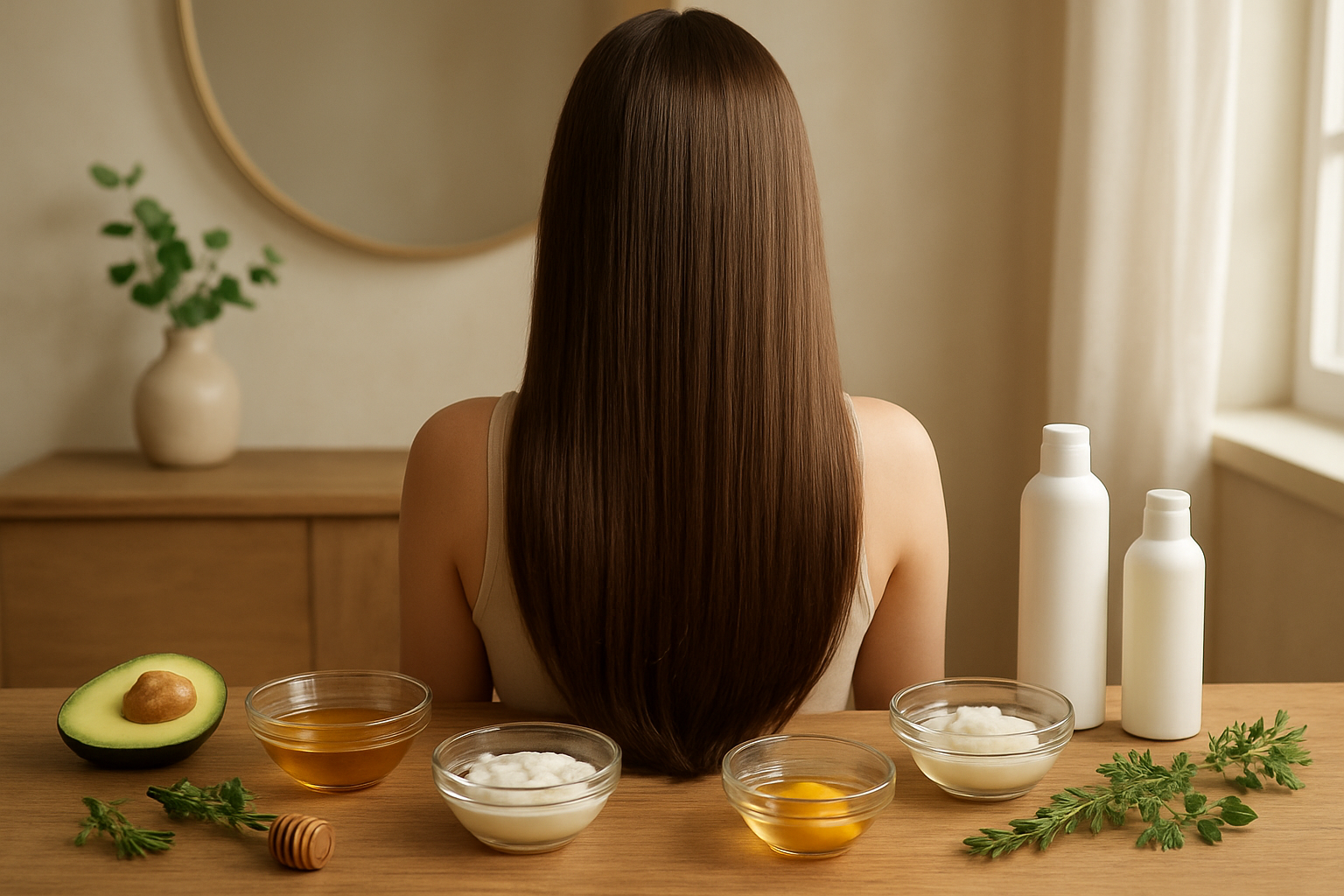
Beautiful, healthy hair starts with understanding what your strands really need and giving them the right nourishment.
We’ve covered the science behind hair growth and shine, explored powerful natural ingredients like Argan oil and keratin, and shared DIY recipes that work just as well as expensive salon treatments.
The professional products we discussed offer concentrated formulas for those who want salon-quality results at home, while proper application techniques ensure you get the most out of every mask.
Your hair transformation journey doesn’t have to be complicated or expensive. Start by identifying your specific hair concerns, then choose 2-3 key ingredients that target those issues.
Whether you go the DIY route or invest in professional products, consistency is what brings results. Create a routine that fits your lifestyle and stick with it for at least 6-8 weeks to see real changes in your hair’s growth rate and shine.
For More Information Contact Us : 91 7338671338